
Business
RBI likely to get quite perturbed with inflation above 6% in three quarters

With inflation likely to exceed 6 per cent for three consecutive quarters, especially if energy prices remain elevated, the RBI is likely to get quite perturbed, Emkay Global Financial Services said in a report.
With higher food price pressure in the near term (summer effect, international prices, higher transport cost, supply chains) and persistent input cost pressure in the non-food segment, it now sees inflation crossing 6 per cent in FY23.
The March ’22 print strengthens rate hike expectations in June ’22. We maintain that FY23 could see a rate hike of up to 100bps. The terminal rate may go a tad higher from 5.25 per cent, with the RBI now showing its intent to keep real rates neutral, the report said.
March ’22 inflation surged to near 7 per cent, reflecting a broad-based increase in food and non-food inflation. Perishable food items seem to have been hurt by higher transportation and fuel costs. We are unlikely to see any relief in food prices in the near term, as supply-chain price pressure and summer months further weigh in, the report added.
Core inflation at 6.6 per cent depicted the persistence of input cost pressure, which has started to percolate to output prices.
The Mar’22 inflation print exceeded the RBI’s target range materially, and the next two quarters are also likely to exceed 6 per cent, which could pressure the RBI to act sooner than later. We are tracking April ’22 inflation at 7.2 per cent, albeit peaking, assuming pump prices stabilize ahead. With food prices looking high in the near term (summer effect, international prices, higher transport cost, supply chains) and persistent input cost pressure in the non-food segment, we now see inflation crossing 6 per cent in FY23.
The RBI reckoned that inflation has again taken precedence over growth in its reaction function. With inflation realities worsening, June hike is likely (with or without stout and formal stance change). FY23 could see rates go up by 100bps. The terminal rate may be a tad higher than 5.25 per cent, with the RBI now showing its intent to keep real rates neutral.


Business
Bharti Airtel Receives ₹1,74,000 Penalty Notice From DoT For Subscriber Verification Lapses

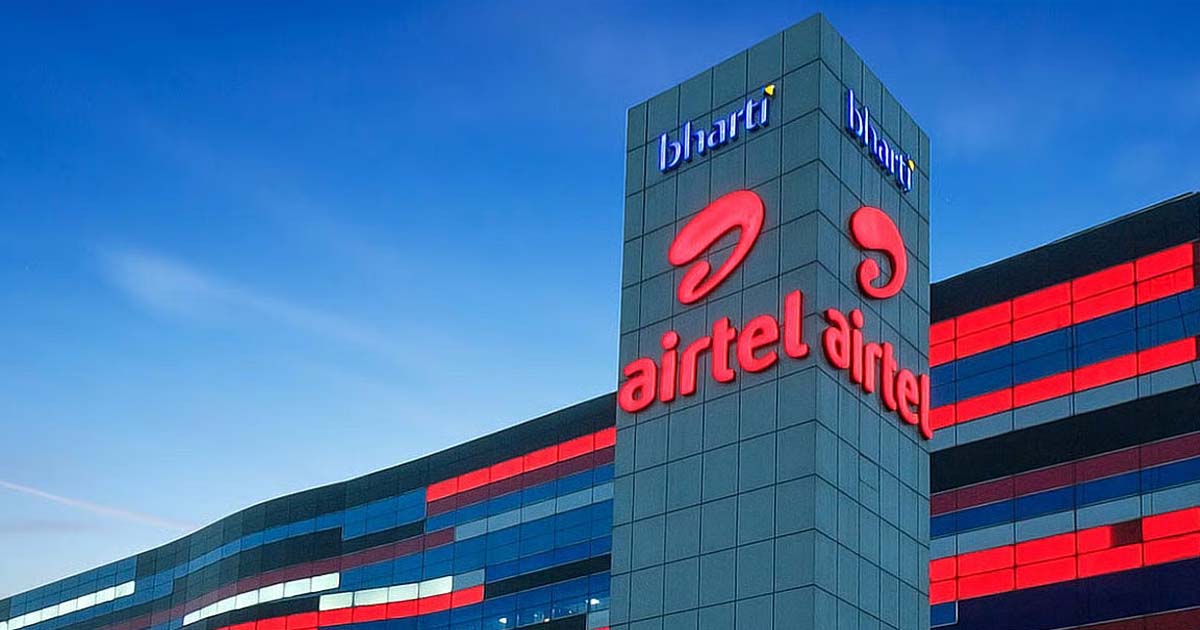
New Delhi: Bharti Airtel has disclosed a regulatory development involving a minor financial penalty tied to compliance checks on customer onboarding processes.
The Department of Telecommunications, Madhya Pradesh Licensed Service Area, has issued a notice imposing a penalty of Rs 1,74,000 on the company. The action relates to alleged non-compliance with subscriber verification requirements under telecom licensing conditions, as detailed in Annexure A on page 2.
The issue stems from a Customer Application Form audit conducted by the DoT for January 2026. These audits are carried out periodically to ensure telecom operators adhere to rules governing customer identity verification before activating services.
Under the license agreement, telecom operators are required to maintain strict verification processes when enrolling subscribers. The audit identified alleged gaps in meeting these standards, prompting regulatory action from the authority.
Bharti Airtel has decided not to contest the notice and will pay the penalty. The company clarified that the financial impact is limited to the amount levied, with no broader operational implications highlighted in the filing. The disclosure reflects routine regulatory oversight in the telecom sector, where periodic audits ensure adherence to compliance norms.
Business
Maharashtra Minister Nitesh Rane Announces AI Project For Mango, Cashew Farming In Sindhudurg With 400 Farmers In Pilot Phase
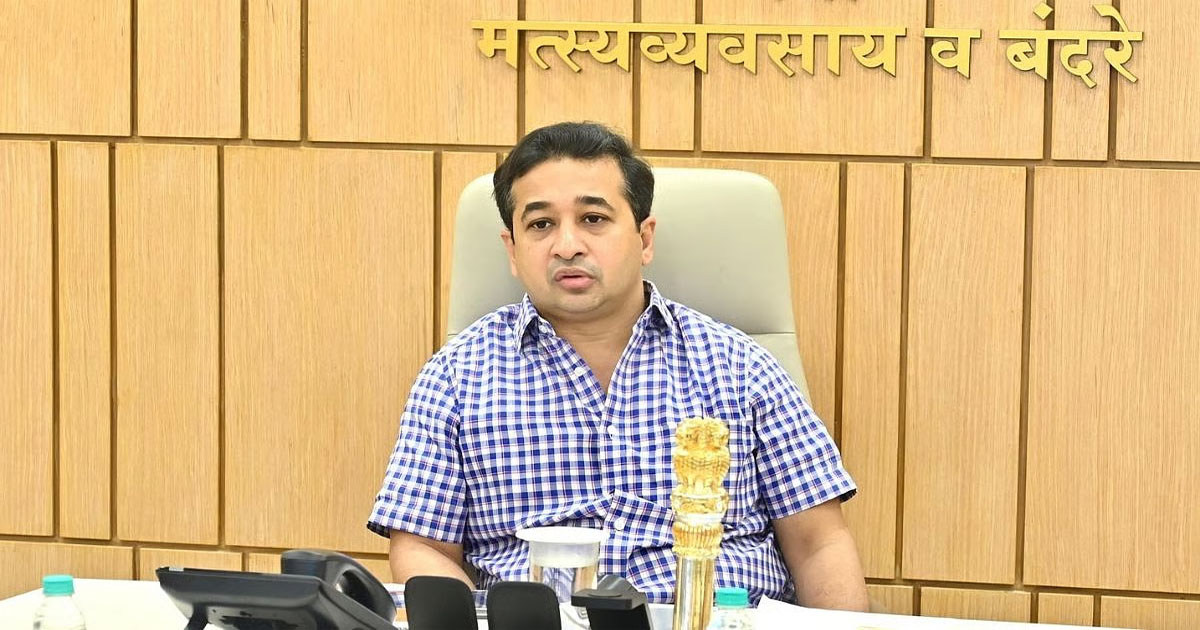
Mumbai, March 27: Maharashtra Fisheries and Ports Minister Nitesh Rane on Friday announced that an Artificial Intelligence (AI)-based project will be implemented to enhance mango and cashew cultivation in Sindhudurg district.
Initially, 400 farmers—200 each cultivating mango and cashew—will be selected for the pilot phase. The project aims to digitise farms by collecting basic data such as farmers’ names, contact details and village information. Based on the success of the initial phase, the initiative will be expanded to include more farmers.
The proposal was presented by experts from ADT Krishi Vigyan Kendra Baramati in the presence of agricultural scientists and officials, including representatives from Dr Balasaheb Sawant Konkan Krishi Vidyapeeth.
Under the project, sensors will be installed to monitor soil health, crop conditions and yield patterns. Farmers will receive training and awareness about AI technology through group-based sessions conducted over a 150-day initial phase.
The use of drones for pesticide spraying is expected to significantly reduce time from several days to just a few hours, ensuring quicker and more effective disease control. Additionally, AI-based predictive models will help detect crop diseases in advance, reducing excessive pesticide use and curbing black marketing.
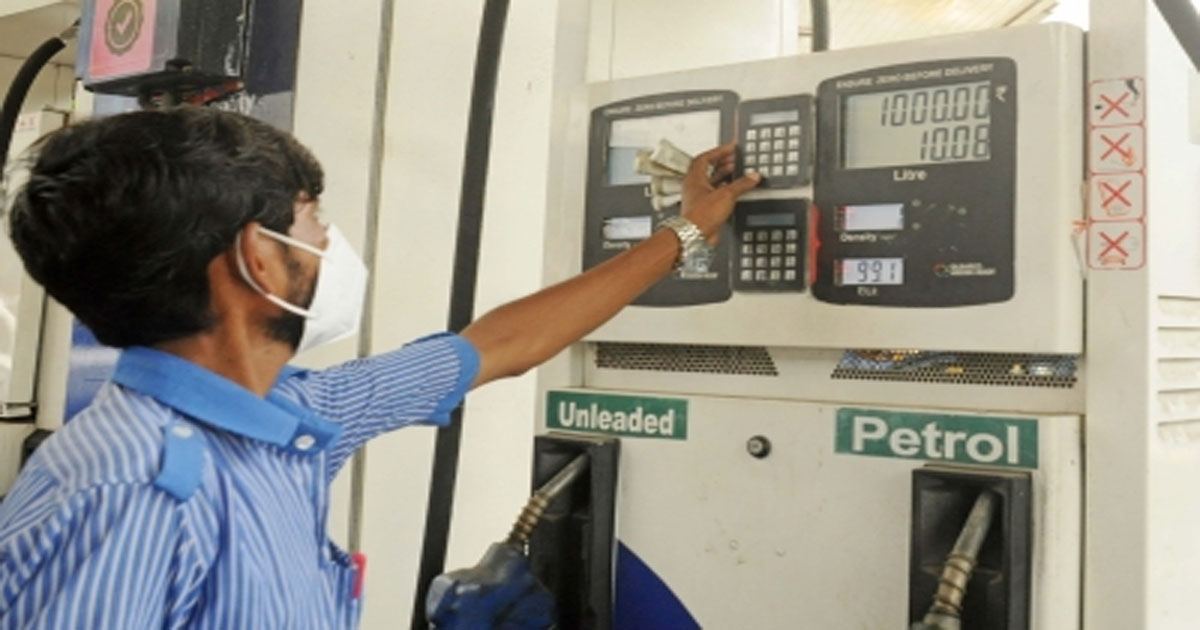
New Delhi, March 27: The government on Friday said retail pump prices of petrol and diesel will not change, and the excise reduction is not being passed on as a price cut at the pump.
Instead, it directly reduces the under-recoveries being absorbed by public sector oil marketing companies (OMCs) — Indian Oil Corporation, Bharat Petroleum Corporation and Hindustan Petroleum Corporation — who have continued to supply fuel to Indian consumers at prices well below their cost of supply, the Petroleum Ministry said.
At current international crude prices, under-recoveries stand at approximately Rs 26 per litre on petrol and Rs 81.90 per litre on diesel.
The combined daily under-recovery being absorbed by OMCs is approximately Rs 2,400 crore.
The excise reduction offsets Rs 10 per litre of these losses, ensuring OMCs can continue to supply fuel without disruption while keeping retail prices unchanged, said the ministry.
The government has reduced excise duty by Rs 10 per litre on both petrol and diesel with immediate effect.
“This decision has been taken in response to the steep and rapid rise in international crude oil prices, which have surged from approximately $70 per barrel to around $122 per barrel over the past month — an increase of nearly 75 per cent in under four weeks, driven by the ongoing conflict in West Asia and associated disruptions to global energy supply chains,” the ministry said.
The contrast with global fuel markets is instructive. Fuel prices have risen by 30 to 50 per cent across South and South-East Asian countries, 30 per cent in North America, and 20 per cent in Europe since the onset of the current crisis. India has held the line. That stability carries a fiscal cost, and the government has chosen to bear it.
Earlier in the day, Minister for Petroleum and Natural Gas, Hardeep Singh Puri, said that Prime Minister Narendra Modi decided to take a hit on government finances to safeguard the Indian citizen.
“The government has taken a substantial impact on its taxation revenues to reduce the high losses being faced by oil marketing companies at this time of sky-high international prices,” he mentioned.
Alongside the excise reduction, the government has simultaneously introduced an export levy on diesel. At a time when international diesel prices have surged sharply, the levy is designed to disincentivise exports and ensure that refinery output is directed first towards meeting domestic demand.
Keeping Indian pumps fully supplied takes precedence over export opportunities, however commercially attractive those may be at current global prices. The government will continue to monitor the evolving global energy situation and take all measures necessary to maintain supply stability and price protection for Indian consumers.

Abu Asim Azmi Foundation organizes grand “Career Guidance and Counseling Session 2026” in Mankhurd Shivaji Nagar, along with education, skills are also the key to success : Abu Asim

Those spreading lockdown rumours will be in trouble After a meeting with the Prime Minister, strict action has been ordered: Devendra Fadnavis

Mumbai: Case Registered in Navi Mumbai Against NCB’s Amit Ghoute and Two Others on Complaint by Construction Company Owner’s Wife, Alleging Abetment to Suicide.

Bharti Airtel Receives ₹1,74,000 Penalty Notice From DoT For Subscriber Verification Lapses

Dhurandhar 2 Box Office Collection Day 9: Ranveer Singh Starrer Earns ₹41.55 Crore On Its Second Friday; Enters ₹700 Crore Club

Married Mumbai Woman Mocked In Andheri Society Over ‘Lift Kissing’ CCTV Video, Files Police Complaint

Mumbai: JBCN International School In Borivali Gets Bomb Threat, Search Reveals Hoax, Students Safe

LPG Crisis In Maharashtra: Cyber Crime On Rise Amid Shortage, 2 Women Lose ₹4 Lakh In ‘Gas Update’ Online Scam In Kalyan-Dombivli

Mahayoti’s big gift to the people of Mumbai… Now there is no tax for houses up to 500 square feet, the Municipal Corporation has increased this limit to 700 square feet.

Rashmika Mandanna-Vijay Deverakonda Wedding: Virosh Turn Modern Day Prince & Princess For Their Dreamy Sangeet Ceremony
-

 Crime4 years ago
Class 10 student jumps to death in Jaipur
-

 Maharashtra1 year ago
Mumbai Local Train Update: Central Railway’s New Timetable Comes Into Effect; Check Full List Of Revised Timings & Stations
-

 Maharashtra1 year ago
Mumbai To Go Toll-Free Tonight! Maharashtra Govt Announces Complete Toll Waiver For Light Motor Vehicles At All 5 Entry Points Of City
-

 Maharashtra2 years ago
False photo of Imtiaz Jaleel’s rally, exposing the fooling conspiracy
-

 National News1 year ago
Ministry of Railways rolls out Special Drive 4.0 with focus on digitisation, cleanliness, inclusiveness and grievance redressal
-

 Maharashtra1 year ago
Maharashtra Elections 2024: Mumbai Metro & BEST Services Extended Till Midnight On Voting Day
-

 National News2 years ago
J&K: 4 Jawans Killed, 28 Injured After Bus Carrying BSF Personnel For Poll Duty Falls Into Gorge In Budgam; Terrifying Visuals Surface
-

 Crime1 year ago
Baba Siddique Murder: Mumbai Police Unable To Get Lawrence Bishnoi Custody Due To Home Ministry Order, Says Report