
Business
FoodTech platform Pluckk raises $ 5 mn seed capital from Exponentia Ventures

Fresh produce food-tech venture, PLUCKK (A brand owned by Fruveggiie Tech Pvt limited) has raised $ 5 million seed capital in a funding round, from Exponentia Ventures, a fund focussed on emerging business ideas in both B2C and B2B space.
Founded in 2021, by Pratik Gupta, Pluckk aims to build India’s first digital commerce business to serve the growing demand of lifestyle-oriented fresh produce. The company’s proposition is centered on global food trends ranging from vegan, carb alternatives, gut health, immunity to plant-forward eating to prevent diabetes and mental health.
This round of funding will be utilised towards building the right team, technology, farm to fork infrastructure, customer acquisition and expansion into key metro cities. A part of this fund will also be utilised to acquire Indus Fresh — an existing player in the fresh FnV category serving both B2C and B2B customers like Flipkart, Amazon, Swiggy, Dunzo and Zepto.
Pratik Gupta, CEO and Co-Founder, PLUCKK, said “The biggest consumer revolution we are witnessing today is that consumers not only want to enjoy eating but are also increasingly very careful on what they eat. Pluckk aims to be the brand of choice by providing the widest curated range of such lifestyle-oriented fresh produce. At the core Pluckk will work with farmers through its bespoke win-win program that focuses on farm practices to ensure residue free and traceable produce.”
With this fresh funding, the products and services of PLUCKK will now also be made available to a wider set of consumers in key metro cities such as Bangalore & Mumbai (further expansion plans to Gurugram, Pune, Hyderabad) on its direct-to-consumer (D2C) platform as well as through leading ecommerce platforms under its brand name.
On the firm’s third investment, Alok Gupta, Partner, Exponentia Ventures, said, “Our commitment continues to invest in ideas that connect with the emerging ecosystem. In Pluckk, we find an agile business team with execution focus and leveraging a deep customer insight which can scale to millions of customers.”
The Indian online grocery market size is currently valued at USD 4 billion growing at a compound annual growth rate (CAGR) of 37% and is expected to grow 10X touching USD40 bn in the next 7 years. Of the total grocery market, fruits and vegetables account for 15-20 per cent of the market size, Pluckk aims to gain a higher single-digit share of this market in the next 3-5 years.


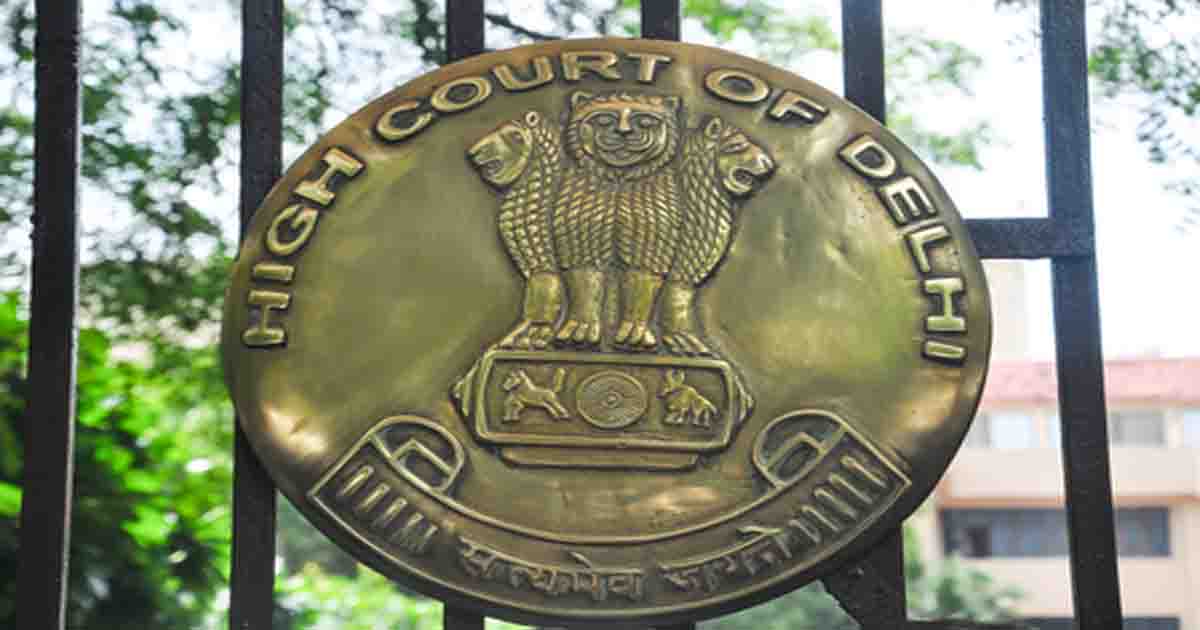
New Delhi, Oct 7: The Delhi High Court on Wednesday permitted a senior director of Vivo Mobile India to travel to Bangkok for four days for official meetings and directed suspension of the Look Out Circular (LOC) issued against him during the period.
A single-judge Bench of Justice Sachin Datta allowed Harinder Dahiya, the company’s Senior Director of Finance and Accounts, to travel to Thailand, from October 12 to 15 for official meetings concerning statutory audit matters, audit and control transformation, litigation, and business and finance strategy at Vivo India.
The High Court also permitted release of his passport and directed that the LOC against him will remain suspended during the four-day period.
Dahiya had challenged the March 19, 2026 order of the Patiala House Courts, which had rejected his plea seeking setting aside of the LOC, permission to travel abroad and release of his passport.
The Enforcement Directorate (ED) opposed the application, contending that Dahiya, as Director and Chief Financial Officer of Vivo India, had played a crucial role in the alleged siphoning of proceeds of crime stated to be around Rs 20,241 crore.
The federal anti-money laundering agency also said that the official meetings could be attended virtually and relied on another order of the High Court, by which the travel application of co-accused Guangwen Kuang alias Andrew Kuang was dismissed.
However, the Delhi High Court said the earlier order concerning Kuang did not assist the ED as it was based on his foreign nationality and the absence of an extradition treaty with China.
Dahiya, an Indian national travelling to Thailand, stood on a different footing, it said.
As part of the conditions, Dahiya has been directed to deposit original title documents of his immovable assets with the High Court Registry as security until his return and furnish his travel itinerary, flight details, address of stay and contact number in Thailand to the investigating officer and trial court.
He has also been directed to intimate the investigating officer and trial court within 24 hours of his return, re-deposit his passport within the same period and appear before the trial court on the next date fixed.
The High Court also directed that Dahiya will not contact any witness, tamper with evidence or do anything prejudicial to the proceedings.
The LOC will automatically revive after October 15.
The High Court clarified that its observations were confined to the present application and would not amount to an expression on the merits of the main case.
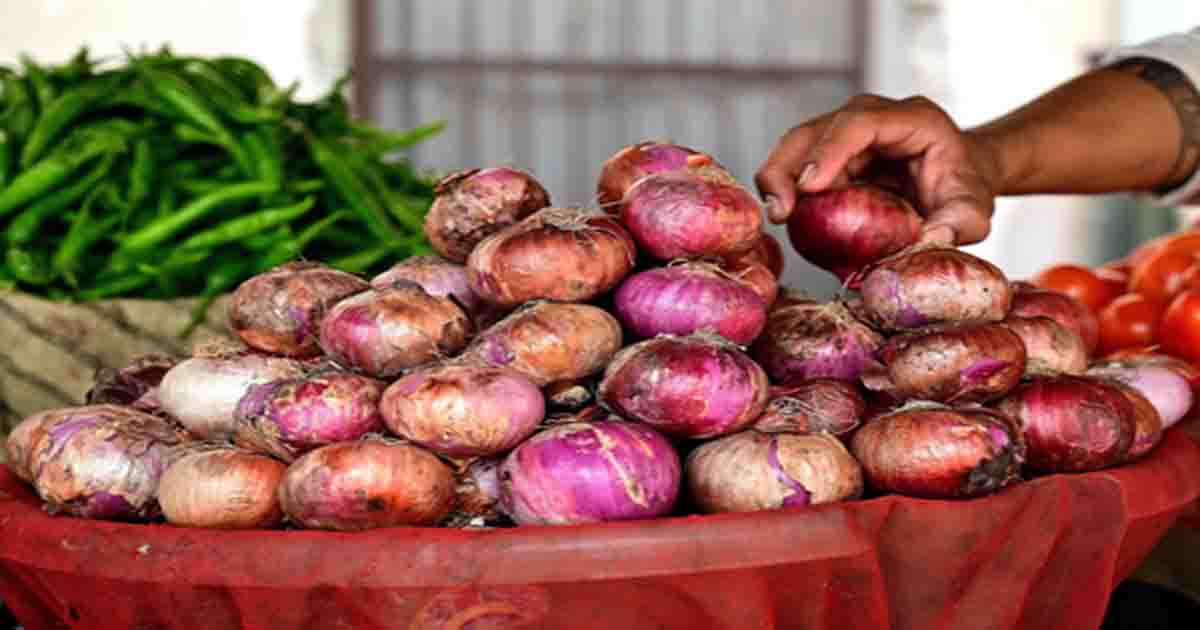
New Delhi, Oct 7: The outlook for onion availability has strengthened considerably with robust market arrivals and the commencement of fresh Kharif supplies, with the improving supply position already translating into a broad-based moderation in prices of the staple vegetable across mandis and major consumer markets, the Ministry of Consumer Affairs, Food & Public Distribution said on Wednesday.
The weighted average mandi price in Maharashtra has declined by nearly 13 per cent, from around Rs 4,030 per quintal on September 16 to about Rs 3,475 per quintal on October 3. The sustained moderation in mandi prices indicates that the increase in market arrivals is translating into improved supply conditions, a ministry statement said.
The easing trend is also visible across retail markets. As many as 126 cities have reported a decline of Rs 1–21 per kg in retail onion prices over the past two weeks, with moderation observed in major consuming states, it said.
Fresh Kharif onion arrivals have commenced from major producing states, including Karnataka, Andhra Pradesh, and Rajasthan, while availability from stored stocks continues to meet market demands. Arrivals from these producing regions are expected to increase further in the coming weeks, improving overall availability in the consuming markets during the upcoming festive season, the statement said.
The production outlook for the Kharif crop is encouraging. All-India Kharif onion acreage is estimated to be around 5 per cent higher than last year’s already strong level, with crop conditions remaining favourable across major producing regions. The rainfall outlook by IMD during the harvesting period also provides support to the crop, with no forecast of excessive rains in key Kharif onion regions in the coming weeks to facilitate harvesting, drying, and movement of onions and reduce the risk of moisture-related crop damage.
The government is also augmenting supplies to consuming centres through buffer stock release. As on date, the government has disposed off more than 2.0 lakh Quintals through 8 Kanda Express and 467 trucks across 123 cities and is planning to deploy additional rail rakes, enabling larger quantities of onions to reach high-consumption markets. These efforts are being further strengthened ahead of the festive season, with additional rail movements being planned to improve the speed and efficiency of supply distribution, the statement said.
The combination of fresh Kharif arrivals, availability from stored stocks and continued movement of buffer onions to consumption centres provides multiple channels of supply to the market. The government is maintaining close oversight of arrivals, stocks and price movements and is taking appropriate measures to facilitate orderly distribution and adequate availability wherever required, the statement added.

New Delhi, Oct 7: The Delhi High Court on Wednesday permitted a senior director of Vivo Mobile India to travel to Bangkok for four days for official meetings and directed suspension of the Look Out Circular (LOC) issued against him during the period.
A single-judge Bench of Justice Sachin Datta allowed Harinder Dahiya, the company’s Senior Director of Finance and Accounts, to travel to Thailand, from October 12 to 15 for official meetings concerning statutory audit matters, audit and control transformation, litigation, and business and finance strategy at Vivo India.
The High Court also permitted release of his passport and directed that the LOC against him will remain suspended during the four-day period.
Dahiya had challenged the March 19, 2026 order of the Patiala House Courts, which had rejected his plea seeking setting aside of the LOC, permission to travel abroad and release of his passport.
The Enforcement Directorate (ED) opposed the application, contending that Dahiya, as Director and Chief Financial Officer of Vivo India, had played a crucial role in the alleged siphoning of proceeds of crime stated to be around Rs 20,241 crore.
The federal anti-money laundering agency also said that the official meetings could be attended virtually and relied on another order of the High Court, by which the travel application of co-accused Guangwen Kuang alias Andrew Kuang was dismissed.
However, the Delhi High Court said the earlier order concerning Kuang did not assist the ED as it was based on his foreign nationality and the absence of an extradition treaty with China.
Dahiya, an Indian national travelling to Thailand, stood on a different footing, it said.
As part of the conditions, Dahiya has been directed to deposit original title documents of his immovable assets with the High Court Registry as security until his return and furnish his travel itinerary, flight details, address of stay and contact number in Thailand to the investigating officer and trial court.
He has also been directed to intimate the investigating officer and trial court within 24 hours of his return, re-deposit his passport within the same period and appear before the trial court on the next date fixed.
The High Court also directed that Dahiya will not contact any witness, tamper with evidence or do anything prejudicial to the proceedings.
The LOC will automatically revive after October 15.
The High Court clarified that its observations were confined to the present application and would not amount to an expression on the merits of the main case.

Delhi HC permits Vivo India executive to travel abroad, suspends LOC for four days

Onion prices dip as fresh crop flows into markets

‘My goal is to have 100 FIRs against me’: Rahul Gandhi swipe following FIR for Akashvani Bhavan protest

Delhi HC permits Vivo India executive to travel abroad, suspends LOC for four days

Cops detain INDIA bloc leaders heading to Jantar Mantar

Gift to President Putin part of PM Modi bid to globally display India’s heritage

PM Modi’s warm camaraderie with Putin, Xi on full display at BRICS Summit

Complaint against Netflix & Mukesh Chhabra for inappropriate language on ‘India’s Got Latent 2’

Maha Congress stages agitation against Gyanesh Kumar

INDIA bloc begins protest march against ECI
-

 Crime4 years ago
Class 10 student jumps to death in Jaipur
-

 Maharashtra2 years ago
Mumbai Local Train Update: Central Railway’s New Timetable Comes Into Effect; Check Full List Of Revised Timings & Stations
-

 Maharashtra2 years ago
Mumbai To Go Toll-Free Tonight! Maharashtra Govt Announces Complete Toll Waiver For Light Motor Vehicles At All 5 Entry Points Of City
-

 Maharashtra2 years ago
False photo of Imtiaz Jaleel’s rally, exposing the fooling conspiracy
-

 National News2 years ago
Ministry of Railways rolls out Special Drive 4.0 with focus on digitisation, cleanliness, inclusiveness and grievance redressal
-

 Maharashtra2 years ago
Maharashtra Elections 2024: Mumbai Metro & BEST Services Extended Till Midnight On Voting Day
-

 National News2 years ago
J&K: 4 Jawans Killed, 28 Injured After Bus Carrying BSF Personnel For Poll Duty Falls Into Gorge In Budgam; Terrifying Visuals Surface
-

 Crime2 years ago
Baba Siddique Murder: Mumbai Police Unable To Get Lawrence Bishnoi Custody Due To Home Ministry Order, Says Report