
Business
Onion prices dip as fresh crop flows into markets

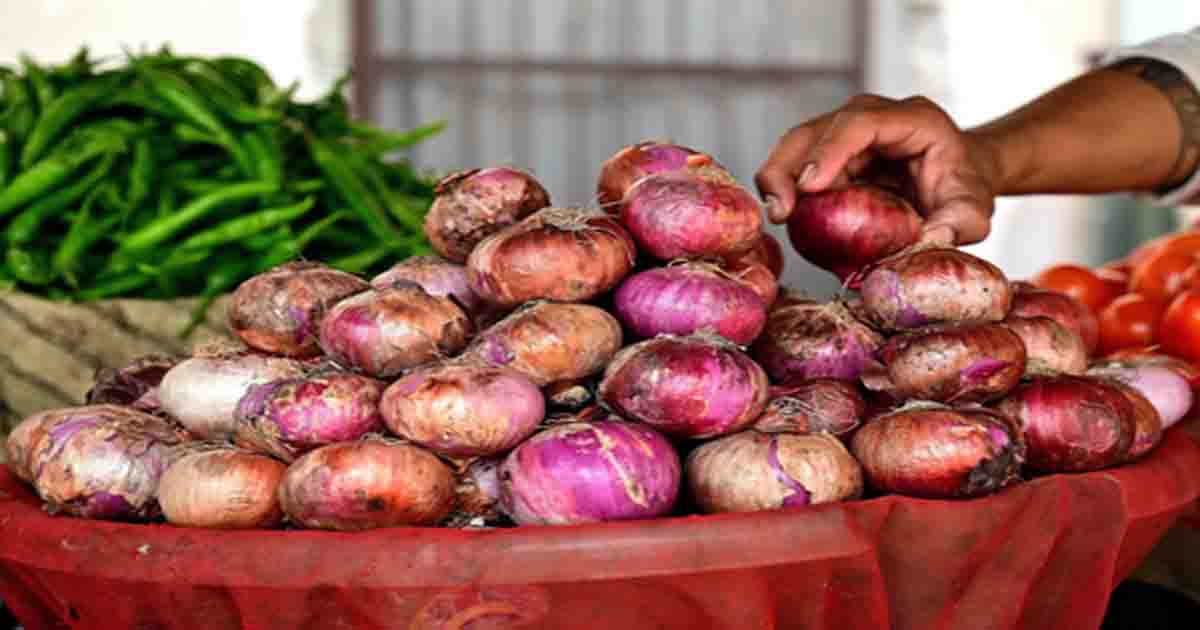
New Delhi, Oct 7: The outlook for onion availability has strengthened considerably with robust market arrivals and the commencement of fresh Kharif supplies, with the improving supply position already translating into a broad-based moderation in prices of the staple vegetable across mandis and major consumer markets, the Ministry of Consumer Affairs, Food & Public Distribution said on Wednesday.
The weighted average mandi price in Maharashtra has declined by nearly 13 per cent, from around Rs 4,030 per quintal on September 16 to about Rs 3,475 per quintal on October 3. The sustained moderation in mandi prices indicates that the increase in market arrivals is translating into improved supply conditions, a ministry statement said.
The easing trend is also visible across retail markets. As many as 126 cities have reported a decline of Rs 1–21 per kg in retail onion prices over the past two weeks, with moderation observed in major consuming states, it said.
Fresh Kharif onion arrivals have commenced from major producing states, including Karnataka, Andhra Pradesh, and Rajasthan, while availability from stored stocks continues to meet market demands. Arrivals from these producing regions are expected to increase further in the coming weeks, improving overall availability in the consuming markets during the upcoming festive season, the statement said.
The production outlook for the Kharif crop is encouraging. All-India Kharif onion acreage is estimated to be around 5 per cent higher than last year’s already strong level, with crop conditions remaining favourable across major producing regions. The rainfall outlook by IMD during the harvesting period also provides support to the crop, with no forecast of excessive rains in key Kharif onion regions in the coming weeks to facilitate harvesting, drying, and movement of onions and reduce the risk of moisture-related crop damage.
The government is also augmenting supplies to consuming centres through buffer stock release. As on date, the government has disposed off more than 2.0 lakh Quintals through 8 Kanda Express and 467 trucks across 123 cities and is planning to deploy additional rail rakes, enabling larger quantities of onions to reach high-consumption markets. These efforts are being further strengthened ahead of the festive season, with additional rail movements being planned to improve the speed and efficiency of supply distribution, the statement said.
The combination of fresh Kharif arrivals, availability from stored stocks and continued movement of buffer onions to consumption centres provides multiple channels of supply to the market. The government is maintaining close oversight of arrivals, stocks and price movements and is taking appropriate measures to facilitate orderly distribution and adequate availability wherever required, the statement added.


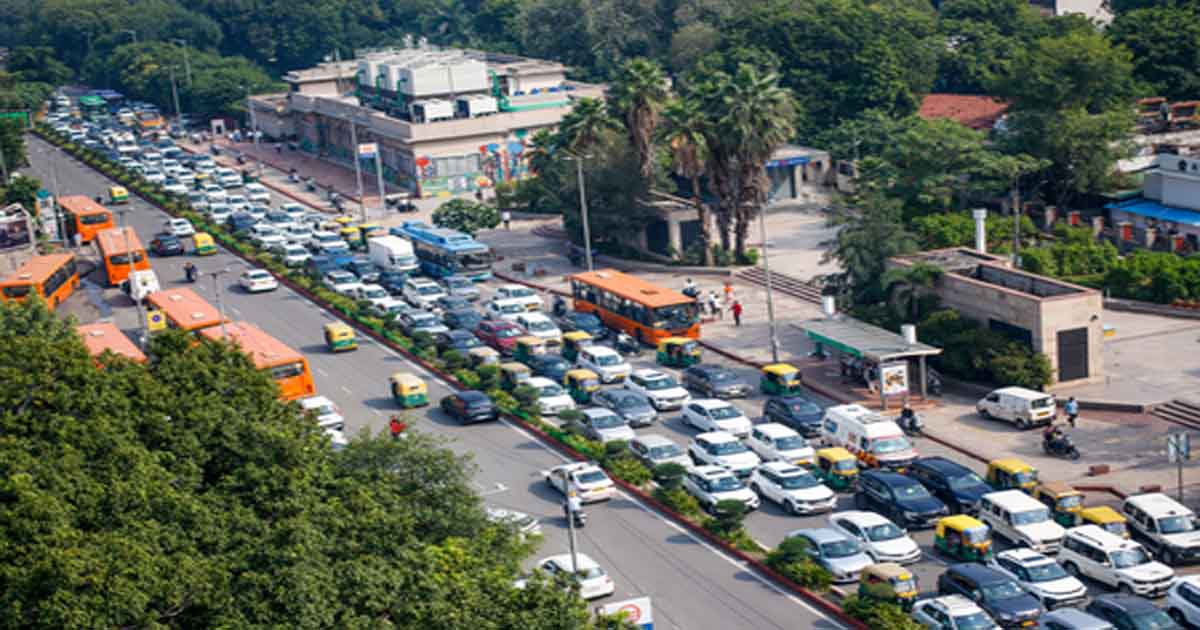
Maharashtra emerged as the largest market for passenger and commercial vehicles, while Uttar Pradesh led sales of two-wheelers and three-wheelers during the second quarter of FY27, according to data released by the Society of Indian Automobile Manufacturers (SIAM) on Wednesday.
As India recorded sales of 13.61 lakh passenger vehicles during the July-September quarter, the western region accounted for the highest volume at 4.29 lakh units.
Among states and Union Territories, Maharashtra led passenger vehicle sales with 1.65 lakh units during the quarter, followed by Uttar Pradesh, Gujarat, Tamil Nadu and Karnataka.
Meanwhile, two-wheeler sales stood at 64.33 lakh units in Q2 FY27 with the western zone contributing the highest volume at 21.13 lakh units.
Uttar Pradesh emerged as the country’s largest two-wheeler market with sales of 7.89 lakh units during the quarter. The state topped the three-wheeler segment with sales of 0.34 lakh units, followed by Gujarat, Karnataka, Bihar and Tamil Nadu.
However, Maharashtra ranked second, followed by Tamil Nadu, Gujarat and Karnataka.
According to the industry data, sales of three-wheelers reached 2.85 lakh units during the July-September period, with the southern zone leading regional demand at 0.96 lakh units.
Additionally, commercial vehicle sales totalled 3.09 lakh units in the second quarter, with the western zone accounting for the largest share at 1.13 lakh units.
Maharashtra recorded the highest commercial vehicle sales in the country at 0.46 lakh units during the quarter. Tamil Nadu, Gujarat, Uttar Pradesh and Karnataka followed among the leading markets for commercial vehicles.
Overall, sales across passenger vehicles, two-wheelers, three-wheelers and commercial vehicles totalled about 84 lakh units in Q2 FY27, according to the industry body’s state-wise vehicle sales data.
Separately, the Indian automobile industry clocked strong growth in October as passenger vehicles (PV) — which include cars and SUVs — shot past the 5 lakh mark for the first time in the month.
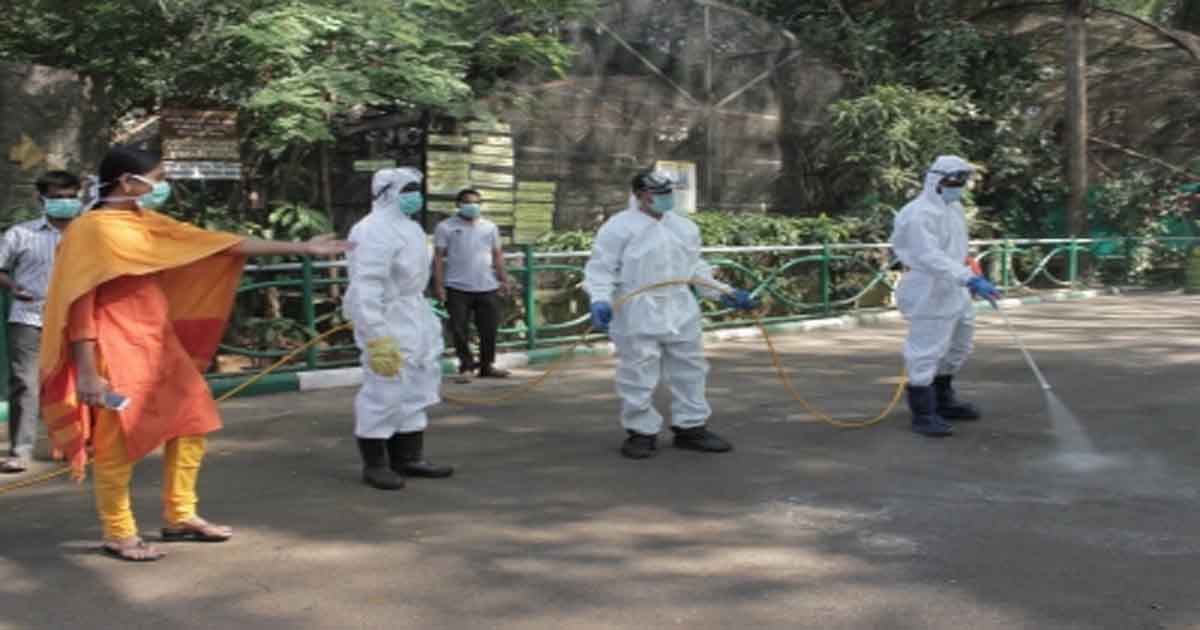
Agriculture Minister Shivraj Singh Chouhan is set to unveil India’s first indigenous ‘Inactivated H5N1’ avian influenza (bird flu) vaccine for chickens on November 20, an official statement said on Wednesday.
The highly pathogenic avian influenza vaccine for chickens, developed by ICAR-NIHSAD Bhopal, aims to provide protection against ‘Clade 2.3.2.1a H5N1’ virus strains circulating in the country.
At present, no specific commercial vaccine is available against the H5N1 virus of Clade 2.3.2.1a. Therefore, developing an indigenous vaccine is important for India.
Highly Pathogenic Avian Influenza (HPAI), commonly known as bird flu, is a serious disease affecting poultry.
Outbreaks can cause nearly 100 per cent mortality among infected birds, leading to major financial losses for poultry farmers due to the large-scale culling of birds and restrictions on trade.
The impact is not limited to poultry farms; it can also affect global trade, prices of poultry products, and the livelihoods of farmers. Since the first detection of the disease in India in 2006, more than 500 combined outbreaks of H5N1 and H5N8 subtypes have been reported in the country, according to Agriculture Ministry.
A major outbreak of bird flu could reduce India’s GDP growth by up to 1.5 per cent, while more than 20 per cent of the country’s poultry population could be at risk if the disease spreads without control.
The 2006 bird flu outbreak caused estimated direct and indirect losses of Rs 2,200–3,000 crore. An outbreak in Manipur also resulted in losses equivalent to 0.5 per cent of the state’s GDP.
The disease is also a public health concern. According to the World Health Organization (WHO), 1,003 human cases of H5N1 avian influenza, including 479 deaths, have been reported across 25 countries, including India, since 2003.
Studies have shown that the H5N1 strain known as Clade 2.3.2.1a has been responsible for most bird flu outbreaks in chickens.
In recent times, infections caused by this strain have also been detected in different animal species, including mammals, along with three human cases.
This makes it important to control the spread of this virus to reduce financial losses for poultry farmers and prevent its transmission from chickens to other animals and humans, said the statement.
Nvidia’s board has no plans to reinstate former Chief Executive Officer Jensen Huang despite his willingness to return to the role, according to the company’s chairman.
“The Nvidia board unanimously accepted his resignation and does not intend to reinstate Jensen as CEO,” Chairman Harvey Jones said during the company’s earnings call.
Jones said the board was focused on finding a successor capable of steering the company through a rapidly evolving technology and geopolitical landscape.
“The board appreciates that we are living in a world where advanced silicon technologies and national security dynamics are making major changes in our marketplace,” he said.
“Our new CEO will have to navigate those waters very carefully,” Jones said.
The chairman said the company intends to appoint a new chief executive as quickly as possible but would not rush the process.
“But we won’t expedite the CEO before finding exactly the right person,” he said.
These statements came hours after Huang signalled that he would be willing to return if the board believed it was in the best interests of shareholders, employees and the company.
In a social media post, Huang said he would be honoured to return should the board seek his reinstatement.
Notably, the former CEO acknowledged making serious mistakes in his personal life and said he had received strong support from employees, investors, business partners and customers.
Huang resigned after reports emerged linking him to extramarital relationships, including one involving a Chinese businesswoman alleged to have ties to Beijing’s intelligence apparatus and another involving a senior executive who reported directly to him.
In addition, Nvidia continues to post strong financial results, underscoring its dominant position in the artificial intelligence (AI) boom.
The company reported quarterly revenue of more than $115.8 billion, more than double the level recorded a year earlier.
The company’s data centre revenues came in at $107.6 billion. Meanwhile, the board approved a boost of $150 billion share buyback.
Apart from that, the company has estimated Q4 revenue at $130 billion.

Rohit Pawar writes to HM Amit Shah and LoP Rahul Gandhi demanding independent probe into Ajit Pawar’s death

Bihar: 38 people arrested in multi-state cybercrime crackdown

‘Rahul Gandhi has developed headline phobia, defaming India to stay in news’: Anurag Thakur

Eknath Shinde clarifies Balasaheb Thackeray’s photo was not torn, defends tearing up of Sonia Gandhi’s book over Savarkar insult

Sharad Kapoor expresses wish to work with Rohit Shetty, reunite with Mansoor Khan after ‘Josh’

Congress trying to protect 3 crore Bangladeshi infiltrators in voter list: HM Shah

Red Fort car blast probe exposes blueprint for spread of terror modules across India

Trump flags Iran targets as talks continue

‘Conspiracy, not accident’: NCP on Ajit Pawar death

Class 12 student dies after setting herself on fire at Delhi school; police probe on
-

 Crime4 years ago
Class 10 student jumps to death in Jaipur
-

 Maharashtra2 years ago
Mumbai Local Train Update: Central Railway’s New Timetable Comes Into Effect; Check Full List Of Revised Timings & Stations
-

 Maharashtra2 years ago
Mumbai To Go Toll-Free Tonight! Maharashtra Govt Announces Complete Toll Waiver For Light Motor Vehicles At All 5 Entry Points Of City
-

 Maharashtra2 years ago
False photo of Imtiaz Jaleel’s rally, exposing the fooling conspiracy
-

 National News2 years ago
Ministry of Railways rolls out Special Drive 4.0 with focus on digitisation, cleanliness, inclusiveness and grievance redressal
-

 Maharashtra2 years ago
Maharashtra Elections 2024: Mumbai Metro & BEST Services Extended Till Midnight On Voting Day
-

 National News2 years ago
J&K: 4 Jawans Killed, 28 Injured After Bus Carrying BSF Personnel For Poll Duty Falls Into Gorge In Budgam; Terrifying Visuals Surface
-

 Crime2 years ago
Baba Siddique Murder: Mumbai Police Unable To Get Lawrence Bishnoi Custody Due To Home Ministry Order, Says Report