
International News
Amid continued protests, SL Prez appoints new cabinet sans Rajapaksas

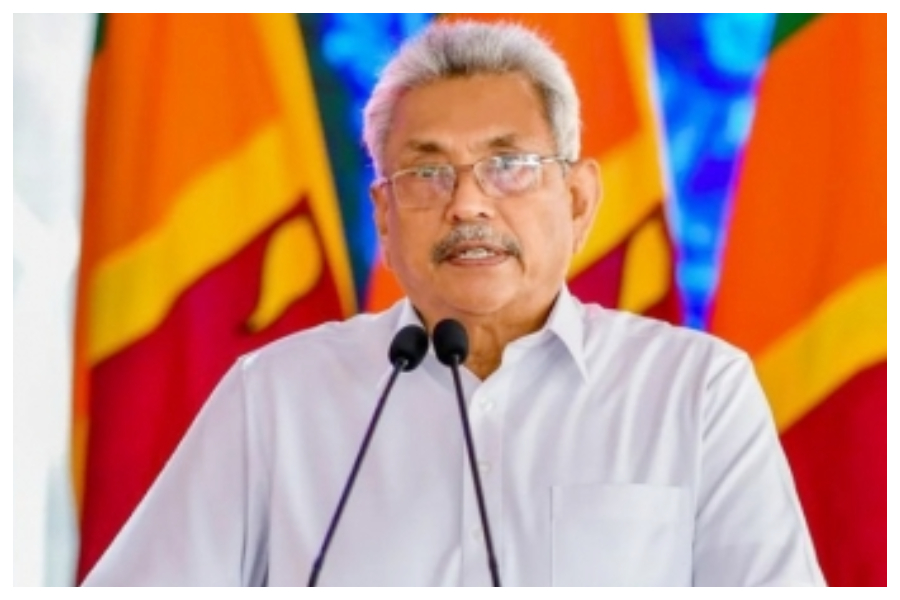
Amid the growing public agitation with protest continuing for the ninth day occupying the entrance to his office, President Gotabaya Rajapaksa appointed a new cabinet on Monday.
The President appointed a 17-member cabinet, dropping most of the old and senior MPs who were in the previous cabinet. No Rajapaksa family member was included to the new cabinet in contrast to five Rajapaksas, including Prime Minister Mahinda Rajapaksa, his son, Namal, young brother Basil and elder brother Chamal and his son Shashindara who held important ministries in the previous cabinet.
Amid major financial crisis without some of the basic needs such as fuel, electricity, food and medicine, Sri Lanka has been in agitation since March 31. A major protest started on April 2 blocking the entrance to the President’s office at the iconic city square facing the Indian Ocean continued for the ninth day and President Rajapaksa was forced to relocate his office. The apolitical protests demand all Rajapaksas, including the President and Prime Minister, to step down.
As anti-government protests spread defying curfew and social media ban on April 3, the former cabinet with 26-ministers en masse resigned from their positions.
With shortages in forex reserves, Sri Lanka has been unable to pay for almost all imports, including fuel for power generation leading to hours-long daily power cuts and major breakdown in the transport system.
On Tuesday (April 12) to save remaining foreign reserves for emergency supplies, Colombo announced that it would stop external debt payments pending a bailout package from the International Monetary Fund (IMF). On Sunday, a team including the Finance Minister left for the IMF to secure at least $4 billion to import essentials and pay creditors.
Since January India has helped Sri Lanka with nearly $ 2.5 billion financial assistance in food, fuel and medicines. According to reports, the Indian ocean island nation has requested for further $2 billion from its immediate neighbour, to which New Delhi has responded positively.

International News
All rhetoric, no action: Saudi Arabia realises Pakistan not dependable security partner

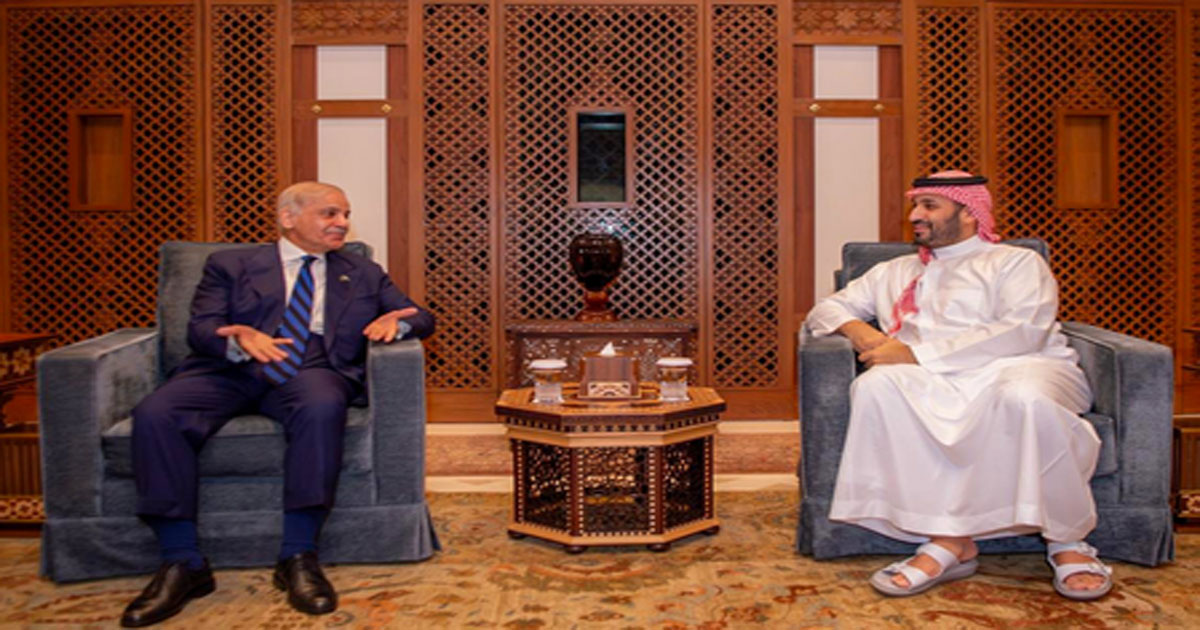
Islamabad, March 19: Pakistan’s response to the ongoing conflict in West Asia has sparked concerns about the strength and credibility of the Saudi–Pakistan Strategic Military Defence Agreement. Recent events involving Iran, Saudi Arabia and Pakistan have revealed cracks in ties long projected as strategic and reliable.
“The agreement, first signed with much fanfare, was framed as a partnership in which both nations would support each other in the event of external threats. Analysts at the time likened it to a NATO-style alliance, with the principle that aggression against one would be considered aggression against both. The pact was presented as a symbol of brotherhood and strategic alignment between a wealthy Gulf state and its South Asian partner, with Islamabad positioning itself as a reliable provider of security support,” a report in South Africa’s ‘The Star’ stated.
“Fast forward to 28 February 2026, when coordinated strikes attributed to United States and Israel targeted Iranian military and political infrastructure. Tehran responded with retaliatory strikes targetting Gulf states, including Saudi Arabia. In theory, this should have been a moment when Pakistan’s commitment under the defence pact was tested. Yet, Pakistan has not made any visible military contribution, prompting observers to question its role as a dependable partner,” it added.
Pakistan, instead of projecting force in support of Saudi Arabia, has remained focused on its conflict with Afghanistan. The recent escalation of tensions has allowed Pakistan to effectively sidestep the more immediate obligations that the agreement with Saudi Arabia might suggest. Analysts have contended that Pakistan’s calculated restraint demonstrates domestic constraints and a broader reassessment of what it is willing to commit in international military partnerships.
The current situation showcases a difference between rhetoric and action. For years, Pakistan has projected itself as a strategic anchor for Saudi Arabia’s security, however, at the time of demand, the alliance seems less robust than previously suggested. For Saudi Arabia, this gap between expectation and action is likely disconcerting, the report highlighted.
“The kingdom invested significant diplomatic and strategic capital in framing the SMDA as a serious and binding commitment. For years, Saudi officials have cited the pact as evidence of Islamabad’s reliability and as a hedge against regional threats. The present crisis, however, suggests that when tested under real conditions, Pakistan’s support may be more symbolic than operational. The implications of Pakistan’s cautious posture are complex.
“Firstly, it could affect Saudi Arabia’s calculations in the West Asia, particularly regarding defence partnerships and dependence on regional allies. Saudi Arabia may now consider alternative arrangements or to deepen cooperation with other partners, including Western states, to compensate for gaps observed in Pakistan’s commitment. Secondly, credibility of Pakistan in regional diplomacy could be tested. Other nations observing the agreement’s implementation may question on whether they should trust Pakistan for future crisis, impacting its strategic leverage and its standing as a regional actor,” The Star report stated.
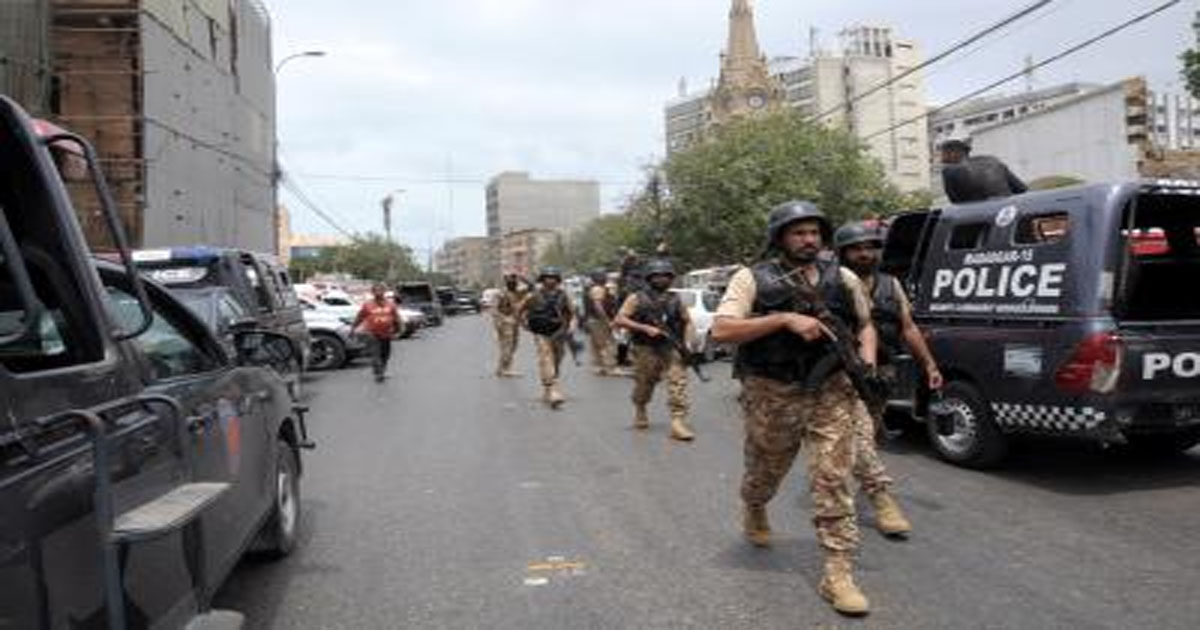
Islamabad, March 19: An assistant sub-inspector of the Elite Force was shot dead by unknown gunmen in Mano Banda area of Gandigar in Upper Dir district of Pakistan’s Khyber Pakhtunkhwa province, local media reported on Thursday, citing police.
Bacha Yousaf Khan was targetted by assailants outside his residence. He was immediately rushed to the hospital, where he succumbed to his injuries. According to police sources, Khan was heading to mosque to offer prayers when he was targeted, Pakistan’s leading daily Dawn reported.
After the incident, a heavy contingent of police reached the site, cordoned off the area and started a search operation to find the attackers. The Gandigar police lodged a case against unknown assailants and began a probe. So far, no group has claimed responsibility for the attack.
Last week, at least six police personnel were killed and one injured in a blast near a police vehicle in the Bettani tribal of Lakki Marwat district in Khyber Pakhtunkhwa province. According to a spokesperson of the local police, the explosion took place near a police mobile, causing death of six police personnel and injuries to one policeman, Pakistan’s leading media outlet Geo News reported.
On March 8, a senior officer of the Counter Terrorism Department (CTD) was killed after unidentified assailants opened fire at him in the Killi Ismail area of Pakistan’s Quetta, local media reported.
Police said Inspector Metha Khan, who recently joined CTD, was shot by armed men when he was passing through the Killi Ismail area on March 8, Dawn reported. A senior police that the CTD officer died on the spot after the armed men on motorcycles opened fire at him. The official further said that the gunmen escaped from the spot following the incident.
Meanwhile, a report released by an Islamabad-based think tank revealed that combat-related deaths in Pakistan increased by 30 per cent in February, caused due to a rise in suicide attacks across the country.
A report by the Pakistan Institute for Conflict and Security Studies (PICSS) revealed that 470 deaths and 333 injuries were documented in February. The victims include 96 civilians, 80 security forces personnel and 294 militants. The number of injured included 259 civilians, 50 security forces personnel and 24 militants, Dawn reported.
The figure showcase a 74 per cent rise in the deaths of security forces personnel, a 32 per cent increase in civilian deaths and 21 per cent surge in militant deaths in comparison to January.
As many as 53 security forces personnel and six civilians were killed while 35 security personnel and 48 civilians were injured in Khyber Pakhtunkhwa in February. Three suicide bombing incidents took place in Khyber Pakhtunkhwa, which claimed 17 lives, including that of 14 security forces personnel and injured 20 people.
As many as 34 people were killed and 165 others were injured in a suicide bombing incident in Islamabad. Furthermore, two police personnel were killed and four others were injured in a suicide bombing in the Bhakkar district of Punjab province, Dawn reported. The eight suicide attacks reported in January and February in this year are nearly half the total for all of 2025, when 17 such incidents were reported.
According to the data released by PICSS, the first two months of 2026 witnessed 831 combat-related deaths, including 536 militants, 169 civilians and 126 security forces personnel.
New Delhi, March 19: Pakistan has limited petroleum reserves, with crude oil stocks sufficient for just 11 days, raising concerns over energy security amid disruptions caused by the ongoing Middle East conflict, a report has said.
Briefing the Senate Standing Committee on Petroleum, the secretary petroleum said the country currently has diesel reserves for 21 days, petrol for 27 days, liquefied petroleum gas (LPG) for nine days and jet fuel for 14 days, according to a report in The Express Tribune.
Nearly 70 per cent of Pakistan’s petroleum imports come from the Middle East, and the ongoing conflict has disrupted key shipping routes and supply chains, the official said.
Pakistan is in talks with Iran to secure permission for oil shipments through the Strait of Hormuz, which could allow four vessels to transport crude cargoes if approved.
Officials also warned of a potential gas crisis, with the country likely to face a severe shortage after April 14 due to disruptions in liquefied natural gas (LNG) supplies.
Of the eight LNG cargoes expected in March, only two reached Pakistan, while several shipments scheduled for April may also be affected.
The report also said that the conflict has also led to a sharp rise in global oil prices, with high-speed diesel prices increasing significantly and petrol costs also witnessing a steep jump. Shipment timelines have been impacted as well, with deliveries via the Red Sea now taking nearly 12 days compared to the usual four to five days, it said.
Moreover, authorities are considering measures to prioritise gas supply for domestic consumers, while reducing supply to industries and commercial users to manage shortages.
In a relief measure, the government has decided to provide a subsidy of Rs 23 billion to around 30 million motorcycle and rickshaw owners, funded through savings from austerity measures.
Meanwhile, the government has initiated daily reviews of petroleum stocks to closely monitor the situation.
“The country currently has adequate fuel availability for March, with arrangements in place to ensure supplies through mid-April,” according to officials.

All rhetoric, no action: Saudi Arabia realises Pakistan not dependable security partner

Mumbai Accident: Elderly Woman Hit By Garbage Truck Near Shitladevi Metro Station In Mahim; Suffers Heavy Blood Loss

India’s power plants well stocked with coal as PSUs step up production

India’s Rs 5 trillion gold hoard fuels boom in fast-growing gold loan market, draws global investors

Mumbai Local: 395 Without Tickets Fined At Ghatkopar During Evening Peak Hours, Central Railways Collects Over ₹1 Lakh Fine

Married Mumbai Woman Mocked In Andheri Society Over ‘Lift Kissing’ CCTV Video, Files Police Complaint

Mumbai: JBCN International School In Borivali Gets Bomb Threat, Search Reveals Hoax, Students Safe

Former Arsenal Star Mesut Ozil’s Convoy Gets Involved In Road Accident During Bangladesh Visit

Gold and silver surge on safe haven demand, margin cut

Mumbai Crime Branch Issues LOC Against Lawrence Bishnoi Aide Harry Boxer For Threatening Actor Ranveer Singh
-

 Crime4 years ago
Class 10 student jumps to death in Jaipur
-

 Maharashtra1 year ago
Mumbai Local Train Update: Central Railway’s New Timetable Comes Into Effect; Check Full List Of Revised Timings & Stations
-

 Maharashtra1 year ago
Mumbai To Go Toll-Free Tonight! Maharashtra Govt Announces Complete Toll Waiver For Light Motor Vehicles At All 5 Entry Points Of City
-

 Maharashtra1 year ago
False photo of Imtiaz Jaleel’s rally, exposing the fooling conspiracy
-

 National News1 year ago
Ministry of Railways rolls out Special Drive 4.0 with focus on digitisation, cleanliness, inclusiveness and grievance redressal
-

 Maharashtra1 year ago
Maharashtra Elections 2024: Mumbai Metro & BEST Services Extended Till Midnight On Voting Day
-

 National News1 year ago
J&K: 4 Jawans Killed, 28 Injured After Bus Carrying BSF Personnel For Poll Duty Falls Into Gorge In Budgam; Terrifying Visuals Surface
-

 Crime1 year ago
Baba Siddique Murder: Mumbai Police Unable To Get Lawrence Bishnoi Custody Due To Home Ministry Order, Says Report