
Business
Fuel prices hit fresh record high, increase for 6th straight day


Petrol and diesel prices rose again on Sunday for the sixth consecutive day, hitting a fresh record high.
In the national capital, petrol price rose by 30 paise per litre and diesel was hiked by 35 paise per litre. The prices of petrol and diesel have crossed the Rs 100 per litre mark in many states, pinching the common man’s pocket.
In Delhi, petrol is retailing at Rs 104.14 per litre and diesel is available at Rs 92.82 per litre after the latest price revision. On the other hand, in India’s financial capital, Mumbai, petrol became costlier by 29 paise per litre and its rate stands at Rs 110.12 per litre, the highest across all four metro cities. Diesel costs Rs 100.66 for one litre in Mumbai, a hike of 37 paise.
There has been a constant rise in the prices of petrol and diesel for the past six days and the rates are soaring all-time high. The prices of petrol and diesel remained steady on October 4, 2021 but saw a daily hike after that.
Diesel prices have now increased on 14 out of the last 17 days taking up its retail price by Rs 4.20 per litre in Delhi. The price of diesel earlier increased by 20-30 paise per litre but since Wednesday it has been increasing by 35 paise per litre.
With diesel price rising sharply, the fuel is now available at over Rs 100 a litre in several parts of the country. This dubious distinction was earlier with petrol that had crossed Rs 100 a litre mark across the country a few months earlier.
Petrol prices had maintained stability since September 5 but oil companies finally raised its pump prices since last week given a spurt in the crude prices lately. Petrol prices have also risen on 11 of the previous 13 days taking up its pump price by Rs 2.95 per litre.
OMCs had preferred to maintain their watch on prices on global oil situation before making any revision in prices. This is the reason why petrol prices were not revised for the last three weeks. But extreme volatility in global oil price movement has now pushed OMCs to effect the increase.
Across the country as well petrol and diesel prices increased by 30-40 paise per litre but their retail rates varied depending on the level of local taxes in the state.
Fuel prices in the country have been hovering at record levels on account of 41 increases in its retail rates since April this year. It fell on few occasions but largely remained stable.
Crude price has been on a surge, rising over three year high level of over $82 a barrel now. Since September 5, when both petrol and diesel prices were revised, the price of petrol and diesel in the international market is higher by around $9-10 per barrel as compared to average prices during August.
Under the pricing formula adopted by oil companies, rates of petrol and diesel are to be reviewed and revised by them on a daily basis. The new prices becomes effective from morning at 6 a.m.
The daily review and revision of prices is based on the average price of benchmark fuel in the international market in the preceding 15-days, and foreign exchange rates.



Business
IndiGo Crisis Day 8: Mumbai Hit Hard As Flight Chaos Enters Day 8; Over 30 Cancellations Snarl City’s Air Travel

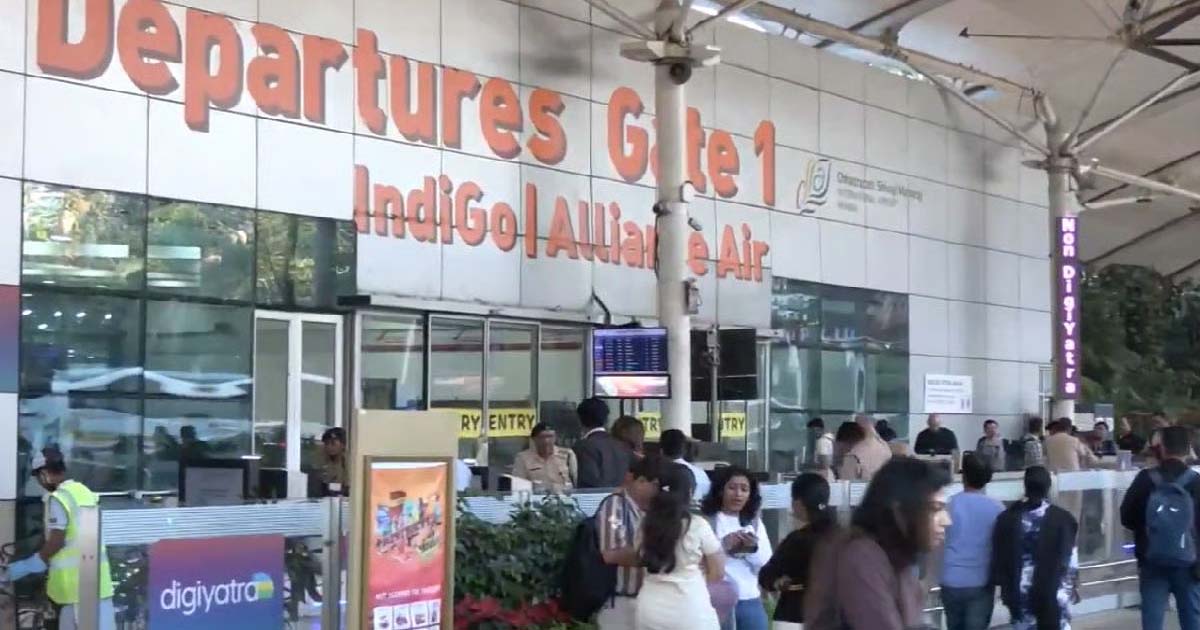
Mumbai: air travel operations remained disrupted on Tuesday as IndiGo’s nationwide aviation crisis stretched into its eighth consecutive day, causing large-scale cancellations and commuter chaos across the country. But Mumbai, one of IndiGo’s busiest and most critical hubs, continued to bear a brunt of the meltdown, with passengers facing uncertain schedules and repeated last-minute cancellations.
By 9:30 am, Chhatrapati Shivaji Maharaj International Airport had already logged 31 IndiGo cancellations, including 14 inbound flights and 17 outbound departures. Long queues, anxious passengers and repeated rescheduling announcements dominated Terminal 2 through the morning peak hours, leaving thousands scrambling to adjust their plans.
Across India, more than 200 IndiGo flights were cancelled today. Bengaluru topped the list with 121 cancellations, followed by Hyderabad (58), Chennai (41) and Kerala with four. But for Mumbai passengers, many of whom rely on IndiGo for frequent business and leisure travel, the interruptions continued to be especially disruptive.
The turmoil, which began last Tuesday, has snowballed into a full-blown operational crisis. Over 4,500 flights have been cancelled between last week and Monday. Even though IndiGo claimed on Sunday that operations were ‘stabilising,’ the airline saw over 500 fresh cancellations on Monday alone, leaving passengers stranded overnight at multiple airports, including Mumbai.
The root of IndiGo’s meltdown has been linked to the airline’s inability to implement the second phase of India’s updated Flight Duty Time Limitations (FDTL), which came into effect in November. The revised norms, aimed at cutting pilot fatigue and extending rest periods, required IndiGo to restructure crew rosters. However, the airline has reportedly been struggling with a pilot shortage, leading to a mismatch between the new regulations and its available manpower.
To reduce pressure on airlines and mitigate the ongoing disruption, aviation regulator DGCA temporarily relaxed certain night-duty and weekly rest requirements for pilots. This relaxation is expected to help airlines stabilise operations through emergency rostering flexibility.
Civil Aviation Minister Ram Mohan Naidu told Parliament that IndiGo did not raise any concerns during a crucial meeting on December 1, just a day before the cancellations spiralled. He attributed the chaos to the airline’s internal system rather than regulatory pressure.
The government has now decided to sharply cut IndiGo’s winter schedule. The airline, which operates 2,200 flights a day and commands nearly 60 per cent of the domestic market, will see its schedule curtailed, with several routes handed to other carriers to prevent further passenger inconvenience.
Mumbai, Dec 9: Shares of leading Indian rice companies fell sharply on Tuesday, after US President Donald Trump hinted that he may impose fresh tariffs on agricultural imports, specifically targeting Indian rice and Canadian fertilisers.
The statement triggered immediate selling in stocks linked to the rice trade. LT Foods was the biggest loser, with its share price slipping 6.85 per cent to Rs 366.55.
Shares of KRBL also declined, falling 1.14 per cent, while GRM Overseas dropped 4.46 per cent.
The sudden slide reflected investor concerns that any new US tariffs could hurt export demand and impact earnings for these companies.
Trump made his remarks during a White House event where he announced new support measures for US farmers.
His comments come at a time when trade tensions between the United States and India continue to resurface.
India remains the world’s largest rice producer, with an output of 150 million tonnes and a 28 per cent share in global production.
It is also the top exporter, accounting for 30.3 per cent of global rice exports in 2024–2025, data from the Indian Rice Exporters Federation showed.
Despite this large global presence, India’s rice exports to the US are relatively small.
According to the India Brand Equity Foundation, India shipped around 234,000 tonnes of rice to the US in the 2024 financial year, which is less than 5 per cent of its total global basmati exports of 5.24 million tonnes.
West Asian countries remain the biggest buyers of Indian rice. Among the varieties exported worldwide, the Sona Masoori variety is especially popular in markets like the US and Australia.
The US, under Trump’s leadership, has already imposed steep tariffs on India, including a 50 per cent tariff — its highest — along with a 25 per cent levy on India’s Russian oil imports.
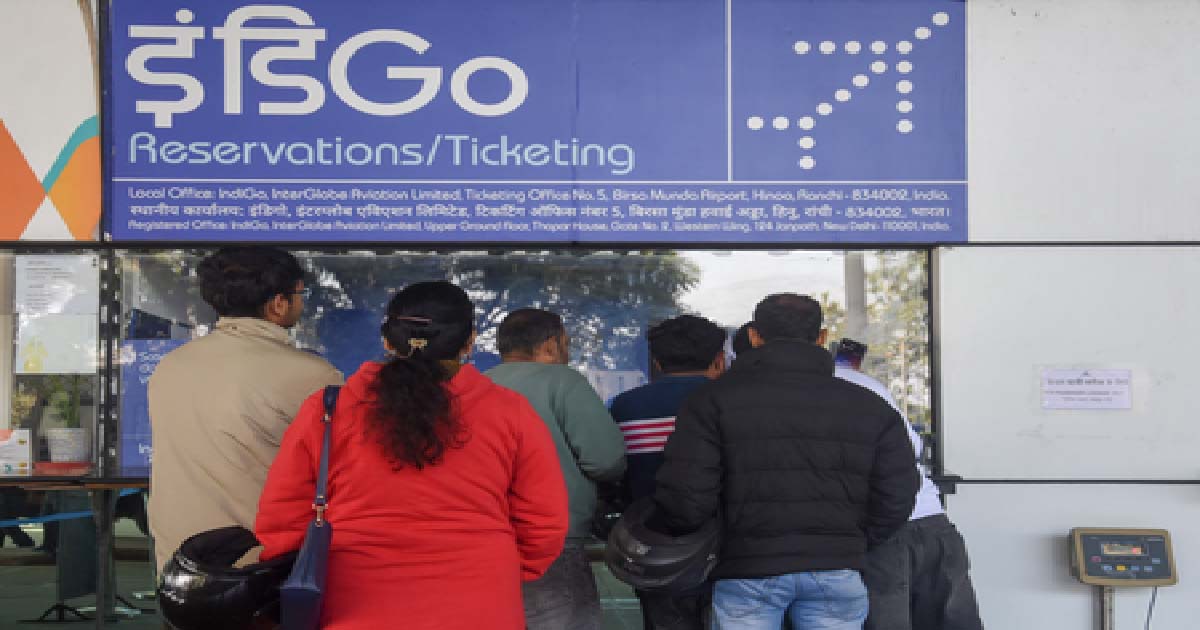
New Delhi, Dec 8: Widespread flight disruptions at IndiGo are credit negative, and refunds and compensation could cause it “significant financial damage”, credit rating agency Moody’s warned on Monday.
In a note, Moody’s said that regulatory penalties from the Directorate General of Civil Aviation (DGCA) remain possible as the airline failed to plan for aviation rules communicated over a year earlier.
The crisis struck as the airlines entered their peak winter schedule, with “significant lapses in planning, oversight and resource management” as the Phase 2 of the Flight Duty Time Limitation (FDTL) rules were introduced on November 1, 2025, after being communicated more than a year earlier, it noted.
The rules reclassified midnight–6 a.m. duties as night duty and cut permissible landings in 24 hours from six to two or three. The agency said that IndiGo’s lean operating model lacked resilience to integrate the change, forcing a system‑wide schedule reset.
Over 1,600 flights were cancelled on December 5, and over 1,200 were grounded in November, with cancellations beginning on December 2. Moody’s said IndiGo is yet to fully restore normal operations.
IndiGo said it was set to operate over 1,800 flights on Monday, up from 1,650 on Sunday, adding that more than 4,500 bags have been delivered to respective customers, and “we are on track to deliver the rest in the next 36 hours”.
The airline said it expects a return to full schedules by mid-December, adding that it is working “round the clock” to normalise operations.
It has so far refunded Rs 827 crore to affected passengers, and the rest is under process for cancellations up to December 15.
Union Civil Aviation Minister K. Rammohan Naidu said in the Parliament on Monday that the government has initiated a thorough inquiry into the matter.
“IndiGo was supposed to manage the crew and roster…We will take strict action. We will set an example for every airline. If there is any non-compliance, we will take action,” he said on the floor of the Rajya Sabha.

Maharashtra: Opposition Leaders Stage Protest Against State Govt’s Continued Neglect Of Farmers

Maha govt receives 719 complaints over alleged use of fake disability certificates

IndiGo Crisis Day 8: Mumbai Hit Hard As Flight Chaos Enters Day 8; Over 30 Cancellations Snarl City’s Air Travel

LT Foods drops over 6.5 pc, other Indian rice stocks also slide

Mumbai: Man Arrested At Airport For Derogatory Social Media Posts On Bhagavad Gita & Women

Kalyan College Namaz Controversy: SIO Demands Action Against Perpetrators

A powerful explosion near Delhi’s Red Fort… High alert across Delhi after the blast; 8 people killed; forensic team arrives at the scene.

Dharmendra’s Fan, An Auto-Rickshaw Driver, Breaks Down Outside Actor’s Mumbai Home After His Discharge, Says ‘Admired Him Since Childhood

SS Rajamouli Faces FIR For ‘Hurting’ Religious Sentiments Over Controversial Lord Hanuman Remark At Varanasi Event In Hyderabad

Mumbai Local Train Update: Megablock On Central, Harbour, Trans-Harbour & Western Railway Lines On Nov 16; Check Details
-

 Crime3 years ago
Class 10 student jumps to death in Jaipur
-
 Maharashtra1 year ago
Mumbai Local Train Update: Central Railway’s New Timetable Comes Into Effect; Check Full List Of Revised Timings & Stations
-
 Maharashtra1 year ago
Mumbai To Go Toll-Free Tonight! Maharashtra Govt Announces Complete Toll Waiver For Light Motor Vehicles At All 5 Entry Points Of City
-
 Maharashtra1 year ago
False photo of Imtiaz Jaleel’s rally, exposing the fooling conspiracy
-
 National News1 year ago
Ministry of Railways rolls out Special Drive 4.0 with focus on digitisation, cleanliness, inclusiveness and grievance redressal
-
 Maharashtra1 year ago
Maharashtra Elections 2024: Mumbai Metro & BEST Services Extended Till Midnight On Voting Day
-

 National News1 year ago
J&K: 4 Jawans Killed, 28 Injured After Bus Carrying BSF Personnel For Poll Duty Falls Into Gorge In Budgam; Terrifying Visuals Surface
-
 Crime1 year ago
Baba Siddique Murder: Mumbai Police Unable To Get Lawrence Bishnoi Custody Due To Home Ministry Order, Says Report