
National News
Supreme Court Refuses To Grant Marriage Equality Rights To LGBTQIA+ Community In India

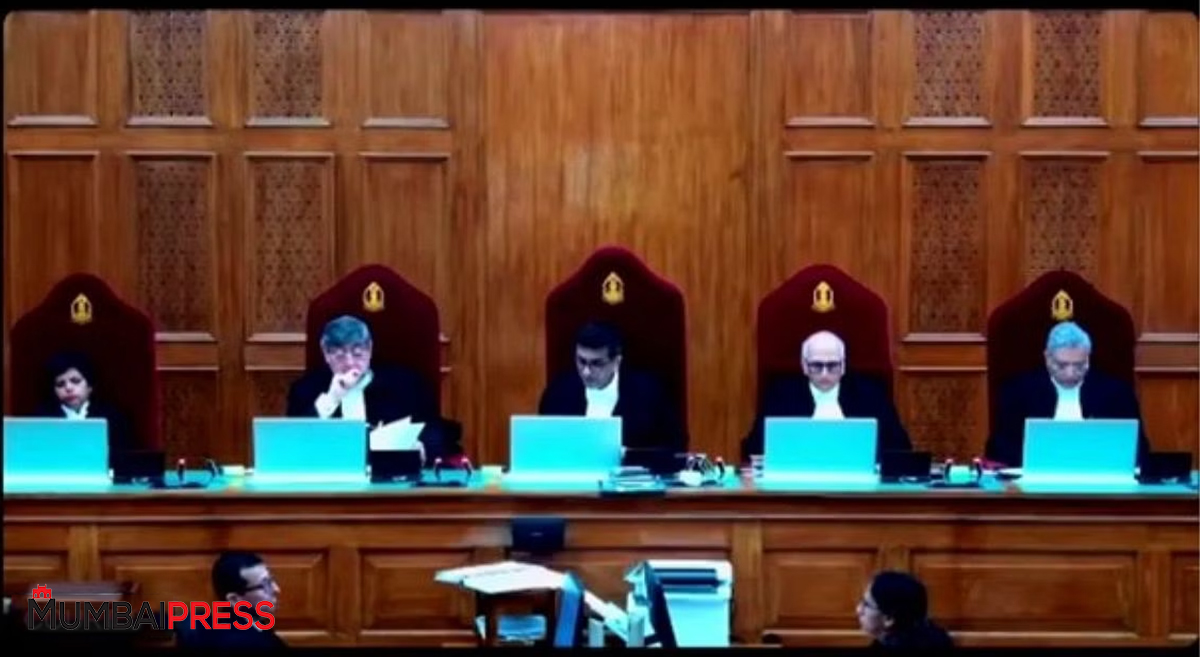
New Delhi: A five-judge Constitution bench of the Supreme Court on Tuesday refused to grant legal recognition to same-sex marriages.
Chief Justice of India D Y Chandrachud, who was heading the bench pronouncing its verdict on 21 pleas seeking legal validation for same-sex marriages, said the court can’t make law but only interpret it and it is for Parliament to change the Special Marriage Act. At the outset, Justice Chandrachud said there are four judgments — by himself, Justices Sanjay Kishan Kaul, S Ravindra Bhat and P S Narasimha — in the matter. Justice Hima Kohli is also a part of the five-judge bench.
Directing the Centre, states and Union Territories (UTs) to ensure the queer community is not discriminated against, the CJI, who is heading the constitution bench, said queer is a natural phenomenon known for ages and is neither urban nor elitist.
Justice Kaul said he agrees with the CJI on grant of certain rights to queer couples.
“Non-heterosexual and heterosexual unions must be seen as both sides of same coin,” he said, adding that legal recognition of non-heterosexual unions is step towards marriage equality.
Justice Bhat, who read out the operative portion of his verdict, said he agrees and differs with views of the CJI on certain points. Delivering his verdict on the critical issue, the CJI said it is for Parliament to decide whether there is need for a change in the regime of the Special Marriage Act.
“This court can’t make law. It can only interpret it and give effect to it,” he said.
Justice Chandrachud said the court has recorded Solicitor General Tushar Mehta’s statement that the Centre will form a committee to decide the rights and entitlements of persons in queer unions.
While reading out the operative portion of his verdict, he directed the Centre, states and UTs to take steps to sensitise public about queer rights and ensure that inter-sex children are not allowed sex-change operations at an age they cannot fully comprehend consequence.
CJI Orders Police To Conduct Initial Enquiry Before Filing FIR Against Queer Couple
The CJI directed the police to conduct preliminary enquiry before registering an FIR against queer couple over their relationship.
He said homosexuality or queerness is not an urban concept or restricted to the upper class. To imagine queer as existing only in urban spaces would be like erasing them and queerness can be regardless of one’s caste or class, Justice Chandrachud said. He said it would be incorrect to state that marriage is a “static and unchanging institution”.
Justice Chandrachud said the ability to choose a life partner goes to the roots of the right to life and liberty under Article 21 of the Constitution.
The right to enter into a union includes the right to choose a partner and its recognition, the CJI said, adding that failure to recognise such an association would be discriminatory. “All persons, including those queer, have right to judge moral quality of their lives,” he said.
The CJI said this court has recognised that equality demands that queer persons are not discriminated against. He said the law cannot assume that only heterosexual couples can be good parents as it would amount to discrimination against queer couples.
Adish Aggarwala, chairman of All India Bar Association spoke to the media shortly after the apex court pronounced the verdict. “I welcome the decision of the honourable Supreme Court in which they have not permitted the same-sex marriage,” said Adish Aggarwala, chairman of All India Bar Association, on the Supreme Court’s verdict on same-sex marriage.
SC’s 10-Day Marathon Hearing In May
On May 11, the bench reserved its verdict on the pleas after a marathon hearing of 10 days. During the arguments, the Centre had told the apex court that any constitutional declaration made by it on the petitions seeking legal validation for same-sex marriage may not be a “correct course of action” as the court will not be able to foresee, envisage, comprehend and deal with its fallout.
The apex court had commenced hearing arguments in the matter on April 18. The bench had made it clear during the arguments that it will not go into personal laws governing marriages while deciding the pleas seeking judicial validation for same-sex marriages and said the very notion of a man and a woman, as referred to in the Special Marriage Act, is not “an absolute based on genitals”.
Some of the petitioners had urged the apex court to use its plenary power, “prestige and moral authority” to push the society to acknowledge such a union which would ensure LGBTQIA++ lead a “dignified” life like heterosexuals.
LGBTQIA++ stands for lesbian, gay, bisexual, transgender, queer, questioning, intersex, pansexual, two-spirit, asexual and ally persons.
On May 3, the Centre had told the court it will constitute a committee headed by the cabinet secretary to examine the administrative steps that could be taken for addressing “genuine humane concerns” of same-sex couples without going into the issue of legalising their marriage.
On April 27, the court asked the Centre whether social welfare benefits such as opening joint bank accounts, nominating a life partner in provident fund, gratuity and pension schemes can be extended to same-sex couples without going into the issue of legal sanction to their marriage.


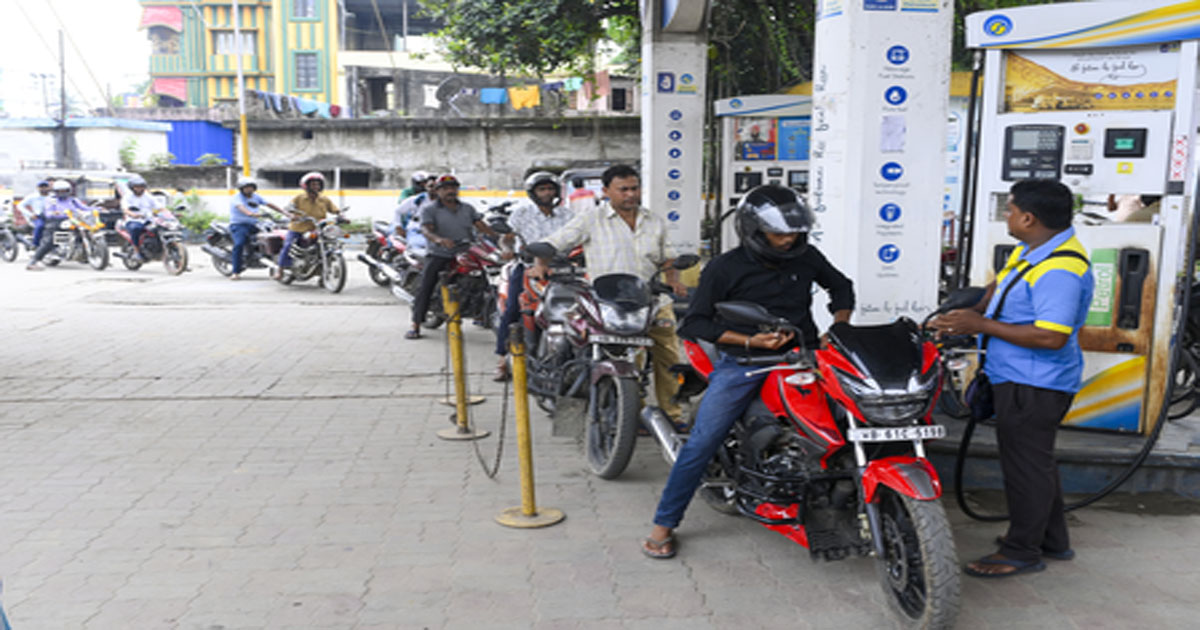
New Delhi, May 21: There is no shortage of petrol, diesel or LPG in the country and petrol pumps that are not giving fuel or giving fuel in reduced quantities are being pulled up, according to senior government officials on Thursday.
The government is receiving feedback about petrol pumps across India and full supply of fuels is being maintained to all retail outlets. There has also been no reduction in oil imports coming from Russia in order to ensure adequate crude supplies to the refineries of oil marketing companies, the officials pointed out.
There has been an increase in sales at some pumps because of the higher demand for diesel due to the harvesting season. There has also been a shift in customers from private oil marketing companies, who have started charging higher prices, to retail filling stations belonging to public sector oil companies.
Besides, institutional or commercial sales, which are priced around Rs 20 higher as per actual international price, have also shifted to petrol pumps, they added.
The officials also pointed out that India’s increase of Rs 3.91 per litre in the prices of petrol and diesel announced this week, works out to 4.4 per cent, which is the smallest hike of any major economy outside the directly subsidising Gulf producers such as Saudi Arabia, according to figures compiled by GlobalPetrolPrices.com.
An IndianOil official pointed out that the Rs 3.91 increase, which restores only part of the rise of cost in crude, has been undertaken after 76 days of complete absorption of costs by the public sector oil companies. In sharp contrast, the rest of the world has been adjusting price for the rise in crude costs through increases ranging from 10 to 90 per cent in the retail prices of the two fuels.
The pass-through has been steepest in liberalised emerging markets directly exposed to West Asian supply and freight, where governments do not absorb volatility. The Pakistani consumer is paying about 55 per cent more for petrol today than three months ago, the Malaysian about 56 per cent more, and the Emirati consumers about 52 per cent higher prices, the figures show.
In the advanced economies, the increases are smaller in percentage terms but still substantial. American petrol prices, which respond quickly to crude because federal and state excise loadings are modest, have risen by close to 45 per cent and diesel by 48 per cent.
In Europe, where excise duties dampen the swing, the United Kingdom is up about 19 per cent on petrol and 34 per cent on diesel, Germany about 14 per cent on petrol and 20 per cent on diesel, France about 21 per cent and 30 per cent, respectively.
In the case of Japan, South Korea and Singapore, the hike in petrol prices has been held below 20 per cent and the price of diesel has risen considerably faster, with Singapore registering a 65 per cent jump in the price of diesel.
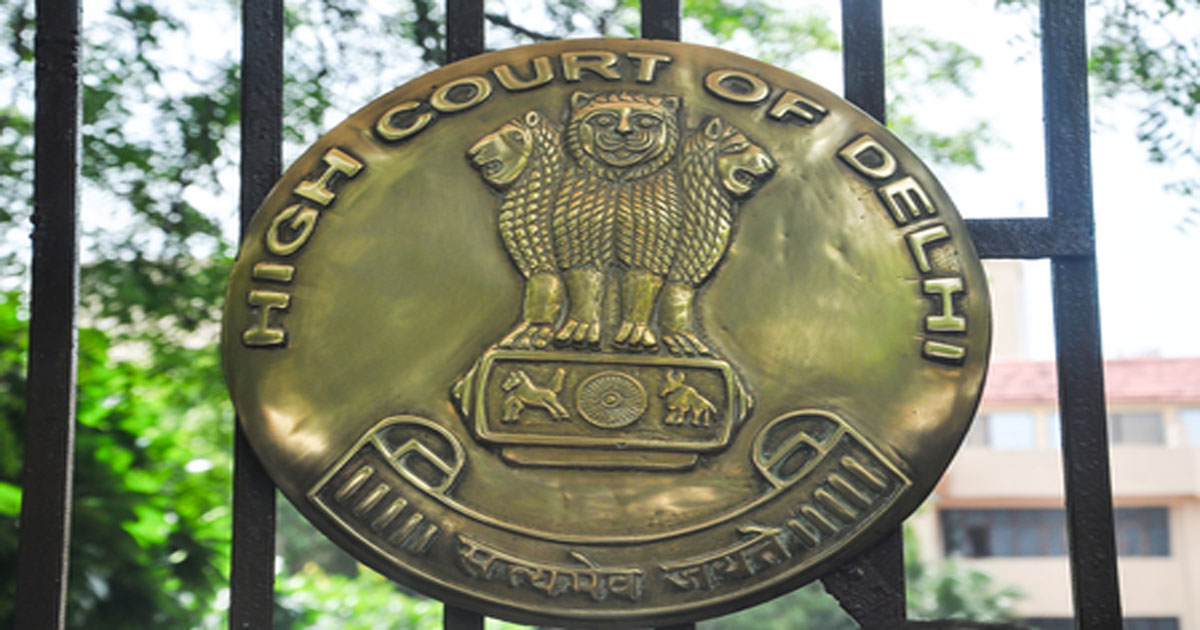
New Delhi, May 19: The Delhi High Court has sentenced YouTuber Gulshan Pahuja, who runs the channel “Fight 4 Judicial Reforms”, to six months’ simple imprisonment in two criminal contempt cases for making derogatory and scandalous remarks against the judiciary and judicial officers.
A division bench of Justices Navin Chawla and Ravinder Dudeja also imposed a fine of Rs 2,000 in each matter while observing that the contemnor had shown no remorse and had, in fact, compounded the contempt through further scandalous submissions made during the hearing.
However, the Delhi High Court suspended the sentence for 60 days to enable Pahuja to challenge its judgment holding him guilty of criminal contempt before the Supreme Court.
The Justice Chawla-led Bench said that despite being given an opportunity to make submissions on punishment, the contemnor questioned the conviction itself and, during oral arguments, made further scandalous remarks against the judicial system.
“He, in fact, compounds his contempt by making further scandalous submissions before this Court and thus, evidently, he is neither repentant nor deserves any mercy,” the order said.
Rejecting his plea to recall the conviction judgment, the Delhi High Court said it could not sit in review of its earlier order and that the contemnor was free to challenge the same in accordance with law.
“As far as his submissions on our judgment dated 21.04.2026 are concerned, we cannot sit in review of the said judgment and the contemnor has full right and had an opportunity to challenge the same in accordance with law,” the bench said.
It further recorded that during oral arguments, Pahuja made remarks such as “adaalaton ki manmarzi badhti jaa rahi hai aur main koi nyay ki umeed nahi kar raha (the wilfulness of the courts is constantly increasing and I am not hopeful of any justice)” and described the functioning of courts as “taanashahi (dictatorship)”.
Advocate Harsh Prabhaka, amicus curiae appointed in the matter, submitted that Pahuja had shown “no course correction or remorse” and continued uploading videos targeting judicial officers despite earlier directions restraining him from doing so.
Considering the nature of the conduct, the Delhi High Court observed that leniency in such circumstances could embolden similar conduct in the future and that the case warranted maximum punishment.
“We also find that by not imposing adequate punishment on him, we may encourage him to repeat these acts in future and to embolden him in doing the same. [W]e are of the opinion that these cases call for the imposition of the maximum punishment,” the bench observed.
Accordingly, the Delhi High Court sentenced Pahuja to six months’ simple imprisonment along with a fine of Rs 2,000 in each case, directing that the sentences would run concurrently.
It further ordered that in case of default in payment of the fine, he would undergo an additional one month’s simple imprisonment.
However, taking note of the contemnor’s submission that he intends to challenge the judgment before the Supreme Court, the bench suspended the sentence for a period of 60 days.
“In case an order suspending the sentence… is not passed by the Supreme Court, the contemnor shall on his own surrender before the Registrar General of this Court forthwith on expiry of the above-mentioned period,” the order said.
The contempt proceedings arose from videos and online content uploaded by Pahuja on his YouTube channel, in which he made sweeping and unverified allegations against judicial officers and the judiciary. In its earlier judgment, the Delhi High Court had held that such remarks were intended to scandalise the institution and lower public confidence in the justice system, and were not protected under the right to free speech.
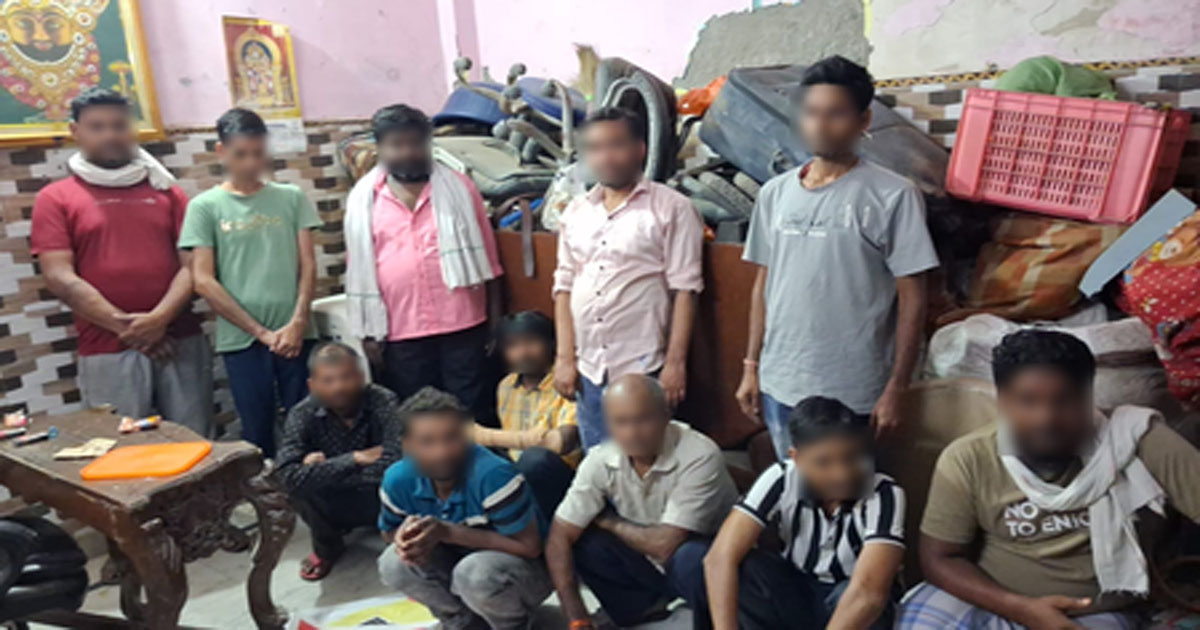
New Delhi, May 19: Continuing its crackdown on illegal activities, the Dwarka District Police on Tuesday busted a gambling racket operating in JJ Colony in Sector-3, Bindapur, and arrested 14 persons allegedly involved in the operation, officials said.
Police recovered stake money amounting to Rs 6,810 along with gambling-related material, including writing pads, charts, satta slips, carbon papers, pens, mobile phones, and electronic devices used for maintaining gambling transaction records.
According to police officials, the operation was carried out as part of the district police’s ongoing campaign to curb organised crimes such as gambling and bootlegging and to maintain a safe and crime-free environment for residents.
To strengthen action against illegal activities, the Special Staff of Dwarka District had intensified intelligence gathering, activated local informers, and increased surveillance in vulnerable areas. A dedicated team was constituted under the leadership of Inspector Kamlesh Kumar, in charge of Special Staff, Dwarka District, under the close supervision of ACP Operations Subhash Malik.
The team comprised SI Dinesh Kumar, SI Topesh, ASI Vijay Singh, HC Jagat Singh, HC Jairam, HC Naresh, HC Rajesh, and Constable Manjeet, who were tasked with collecting intelligence and identifying hotspots where illegal activities were taking place.
On May 7, at around 10 p.m., the team received specific information regarding a gambling racket operating in the Sector-3 JJ Colony area of Bindapur. Acting swiftly on the information, the police team laid a strategic trap near the identified location.
At around 10:30 p.m., the police spotted several individuals gathered in a narrow lane and allegedly engaged in gambling activities. The team immediately conducted a raid and apprehended 14 persons at the spot.
During the search operation, police recovered stake money worth Rs 6,810, along with charts, satta slips, writing pads, carbon papers, pens, and registers allegedly used for maintaining gambling records and transactions. The local beat staff also reached the spot during the operation.
Following the recovery, a case vide FIR No. 255/2026 under Sections 12/09/55 of the Gambling Act was registered at Police Station Bindapur. All the accused were arrested after sustained interrogation.
The arrested accused have been identified as Sandeep (26), Ajay (25), Sartaj (42), Bappi Haldhar (60), Suresh (36), Neeraj Kumar (44), Abul Hasan (40), Chandan Sahni (35), Sudama (27), Maniyappan (42), Ashok (46), Diwari Sahni (37), Mathwef (41), and Jony (35), all residents of different areas of Dwarka, Uttam Nagar, Matiala, and nearby localities in Delhi.
Police said the recovery made during the raid included cash worth Rs 6,810, two charts, eight pads, five carbon papers, three pens, and around 350 satta slips allegedly used in gambling activities.
Officials stated that further investigation is underway to ascertain whether the accused were linked to a larger gambling network operating in the area.
The operation highlights the proactive policing efforts of Dwarka District Police in cracking down on unlawful activities and maintaining law and order in the national capital.

Chinese-made weapons seized in Mumbai; three arms suppliers arrested

Bandra Garib Nagar demolition drive: Case registered against account holder for spreading rumours on X account, accused of spreading religious hatred

Mumbai: Three gangsters arrested for selling weapons, major operation by Crime Branch, who is investigating the criminal activities of the three

Attention Mumbaikar! Central Railways Announces 5-Hours Mega Block On Sunday May 24 – Check Details Here

Mumbai: Vasai Cops Arrested for Helping Murder Accused Escape; ₹45,000 Bribe Paid Via Google Pay

Maharashtra Shock: 22-Year-Old Arrested For Exploiting & Blackmailing Multiple Women In Kolhapur; Love Jihad Angle Suspected

Google to invest up to $40 billion in Anthropic amid global AI race

27 Years After Gangster Sadiq Kalia’s Encounter By Daya Nayak, His Nephew Arrested For Alleged Revenge Killing In Mumbai

Chembur Police Arrest Four For Trying To Sell Elephant Tusks Worth ₹3.5 Crore; Forest Department Confirms Seizure

India, New Zealand set to sign FTA for improved market access on April 27
-

 Crime4 years ago
Class 10 student jumps to death in Jaipur
-

 Maharashtra2 years ago
Mumbai Local Train Update: Central Railway’s New Timetable Comes Into Effect; Check Full List Of Revised Timings & Stations
-

 Maharashtra2 years ago
Mumbai To Go Toll-Free Tonight! Maharashtra Govt Announces Complete Toll Waiver For Light Motor Vehicles At All 5 Entry Points Of City
-

 Maharashtra2 years ago
False photo of Imtiaz Jaleel’s rally, exposing the fooling conspiracy
-

 National News2 years ago
Ministry of Railways rolls out Special Drive 4.0 with focus on digitisation, cleanliness, inclusiveness and grievance redressal
-

 Maharashtra2 years ago
Maharashtra Elections 2024: Mumbai Metro & BEST Services Extended Till Midnight On Voting Day
-

 National News2 years ago
J&K: 4 Jawans Killed, 28 Injured After Bus Carrying BSF Personnel For Poll Duty Falls Into Gorge In Budgam; Terrifying Visuals Surface
-

 Crime2 years ago
Baba Siddique Murder: Mumbai Police Unable To Get Lawrence Bishnoi Custody Due To Home Ministry Order, Says Report