
International News
Sri Lankan PM appointed Acting President: Speaker

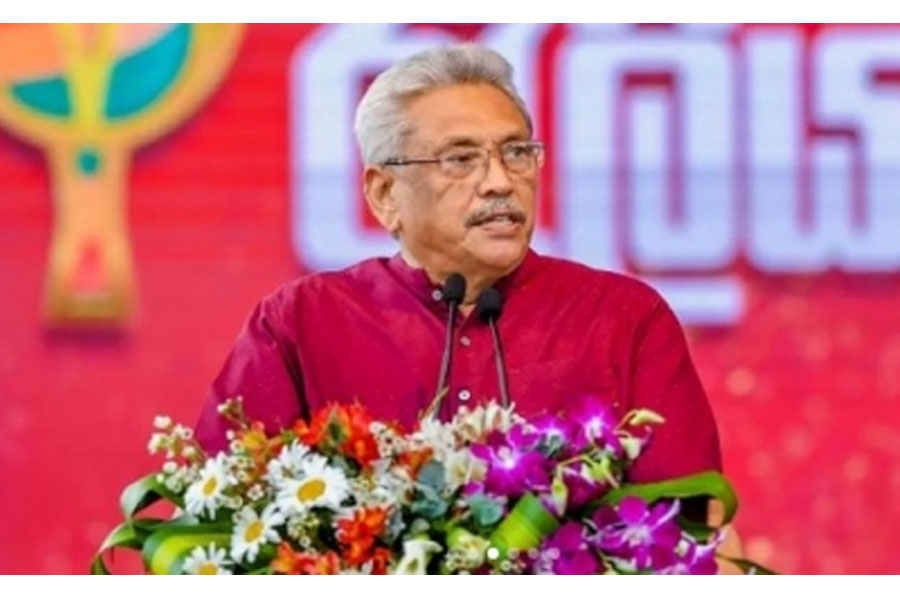
Sri Lankan President Gotabaya Rajapaksa has appointed Prime Minister Ranil Wickremesinghe as the Acting President in accordance with the Article 37.1 of the Constitution, Speaker Mahinda Yapa Abeywardhane said on Wednesday.
He added in a special statement that the President has informed him that the Prime Minister was appointed as the Acting President as he was away from the country, the Daily Mirror reported.
President Rajapaksa has arrived in the Maldives earlier on Wednesday morning after having fled Sri Lanka and will be making his way to a final destination. Where that is however, is still unclear.


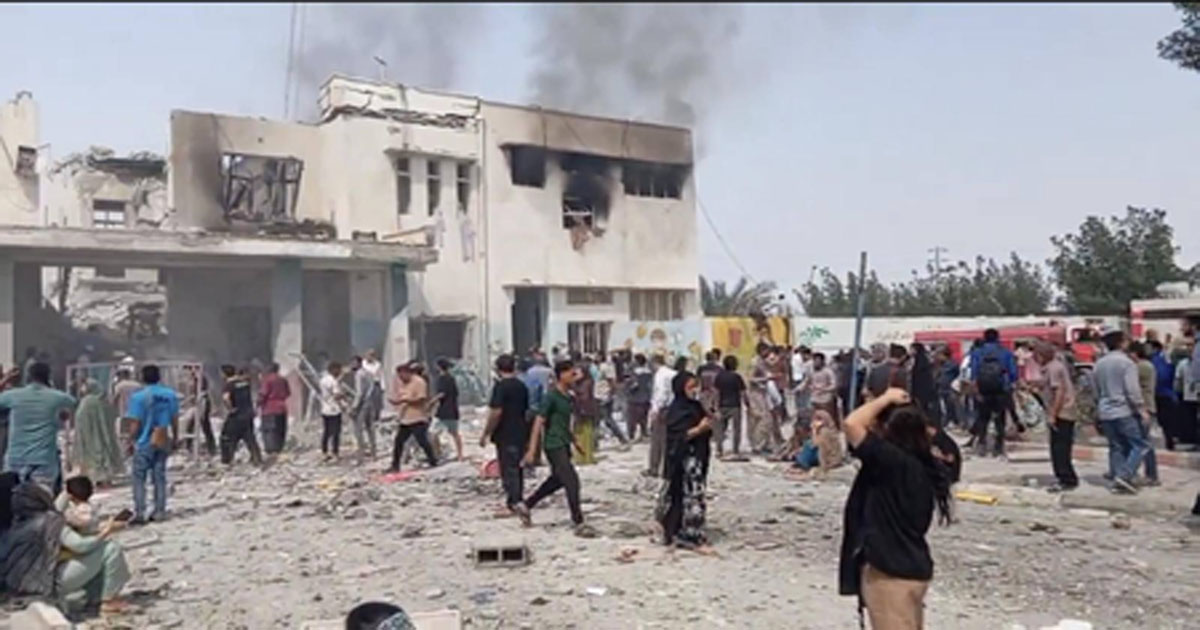
Tehran, March 27: The brutal attack on Shajareh Tayyebeh Girl’s School in Iran’s Minab cannot be justified, covered up, and must not be met with silence and indifference, Iran’s Foreign Minister Seyyed Abbas Araghchi told the United Nations Human Rights Council (UNHRC) during an urgent debate held on Friday afternoon.
In his speech at the emergency session, the Iranian Foreign Minister stated that his country is in the midst of an “illegal war” right now which has been imposed on it by “two bullying” nuclear-armed regimes, the United States and Israel.
“This war of aggression is clearly unjustified and extremely brutal. They launched this aggression on February 28 while Iran and the United States were engaged in a diplomatic process to resolve alleged US concerns about Iran’s nuclear programme. For the second time in nine months, they have betrayed diplomacy by disrupting and destroying the negotiating table,” said Araghchi.
Among the most horrific manifestations of this aggression, he said, was the “calculated and staged attack” on the Shajareh Tayyebeh elementary school in the city of Minab in southern Iran, where more than 175 students and teachers were “massacred in a completely deliberate and brutal manner”.
“This brutal attack is merely the visible tip of a much larger iceberg; one that hides beneath its surface far worse atrocities, including the normalisation of the most egregious violations of human rights and humanitarian law, and the audacity to commit heinous crimes in a climate of complete impunity. At a time when the American and Israeli aggressors, as they claim, have the most advanced technologies and the most precise military and data systems, no one can believe that the attack on this school was anything other than a deliberate and premeditated act,” he stated.
Addressing the session virtually, Araghchi mentioned that the targetting of the Iranian school is a “war crime” and a “crime against humanity” that requires unequivocal and unconditional condemnation by all.
“This tragedy cannot be justified, cannot be covered up, and must not be met with silence and indifference. The attack on the Shajareh Tayyebeh school in Minab was neither a mere accident nor a miscalculation. The contradictory statements made by the United States to justify this crime cannot absolve them of their responsibility. Condemning such a brutal attack on an inherently civilian place, where the most innocent people are present and seeking knowledge, is not simply a legal obligation within the framework of human rights systems; it is a moral and human imperative. Our conscience will judge us far more profoundly than any court of law,” the Iranian Foreign Minister added.
He went on to add that the elementary school has not been the “only victim of the heinous crimes committed by the US and Israel” during the past 27 days of the war.
“Human rights and international humanitarian law have been widely and systematically violated by the aggressors in an unprecedented and extremely brutal manner. They have targetted civilians and civilian infrastructure with complete disregard for the laws of war and the fundamental principles of humanity and civility. More than 600 schools across Iran have been destroyed or damaged, resulting in the deaths or injuries of more than a 1000 students and teachers. The aggressors, who arrogantly shout ‘there is no mercy or respite’ and threaten Iran with attacks on vital infrastructure, have targetted hospitals, ambulances, medical workers, Red Crescent aid workers, refineries, water sources, and residential areas.”
He urged the United Nations to unequivocally condemn the “aggressors” highlighting that Iran has never sought war.
“Iranians are a peaceful and noble nation, heirs to one of the richest civilizations in the world. However, they have shown complete and unwavering determination to defend themselves against ruthless aggressors who know no bounds in committing all kinds of crimes; a defense that will continue for as long as necessary,” Araghchi concluded.
The urgent debate has been convened following an official request submitted by Iran, China and Cuba. According to the UNHRC, the Minab school strike of February 28 will be discussed in the context of the “protection of children and educational institutions in international armed conflicts”, as outlined in the request. The programme of work for the ongoing 61st regular session of the Human Rights Council has been adjusted to include this urgent debate.
International News
Human rights group calls Pakistani airstrikes on Kabul rehab centre ‘unlawful’, flags possible war crime

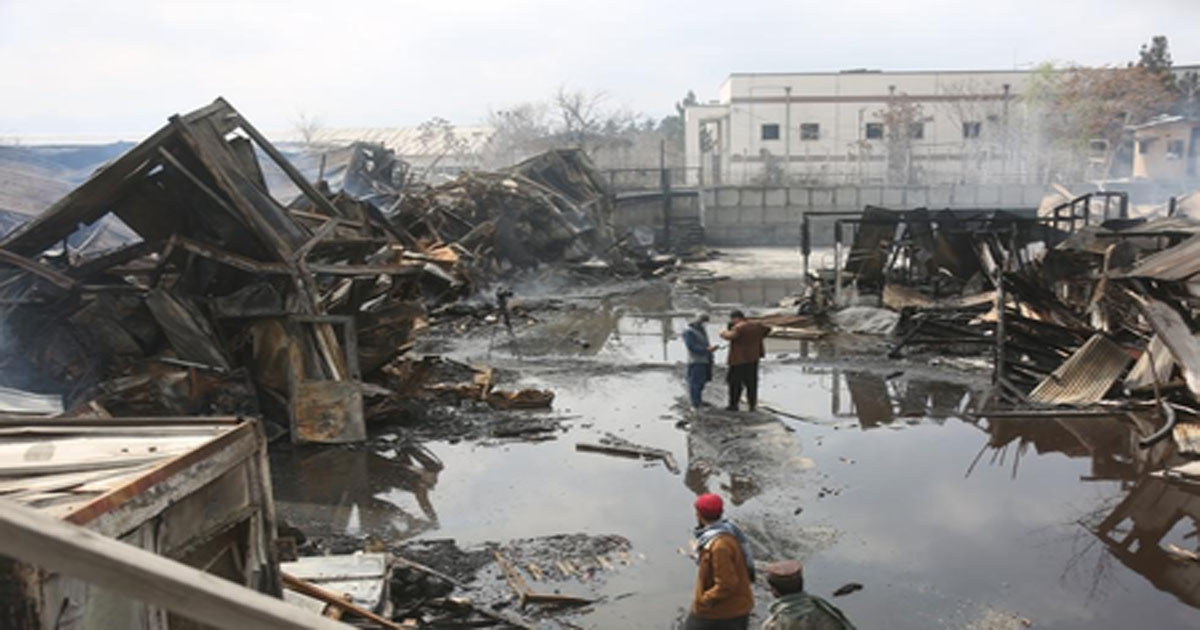
New York, March 27: Human Rights Watch, a US-based advocacy group, on Friday termed the recent Pakistani airstrikes on a rehabilitation centre in Kabul as “an unlawful attack” and warned that the incident could amount to a possible war crime, raising serious concerns over civilian safety and adherence to international law.
On March 16, Pakistan launched airstrikes on the 2,000-bed Omid Addiction Treatment Hospital in Kabul that killed hundreds of civilians and injured several others.
The rights body called on the Pakistani authorities to conduct a swift and impartial investigation into the incident and ensure accountability for those responsible.
“The available evidence indicates that the Pakistani airstrike against a well-known Kabul medical facility, killing dozens of patients, was unlawful. Pakistani authorities need to carry out an impartial investigation to determine why it hit a drug treatment centre filled with civilians and who should be held to account,” said Patricia Gossman, senior associate Asia director at HRW.
Citing an employee at the facility, the HRW said that over 1,000 patients were at the rehabilitation centre in Kabul at the time of the attack, but the actual number is uncertain. The rights body added that an official with an international agency said that many patients were in the dining area to break the Ramadan fast.
The United Nations highlighted the “complete destruction of one block that housed adolescents receiving drug treatment”.
On March 17, Pakistan’s federal minister of information and broadcasting, Attaullah Tarar, posted on X, stating that Pakistan had carried out “precision airstrikes” on “technical support infrastructure and ammunition storage facilities,” but did not mention the Omid facility.
The HRW said that based on available information, there was no evidence that the Omid centre was being used for military purposes, making the attack “unlawfully indiscriminate”.
“In any case, the attack would appear to violate the prohibition against disproportionate attacks. Serious violations of the laws of war committed with criminal intent—that is, deliberately or recklessly—are war crimes,” it noted.
Pakistan, the rights body said, has an obligation under international law to investigate alleged “war crimes by its forces and bring those responsible for serious abuses to account. ”
Amid the escalating tensions between Pakistan and Afghanistan, the HRW cited the UN figures documenting at least 76 civilian deaths and 213 injuries from Pakistani airstrikes across Afghanistan.
“Concerned countries should press Pakistan to provide genuine accountability and ensure that failures in intelligence, target verification, and decision-making are identified and fixed so such strikes never happen again,” Gossman said.
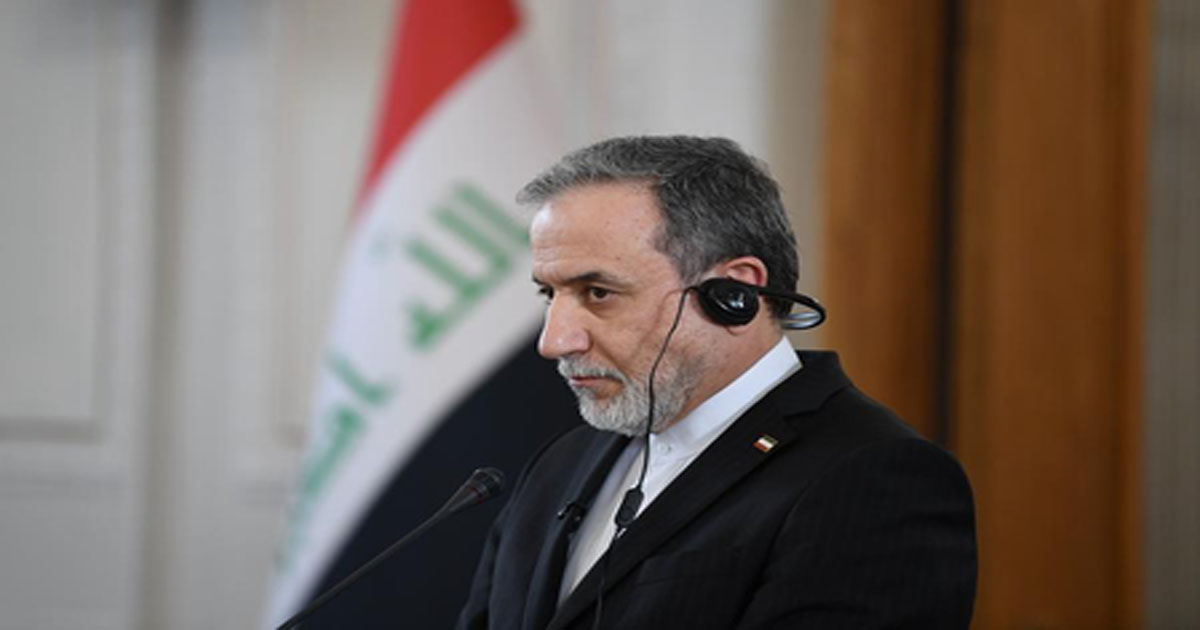
Tehran, March 27: Iran has issued an “ultimatum” to hotel owners in Bahrain and the United Arab Emirates, warning that hosting US military personnel could make their properties legitimate military targets, the semi-official Fars news agency reported.
Fars reported that US forces have taken refuge in regional hotels following Iranian missile strikes and joint operations with allied militant groups that targeted American military infrastructure across the Middle East. The warning covers any facility hosting foreign military personnel and takes effect immediately if such activity continues, Xinhua news agency reported.
The report also claimed US personnel have established a presence at civilian sites across the region, including a logistics base near Beirut’s old airport and advisory operations at Damascus’ Republic Palace, the Four Seasons, and Sheraton hotels. US Marines were reportedly moved this week to Djibouti International Airport via Istanbul and Sofia.
Earlier on Thursday, Iran’s Foreign Minister Seyed Abbas Araghchi warned hotels in Gulf Arab countries against accepting US military personnel, accusing the soldiers of fleeing their bases and using civilian sites as cover.
“From the outset of this war, US soldiers fled military bases in the GCC (Gulf Cooperation Council) to hide in hotels and offices. They use GCC citizens as human shields,” Araghchi wrote on the social media platform X. He compared the situation to hotels in the United States, which he claimed deny bookings to officers who may endanger customers, and urged Gulf hotels to adopt the same practice.
On February 28, Israel and the United States launched joint attacks on Tehran and other Iranian cities, killing Iran’s then-Supreme Leader Ali Khamenei, senior military commanders, and civilians. Iran retaliated with missile and drone strikes against Israel and US bases and tightened control of the Strait of Hormuz, blocking vessels affiliated with Israel and the United States.

Ashok Kharat Sexual Exploitation Case: 2 More Cases Filed Against Self-Styled Astrologer & Godman; Total Complaints Rise To 10 In Nashik

Mumbai Crime: 2 Police Constables Arrested For Kidnapping Forex Executive, $10,000 Stolen

6 Killed, Several Injured As Avalanche Hits Zojila Pass On Srinagar-Leh Highway

PM Modi & US President Donald Trump Hold Crucial Talks As West Asia Crisis Deepens; Musk Joins Call

Mumbai Weather Update For March 28, 2026: City Records 28°C, Excessive Heat Expected Today; Air Quality At Moderate Range At 89

Married Mumbai Woman Mocked In Andheri Society Over ‘Lift Kissing’ CCTV Video, Files Police Complaint

Mumbai: JBCN International School In Borivali Gets Bomb Threat, Search Reveals Hoax, Students Safe

Mahayoti’s big gift to the people of Mumbai… Now there is no tax for houses up to 500 square feet, the Municipal Corporation has increased this limit to 700 square feet.

LPG Crisis In Maharashtra: Cyber Crime On Rise Amid Shortage, 2 Women Lose ₹4 Lakh In ‘Gas Update’ Online Scam In Kalyan-Dombivli

Rashmika Mandanna-Vijay Deverakonda Wedding: Virosh Turn Modern Day Prince & Princess For Their Dreamy Sangeet Ceremony
-

 Crime4 years ago
Class 10 student jumps to death in Jaipur
-

 Maharashtra1 year ago
Mumbai Local Train Update: Central Railway’s New Timetable Comes Into Effect; Check Full List Of Revised Timings & Stations
-

 Maharashtra1 year ago
Mumbai To Go Toll-Free Tonight! Maharashtra Govt Announces Complete Toll Waiver For Light Motor Vehicles At All 5 Entry Points Of City
-

 Maharashtra2 years ago
False photo of Imtiaz Jaleel’s rally, exposing the fooling conspiracy
-

 National News1 year ago
Ministry of Railways rolls out Special Drive 4.0 with focus on digitisation, cleanliness, inclusiveness and grievance redressal
-

 Maharashtra1 year ago
Maharashtra Elections 2024: Mumbai Metro & BEST Services Extended Till Midnight On Voting Day
-

 National News2 years ago
J&K: 4 Jawans Killed, 28 Injured After Bus Carrying BSF Personnel For Poll Duty Falls Into Gorge In Budgam; Terrifying Visuals Surface
-

 Crime1 year ago
Baba Siddique Murder: Mumbai Police Unable To Get Lawrence Bishnoi Custody Due To Home Ministry Order, Says Report