
National News
Mumbai Weather Update February 4, 2026: Thick Smog Blankets City As AQI Remains In Severe Category In Sewri, Wadala & Other Areas

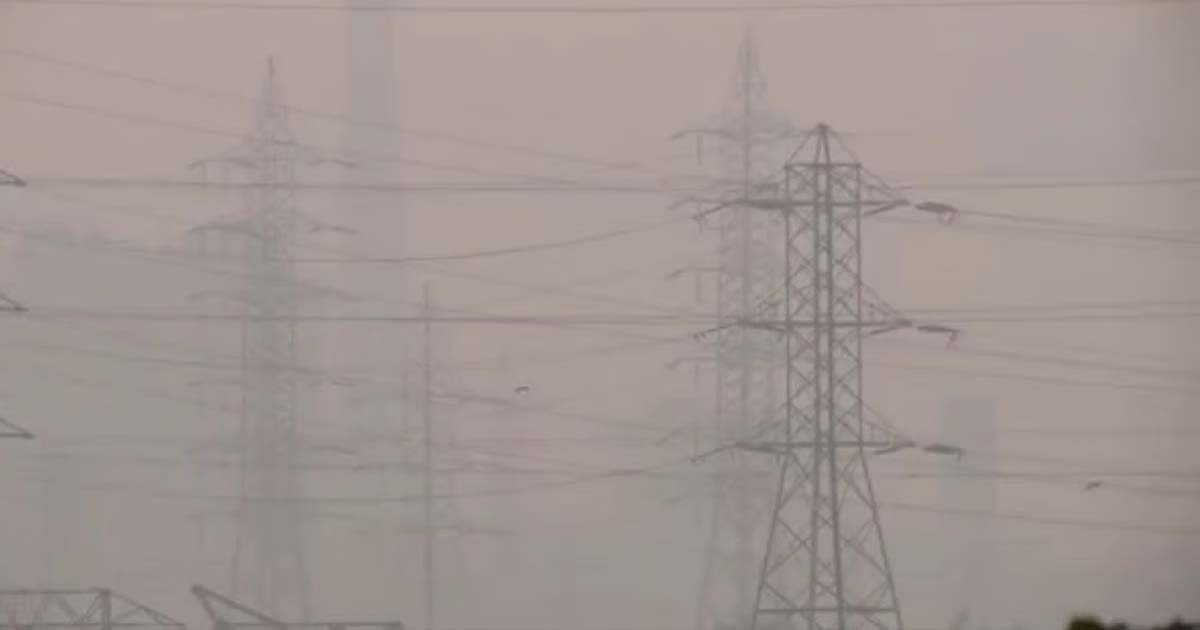
Mumbai: The city woke up to a hazy and unusually warm morning on February 4, but the brief respite did not last long. As the day progressed, a dense layer of smog settled over Mumbai’s skyline, significantly reducing visibility for early-morning commuters and once again spotlighting the persistent air pollution problem that continues to plague the city.
Meteorological data from the Indian Meteorological Department (IMD) indicate that Mumbai will witness partly cloudy skies accompanied by hazy conditions through the day. Temperatures are expected to hover between 21°C and 34°C, a range that signals the gradual transition towards peak summer. Despite the change in weather patterns, air quality levels have largely remained unchanged.
Mumbai’s overall Air Quality Index (AQI) stood at 280 on Wednesday, categorised as ‘Unhealthy’, almost identical to Tuesday’s reading of 281. Over the past 24 hours, pollution levels fluctuated across the city, with the lowest AQI of 200, still within the ‘Poor’ category, recorded around 7 pm. Prolonged exposure to such conditions can impact even healthy individuals, leading to respiratory discomfort, eye irritation and an increased risk of long-term health complications.
Air quality remained a cause for concern in multiple parts of the city, with several areas reporting ‘Severe’ pollution levels. Sewri West emerged as the most polluted locality, recording an AQI of 368, close to the 400 mark. Other hotspots included Shell Colony (359), Cama Industrial Estate (356), Yagna Nagar (354) and Wadala Truck Terminal (342), reflecting consistently high pollution concentrations in industrial and traffic-heavy zones.
In contrast, relatively lower, though still worrying, AQI levels were observed in a few areas. Shiv Sagar Estate recorded the lowest AQI at 103, followed by Sarvodaya Nagar Station 1 (110), Ambivali (113), Maratha Colony (113) and Dhakoji Sethpada (120), all falling under the ‘Poor’ category.
This marks a reversal from recent trends, when select pockets of Mumbai had briefly reported better air quality. With most regions now slipping back into poor or worse categories, concerns are mounting over the effectiveness of pollution-control measures as the city heads into the hotter month
As per standard air quality classifications, AQI values between 0 and 50 are considered ‘good’, 51 to 100 ‘moderate’, 101 to 200 ‘poor’, 201 to 300 ‘unhealthy’ and levels above 300 are classified as ‘severe’ or ‘hazardous’.


National News
‘Intellectual bankruptcy’: Shiv Sena (UBT) in Saamana slams BJP over Parbhani Mayor’s election


Mumbai, Feb 14: Shiv Sena-Uddhav Balasaheb Thackeray (SS-UBT) on Saturday took a swipe at the BJP for criticising Syed Iqbal’s election as Mayor of Parbhani Municipal Corporation terming it “intellectual bankruptcy”.
The Thackeray camp strongly defended Syed Iqbal’s election, saying that it was a reward for loyalty.
In the scathing editorial of party mouthpiece Saamana in Maharashtra, it said that while many issues are raging, the BJP and its “subservient circle” are creating an uproar for what they called installation of a ‘Khan’ in Parbhani. But this is a case of BJP “hiding its own flaws while criticising others”.
The editorial took strong objection to “selective opposition”, saying that BJP has historically appointed Muslim leaders to high-ranking positions, including the Presidency, governorships, and Supreme Court judgeships.
Within Parbhani district itself, the BJP has 12 Muslim councilors, and the post of Vice-President in the Jintur Municipal Council was given to a Muslim woman, Mehmunnisa Pathan, yet they oppose a Marathi-speaking patriot like Syed Iqbal in Parbhani. The BJP must explain why Muslim leaders were invited to the stage during the RSS Centenary celebrations if they now oppose such representation.
“BJP should explain why a ‘Khan’ was seated on the stage during the RSS Centenary celebrations. The country saw Adnan Sami, son of Arshad Khan, who bombed Pathankot in 1965, sitting on the shoulders of RSS leadership. While the RSS Chief Mohan Bhagwat states that Hindus and Muslims are not separate and those who accept Indian culture are our own, BJP’s ‘younger lot’ continues to incite religious conflict,” claimed the Thackeray camp.
The editorial further defended the appointment by citing the historical contributions of Muslims to India’s freedom struggle. It referenced the Jallianwala Bagh massacre, stating that 76 Muslims were among those killed, and emphasised that “none were shot in the back,” symbolising their unwavering commitment to the nation. While Muslim revolutionaries made countless sacrifices, those currently in power (BJP) didn’t suffer a single scratch during the freedom movement, yet they act as self-appointed ‘contractors’ of Hindutva and patriotism, it said.
“While Hindus (1 per cent to 6 per cent) are safe in the US, UK, Australia, and Arab nations, the BJP claims that 85 per cent of Hindus in India are in danger under their own rule. The real danger to Hindus is from the BJP itself, as Hindutva has become a political business for them,” alleged the Thackeray camp.
“Parbhani MP Sanjay Jadhav countered the BJP’s ‘Aurangzeb’ jibe by noting that the BJP has previously formed alliances with the AIMIM in other municipal councils, such as Akot and Achalpur. According to him, whenever there was a need to take a stand for Hindutva, Bal Thackeray’s Shiv Sainiks took to the streets,” said the editorial.
The Thackeray camp argued that if people of other regions or religions work to keep the “Marathi flag” flying in Maharashtra, they should be welcomed. “However, the BJP’s strategy is to induct “Aurangzeb, Afzal Khan, and Jaychand” into their own party for benefit while pointing fingers at others,” it remarked.
The Thackeray camp’s defence of Syed Iqbal’s election in the editorial is a significant shift in Parbhani’s “Khan vs. Ban” political narrative-a long-standing strategy of polarising voters, now replaced by a reward for loyalty and “geographic politics” where nearly half of the house corporators are from the Muslim community.
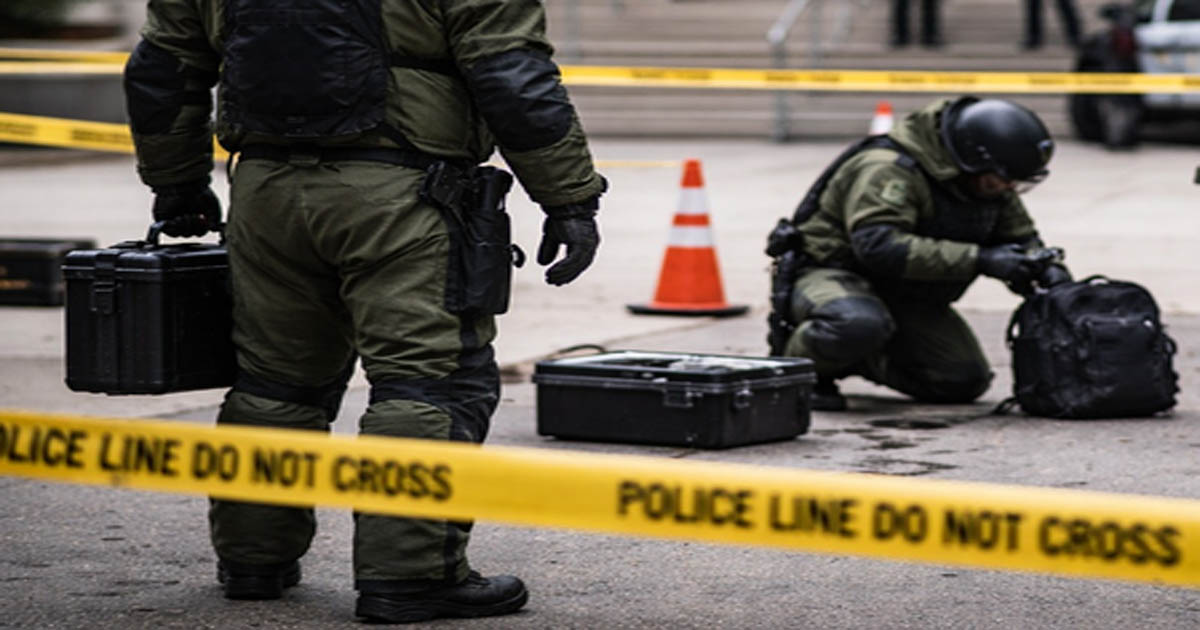
Patna, Feb 13: The Civil Court in Buxar received a bomb threat via email on Friday, claiming that 14 explosions would take place at 1.15 p.m., triggering panic and forcing the suspension of all judicial proceedings.
The threat caused widespread alarm across the court premises, prompting the administration to evacuate the entire complex as a precautionary measure.
According to officials, the email explicitly mentioned that 14 bombs had been planted within the court premises and would be detonated at the specified time.
Following the alert, all lawyers, court staff and litigants were safely evacuated from the premises.
Soon after the threat was reported, Sub-Divisional Officer (SDO) Avinash Kumar, Sub-Divisional Police Officer (SDPO) Gaurav Kumar Pandey, and later Superintendent of Police (SP) Shubham Arya reached the spot with a heavy police deployment.
The entire court complex was cordoned off, and an intensive search operation was conducted with the assistance of the Bomb Squad, Dog Squad and technical teams.
The SDPO said the threat email was being taken seriously and that every suspicious object inside the premises was being thoroughly examined.
Although no explosives have been recovered so far, security agencies remain on high alert.
Meanwhile, District Bar Association General Secretary Bindeshwari Prasad Pandey coordinated with the administration to ensure a smooth evacuation, but raised serious concerns over court security.
Advocates J. Saifi and Tej Pratap Singh recalled past violent incidents, including shootings and murders within the court premises, and described the existing security arrangements as inadequate.
They demanded the installation of a permanent, technology-driven security system at all entry points to prevent such incidents in the future.
At present, the court complex remains under tight police surveillance.
Cyber and technical teams are working to trace the origin of the threatening email.
The district administration has assured that those responsible will be identified and strict legal action will be taken against them.
The incident has once again raised critical questions about security preparedness at judicial institutions.
Earlier this week, unidentified persons had sent emails threatening to blow up the Patna Civil Court on Monday, Wednesday and Thursday, which later turned out to be hoaxes.
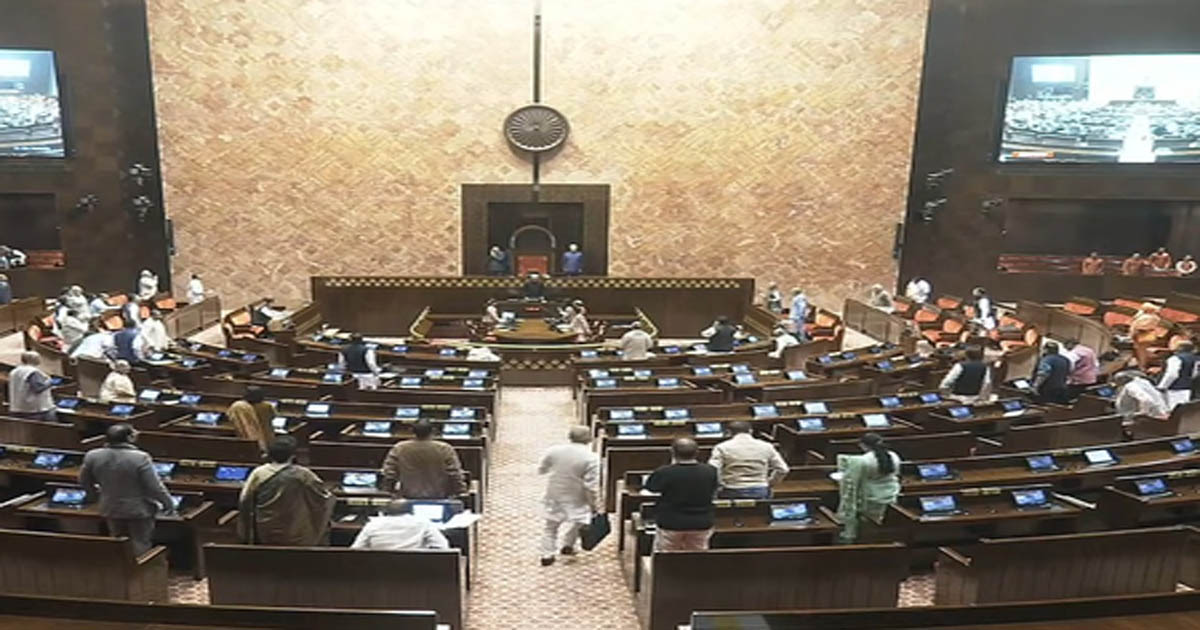
New Delhi, Feb 13: The Rajya Sabha was adjourned on Friday till March 9, marking the conclusion of the first phase of the on-going Budget Session of Parliament.
This adjournment follows a similar move in the Lok Sabha earlier in the day, as both Houses entered a three-week recess.
Twenty seven permitted special mentions by members who were present were deemed to have been laid on the table of the House. These special mentions, a procedural mechanism allowing lawmakers to highlight urgent public issues without full debate, were formally recorded in this manner due to time constraints or the session’s winding down.
The recess period is intended to enable parliamentary standing committees to scrutinise the detailed demands for grants and allocations presented in the Union Budget 2026-27, which was tabled earlier in the session.
Committees will examine ministry-wise expenditures, policy implications, and fiscal priorities to prepare reports that will inform discussions when the Houses reconvene.
The first part of the Budget Session, which commenced in late January, was marked by intense debates and disruptions.
Key issues included heated exchanges over an interim India-US trade deal, references to the unpublished memoir of former Army Chief General MM Naravane, opposition protests on various governance matters, and procedural wrangles.
Despite these challenges, some legislative business progressed, including the passage of certain bills in the Lok Sabha.
The adjournment comes amid a politically charged atmosphere, with opposition parties raising concerns on economic policies, national security, and farmer-related issues, while the government defended its agenda.
The three-week break provides an opportunity for consultations, committee work, and preparation for the second phase, where the focus will shift to detailed budget scrutiny, passing of appropriation bills, and potential further legislative activity.
The second phase is likely to see more substantive deliberations on financial matters and pending bills, aiming to conclude the session before the fiscal year-end considerations intensify.

Filmy-Style Crackdown In Kalyan: Pune’s ‘Most Wanted’ Nabbed After High Drama In Irani Basti

Mumbai BMC issues notice of seizure of property to major defaulters for non-payment of property tax

PM Modi flags off 50 electric buses for Bhavnagar under PM e-Bus Sewa scheme

Maharashtra: Solapur Division Of Central Railway Celebrates 70th Railway Week, Honors Outstanding Employees

Mumbai: Western Railway To Introduce 12 More AC Local Trains & 3 Non-AC Services From 19th Feb

Mumbai Traffic Update: Heavy Vehicles Banned In City From February 1 During Peak Hours; What’s Allowed & What’s Not?

BMC Election Results 2026 Winners List: Check Ward-Wise Names Of Candidates Who Secured Victory

Mumbai BMC Results Samajwadi Party Wiped Out From Govindi

Sensex, Nifty close week with gains over positive cues

Mumbai, Parts Of Thane & Bhiwandi To Face 10% Water Cut As BMC Undertakes Maintenance Work; Know If Your Area Is Affected
-

 Crime4 years ago
Class 10 student jumps to death in Jaipur
-

 Maharashtra1 year ago
Mumbai Local Train Update: Central Railway’s New Timetable Comes Into Effect; Check Full List Of Revised Timings & Stations
-

 Maharashtra1 year ago
Mumbai To Go Toll-Free Tonight! Maharashtra Govt Announces Complete Toll Waiver For Light Motor Vehicles At All 5 Entry Points Of City
-

 Maharashtra1 year ago
False photo of Imtiaz Jaleel’s rally, exposing the fooling conspiracy
-

 National News1 year ago
Ministry of Railways rolls out Special Drive 4.0 with focus on digitisation, cleanliness, inclusiveness and grievance redressal
-

 Maharashtra1 year ago
Maharashtra Elections 2024: Mumbai Metro & BEST Services Extended Till Midnight On Voting Day
-

 National News1 year ago
J&K: 4 Jawans Killed, 28 Injured After Bus Carrying BSF Personnel For Poll Duty Falls Into Gorge In Budgam; Terrifying Visuals Surface
-

 Crime1 year ago
Baba Siddique Murder: Mumbai Police Unable To Get Lawrence Bishnoi Custody Due To Home Ministry Order, Says Report