
Business
In the Gulf, workers and diplomats join hands to celebrate India’s Independence Day

Thousands of Non-Resident Indians (NRIs) across the Gulf on Monday proudly celebrated India’s Independence Day, amid the unfurling of the tricolour and distribution of sweets.
The commemoration of Independence Day and flag hoisting is customary at Indian missions. However, the display of tricolour has assumed special significance this year as it has docked with the viral ‘Har Ghar Tiranga’ campaign.
Numerous patriotic Indian workers engaged at different work sites have celebrated the event by cutting cakes and distributing sweets. In early morning hours several NRIs thronged to Indian missions by leaving their work aside to commemorate Independence Day and singing to the tune of the national anthem.
In the United Arab Emirates (UAE) where the largest number of Indian nationals live and work, Ambassador Sunjay Sudhir led the celebrations by hoisting the Indian tricolour at the Indian Embassy in Abu Dhabi. He paid floral tribute at the bust of Mahatma Gandhi.
Sudhir pointed out that under the visionary leadership of Indian Prime Minister Narendra Modi, the tricolour has gained further respect globally. He added: “Today, wearing the tricolour, or flashing the Indian passport, evokes respect for Indians.”
Sudhir read out excerpts from the speech made by Indian President Droupadi Murmu.
The tricolour was also unfurled by the Consul General of India in Dubai by Aman Puri, at the Indian Consulate in Dubai.
The event marked with zeal as part of ‘Har Ghar Tiranga’ with a variety of programmes in Dubai despite adverse weather conditions. In the Dubai ‘Marina a Yacht’ that displayed the tricolour was conspicuous. In Sharjah, blue collar workers participated in an exclusive event held by the Indian Association.
In Saudi Arabia, which houses the second highest number of Indians, Indians celebrated Independence Day with enthusiasm and joy, with DCM N. Ram Prasad hoisting the national flag and paying floral tributes to the father of the nation.
The Indian employees working in a key infrastructure project in Ras Al Khair, seashore town, among others celebrated Indian Independence Day by cutting a cake and distributing sweets.
“Though away from home, we took part in ‘Har Ghar Tiranga’ ,” said Riyadh-based Ch. Shiva Reddy, hailing from Hyderabad.
In Jeddah, Consul General Md. Shahid Alam hoisted the national flag. Enthusiastic celebrations were also held in Kuwait, Qatar, Bahrain and Oman.
(Irfan Mohammed is a Jeddah-based journalist. Views expressed are personal and exclusive to India Narrative)
(The content is being carried under an arrangement with indianarrative.com)


SHARE MARKET
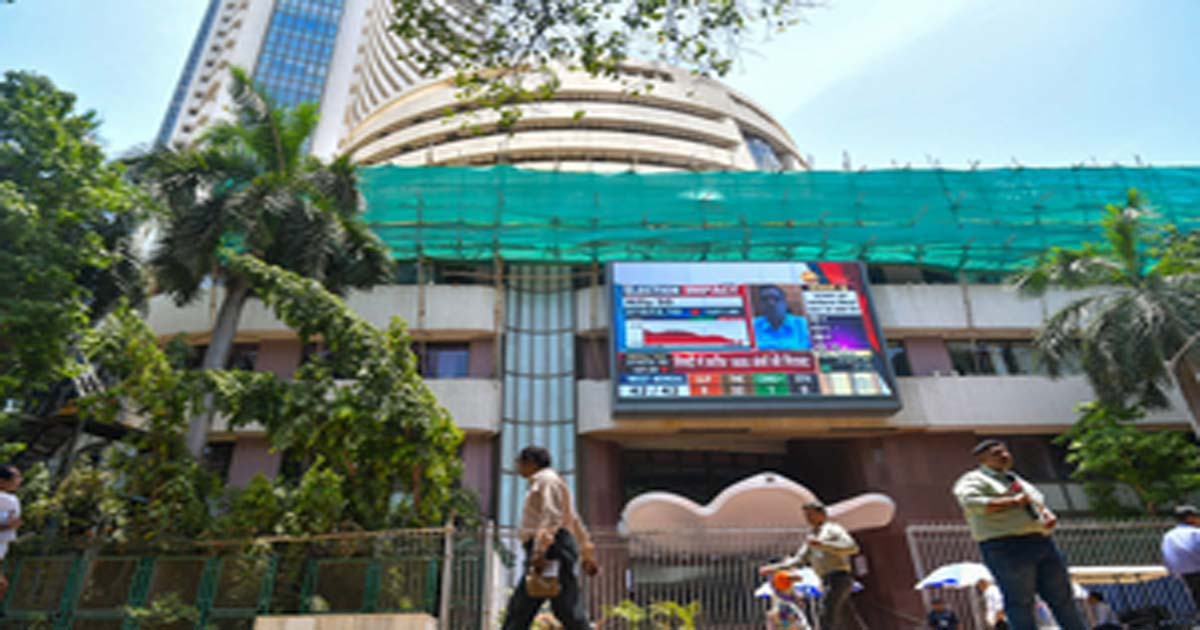
Mumbai, Indian equity benchmarks started Thursday’s session — the final trading day of the week — on a weaker note, with both indices declining nearly 1 per cent in early deals, as a sharp jump in crude oil prices dented sentiment and outweighed support from stock-specific earnings gains.
Sensex fell as much as 0.95 per cent or over 700 points to 76,759.37 in early trade, hitting an intraday low, while Nifty declined 0.96 per cent or more than 200 points to 23,943.45.
Selling pressure was broad-based, with auto, banking, realty, metal, consumer durables and FMCG stocks, falling up to 1 per cent. Eternal, Shriram Finance, IndiGo, M&M, Jio Financial Services, Tata Motors PV, Axis Bank, Grasim Industries, Asian Paints, ICICI Bank and HDFC Bank were among the top laggards.
While Nifty 100, Nifty Midcap, Nifty 200 and Nifty 500 indices declined by up to around 1 per cent. Meanwhile, the India VIX rose 2.7 per cent to 17.91, indicating heightened market volatility.
According to a market expert, two key headwinds could impact markets in the near term.
“Brent crude at around $120 threatens India’s macroeconomic stability. If prices remain elevated, it could pose downside risks to growth and push inflation higher,” the expert said.
“Secondly, stronger-than-expected results from AI majors in the US and South Korea may extend the ongoing AI trade, potentially leading to further portfolio outflows from India,” he added.
The Fed’s decision to hold rates was on expected lines and is unlikely to have a significant impact. However, the rise in US 10-year bond yields to 4.4 per cent could further incentivise capital outflows from India,” said Dr VK Vijayakumar, Chief Investment Strategist, Geojit Investments Limited.
Exit polls indicating consolidation of the ruling party’s position may offer some sentiment support but do not materially alter market fundamentals.
“Investors can focus on companies reporting better-than-expected Q4 results and strong outlooks, where opportunities remain,” he said.
Oil prices rallied after US President Donald Trump reportedly held talks with oil companies on steps to reduce the impact of a potential prolonged blockade of Iran’s ports, raising concerns over possible disruptions to global crude supplies.
Separately, the US Federal Reserve left interest rates unchanged, broadly in line with expectations, while cautioning about inflation risks stemming from the Iran conflict. Market participants have also pared back expectations of rate cuts in 2026.
Crude oil prices are approaching their 52-week highs of $114.81. Brent crude was trading at $113.18 per barrel, up 2.48 per cent from the previous close, while US West Texas Intermediate (WTI) stood at $109.64 per barrel, also higher on the day.
However, Brent crude hovered close to $120 per barrel after surging over 6 per cent on Wednesday to its highest level since June 2022.
In Asian markets, indices were mixed. Japan’s Nikkei and Hong Kong’s Hang Seng were down over 1 per cent, South Korea’s KOSPI declined 0.40 per cent, while Singapore’s Straits Times gained 0.65 per cent.
On Wall Street, US markets ended on a flat note, with the S&P 500 settling at 7,135.95, down 0.04 per cent, and the Nasdaq finishing at 24,673.24, up 0.04 per cent.
Notably, domestic equity markets will remain shut for trading on Friday, May 1, in observance of Maharashtra Day.
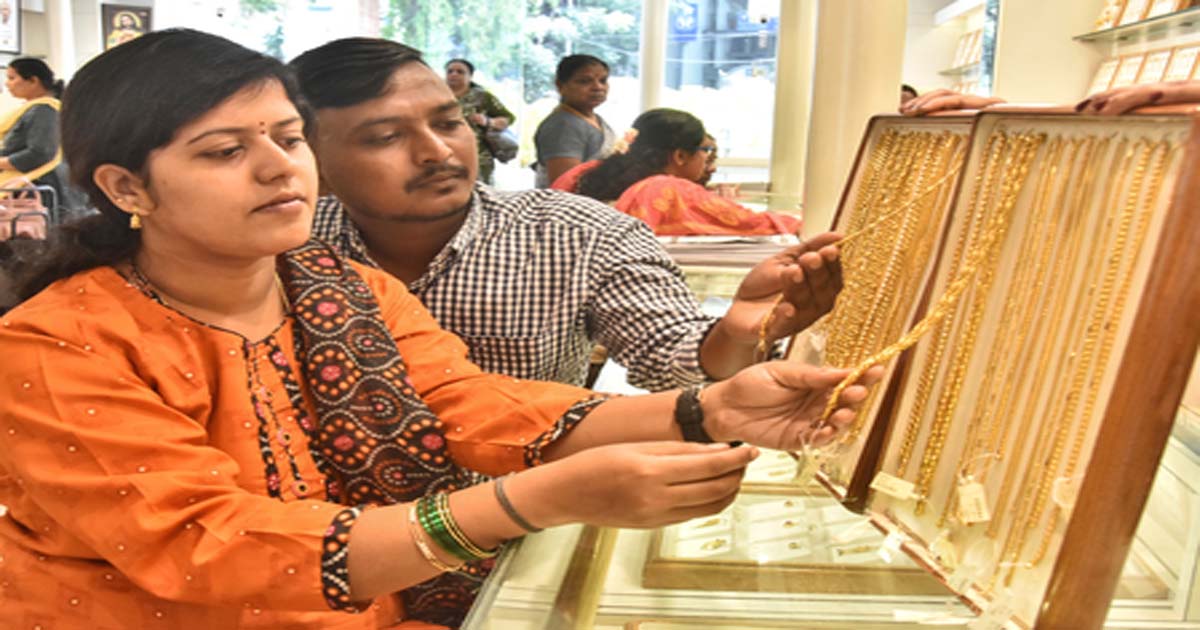
Mumbai, Gold and silver prices traded on a flat note on Monday amid a rise in crude oil prices and reports of a fresh proposal by Iran to end the conflict with the US, raising hopes of de-escalation in the Middle East.
On the Multi Commodity Exchange (MCX), gold futures (June 5 contract) were trading at Rs 1,52,410 per 10 grams, down 0.19 per cent or Rs 290 from the previous close of Rs 1,52,699.
By 11:00 A.M., the yellow metal touched an intraday high of Rs 1,53,008, up 0.20 per cent or Rs 309.
Meanwhile, silver futures (May 5 contract) were trading at Rs 2,43,200, down Rs 1,436 or 0.6 per cent.
The white metal touched an intraday high of Rs 2,45,473, up 0.34 per cent or Rs 837 from the previous close, and a low of Rs 2,43,009, down 0.66 per cent or Rs 1,627.
According to a commodity market expert, precious metals are trading with a cautious bias, with prices largely driven by key technical levels amid ongoing geopolitical uncertainty.
On COMEX, gold is holding above the $4,700–$4,680 support zone, with further downside possible below $4,650, while a sustained move above $4,750–$4,800 could revive momentum towards $4,900, the expert said.
On MCX, gold is hovering near Rs 1,52,500, with resistance seen around Rs 1,54,000 and support at Rs 1,50,000, the expert added.
The analyst also said that silver is also showing a cautious undertone, noting that volatility remains elevated due to geopolitical tensions, keeping the overall outlook range-bound in the near term.
In the international market, both metals were largely flat. On COMEX, gold was trading marginally higher by 0.02 per cent at $4,742 per ounce, while silver was down 0.05 per cent at $76 per ounce.
However, tensions in the Middle East remain elevated, although Iran has reportedly proposed a fresh peace initiative to the US aimed at reopening the Strait of Hormuz and ending the conflict.
Amid global uncertainty, gold and silver have delivered strong returns to investors over the past year. Gold has gained over 40 per cent in dollar terms over the past year and more than 18 per cent in six months.
Meanwhile, silver has more than doubled investors’ money over the past year and gained over 60 per cent in the last six months.
Additionally, Brent crude jumped over 2 per cent to $107.77, while US West Texas Intermediate (WTI) advanced to $96.68, an increase of 2.41 per cent.
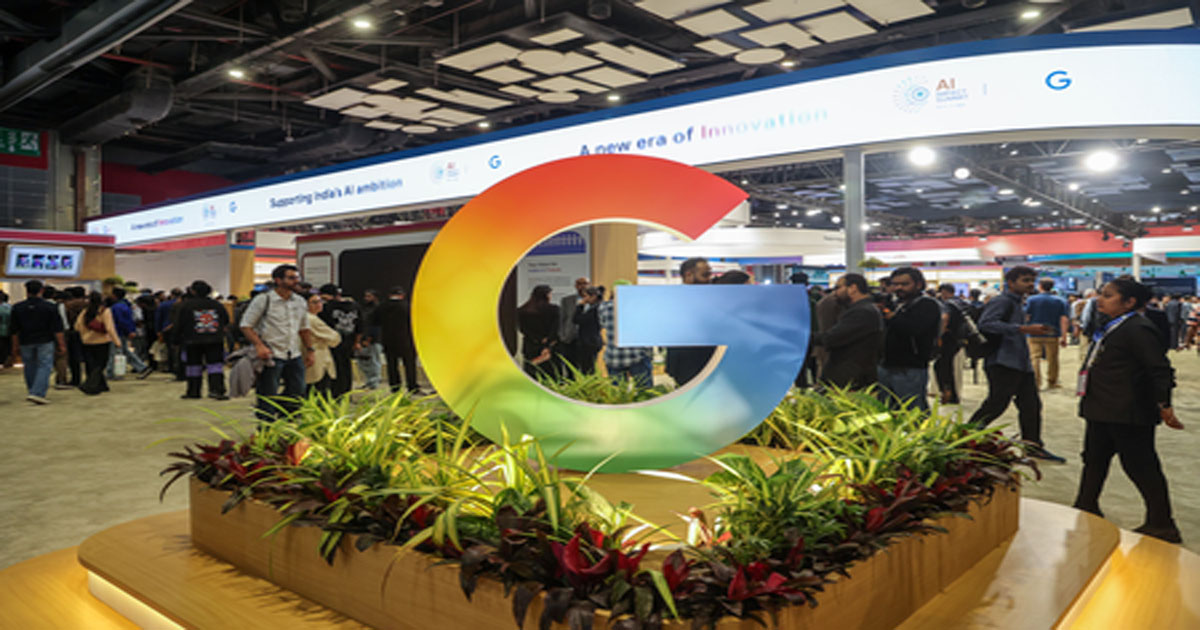
New Delhi, April 25: US tech giant Google plans to invest up to $40 billion in the artificial intelligence (AI) firm Anthropic, as global technology giants accelerate their push into advanced AI models and infrastructure.
The proposed investment includes an initial $10 billion infusion at Anthropic’s latest valuation of $380 billion, with the remaining $30 billion tied to performance-based milestones, the companies confirmed, according to multiple reports.
The move has built on a multi-year partnership between the two firms, under which Google provides cloud infrastructure and access to Anthropic’s AI models, including its Claude suite.
Moreover, Anthropic also leverages Google’s custom tensor processing units (TPUs) as an alternative to widely used graphics processing units.
The latest agreement between the tech firms came amid surging demand for generative AI tools across enterprises, developers and consumers, which has placed increasing pressure on computing infrastructure.
Notably, Anthropic recently secured 5 gigawatts of compute capacity through collaborations involving Google and Broadcom, with additional expansion planned.
However, despite their collaboration, the companies remain competitors in the AI space, with Google’s Gemini models vying against Anthropic’s offerings in the rapidly evolving market.
Additionally, Google has been steadily increasing its stake in Anthropic since 2023, when it first invested $300 million for roughly a 10 per cent holding. Subsequent funding rounds pushed its total investment beyond $3 billion, with reports suggesting a stake of about 14 per cent prior to the latest deal.
The investment has underscored intensifying competition among major technology firms, which are committing tens of billions of dollars to leading AI labs such as Anthropic and rivals, including OpenAI.
Anthropic was founded in 2021 by former OpenAI researchers and has seen rapid growth in adoption of its AI products, particularly its Claude models, with annualised revenue crossing $30 billion.
The deal has followed a similar arrangement with Amazon, which recently invested $5 billion in Anthropic and committed up to $20 billion more, linked to specific commercial milestones.

Sensex, Nifty fall nearly 1 pc as oil surge weighs on sentiment

Demanding to convene a joint meeting regarding preparations for Eid-ul-Adha, MLA Abu Asim Azmi sends a letter to Devendra Fadnavis

Survey of cleanliness work in the western suburbs of Mumbai… Continuous cleaning of roads is essential, Additional Municipal Commissioner directs

Mumbai: A case of sexual exploitation under the pretext of marriage has been registered against social media influencer Anwar Khan.

To keep Mumbai clean, attention must be paid to citizens, institutions and public places, Municipal Corporation Commissioner Ashwini Bhide has directed.

Mumbai Local Train Tragedy: Fatal Accident Reported At Bhayandar Station’s Platform No 1 – Disturbing Video Surfaces

Iran-Israel Conflict Hits India’s Real Estate: Supply Disruptions & Rising Costs Delay Project Possessions

‘Son Falsely Implicated, We Are Well-Educated’: Father Of Accused Tausif Attar Defends Son After Skullcap, Namaz Coercion Allegations Rock TCS Nashik

Bhiwandi Police Busts Vehicle Theft Gang, Arrests Three, Recovers 58 Stolen Motorcycles Worth ₹10.60 Lakh

Mumbai: Pan-India Hawala Trail Exposes Chilling Conspiracy Behind Rohit Shetty House Firing Case
-

 Crime4 years ago
Class 10 student jumps to death in Jaipur
-

 Maharashtra2 years ago
Mumbai Local Train Update: Central Railway’s New Timetable Comes Into Effect; Check Full List Of Revised Timings & Stations
-

 Maharashtra2 years ago
Mumbai To Go Toll-Free Tonight! Maharashtra Govt Announces Complete Toll Waiver For Light Motor Vehicles At All 5 Entry Points Of City
-

 Maharashtra2 years ago
False photo of Imtiaz Jaleel’s rally, exposing the fooling conspiracy
-

 National News2 years ago
Ministry of Railways rolls out Special Drive 4.0 with focus on digitisation, cleanliness, inclusiveness and grievance redressal
-

 Maharashtra1 year ago
Maharashtra Elections 2024: Mumbai Metro & BEST Services Extended Till Midnight On Voting Day
-

 National News2 years ago
J&K: 4 Jawans Killed, 28 Injured After Bus Carrying BSF Personnel For Poll Duty Falls Into Gorge In Budgam; Terrifying Visuals Surface
-

 Crime2 years ago
Baba Siddique Murder: Mumbai Police Unable To Get Lawrence Bishnoi Custody Due To Home Ministry Order, Says Report