
International News
Fighting continues between Sudan’s warring parties in Khartoum

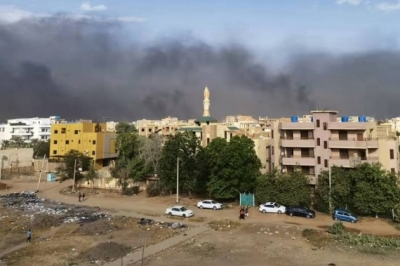
Violent clashes continued between the Sudanese Armed Forces (SAF) and the Rapid Support Forces (RSF), with eastern parts of the capital Khartoum witnessing intense bombardment by the army’s air force.
“A large logistical supply of weapons, ammunition and fuel belonging to the rebel militia has been dealt with in a qualitative operation that targeted some areas in Sharq Al-Neel (eastern Nile) locality and bases around the East Nile Hospital,” the army said in a statement late Monday.
The statement said there were no civilian casualties during the operation, but the RSF said the bombardment resulted in the “death and injury of dozens of innocent citizens and the destruction of a large part of the hospital”, reports Xinhua news agency.
Also on Monday, the Sudanese Foreign Ministry condemned what it called the “RSF attacks” on a number of diplomatic missions in Khartoum.
“The RSF attacked and forcibly entered the diplomatic missions of the Kingdom of Jordan, the Embassy of South Sudan, the Embassy of the Republic of Somalia, the Embassy of the Republic of Uganda, the Military Attache of the Kingdom of Saudi Arabia and the Military Attache of the State of Kuwait,” the Ministry said.
The statement said that the RSF damaged documents and furniture, and stole valuables, including computers and diplomatic vehicles without regard to international law.
Meanwhile, the National Human Rights Commission in Sudan on Monday issued a statement on the development of the situation in the country.
The Commission condemned the use of air force and heavy weapons in the vicinity of civilian residences, which resulted in civilian casualties.
It further demanded the evacuation of all health and civilian facilities, urging the conflicting parties not to deal with these facilities for military purposes or as military targets under any circumstances.
In its latest report, the UN Office for the Coordination of Humanitarian Affairs (OCHA) said that at least 676 people have been killed since the clashes first broke out on April 15.
According to the report, over 936,000 people have been newly displaced by the conflict since April 15, including about 736,200 internally displaced, and about 200,000 taking refuge in neighbouring countries.
According to the UN, it is estimated that about 15.8 million Sudanese, or about one-third of the country’s population, will need humanitarian aid in 2023, and the figure is likely to increase as a result of the war.
On May 11, the two warring parties signed in the Saudi port city of Jeddah the Declaration of Commitment to Protect the Civilians of Sudan to facilitate the delivery of emergency humanitarian aid and guarantee the safe evacuation of civilians.
However, the army and the RSF have accused each other of breaching the deal and continuing the armed clashes.

International News
‘Saw People Facing Shortage, Felt Deeply Concerned’, Says Consulate General of Iran In Mumbai Amid LPG Crisis; Calls India ‘Friend & Partner’

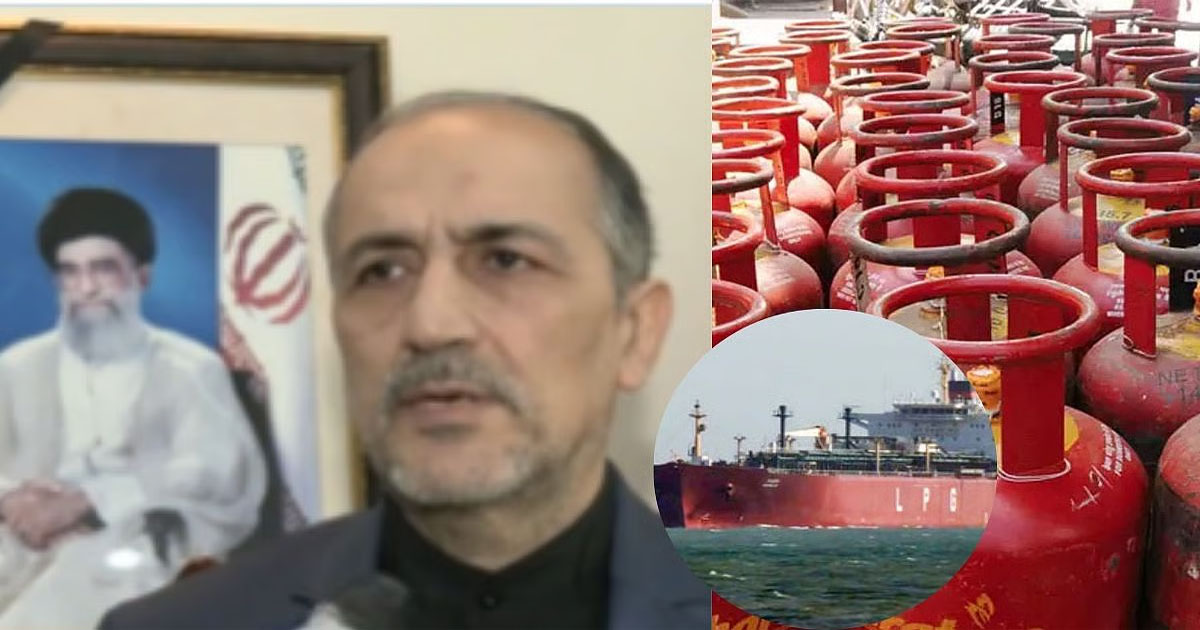
Mumbai: Consulate General of Iran, Saeid Reza Mosayeb Motlagh, on Friday said that Tehran is deeply concerned about India’s LPG crisis. Calling India a “friend and partner,” he added that despite risks in a conflict-like situation, Tehran ensured safe passage for gas carriers to India.
While speaking to media, he said, “The Islamic Republic of Iran has, from the very beginning, shown that it is a friend and partner of India. Personally, as the Consul General of the Islamic Republic of Iran in Mumbai, when I saw people facing a shortage of gas, I felt deeply concerned.”
“As you know, the situation is effectively a war zone, and gas carriers face their own risks; even the smallest impact can lead to serious consequences. However, by the grace of God, Iran was able to provide a safe passage so that these vessels could cross securely. This demonstrates our friendship with India,” he added as quoted by media.
Meanwhile, the Indian-flagged crude oil tanker, Jag Laadki, carrying approximately 80,886 metric tonnes (MT) of crude oil, arrived in Gujarat. Before that, LPG tanker Shivalik, which crossed the war-hit Strait of Hormuz, arrived at Gujarat’s Mundra Port. It roughly carried 40,000 metric tonnes of cooking gas from Qatar. These critical deliveries come at a time when the West Asia conflict caused LPG shortages across India.
India, the world’s third-largest crude importer, sources 88 per cent of its oil needs from abroad. It consumes 5.8 million barrels per day, of which 2.5-2.7 million barrels come from West Asian countries like Saudi Arabia, Iraq, and the UAE via the Strait of Hormuz. The choke point also carries 55 per cent of India’s cooking gas (LPG) and 30 per cent of liquefied natural gas (LNG), used for power, fertilisers, CNG, and household cooking.
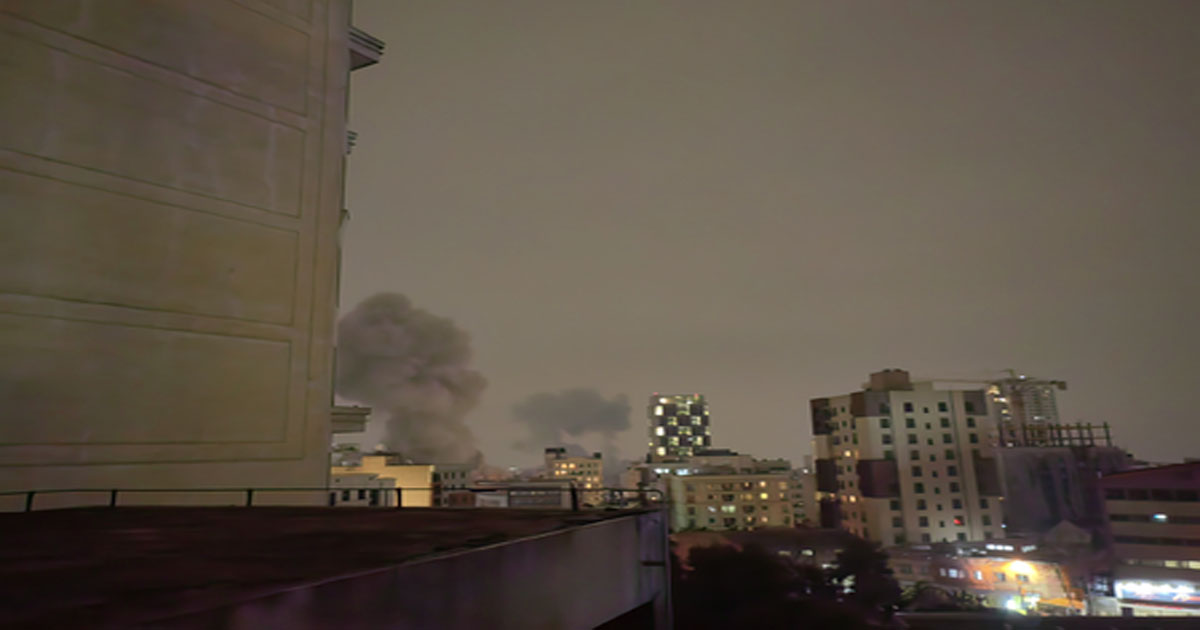
Washington, March 20: Rising costs of the Iran war and its impact on global markets are deepening divisions in Congress, with Republicans and Democrats questioning the scale and purpose of a proposed funding request that could exceed $200 billion, according to multiple US media reports.
The White House is preparing to seek massive new funding for the conflict, even as scepticism grows within President Donald Trump’s own party over the lack of a clear strategy and timeline, CNN reported. Lawmakers say the administration has yet to fully explain how the money will be used or how long the US military engagement could last.
Trump signalled the request could be substantial, arguing the military needs resources to maintain strength. “We want to be in the best shape, the best shape we’ve ever been in,” he said, adding, “It’s a small price to pay to make sure that we stay tippy top.”
But that argument is facing pushback. Some Republicans have openly rejected further spending, reflecting growing unease about what several described as a potential “endless war”.
“I am a no. I have already told leadership. I am a no on any war supplemental. I am so tired of spending money over there,” Representative Lauren Boebert said, according to CNN. “I have folks in Colorado who can’t afford to live. We need America First policies right now.”
Others are demanding detailed answers before committing support. “What are we doing? We’re talking about boots on the ground. We’re talking about that kind of extended activity,” said Representative Chip Roy. “They got a whole lot more briefing and a whole lot more explaining to do on how we’re going to pay for it and what’s the mission here?”
Fiscal conservatives have also questioned whether the proposed funding could expand further. “It begs the question, how long do they plan to be there? What are the goals? Is this the first $200 billion? Does this turn into a trillion?” Representative Thomas Massie said, CNN reported.
The debate comes as the conflict intensifies in the Gulf. US and allied forces have stepped up operations around the Strait of Hormuz, deploying attack aircraft and helicopters to target Iranian naval assets and reopen critical shipping lanes, The Wall Street Journal reported.
“The A-10 Warthog is now engaged across the southern flank, targeting fast-attack watercraft in the Strait of Hormuz,” General Dan Caine said, adding that Apache helicopters “have joined the fight on the southern flank,” according to the Journal.
The escalation has already shaken global energy markets. Oil prices surged sharply as attacks on infrastructure across the region raised fears of supply disruptions, The New York Times reported.
Analysts warned the economic fallout could deepen if hostilities continue. “Energy warfare has been utilised from day one,” said Anna Jacobs, according to The Washington Post, noting that disruptions in the Strait of Hormuz have affected a key global supply route.
At the same time, lawmakers in both parties say they have received limited and incomplete cost assessments, adding to concerns over approving such a large sum. Some Republicans have proposed conditions, including spending offsets or audits of Pentagon finances, before backing any funding bill.
Senate leaders have indicated the path forward remains uncertain. “It remains to be seen” whether the request could pass, Senate Majority Leader John Thune said, according to CNN.
Democrats, meanwhile, remain largely opposed to approving funds under current conditions, further complicating the administration’s efforts to secure congressional backing.
The conflict has also triggered broader policy debates within the administration, including whether easing sanctions on Iranian oil could help stabilise global prices, The Washington Post reported. Officials say such steps could bring additional supply to the market, though analysts warn it could also strengthen Iran financially during the war.
International News
All rhetoric, no action: Saudi Arabia realises Pakistan not dependable security partner
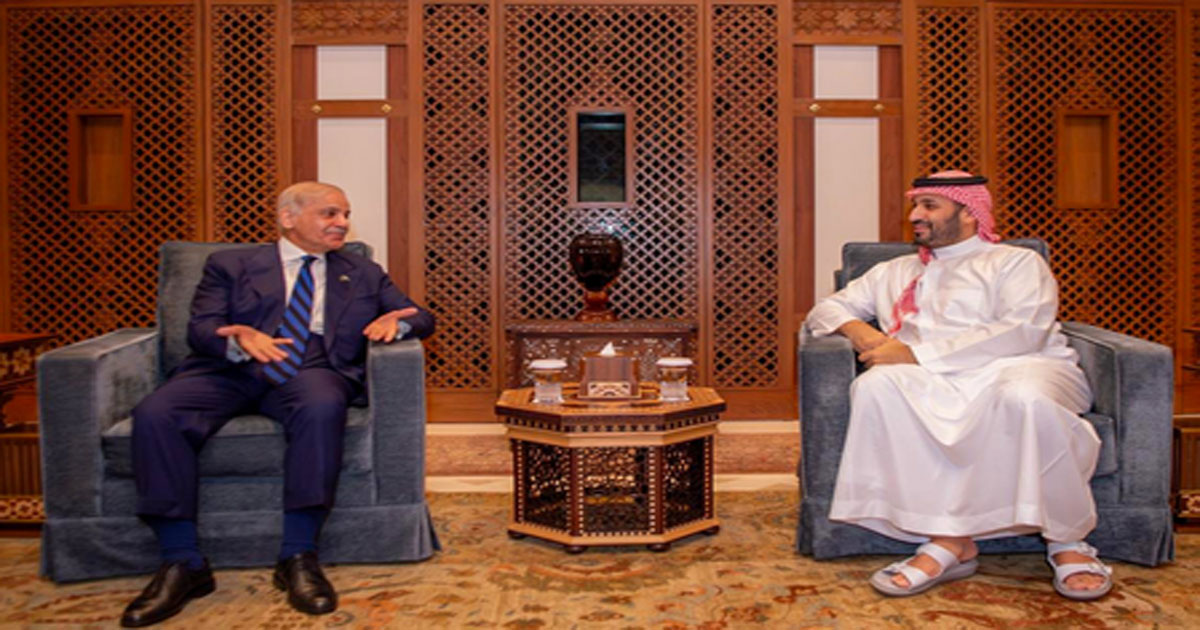
Islamabad, March 19: Pakistan’s response to the ongoing conflict in West Asia has sparked concerns about the strength and credibility of the Saudi–Pakistan Strategic Military Defence Agreement. Recent events involving Iran, Saudi Arabia and Pakistan have revealed cracks in ties long projected as strategic and reliable.
“The agreement, first signed with much fanfare, was framed as a partnership in which both nations would support each other in the event of external threats. Analysts at the time likened it to a NATO-style alliance, with the principle that aggression against one would be considered aggression against both. The pact was presented as a symbol of brotherhood and strategic alignment between a wealthy Gulf state and its South Asian partner, with Islamabad positioning itself as a reliable provider of security support,” a report in South Africa’s ‘The Star’ stated.
“Fast forward to 28 February 2026, when coordinated strikes attributed to United States and Israel targeted Iranian military and political infrastructure. Tehran responded with retaliatory strikes targetting Gulf states, including Saudi Arabia. In theory, this should have been a moment when Pakistan’s commitment under the defence pact was tested. Yet, Pakistan has not made any visible military contribution, prompting observers to question its role as a dependable partner,” it added.
Pakistan, instead of projecting force in support of Saudi Arabia, has remained focused on its conflict with Afghanistan. The recent escalation of tensions has allowed Pakistan to effectively sidestep the more immediate obligations that the agreement with Saudi Arabia might suggest. Analysts have contended that Pakistan’s calculated restraint demonstrates domestic constraints and a broader reassessment of what it is willing to commit in international military partnerships.
The current situation showcases a difference between rhetoric and action. For years, Pakistan has projected itself as a strategic anchor for Saudi Arabia’s security, however, at the time of demand, the alliance seems less robust than previously suggested. For Saudi Arabia, this gap between expectation and action is likely disconcerting, the report highlighted.
“The kingdom invested significant diplomatic and strategic capital in framing the SMDA as a serious and binding commitment. For years, Saudi officials have cited the pact as evidence of Islamabad’s reliability and as a hedge against regional threats. The present crisis, however, suggests that when tested under real conditions, Pakistan’s support may be more symbolic than operational. The implications of Pakistan’s cautious posture are complex.
“Firstly, it could affect Saudi Arabia’s calculations in the West Asia, particularly regarding defence partnerships and dependence on regional allies. Saudi Arabia may now consider alternative arrangements or to deepen cooperation with other partners, including Western states, to compensate for gaps observed in Pakistan’s commitment. Secondly, credibility of Pakistan in regional diplomacy could be tested. Other nations observing the agreement’s implementation may question on whether they should trust Pakistan for future crisis, impacting its strategic leverage and its standing as a regional actor,” The Star report stated.

Mumbai: SIM card used in cyber fraud, case registered against SIM card agents from Nagpara and Andheri

Large-Scale Land Record Irregularities in Maharashtra Spark Statewide Audit

‘Dhurandhar 2 Is A Pakistani Film, Why Show It To People Of Hindustan?’ Samajwadi Party MLA Abu Azmi Slams Ranveer Singh Starrer Movie

‘Saw People Facing Shortage, Felt Deeply Concerned’, Says Consulate General of Iran In Mumbai Amid LPG Crisis; Calls India ‘Friend & Partner’

Maharashtra Infra Update: JNPT Linked Expressway Connecting Mumbai-Pune -Goa Routes Moves Ahead, Bids Open April 16

Married Mumbai Woman Mocked In Andheri Society Over ‘Lift Kissing’ CCTV Video, Files Police Complaint

Mumbai: JBCN International School In Borivali Gets Bomb Threat, Search Reveals Hoax, Students Safe

Former Arsenal Star Mesut Ozil’s Convoy Gets Involved In Road Accident During Bangladesh Visit

Mumbai Local Train Update: Mega, Jumbo Blocks Announced On Central, Harbour & Western Lines On February 22; Check Time & Route Here

Mumbai Crime Branch Issues LOC Against Lawrence Bishnoi Aide Harry Boxer For Threatening Actor Ranveer Singh
-

 Crime4 years ago
Class 10 student jumps to death in Jaipur
-

 Maharashtra1 year ago
Mumbai Local Train Update: Central Railway’s New Timetable Comes Into Effect; Check Full List Of Revised Timings & Stations
-

 Maharashtra1 year ago
Mumbai To Go Toll-Free Tonight! Maharashtra Govt Announces Complete Toll Waiver For Light Motor Vehicles At All 5 Entry Points Of City
-

 Maharashtra1 year ago
False photo of Imtiaz Jaleel’s rally, exposing the fooling conspiracy
-

 National News1 year ago
Ministry of Railways rolls out Special Drive 4.0 with focus on digitisation, cleanliness, inclusiveness and grievance redressal
-

 Maharashtra1 year ago
Maharashtra Elections 2024: Mumbai Metro & BEST Services Extended Till Midnight On Voting Day
-

 National News1 year ago
J&K: 4 Jawans Killed, 28 Injured After Bus Carrying BSF Personnel For Poll Duty Falls Into Gorge In Budgam; Terrifying Visuals Surface
-

 Crime1 year ago
Baba Siddique Murder: Mumbai Police Unable To Get Lawrence Bishnoi Custody Due To Home Ministry Order, Says Report