
Maharashtra
Critics of Bengal govt hung in public: Devendra Fadnavis

In West Bengal, critics of the government are beheaded and their bodies hung out on the streets for all to see, former Maharashtra Chief Minister and BJP’s Goa election in-charge Devendra Fadnavis said on Tuesday.
Addressing a meeting of the Bharatiya Janata Party (BJP) workers here, Fadnavis also urged the voters in Goa to steer clear of the Trinamool Congress, saying the ‘autocratic’ party was trying to woo Goan voters by packaging the party attractively.
“In West Bengal, if you speak against the government, they behead you, or cut your hands or legs. People are hung on the streets, this is the state of democracy under the rule of the Trinamool Congress and they are trying to bring this autocratic behaviour in Goa by packaging it attractively,” Fadnavis said.
He also said that both the Trinamool Congress as well as the Aam Aadmi Party were not suited to Goa.
“Both parties (AAP and Trinamool) are not suited for Goa…. Goa has a culture of its own.
“BJP has given a stable government for 10 years. What is the biggest achievement of the BJP government? The government has integrated Goa through extensive infrastructure projects,” Fadnavis said.


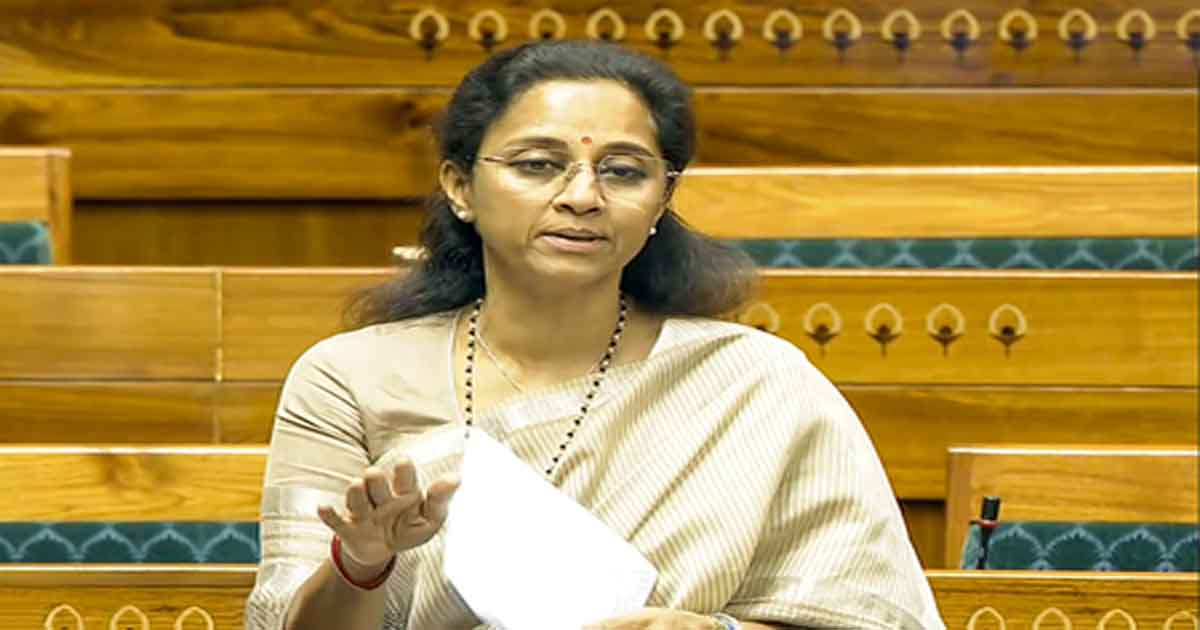
The categorical statement by Nationalist Congress Party (Sharadchandra Pawar) working president and Baramati MP Supriya Sule on Saturday, declaring that merger talks had come to a “full stop” following the tragic death of her brother Ajit Pawar in January this year, and ruling out any possibility of joining the BJP-led NDA, marks a decisive turning point in Maharashtra politics.
With personal ties severed and the two factions aligned with opposing national alliances, the two wings of the Nationalist Congress Party (NCP) now face distinct challenges in sustaining their political relevance, expanding their support base and securing their future in Maharashtra politics.
Having rejected both reunification with the ruling faction and alignment with the National Democratic Alliance (NDA), the NCP (SP) has chosen ideological consistency over immediate access to state power. The Sharad Pawar-led faction is expected to focus more now on its consolidation as the principal Opposition anchor in Maharashtra.
With eight Lok Sabha MPs — far outnumbering the rival faction’s lone MP—NCP–SP holds significant leverage in Delhi and within the Maha Vikas Aghadi (MVA).
By staying firmly in the Opposition, Sule has avoided triggering an internal revolt from younger leaders like Rohit Pawar, who had reportedly threatened to join the Congress if NCP–SP aligned with the Bharatiya Janata Party (BJP).
However, with only 10 MLAs in the Maharashtra Assembly and the next Assembly elections years away, keeping ground-level cadres motivated without state patronage or development funds is notoriously difficult in Western Maharashtra’s cooperative-driven politics.
Former Maharashtra deputy chief minister Ajit Pawar was the undisputed organisational engine of the rival faction. Without his direct grip over local sugar cooperatives, district banks, and municipal bodies, NCP–SP can target second-rung leaders and disgruntled MLAs in the Sunetra Pawar camp who feel sidelined by senior leaders like Praful Patel or Sunil Tatkare.
Poaching the sitting MLAs may invite immediate retaliation from the BJP-led state machinery, including investigative agency scrutiny and financial squeezes on cooperative institutions.
At 86, Sharad Pawar’s active campaigning bandwidth is naturally limited. Sule’s firm “no” to a merger establishes her independent authority, signalling to cadres that she is not looking for a crutch from the ruling faction to inherit her father’s political legacy.
She can position herself as a policy-focused national parliamentarian while empowering Rohit Pawar and Jayant Patil to handle state-level street agitation. Over the medium term, if sustaining a standalone regional party without the “Clock” symbol becomes resource-heavy, NCP (SP) could explore closer structural integration—or even a future merger—with the Congress, returning to its pre-1999 roots.
As far as the ruling NCP faction is concerned, Sule’s statement closes off an easy path to regaining emotional legitimacy among traditional Pawar loyalists. Operating without Ajit Pawar’s charismatic mass appeal, Sunetra Pawar and senior leaders face acute strategic choices.
Sunetra Pawar holds the dual positions of Maharashtra Deputy Chief Minister and national president of the NCP. The party may have to explore an option of transition from a one-man command structure (Ajit Pawar) to a collective leadership model where Sunetra Pawar serves as the unifying Pawar surname and empathetic face, while the party working president Praful Patel manages Delhi equations, the Maharashtra unit chief Sunil Tatkare handles state organisation, and senior minister Chhagan Bhujbal anchors the Other Backward Class (OBC) outreach.
However, recent setbacks in the October 2026 Maharashtra Legislative Council (MLC) polls (where the party nominee lost to NCP (SP) in the Aurangabad graduates constituency) indicate that transferring Ajit Pawar’s personal vote bank seamlessly to a new leadership setup is proving challenging.
With 41 MLAs in a comfortable Mahayuti government, the NCP does not face an immediate existential threat. It can use ministerial portfolios, Guardian Ministerships (such as Pune and Beed), and state funds to keep its MLAs satisfied and ring-fence its Western Maharashtra bastions ahead of local body and civic polls.
But the over-dependence on the BJP may reduce the party’s autonomous identity. As seen in Chief Minister Devendra Fadnavis’s remarks that the BJP would expect to be consulted on any merger, the BJP treats the NCP as a junior partner whose seat share in future elections could be trimmed if its independent vote transfer weakens.
If a formal party-to-party merger is off the table, the ruling NCP can still weaken NCP (SP) incrementally by inducing individual MLAs or local strongmen from Sharad Pawar’s camp to cross over, citing constituency development funds and three more years of Mahayuti rule. However, bringing in outsiders could trigger friction among its own 41 MLAs over ticket distribution and cabinet berths, said the party insiders.
As long as NCP’s identity revolves around being the “other Pawar faction,” it remains vulnerable to comparisons with Sharad Pawar’s original legacy. Sunetra Pawar has already signalled a shift towards issue-based positioning — such as focusing on artificial intelligence (AI) and modern technology in agriculture and party introspection.
Carving out a distinct social coalition (Maratha-OBC-minority balance within the NDA) is essential to survive independently of the Baramati family dynamic.
The political observers argued that a permanently divided NCP prevents either faction from recreating the undivided NCP’s 55–70 seat dominance in Maharashtra. In Western Maharashtra, the BJP gains room to expand into traditional sugar-belt constituencies, while the Congress becomes the primary beneficiary of anti-BJP votes within the MVA.
For voters and party workers, the biggest fallout of Sule’s announcement is clarity. Since January 2026, persistent rumours of a reunion kept cadres in both camps hesitant to attack each other aggressively. With reunification formally buried, both factions will have to now fight each other as permanent political rivals.
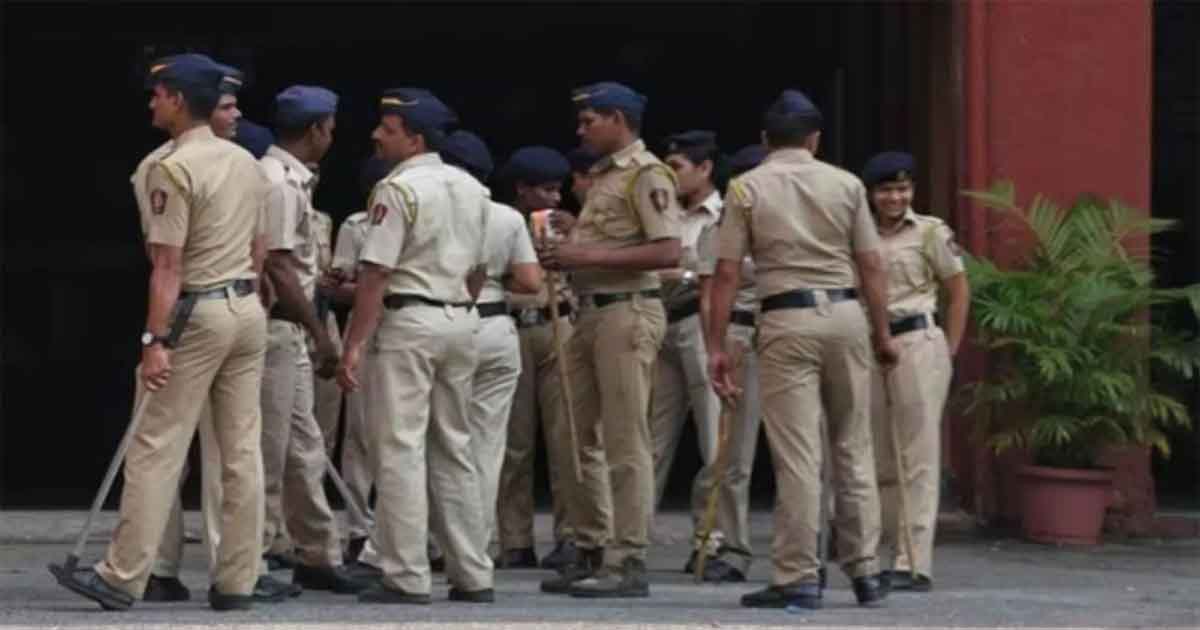
On August 1, 2026, at approximately 2:00 PM, within the jurisdiction of the Meghwadi Police Station in Mumbai—specifically at the BMC Ground, Sher-e-Punjab Colony, Andheri (East)—two individuals, Abdul Arbaz Kaleemuddin Ansari (alias ‘Kachwa’, aged 25) and Aftab Aslam Khan (aged 26), were found in illegal possession of 10 grams of MD (Mephedrone)—a narcotic substance—with an estimated value of ₹1,00,000. They were allegedly acting in collusion with the intent to sell these narcotics. A case (No. 381/2026) was registered against them at the Meghwadi Police Station under Sections 8(c), 22(b), 22(c), and 29 of the Narcotic Drugs and Psychotropic Substances (NDPS) Act, 1985.
During the investigation, it was revealed that the kingpin, Mohsin Munawwar Khan—who is currently wanted—is involved in an organized drug trafficking operation within the Mumbai area. Following this discovery, additional charges under Sections 3(1)(ii), 3(2), and 3(4) of the Maharashtra Control of Organised Crime Act (MCOCA), 1999, were added to the case. Mohsin Munawwar Khan and Mateen Munawwar Khan are identified as wanted suspects in this case, and the investigation remains ongoing as efforts to locate them continue. So far, five individuals have been arrested in connection with this crime. The arrested suspects are: 1) Abdul Arbaz Kalimuddin Ansari, alias ‘Kachhua’; 2) Aftab Aslam Khan; 3) Yusuf Iftikhar Khan; 4) Taufiq Rafiq Shaikh, alias ‘Taufiq Andha’; and 5) Taufiq Mohammad Yusuf Memon, alias ‘Malik’.
Officers and personnel from the Anti-Narcotics Squad of the Meghwadi Police Station have achieved a significant breakthrough by seizing a large quantity of MD (Mephedrone). Furthermore, they have initiated legal proceedings against the suspects—who were involved in supplying these narcotics across Mumbai and its surrounding areas—under the Maharashtra Control of Organised Crime Act (MCOCA).
This successful operation was carried out under the directives of Mumbai Police Commissioner Deven Bharti, Joint Police Commissioner Manoj Kumar Sharma, and DCP Datta Nalawade.
Maharashtra
Shiv Sena(UBT) questions legality of ‘phone tapping’; cites Telecom, Telegraph Acts in ‘Samaana’

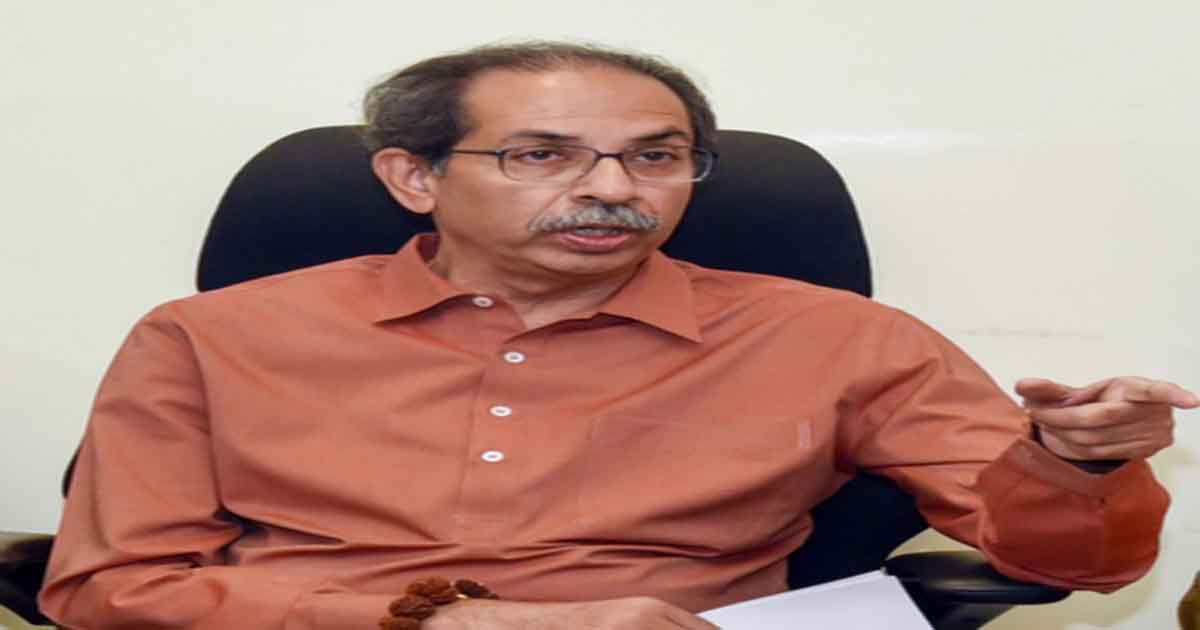
The Shiv Sena Uddhav Balasaheb Thackeray on Monday launched an attack on Prime Minister Narendra Modi and Home Minister Amit Shah over allegations of illegal phone tapping, drawing parallels to international political scandals and branding the practice an “assault” on Indian democracy.
The Thackeray camp, in an editorial in the party’s mouthpiece, ‘Samaana’, referred to the recent explosive claims by Rahul Gandhi, the Leader of Opposition in the Lok Sabha, alleging that incriminating evidence against PM Modi is stored on his phone, which he claims authorities are attempting to erase and monitor.
The editorial argued that intercepting the communications of opposition leaders under PM Modi’s directives constitutes a severe criminal offence and an invasion of privacy. It highlighted that under Section 5(2) of the Indian Telegraph Act, 1885, and Section 20 of the Telecommunication Act, 2023, legal interception by central or state home secretaries is strictly restricted to national security threats, sovereignty, and public emergencies — conditions it argues do not apply to political opponents.
The Thackeray camp further suggested that the alleged surveillance apparatus under the current administration is not limited to Rahul Gandhi alone, claiming that prominent figures within the ruling establishment — including Uttar Pradesh Chief Minister Yogi Adityanath, Maharashtra CM Devendra Fadnavis, Defence Minister Rajnath Singh, and senior military officers — may also be targets.
Recalling the controversy surrounding the Israeli-developed Pegasus spyware introduced during PM Modi’s tenure, the editorial likened current events to the political downfall of former Israeli Prime Minister Benjamin Netanyahu.
The editorial remarked that just as Netanyahu faced electoral defeat after targeting political rivals, similar political tides signal an impending loss for the current central leadership, with Rahul Gandhi poised to assume power.
The editorial also revisited past political controversies in Maharashtra, accusing Devendra Fadnavis of leveraging the state police machinery and top-ranking Director General of Police (DGP) officials — who were allegedly sent to Israel for phone-tapping training — to monitor key political rivals and journalists during previous regime shifts.
Concluding with a stern warning, the Uddhav Thackeray-led Shiv Sena stated that if constitutional frameworks and democratic norms are subverted through authoritarian surveillance, public trust in governance will collapse, potentially driving citizens to the streets to overthrow a “corrupt and tyrannical government”.

Salman Khan shot in freezing water for 6 hours, ate food in wet clothes, says ‘Maatrubhumi’ director

Father-son duo rescued from drowning in Ganga during Chhath Puja in Haridwar

Supriya Sule’s merger ‘full stop’ leaves two NCP factions to fight separate battles

Mumbai Meghwadi Police invoke MCOCA against a drug-peddling gang.

IEPFA, SEBI to hold investor camp for unclaimed shares and dividends

Congress trying to protect 3 crore Bangladeshi infiltrators in voter list: HM Shah

Red Fort car blast probe exposes blueprint for spread of terror modules across India

Tiger Shroff attack: Bihar family denies accused is their son

Trump flags Iran targets as talks continue

‘Should face same punishment as adults’: Abu Azmi demands lowering of age of juvenile offenders to 14
-

 Crime4 years ago
Class 10 student jumps to death in Jaipur
-

 Maharashtra2 years ago
Mumbai Local Train Update: Central Railway’s New Timetable Comes Into Effect; Check Full List Of Revised Timings & Stations
-

 Maharashtra2 years ago
Mumbai To Go Toll-Free Tonight! Maharashtra Govt Announces Complete Toll Waiver For Light Motor Vehicles At All 5 Entry Points Of City
-

 Maharashtra2 years ago
False photo of Imtiaz Jaleel’s rally, exposing the fooling conspiracy
-

 National News2 years ago
Ministry of Railways rolls out Special Drive 4.0 with focus on digitisation, cleanliness, inclusiveness and grievance redressal
-

 Maharashtra2 years ago
Maharashtra Elections 2024: Mumbai Metro & BEST Services Extended Till Midnight On Voting Day
-

 National News2 years ago
J&K: 4 Jawans Killed, 28 Injured After Bus Carrying BSF Personnel For Poll Duty Falls Into Gorge In Budgam; Terrifying Visuals Surface
-

 Crime2 years ago
Baba Siddique Murder: Mumbai Police Unable To Get Lawrence Bishnoi Custody Due To Home Ministry Order, Says Report