
disaster
Nagaland: 2 Dead, 3 Injured After Massive Boulder Crashes Into Cars On Highway Near Dimapur; Horrifying Dashcam Footage Surfaces

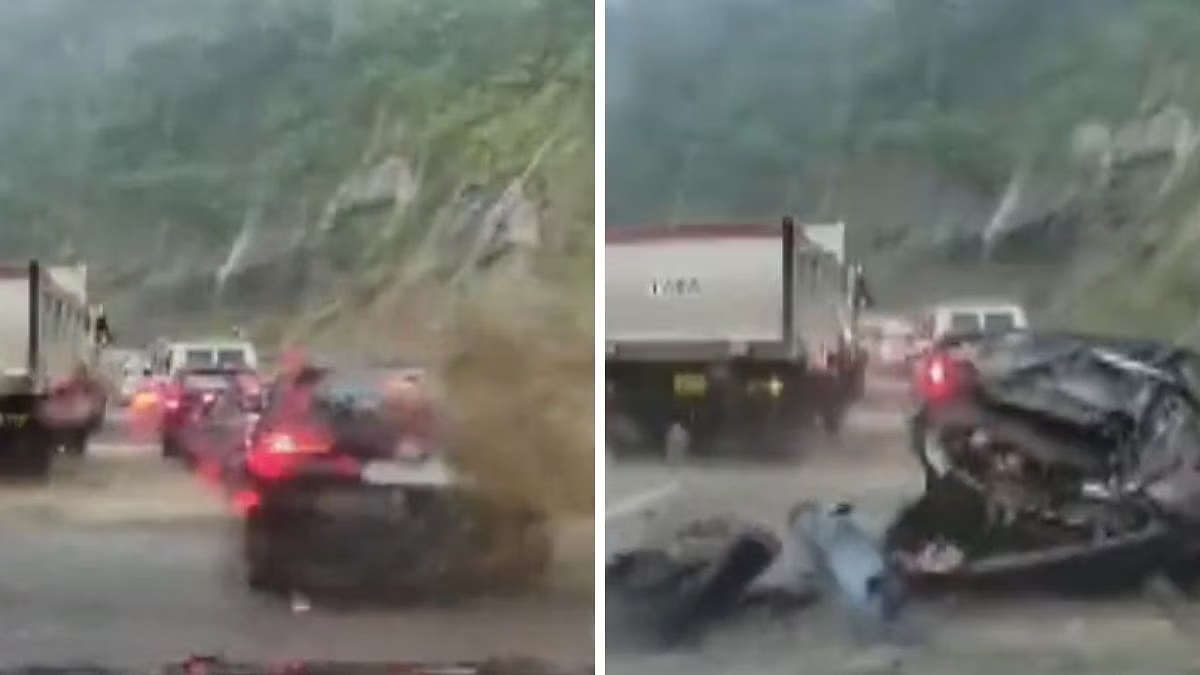
A devastating incident took place in Nagaland on Tuesday as two individuals lost their lives when massive boulders cascaded down a hill, wiping out two cars in their path. The unfortunate event took place during heavy rainfall on National Highway 29 in Chumoukedima district, situated between Dimapur and Kohima. At approximately 5 pm, the catastrophe occurred, leaving three others with severe injuries. Currently, the victims remain unidentified.
Dashcam Footage Shows Horror
Horrific footage captured by a dashboard camera of a nearby vehicle revealed the harrowing scene. As the boulders mercilessly crushed the two cars traveling from the Kohima direction, one of the rocks toppled yet another car. One fatality occurred instantly, while another individual succumbed to injuries during medical treatment at a local hospital.
CM Neiphiu Rio Announces Rs 4 Lakh Ex-Gratia
This perilous stretch where the incident took place is known as “pakala pahar” and has gained infamy for its frequent landslides and rockfalls. Chief Minister Neiphiu Rio expressed his condolences for the loss of lives through a tweet. He acknowledged the perpetual danger posed by this location and vowed that his government would take necessary measures to provide emergency services and medical aid to the injured. Additionally, a financial assistance of ₹4 lakh has been pledged to each victim’s family.
CM Stresses On Safety Issues On National Highways
The Chief Minister stressed the urgency of addressing safety concerns along the highway, calling for immediate action from the Government of India (GoI) and the National Highways and Infrastructure Development Corporation Ltd (NHIDCL). He emphasized that the safety and well-being of citizens should never be compromised, urging the concerned authorities to implement the essential safety infrastructure at these hazardous sites. Chief Minister Rio also highlighted the need for leveraging India’s technological advancements and available resources to ensure the utmost protection for the citizens.



Patna, Sep 30: A schoolgirl lost her life, and four other students were injured after a staircase collapsed at Jatadhar Mishra Primary School in Amani Panchayat under Mansi block of Khagaria district in Bihar on Wednesday.
The deceased has been identified as Ritika Kumari, daughter of Manoj Yadav, a resident of Amani Panchayat.
According to initial reports, students were present on the school premises when the staircase suddenly collapsed, leaving several children trapped under the debris.
Ritika sustained critical injuries to her head in the incident. She was rushed to a hospital for treatment, where doctors declared her dead.
Three other students injured in the collapse were admitted to Sadar Hospital in Khagaria.
They are undergoing treatment and remain under medical observation.
The incident triggered panic at the school, with family members and villagers rushing to the spot after receiving the information.
Agitated residents questioned the condition of the school building and the staircase and demanded action against those responsible.
The incident also raised concerns about the structural safety of the school premises and whether adequate measures had been taken to ensure the safety of students.
Police reached the school after being informed about the incident and took steps to control the situation.
The body of the deceased student was taken into custody for post-mortem examination.
The District Magistrate of Khagaria has directed the District Education Officer (DEO) to conduct a thorough investigation into the incident and take appropriate action against those found responsible.
The district police are currently recording statements from the injured students to ascertain the exact sequence of events.
Police are also examining the structural condition of the school building and staircase to determine whether any structural deficiencies contributed to the incident.
Based on the findings of the investigation and the reports submitted by the concerned authorities, the State Education Department is expected to take appropriate action against those responsible.
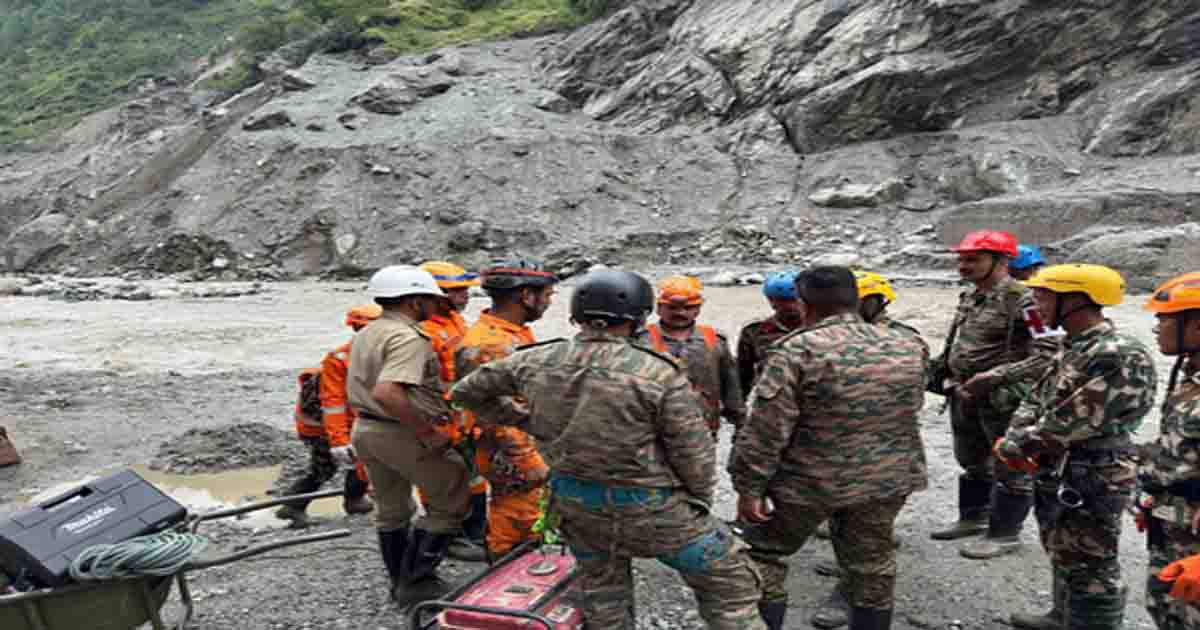
Kathmandu, Sep 29: At least 27 people have been killed and seven injured across Nepal in natural disasters, including floods, landslides, inundation, strong winds and lightning triggered by incessant rainfall across Nepal since September 24 till Monday evening, Nepal’s Prime Minister’s Office said.
In a statement, the Prime Minister’s Secretariat said four people were also reported missing during the period, while 1,065 families were affected by 513 monsoon-related incidents, citing the latest government figures.
The disasters completely damaged 225 houses and partially damaged 137 others. Twenty-seven cattle sheds and 114 livestock were also affected.
The government said it has intensified rescue, relief and rehabilitation efforts while mobilising its agencies to repair damaged infrastructure and restore normal life.
Floods and landslides damaged 147 locations along highways and major roads across the country. Of these, 125 locations have already been repaired and reopened, according to government statistics.
Traffic has also been disrupted along the Kaligandaki Corridor in western Nepal due to landslides, road subsidence and damage to bridge approaches in parts of Beni-Jomsom, Palpa, Baglung and Nawalparasi districts. Authorities estimate that it could take more than three days to fully restore the road.
Electricity supply has also been affected by the floods. A total of 1,013.2 megawatts of electricity supply through the national transmission system was disrupted in the Kaligandaki, Marsyangdi and Seti-Madi river corridors.
About a dozen hydropower projects along the Bhotekoshi and Trishuli river corridors were also badly damaged following the deadly flooding on August 26, which claimed more than 1,400 lives and left around 5,000 people missing, according to the National Disaster Risk Reduction and Management Authority.
The Nepal Electricity Authority (NEA), the state-owned power utility, said it plans to import more than 1,100 MW of electricity from India during the upcoming winter season, when domestic generation is expected to decline by around 70 percent as run-of-the-river hydropower projects generate less electricity.
Domestic electricity generation after January is expected to remain around 1,218 MW against projected demand of 2,293 MW, the NEA said.
“That’s why we have planned to import 1,155 MW of electricity from India during the upcoming dry season to manage the power supply,” Dirghayu Kumar Shrestha, managing director of the NEA, said on Monday.
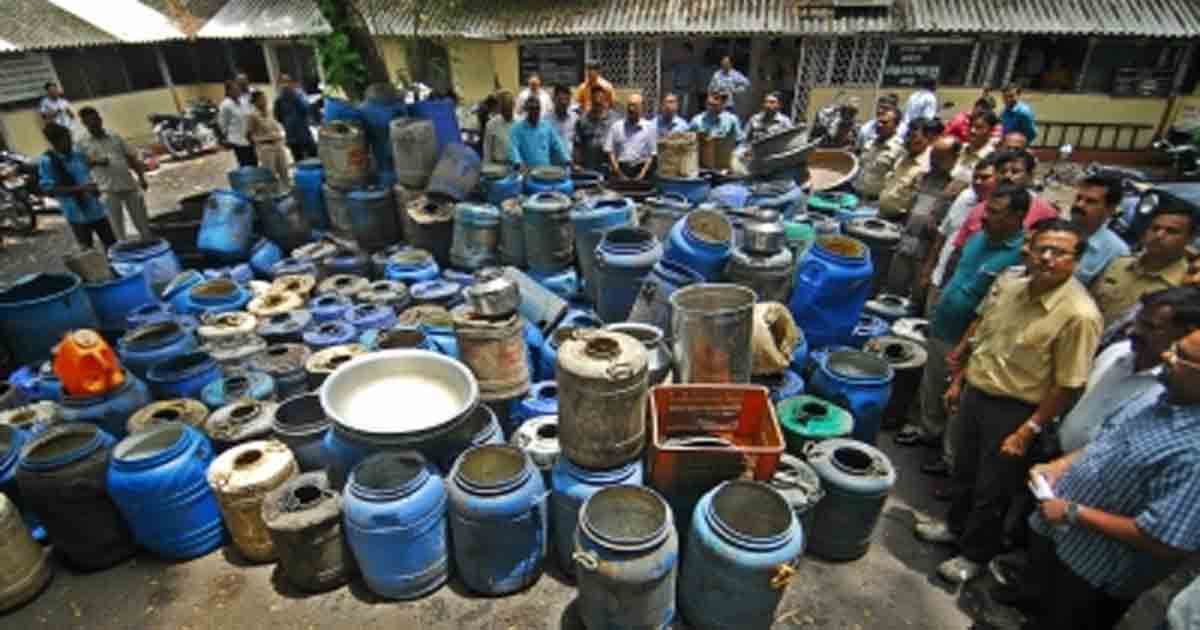
Kohima, Sep 26: At least 19 people have died in Nagaland Mokokchung and Tuensang districts over the past two days after allegedly consuming suspected spurious liquor, prompting police to launch a probe into the source and supply chain of the illicit alcohol, officials said on Saturday. As many as 19 people have been arrested in connection with the hooch tragedy till now.
A police official in Kohima said eight deaths were reported in Mokokchung district and 11 in Tuensang district.
He said that a Special Investigation Team (SIT), headed by Additional Superintendent of Police, Bunglang Chang, has been constituted to investigate the deaths and trace the source of the suspected adulterated liquor.
“Some leads have been obtained, but it is too premature to disclose details,” the official said.
Samples of the liquor have been sent to a laboratory in Guwahati for forensic examination to ascertain the cause of the deaths, he said.
Following the fatalities, police conducted raids at multiple locations and arrested 19 people, while nearly 3,000 bottles of liquor were seized.
Nagaland has had a prohibition law in force since 1990, although the consumption and illegal sale of liquor continue to pose challenges in the state.
Police have, on a number of occasions, advised people against consuming unidentified, unlabelled or suspected illicit liquor and urged anyone experiencing symptoms such as dizziness, blurred vision, breathing difficulties or loss of consciousness after consuming alcohol to seek immediate medical attention.
The investigation is underway.
Meanwhile, earlier this month at least nine people, including three members of a family, died at the Tuensang Civil Hospital in Nagaland after allegedly consuming suspected spurious liquor, prompting the state police to issue a red alert and urge people to refrain from consuming liquor from unknown or unauthorised sources.
Police officials had said that the victims reportedly complained of breathlessness after consuming the suspected adulterated liquor and subsequently died.
Nagaland Director General of Police (DGP) Rupin Sharma had said that the victims reportedly succumbed to what is suspected to be spurious liquor. An official release had said that a total of nine deaths were reported in Tuensang Town and Chendang Saddle on September 10 and 11.
Preliminary enquiries revealed that in most of the cases, the deceased had reportedly consumed liquor before developing symptoms such as blurred vision, severe headache, dizziness, nausea and vomiting.
Widespread information dissemination and public awareness efforts have also been undertaken to alert people about the potential risks associated with consuming liquor obtained from unknown, unauthorised or suspected adulterated sources, a police official said.

Rs 734 crore GST scam: Jharkhand businessman, son arrested by ED sent to judicial custody

Delhi Crime Branch arrests active member of Takkar gang in attempt-to-murder case

Gujarat: Man held in two cyber fraud cases; bank account linked to Rs 7 cr cheating

Mumbai: BMC directed to strictly implement ‘Air Pollution Control and Enforcement Action Plan 2026’: Mayor Ritu Tawde

A memorandum containing lakhs of voters’ signatures from 56 places in support of removing Gyanesh Kumar will be presented to the Governor: Raees Sheikh

Gift to President Putin part of PM Modi bid to globally display India’s heritage

PM Modi’s warm camaraderie with Putin, Xi on full display at BRICS Summit

BMC takes action against Mumbai Central Orchid City Mall; mall shut down.

Corporators of all parties in trouble! Corporators of all major parties including Shiv Sena (UBT), BJP and Congress are facing legal challenges.

Complaint against Netflix & Mukesh Chhabra for inappropriate language on ‘India’s Got Latent 2’
-

 Crime4 years ago
Class 10 student jumps to death in Jaipur
-

 Maharashtra2 years ago
Mumbai Local Train Update: Central Railway’s New Timetable Comes Into Effect; Check Full List Of Revised Timings & Stations
-

 Maharashtra2 years ago
Mumbai To Go Toll-Free Tonight! Maharashtra Govt Announces Complete Toll Waiver For Light Motor Vehicles At All 5 Entry Points Of City
-

 Maharashtra2 years ago
False photo of Imtiaz Jaleel’s rally, exposing the fooling conspiracy
-

 National News2 years ago
Ministry of Railways rolls out Special Drive 4.0 with focus on digitisation, cleanliness, inclusiveness and grievance redressal
-

 Maharashtra2 years ago
Maharashtra Elections 2024: Mumbai Metro & BEST Services Extended Till Midnight On Voting Day
-

 National News2 years ago
J&K: 4 Jawans Killed, 28 Injured After Bus Carrying BSF Personnel For Poll Duty Falls Into Gorge In Budgam; Terrifying Visuals Surface
-

 Crime2 years ago
Baba Siddique Murder: Mumbai Police Unable To Get Lawrence Bishnoi Custody Due To Home Ministry Order, Says Report