
National News
Mumbai Weather Update For Dec 26, 2025: City Wakes Up To Winter Chill, But Unhealthy Air Quality Casts A Shadow Over Health; Overall AQI At 277

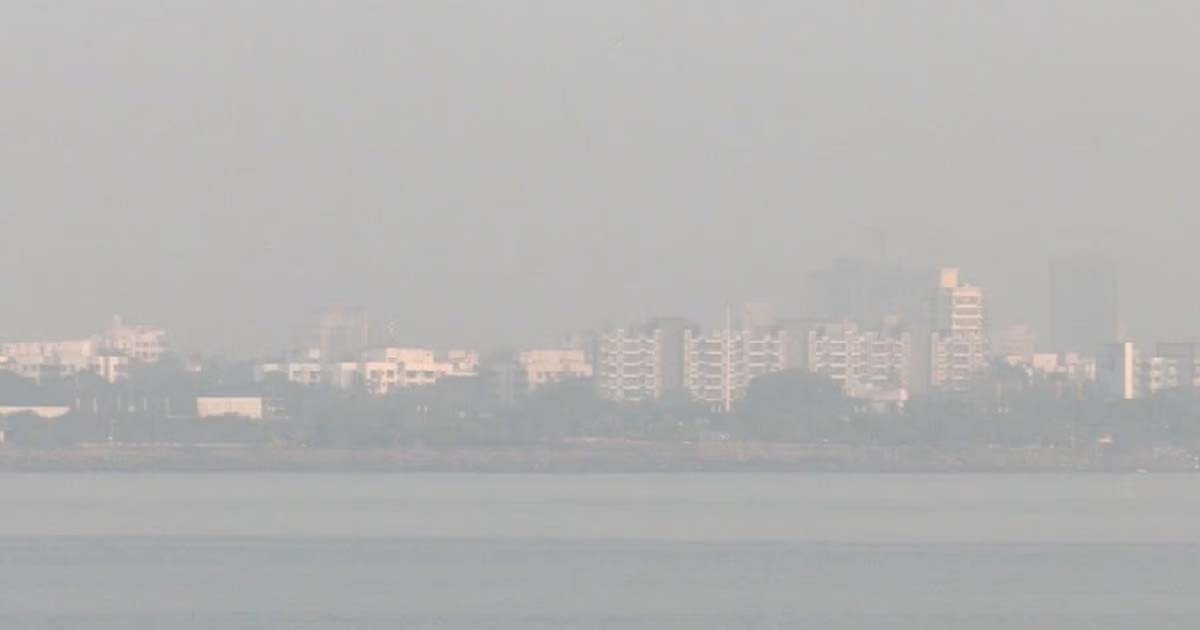
Mumbai: experienced a refreshing winter nip on Friday morning, as clear skies, cooler winds and mild temperatures gave residents a pleasant start to the day. The India Meteorological Department (IMD) said temperatures were expected to range between a minimum of around 18°C and a maximum of 33°C, making it one of the more comfortable winter days of the season.
However, the seemingly picture-perfect weather masked a growing environmental concern. A thin layer of haze hovered over large parts of the city, underlining Mumbai’s persistent struggle with air pollution. According to data from air quality monitoring platform AQI.in, the city’s overall Air Quality Index (AQI) stood at a worrying 277 in the early hours of Friday, placing it firmly in the ‘unhealthy’ category.
While the AQI showed marginal improvement compared to some of the extreme readings recorded in recent weeks, pollution levels remain dangerous, particularly for vulnerable groups such as children, senior citizens and people suffering from respiratory or cardiac conditions.
The deteriorating air quality is largely due to dust and fine particulate matter generated by Mumbai’s relentless infrastructure expansion. Ongoing government projects, including metro rail corridors, coastal road construction, flyovers, bridges and extensive road-widening works, combined with aggressive private real estate development, continue to release large volumes of dust into the atmosphere. Vehicular emissions during peak traffic hours further compound the problem.
Area-wise AQI data revealed stark contrasts across the city. The Wadala Truck Terminal emerged as the worst-affected zone, recording a staggering AQI of 384, categorised as ‘severe’. Such levels pose serious health risks even to otherwise healthy individuals. Chembur (332) and Worli (328) also reported severe air quality, while Bandra East and Deonar registered AQI readings of 324 and 321, respectively in the severe range.
Suburban regions fared slightly better, though air quality remained far from acceptable. Kandivali East and Borivali East recorded AQI levels of 143 and 157, while Borivali West stood at 167. Malad West (180) and Mulund West (183) were also placed in the ‘poor’ category, indicating widespread pollution across the metropolitan region.
For reference, AQI values between 0–50 are considered ‘good’, 51–100 ‘moderate’, 101–150 ‘poor’, 151–200 ‘unhealthy’, and readings above 200 are deemed ‘hazardous’. With Mumbai’s air quality consistently crossing unhealthy thresholds, concerns are mounting over long-term public health impacts as winter progresses and pollution episodes become more frequent.


National News
Operation Clean triggers documentation row over 250-year-old shrine in Jaisalmer border district

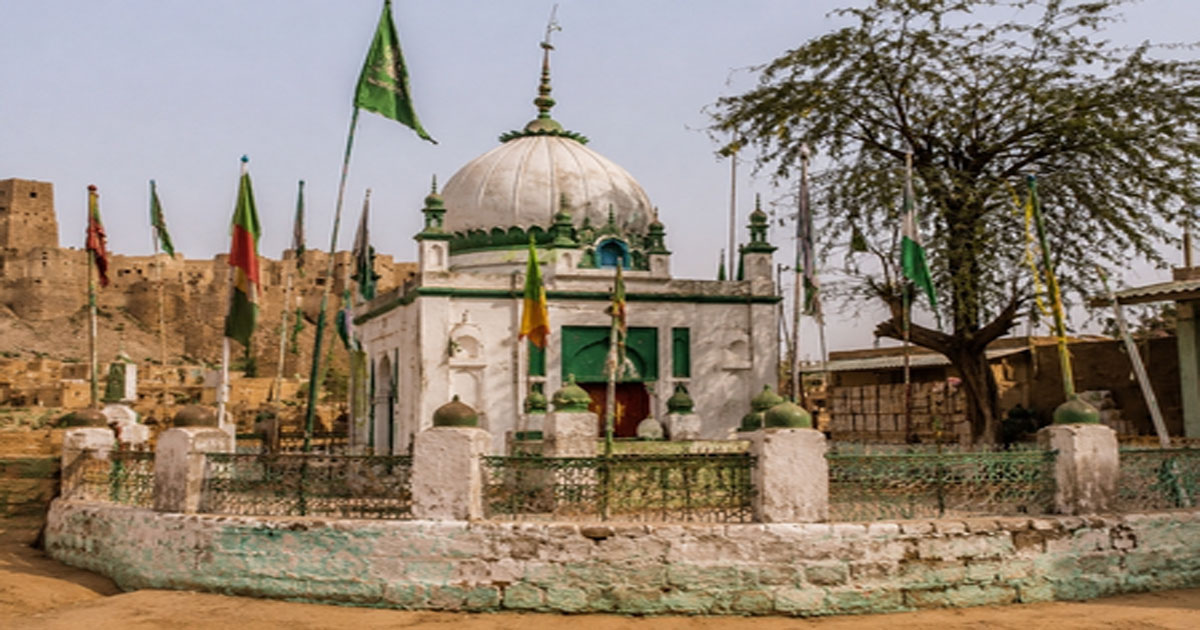
Jaisalmer, June 20: How does a community produce paperwork for a shrine that has existed for nearly 250 years? That question lies at the heart of a growing controversy in Rajasthan’s border district of Jaisalmer, where an administrative notice seeking land ownership documents for the historic Mehmood Shah Peer Jilani shrine has sparked protests and a wider debate over faith, heritage and governance.
The notice, issued under the administration’s ongoing “Operation Clean” drive against alleged illegal constructions within a 50-km radius of the India-Pakistan border, directs the shrine management to submit land-related documents by June 22, failing which action could begin after June 23 under the Rajasthan Colonisation Act.
For officials, the move is part of a routine verification exercise in a sensitive border zone.
For local residents, however, it raises a larger question: should centuries-old religious sites be judged solely by modern documentation standards?
Villagers argue that expecting documentary proof for structures established hundreds of years ago ignores the historical realities of western Rajasthan, where many shrines, temples and community spaces predate formal land-record systems.
Congress District President Amardin Fakir said the issue extends beyond a single shrine.
“Earlier, restrictions were limited to a 10-kilometre belt along the border. Later, they were extended to 15 kilometres and now effectively impact areas up to nearly 50 kilometres. A large portion of Jaisalmer’s population falls within this zone,” he said.
Fakir added that residents fear future action could extend beyond religious sites.
“Many religious places here are centuries old. At the time they were established, maintaining formal records was not a priority. It is unfair to interfere with matters of faith merely because documents are unavailable today,” he said.
Former Ramgarh Sarpanch Govind Bhargava recalled that when the Army was constructing infrastructure in the border region around 1980, villagers informed officials about the shrine’s significance.
“After inspecting the site, the construction was shifted elsewhere. Even then, the shrine’s importance was respected,” he claimed.
According to Jumma Khan, President of the Shrine Committee, the site holds deep significance for both Hindu and Muslim devotees and hosts two major annual fairs.
“Thousands of people visit every year. The shrine has been maintained through public faith and community support for generations. Obtaining ownership documents for a 250-year-old shrine is not easy,” he said.
Officials maintain that notices are being issued in accordance with legal provisions and that affected parties have been given an opportunity to present their case.
Yet, as the deadline approaches, the dispute has evolved into a broader debate over how heritage, faith and administrative regulations can coexist in India’s borderlands.
Meanwhile, former Chief Minister Ashok Gehlot said: “Given the region’s history of coexistence and mutual respect, both the Central and state governments should exercise caution and ensure that administrative decisions do not give rise to avoidable controversy or undermine the social fabric that has long distinguished these border districts.”
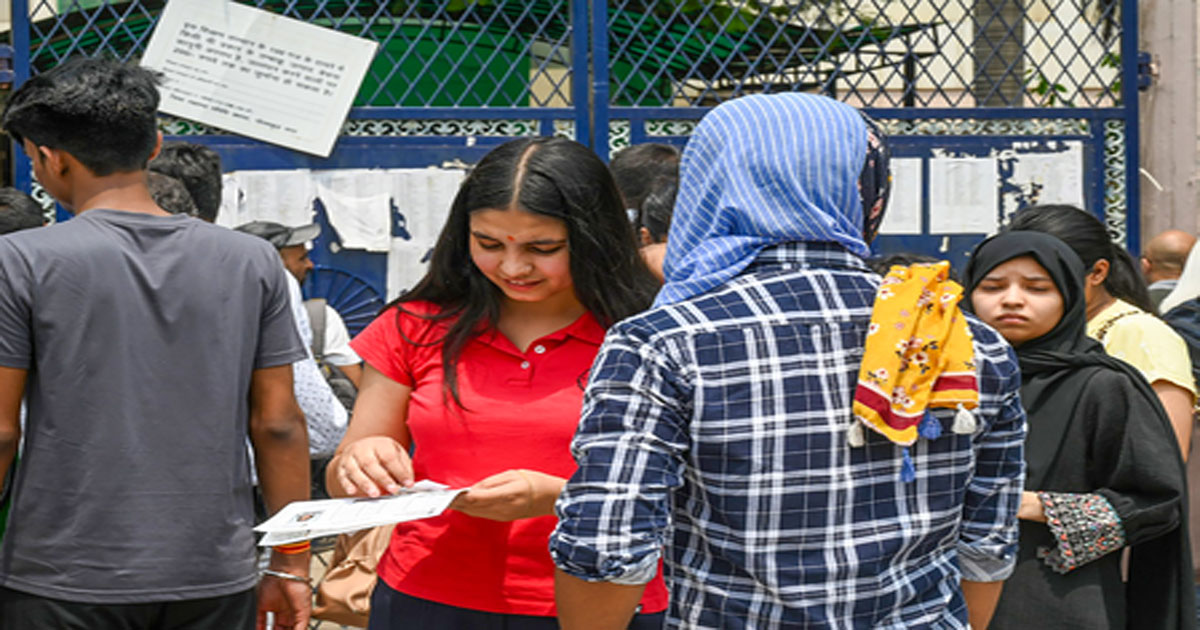
Noida, June 20: Ahead of the National Eligibility-cum-Entrance Test (NEET) re-test on June 21 (Sunday), the Gautam Buddha Nagar administration has stepped up last-minute preparations to ensure a fair, secure and hassle-free examination for thousands of students. Adequate arrangements have been put in place with heightened surveillance via CCTVs and increased police vigil around the NEET examination centres.
A group of administrative as well as police teams are inspecting the exam centres and finalising security measures to ensure that candidates do not face any inconvenience.
Joint Police Commissioner Rajiv Narayan Mishra, speaking to newsmen, said that the NEET exams will be conducted at 23 centres across the district. They include five centres in the Noida Zone, 11 in the Central Noida Zone, and seven in the Greater Noida Zone.
Sharing information about extensive arrangements, he said that adequate police personnel will be deployed at all centres, along with senior officers, to continuously monitor the exam process.
He mentioned that screening of candidates for entering the exam venue is mandatory and every candidate will have to undergo a thorough checking and frisking.
Additionally, Police Response Vehicle (PRV) teams will be stationed near the exam centres to enable immediate action in case of any emergency.
Officers of ACP, ADCP, and DCP ranks will be present at the exam centres within their respective zones. All officers have been instructed to conduct continuous patrols and keep a close watch on security arrangements throughout the duration of the exam.
“The Gautam Buddha Nagar Commissionerate states that all necessary arrangements have been made to ensure the examination is conducted in a completely peaceful, transparent, and orderly manner,” it said in a statement.
Section 163 of the Bharatiya Nyaya Sanhita (BNS) has also been invoked around the exam centres, which prohibits the assembly of crowd within 200-meter radius of the exam centres.
The Commissionerate Police has also set up special help desks at major Metro stations and bus stands. Through these help desks, students and their parents will be provided with assistance regarding examination centres, traffic-related information, and other necessary support.
New Delhi, June 20: Reacting to the gang-rape and brutalisation of a woman in Bihar’s Begusarai district, the Congress on Saturday termed the incident deeply shameful and unfortunate, saying it had crossed all limits of barbarity.
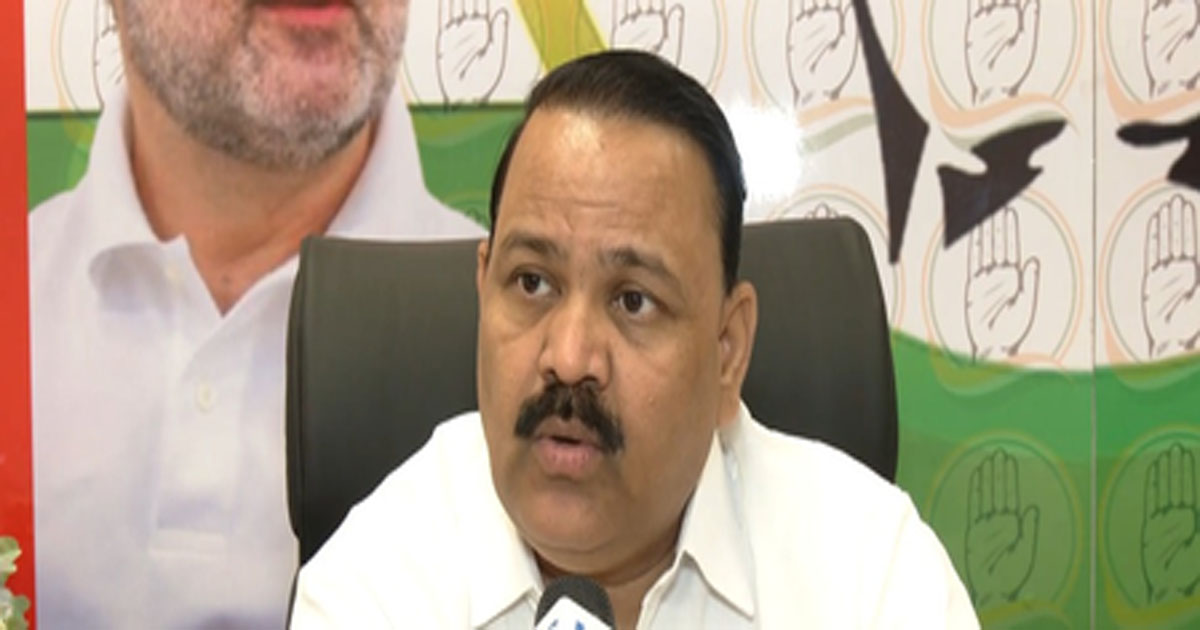
Speaking to MEDIA, Congress MP Manoj Kumar said, “The incident that has occurred there is deeply shameful and unfortunate. The governance and administration in Bihar have failed completely. They are merely making hollow claims and making promises, while the morale of criminals remains high.”
Questioning the state government’s handling of law and order, he asked, “Who is responsible for all of this? Who is responsible for such an inhuman act?”
Referring to reports surrounding the incident, Kumar said, “It is being said that the woman had gone to the police station seeking protection before the crime took place. She was helpless. The accused subjected her to extreme cruelty. Her hands were restrained, and she was brutally assaulted.”
He further alleged that such incidents have become increasingly common in the state.
“Such things are happening frequently in Bihar. Incidents of crime against women are reported almost every day. However, the kind of brutality seen in this case has crossed all limits of barbarity,” he said.
The Congress leader also questioned the silence of those who claim to champion women’s rights.
“Bihar has traditionally been a state that respects women. Why are those who once spoke about women’s dignity silent today?” he asked.
Recalling debates around the Women’s Reservation Bill, Kumar said, “A few months ago, several special discussions were held in Parliament regarding the Women’s Reservation Bill. Women MPs and leaders came out in support of the legislation and accused us of being against women’s rights. Today, the question is: Who is in power in Bihar, and what action are they taking to ensure women’s safety?”
Meanwhile, the investigation into the heinous gang-rape and brutalisation of a woman in Bihar’s Begusarai district, that is reminiscent of the 2012 Nirbhaya gang-rape case in the national Capital, intensified on Friday. Senior officials of Bihar Police launched a detailed enquiry into the shocking case and took disciplinary action against the Chakia SHO Rajiv Ranjan on Friday, for negligence.
The case, which pertains to an incident reported in the Chakia police station area on the night of June 11, gained widespread attention after allegations surfaced that a bullet, piece of wood and a stone were later recovered from the victim’s private parts during medical treatment.
Begusarai Range DIG, Shailesh Kumar Sinha, visited the victim at Sadar Hospital and met her family members to gather information about the horrific crime.
He also reviewed the progress of the investigation with police officials and sought details regarding the action taken so far in the case.
The DIG subsequently held discussions with the medical team, including the Civil Surgeon, and obtained a detailed briefing on the victim’s examination and treatment.
In a significant administrative action, Chakia SHO Rajiv Ranjan has been suspended.
According to the DIG, preliminary findings indicated negligence in handling the case, prompting departmental action against SHO Rajiv Ranjan.
Police have registered an FIR in connection with the case and constituted a Special Investigation Team (SIT) to identify and arrest the accused.
Senior officers, including the DIG and district police officials, have inspected the alleged crime scene as part of the ongoing investigation.
Officials stated that a fresh medical examination has been conducted by a medical Board, and investigators are awaiting the final report, which is expected to play a crucial role in determining the next course of action.
The police have assured that all accused people involved in the crime will be arrested and brought to justice.
Investigators are examining evidence, recording statements, and verifying all aspects of the case.
Authorities have emphasised that further legal and departmental action will be taken based on the findings of the medical report and the SIT’s investigation.
The case has generated widespread public concern and drawn attention to the handling of crimes against women in Bihar, with senior officials closely monitoring the developments in the case.
According to an official, the incident occurred within the jurisdiction of the Chakiya police station on the night of June 11.
The 30-year-old woman had stepped out of her home to use the toilet when she was allegedly intercepted by five men, who forcibly dragged her to a secluded location, tied her hands and legs with her clothes and gang-raped her.
In a show of cruelty and depravity, the rapists inserted a cartridge, wood, and a stone into the hapless woman’s her private parts.
The woman’s family has also accused the local police of failing to respond appropriately and sending them back home when they first attempted to lodge a complaint in the case.

Operation Clean triggers documentation row over 250-year-old shrine in Jaisalmer border district

Mumbai BEST strike continues… Additional buses to be provided for NEET exam centers, passengers inconvenienced due to strike

NEET exams: Noida administration heightens surveillance via CCTV, police on alert

Parbhani : Maharashtra ATS cracks down on Youth Islamic Federation, Popular Front of India Raids conducted at 15 locations

PhonePe’s wallet inactivity notifications: What users need to know

G7 Summit: PM Modi, Prez Trump discussed West Asia, India-US trade deal & bilateral cooperation across sectors: MEA

Trump, Netanyahu hold phone talks after Iranian missile fire: Israeli state media

Indian equity markets trade higher as Iran-Israel tensions ease

Rubio says Hamas disarmament key to Gaza rebuild

Israel captures strategic Beaufort Castle in southern Lebanon
-

 Crime4 years ago
Class 10 student jumps to death in Jaipur
-

 Maharashtra2 years ago
Mumbai Local Train Update: Central Railway’s New Timetable Comes Into Effect; Check Full List Of Revised Timings & Stations
-

 Maharashtra2 years ago
Mumbai To Go Toll-Free Tonight! Maharashtra Govt Announces Complete Toll Waiver For Light Motor Vehicles At All 5 Entry Points Of City
-

 Maharashtra2 years ago
False photo of Imtiaz Jaleel’s rally, exposing the fooling conspiracy
-

 National News2 years ago
Ministry of Railways rolls out Special Drive 4.0 with focus on digitisation, cleanliness, inclusiveness and grievance redressal
-

 Maharashtra2 years ago
Maharashtra Elections 2024: Mumbai Metro & BEST Services Extended Till Midnight On Voting Day
-

 National News2 years ago
J&K: 4 Jawans Killed, 28 Injured After Bus Carrying BSF Personnel For Poll Duty Falls Into Gorge In Budgam; Terrifying Visuals Surface
-

 Crime2 years ago
Baba Siddique Murder: Mumbai Police Unable To Get Lawrence Bishnoi Custody Due To Home Ministry Order, Says Report