
National News
Mayawati blasts decision to remove loudspeakers from religious places

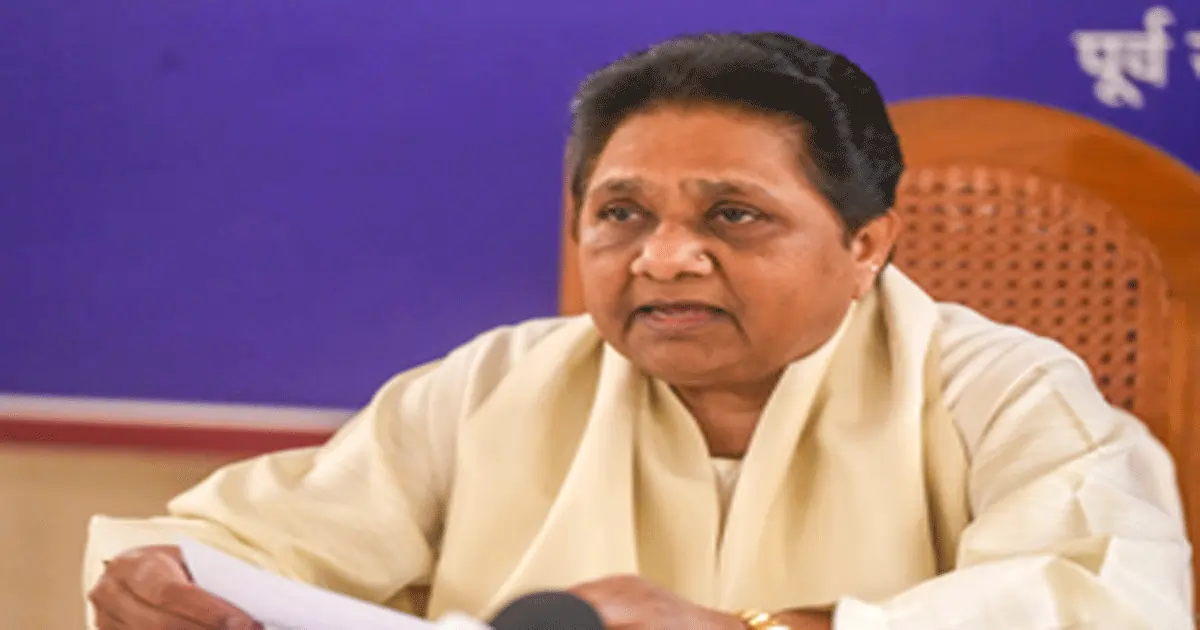
Lucknow, March 4: Bahujan Samaj Party (BSP) supremo Mayawati on Tuesday criticised the Uttar Pradesh government’s decision to remove unauthorised loudspeakers from religious places during Ramzan, urging authorities to treat all religions equally and without bias.
Taking to X, Mayawati wrote, “India is a secular country that respects all religions. In such a situation, the central and state governments should treat the followers of all religions equally without any bias, but the step-motherly attitude being adopted with Muslims even in religious matters is not justified.”
She further stressed that rules regarding restrictions and exemptions for religious festivals should be implemented fairly across all faiths.
“The rules and regulations related to restrictions and exemptions for festivals of all religions should be implemented equally without any bias, which does not seem to be happening,” she stated.
The BSP chief warned that such selective enforcement could disturb peace and harmony in society. “It is natural for peace and harmony in the society to deteriorate due to this, which is a matter of great concern. Governments must pay attention to this,” she added.
Ramzan, which began in India on Sunday, marks a month-long period of fasting and special prayers for Muslims. The celebrations are also underway in several other countries following the sighting of the crescent moon.
Throughout the month, Muslims observe fasts from early morning until sunset and participate in special evening prayers known as Tarawih, where the entire Quran is recited.
Meanwhile, the Uttar Pradesh administration has launched a crackdown on loudspeakers exceeding prescribed noise levels at all religious sites.
The police have been strictly enforcing the directive, prompting Muslim religious leaders to demand concessions for the use of loudspeakers during Ramzan.

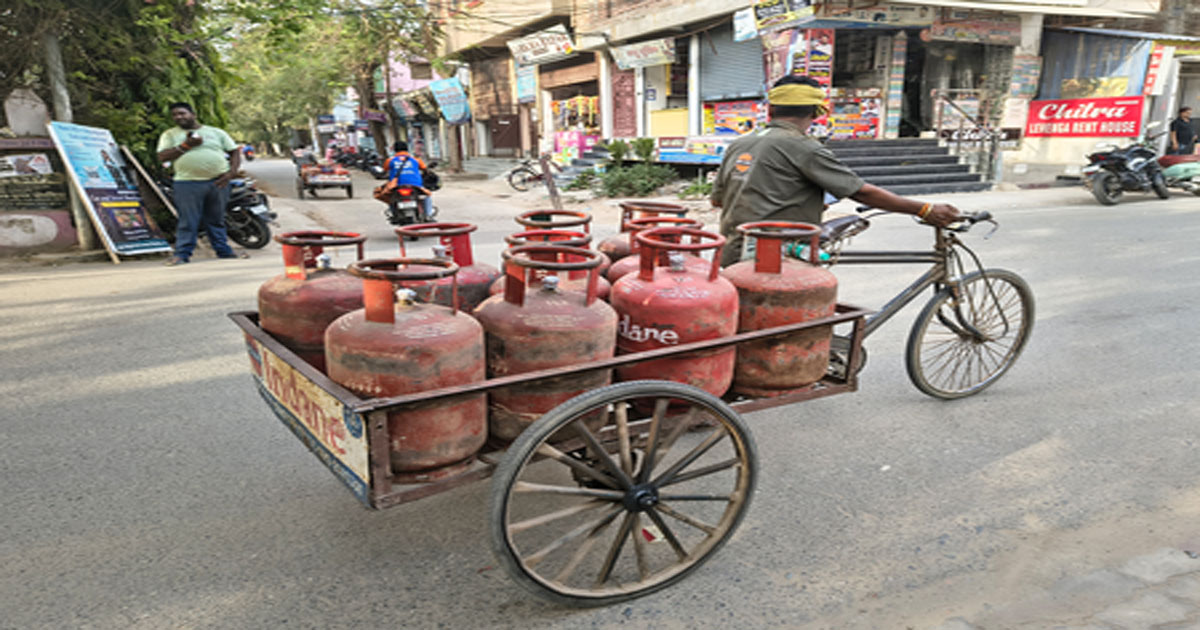
New Delhi, April 23: In a major breakthrough, the AGS/Crime Branch of Delhi Police, acting on specific and credible intelligence, carried out coordinated raids at multiple locations in the Palam and Dwarka areas, uncovering a large-scale illegal operation involving the unauthorised storage and refilling of LPG cylinders, officials said on Thursday.
The crackdown resulted in the recovery of 137 LPG cylinders along with refilling equipment, exposing serious violations of safety norms and regulatory guidelines. Officials said the operation points to a deliberate misuse of the LPG distribution system.
Keeping in view the prevailing circumstances, and as a preventive step against hoarding and black marketing of LPG cylinders, a dedicated team was constituted to identify and apprehend those involved in such activities.
The team comprised Inspector Krishan Kumar, along with Sub-Inspectors Narender Kumar and Agam Prasad; Assistant Sub-Inspectors Surender, Mintu, and Deepak; Head Constable Shyam Sunder; and Constable Dheeraj. The operation was carried out under the close supervision of ACP Bhagwati Prasad, ACP/AGS, and overall supervision of IPS officer Harsh Indora, DCP/Crime Branch.
Following sustained groundwork, specific and credible secret information was received regarding hoarding and illegal refilling of LPG cylinders in the Dwarka and Palam areas of Delhi.
Acting on the input, a raiding team was formed, and a search operation was conducted at JJ Colony, Sector-7, Dwarka. During the raid, 77 LPG cylinders were found stored at the premises. Some cylinders were also discovered loaded in vehicles present at the spot.
The following persons, all residents of Delhi, were found present along with their vehicles — Arjun (45), a resident of Bagdola; Surajpal Pandey (42), resident of Raj Nagar-II, Palam Colony; Amarjeet Kumar (28), resident of Raj Nagar-II, Palam Colony; Prempal Singh (52), resident of Raj Nagar-II, Palam Colony; Sukh Ram (48), resident of Goyla Dairy, Kutub Vihar Phase-1; and Vikram (42), resident of Dada Dev Road, Dev Kunj, Palam.
When questioned about the possession of such a large number of LPG cylinders, they failed to produce any valid documents or a satisfactory explanation. Subsequent interrogation led to further raids at two additional locations.
In a second recovery, 25 LPG cylinders were seized from a tempo parked near the premises. The owner of the vehicle, Malkhan (59), a resident of Sector-7, Dwarka, was found present at the spot.
A third recovery led to the seizure of 35 LPG cylinders from premises in Gali No. 6, near Bachpan Play School, Dev Kunj, Raj Nagar-II, Palam Colony, where the cylinders were stocked in an open area adjoining a house.
At this location, the following persons were found present: Raju Rai, a resident of Manglapuri Phase-II; Chander Pal, a resident of Palam Dada Dev Road; Bablu, a resident of Goyla Dairy; and Sujeet Kumar, a resident of Shyam Vihar Phase-1.
Considering the scale of the recovery, the Food and Supply Officer (FSO), Palam-Dwarka, was informed and called to the spot. The official stated that such accumulation of LPG cylinders is not authorised without proper permission. In his presence, all the recovered cylinders were seized.
The FSO subsequently informed the Senior Manager (LPGS), New Delhi and South-West District, and the case property was handed over to Shivam Jain, Senior Manager (LPGS).
All the accused persons have been apprehended. Investigations revealed that they were illegally storing domestic LPG cylinders for black market purposes and were involved in unauthorised refilling and tampering of cylinders, officials said.
A case has been registered at the Crime Branch police station under Sections 125/3(5) of the BNS and Section 3/7 of the Essential Commodities Act, 1955.
During interrogation, it emerged that the accused had procured LPG cylinders from a gas agency, but instead of delivering them as per the assigned targets, they diverted and stored them illegally at the identified premises.
They maintained an unauthorised stock and used illegal equipment to transfer gas from filled cylinders into empty ones, which were then sold in the open market for unlawful gains.
Further investigation into the matter is currently underway.
Mumbai Press Exclusive News
Employee arrested from UP for stealing from Mumbai spice shop, cash recovered

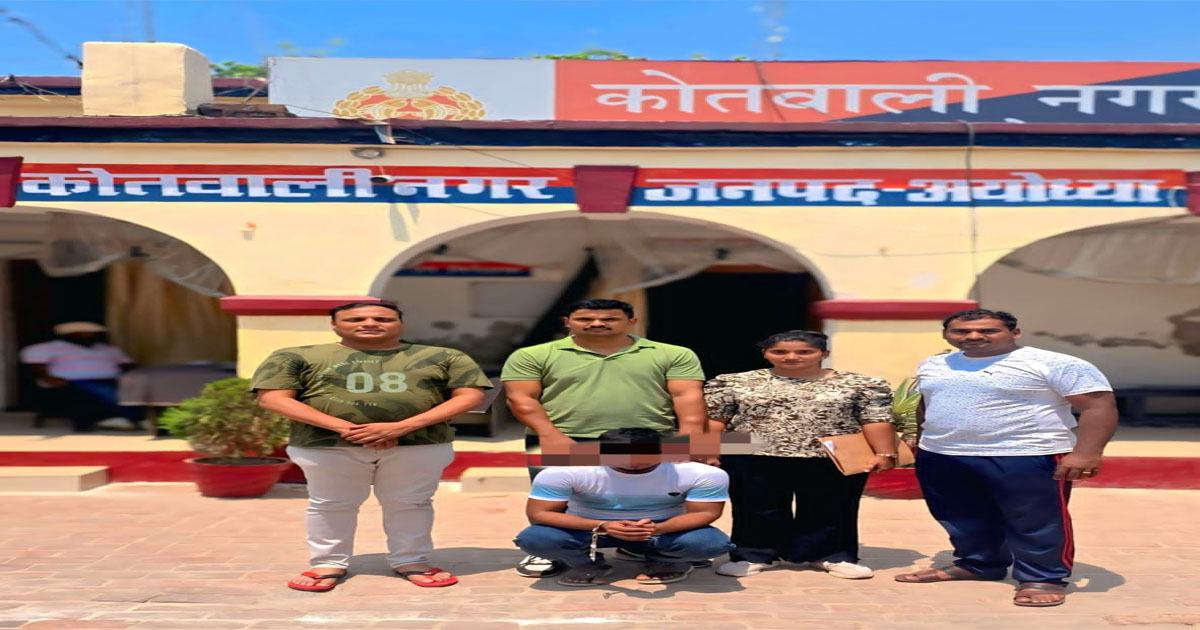
The police have claimed to have arrested an employee thief who stole Rs 13,86,200 from a spice shop in the Kala Chowki area of Mumbai from UP Ayodhya, Uttar Pradesh. The money collected for 8 days at the spice shop in the Kala Chowki area was kept in the grain and the next day the complainant shop owner searched for the money in the grain but did not find it. After that, he filed a report at the police station and the police conducted an inquiry and found that the employee working at the shop had been absent since morning, which made the police suspicious and the police arrested Ajay Kumar Shyam Sundar from Ayodhya, UP and recovered more than Rs 10 lakh in cash from his possession. This operation was solved by DCP Ragasudha on the instructions of Mumbai Police Commissioner Devin Bharti and the police have succeeded in arresting the accused from UP.
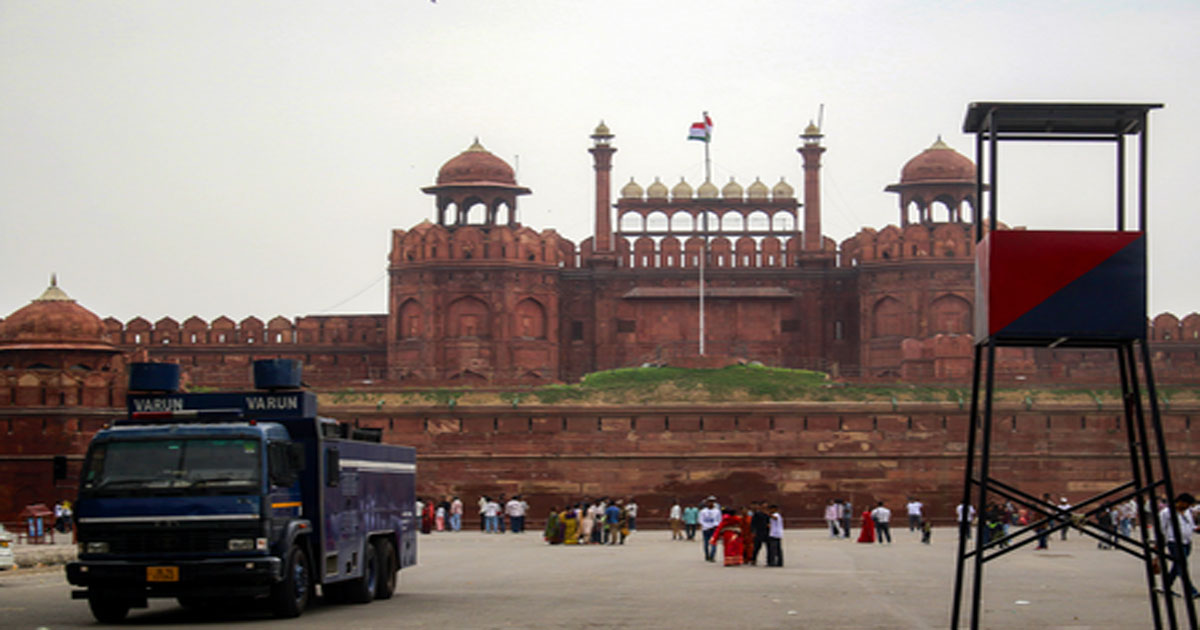
New Delhi, April 18: The Delhi Police Special Cell on Saturday revealed that it had arrested four youths from three states for online radicalising and recruiting others with the aim to establish an Islamic state through ‘jihad’, officials said. According to police, a connection to the Red Fort blast was also established, which had claimed 11 lives and injured several others.
One of the accused had visited various sensitive installations including the Red Fort in Delhi in December 2025. He also posted a photo of the historical place with a black flag atop it to radicalise others, police said.
The official statement highlighted that the youths were radicalised into joining terrorism-related activities. Police have also recovered material used for preparation of Improvised Explosive Devices (IED) from one of them. Along with this, the mobile phones of the accused were also seized.
A team of Delhi Police Special Cell, led by Inspectors Vinay Pal and Manoj Kumar, including ACP Ashish Kumar, arrested the four accused persons from Maharashtra, Odisha and Bihar. An FIR was registered under relevant Sections of BNS, 2023.
Among the arrested youths, Mosaib Ahmad, Jalaluddin Siddiqui and Mohammad Hammad were residents of Maharashtra. While Sheikh Imran belonged to Odisha and Mohammad Sohail hailed from Bihar.
Police confirmed that the accused were part of various closed groups on encrypted social media platforms. They were allegedly engaged in radicalising and recruiting others for establishing Islamic state through ‘jihad’.
The investigation revealed that two members of the module were in the process of collecting locally-sourced material for preparing a remote-controlled IED which could be used for a terrorist attack at an opportune time.
Revealing their modus operandi, officials said that one member of the module was exhorting others to collect weapons and explosives for participating in ‘Ghazwa-e-Hind’. He shared his bank account details on his social media channel for crowd funding in support of ‘jihad’.
Another accused promised to arrange arms training for the members of the module and asked other members to send money for the same.
One of the accused, Mosaib Ahmad, was a part of multiple online radicalised groups. Police said that he assisted co-accused Mohammad Hammad by opening the circuit of a remote-controlled toy car for IED making and sharing its image within a closed group.
Hammad, in turn, shared pictures of ball bearings, nails, remote-controlled toy cars and boxes as material for preparation of IEDs in a closed group. He handed them over to co-accused Mosaib Ahmad, who, being a mechanic by profession, was tasked with assembling the IED.
Born in Bhubaneswar, Sheikh Imran worked as a security guard and delivery boy. In year 2024, he began listening to lectures (takreers) of Tareeq Jameel, Israr Ahmed, Zakir Naik etc. and gradually developed radical beliefs. He joined his associates through social media. Investigators found that Imran discussed targeting Ram Mandir, Parliament and military installations. He was the one who recced the Red Fort.
A plumber by profession, Mohammad Sohail was also influenced by Israr Ahmed. He created multiple social media accounts and exhorted youth in the name of ‘jihad’. In March 2026, he incited followers of his channel to collect weapons and explosives for ‘Ghazwa-e-Hind’ and even shared bank details to collect money.

Delhi Police bust illegal LPG racket in Palam-Dwarka; 137 cylinders seized

Maharashtra Bypolls: 6 To 8% Polling In First Two Hours Of Baramati, Rahuri

Sensex, Nifty post notable losses amid weak global cues, sustained FII selling

Mumbai Municipal Corporation’s ‘Marg Pranali’ launched… will strengthen connectivity with Mumbaikars: Mayor Ritu Tawde

Action against Lenskart store BJP leader Nazia Elahi confirmed

Dhurandhar 2 Box Office Collection Day 9: Ranveer Singh Starrer Earns ₹41.55 Crore On Its Second Friday; Enters ₹700 Crore Club

Mumbai: 28-Year-Old Ghatkopar Woman Killed By Speeding Tanker While Crossing Road, Driver Arrested

Bharti Airtel Receives ₹1,74,000 Penalty Notice From DoT For Subscriber Verification Lapses

Thane Horror: Man Slashed With Chopper In Naupada For Refusing ‘Vargani’, Caught On Camera

PM Modi & US President Donald Trump Hold Crucial Talks As West Asia Crisis Deepens; Musk Joins Call
-

 Crime4 years ago
Class 10 student jumps to death in Jaipur
-

 Maharashtra2 years ago
Mumbai Local Train Update: Central Railway’s New Timetable Comes Into Effect; Check Full List Of Revised Timings & Stations
-

 Maharashtra2 years ago
Mumbai To Go Toll-Free Tonight! Maharashtra Govt Announces Complete Toll Waiver For Light Motor Vehicles At All 5 Entry Points Of City
-

 Maharashtra2 years ago
False photo of Imtiaz Jaleel’s rally, exposing the fooling conspiracy
-

 National News2 years ago
Ministry of Railways rolls out Special Drive 4.0 with focus on digitisation, cleanliness, inclusiveness and grievance redressal
-

 Maharashtra1 year ago
Maharashtra Elections 2024: Mumbai Metro & BEST Services Extended Till Midnight On Voting Day
-

 National News2 years ago
J&K: 4 Jawans Killed, 28 Injured After Bus Carrying BSF Personnel For Poll Duty Falls Into Gorge In Budgam; Terrifying Visuals Surface
-

 Crime2 years ago
Baba Siddique Murder: Mumbai Police Unable To Get Lawrence Bishnoi Custody Due To Home Ministry Order, Says Report