
National News
K’taka police planned attack on Dalit Koraga community: Siddaramaiah

Karnataka police planned attack on Dalit Koraga community in Kotatottu village in Kundapur city of Udupi district, Opposition leader Siddaramaiah alleged on Friday.
“The police department had foisted cases on Koraga community members who were victims of police atrocity. This gives room for enough suspicions that the attack on the community was planned by the police department,” Siddaramaiah explained.
The lodging of cases on Koraga community by Kota police in the state is not only inhuman, it is a matter of shame. The Chief Minister Basavaraj Bommai should direct immediate withdrawal of cases, he demanded.
Siddaramaiah has also urged CM Bommai to take action against the police who attacked the innocent Koraga community members.
BJP claims that all Hindus are one. They seem to have forgotten Koraga community which comes under Dalit category. Is this part of hidden agenda of BJP to keep Dalits as untouchables? Now, the Social Welfare Minister Kota Srinivas Poojari is shedding tears, but will the police have courage to attack Koraga community without his notice? he questioned.
If the incident has happened without the minister’s knowledge, he is inefficient and if he knew about, it is shameful. Siddaramaiah further questioned the silence of Union Minister of State Shobha Karandlaje who represents local parliamentary seat on the issue.
The ruling BJP is not releasing funds for programmes brought for the welfare of Dalits, he charged. Meanwhile, the police department has suspended PSI Santhosh of Kota police station and transferred five police officers in connection with the incident.
On December 27 night, Kota police had barged into a ‘Mehendi’ ceremony in Koraga community locality and attacked the bridegroom and guests for playing DJ music.


National News
Congress Leader Rahul Gandhi Visits Sir Ganga Ram Hospital To Meet Sonia Gandhi; Cancels Kerala Visit

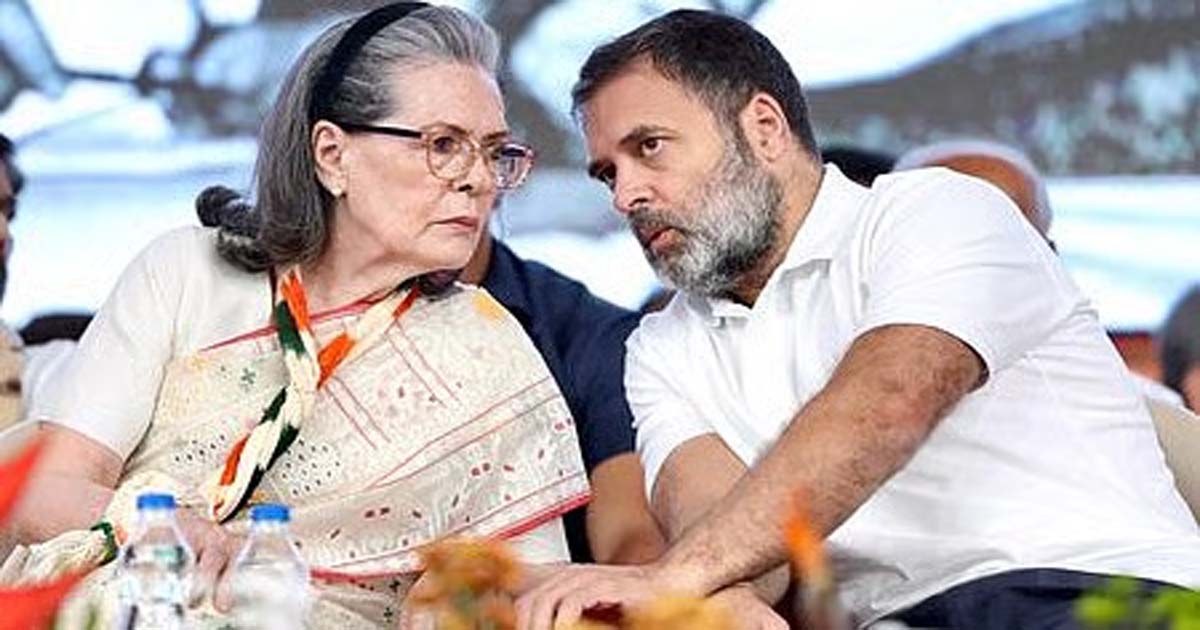
New Delhi: Congress leader Rahul Gandhi visited Sir Ganga Ram Hospital on Thursday morning, where his mother and Congress Parliamentary Party (CPP) Chairperson Sonia Gandhi was admitted after experiencing respiratory issues.
The veteran leader was admitted after experiencing respiratory issues at Sir Ganga Ram Hospital on Tuesday night.
As this happened, Rahul Gandhi, Leader of Opposition (LoP) Lok Sabha, did not visit Kerala for his scheduled visit ahead of the polls. Virtually addressing a rally held in Kozhikode, the Congress leader said that he could not attend the rally in person as his mother was hospitalised in New Delhi.
“I would have liked to come here, but I was forced to stay in today and was unable to come. Yesterday, my mother was hospitalised and I, as a son, was quite worried about her, so I decided to stay with her. I know that the people of Kerala will understand this. Last night, I was extremely worried about my mother’s health. The whole night, I was only comforted by one thing. I was comforted by a nurse from Kerala who came in every hour to check on my mother,” he said.
A hospital official said earlier that Sonia Gandhi remains stable and under observation. The veteran leader was being administered antibiotics, he added.
“Sonia Gandhi was admitted to Sir Ganga Ram Hospital on Tuesday at 10:22 PM. She is stable. Doctors are conducting further investigations to check for possible infection in the stomach and urinary tract. A team of doctors is closely monitoring her condition, and antibiotics have been administered,” a hospital official said.
As a precautionary measure, doctors decided to admit her for observation and further medical management.
On Wednesday, Sir Ganga Ram Hospital Chairman Dr Ajay Swaroop said that following a detailed medical examination, Sonia Gandhi’s bronchial asthma was mildly exacerbated by the combined effects of cold weather and prevailing pollution levels in Delhi.
The veteran leader was also admitted last year in June due to stomach-related issues. She was kept under observation at the hospital’s gastro department.
Before this, in the same month, Gandhi was admitted to Indira Gandhi Medical College and Hospital in Himachal Pradesh’s Shimla on June 7.
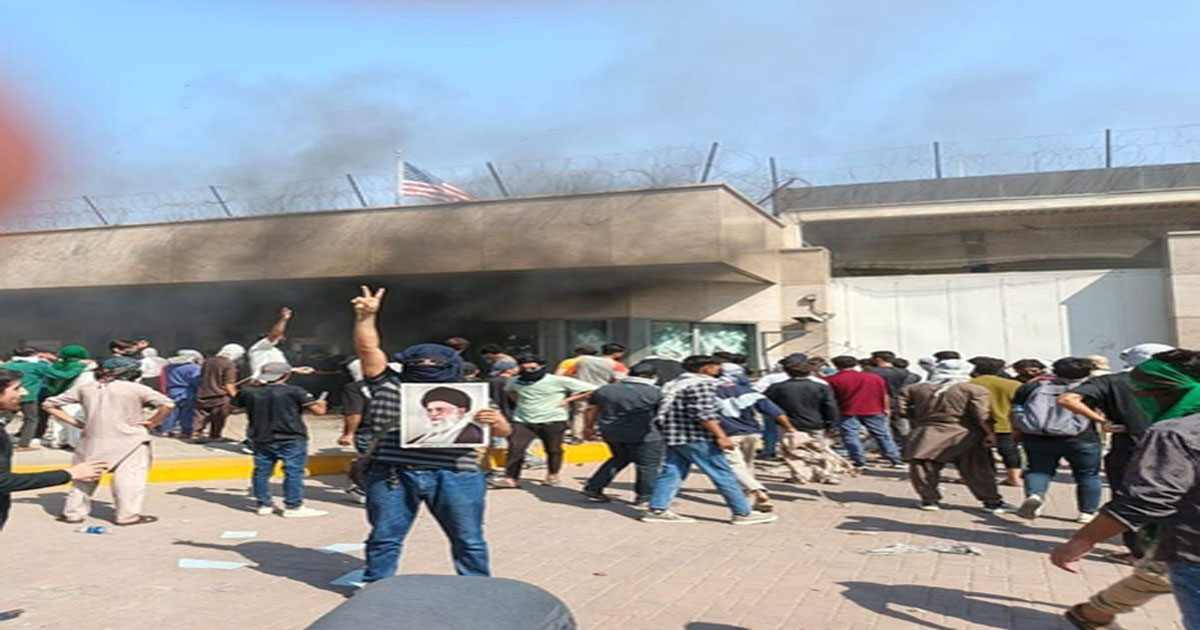
New Delhi, March 25: For Pakistan’s Army Chief Field Marshal Asim Munir, countering the pro-Iran Shia mobilisation in the country is increasingly becoming a headache. For Pakistan, countering this mobilisation is important as it is threatening to become bigger. However, the dilemma the establishment faces is that it cannot use its official machinery to take on the mobilisation of the Shias.
Pakistan has chosen to mediate between Iran and the United States, and hence it needs to remain neutral. Any direct action against the Shia mobilisation would infuriate Iran, and this is something that Islamabad wants to avoid.
An official said that Pakistan has now brought back its proxies to take on this problem. The Pakistan Army chief has ordered hardline Sunni elements and leaders from the Sipah-e-Sabah (SeS) and Jamaat-ud-Dawah (JuD) to take on the Shias who are mobilising in large numbers in support of Iran. These groups have, in the past, come to the rescue of the Pakistan establishment. When it comes to countering protesters who were seeking justice for jailed former Pakistan Prime Minister Imran Khan, it was these elements who took to the streets.
The members of the SeS and JuD have the backing of the army and ISI and have been given a free hand to indulge in street violence against those who are questioning the establishment, an official said.
The SeS is a banned Sunni Deobandi Islamist organisation and a former political party that was founded in 1985. This outfit came into existence only to oppose Shia influence in Pakistan. The SeS has a history of being involved in sectarian conflicts, including violence with the Shia organisation, Shipah-e-Muhammad, Pakistan.
The JuD, on the other hand, is the charity wing of the Lashkar-e-Taiba. The JuD follows the Ahl-i Hadith interpretation of Islam, which is similar to Wahhabism and Salafism.
An Intelligence Bureau official said that by involving the SeS and JuD, the Pakistan army chief would look to put down the mobilisation of the Shia. Since these groups have no accountability, the violence would not be blamed on the state, but on two individual organisations. This helps in the deniability factor, when Pakistan speaks with Iran, the official added.
Such violence will no doubt be scrutinised internationally and by foreign Intelligence agencies. The establishment would, however, try to get away by putting the blame on the SeS and JuD, while stating that it has nothing to do with them.
Another official said that both groups have been given immunity by the establishment. This means that they can choose to act the way they please.
Another official said that with such a plan in place, one could anticipate street violence and bloody clashes with the Shias in Pakistan.
By trying to mediate between Iran and the US, Pakistan wants to place itself in a position of power. Pakistan also wants to claim geopolitical relevance by offering to mediate between the two warring nations.
Field Marshal Asim Munir has taken this task upon himself and has been engaging directly with Iranian President Masood Pezeshkian. He has also been leveraging his relations with some of the Gulf nations and the US.
With Pakistan wanting geopolitical relevance, it cannot afford to officially crush the mobilisation that is taking place in support of Iran. If Pakistan ends up angering Iran at this juncture, then Tehran may not come to the table. This would hurt Pakistan’s ambitions of playing mediator and reclaiming geopolitical importance, another official said.
The JuD and the SeS have readily accepted what the Pakistan army chief has said, as they have done in the past. Officials say that both these outfits have had an agenda against the Shias for a long time, and hence the offer made by Field Marshal Munir is more than welcome for them.
National News
Mumbai Weather Update March 24, 2026: IMD Issues ‘Heatwave Alert’ For City As Temperatures Touch 36°C; Overall AQI Remains In ‘Poor’ Category
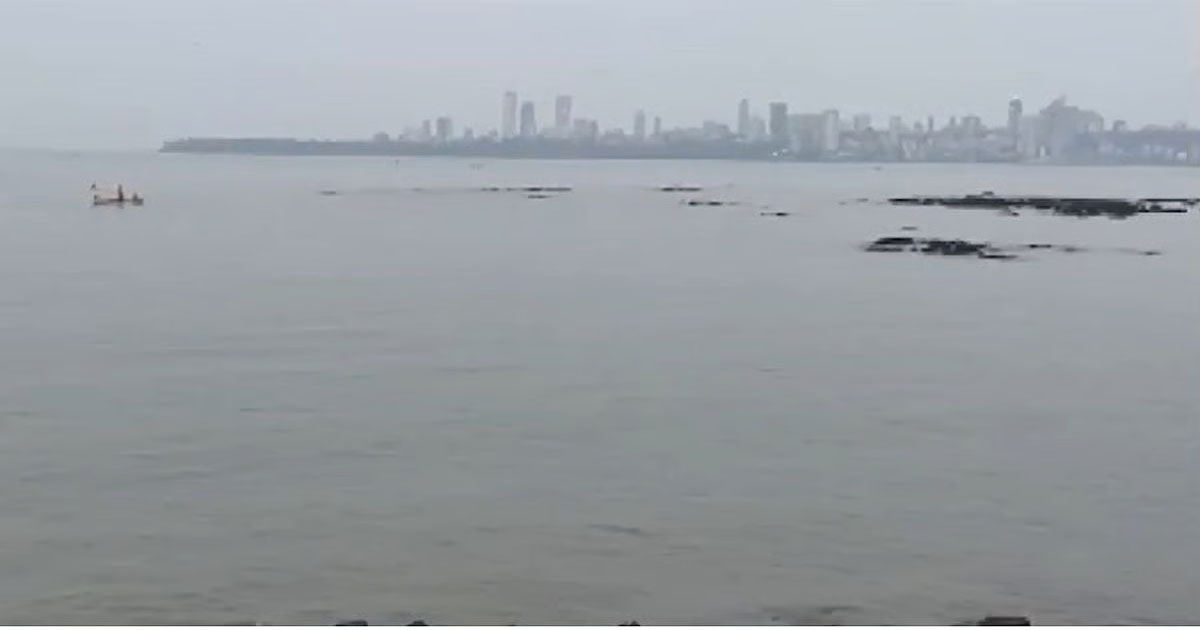
Mumbai: The city woke up to clear, sunny skies and rising temperatures on Tuesday, March 24, with the India Meteorological Department (IMD) issuing a ‘heatwave’ alert. As daytime temperatures are set to rise sharply, residents are urged to take necessary precautions to protect themselves from the heat. Meanwhile, Mumbai’s air quality has fluctuated over the past 24 hours but has continued to remain in the ‘poor’ category.
According to the IMD, Mumbai is likely to witness temperatures ranging between 22°C and 36°C, indicating a noticeable spike in heat levels. Citizens have been advised to avoid prolonged exposure to direct sunlight, stay well hydrated, and opt for light meals to cope with the increasing heat and humidity.
Morning observations from key weather stations suggested a rise in temperatures compared to the previous day. Colaba recorded 28.6°C, while Santacruz registered 30°C, both reflecting warmer conditions. Neighbouring regions reported even higher temperatures, with Thane touching 38°C and Navi Mumbai recording 36°C.
On the air quality front, Mumbai’s Air Quality Index (AQI) remained largely unchanged over the past 24 hours. As per AQI.in data, the city recorded an overall AQI of 112, placing it in the ‘poor’ category.
Throughout the day yesterday, the AQI levels fluctuated between ‘moderate’ and ‘poor’. The lowest AQI reading of 67 was recorded at 5.30 am this morning, before gradually rising to a high of 124 at 8.00 am.
At a local level, several areas continued to report significantly poor air quality. Subhash Nagar recorded the highest AQI at 263, falling under the ‘unhealthy’ category. This was followed by Govandi West (253), Kannamwar Nagar (250), Rajiv Gandhi Nagar (243), and Savitribai Phule Nagar (233), falling into the ‘Unhealthy’ category.
In contrast, some parts of the city reported relatively better air quality with Gamdevi Station 1 recording the lowest AQI at 25 (Good). Green Hills recorded an AQI of 47, also falling into the ‘good’ category. Other areas such as Mulgoan (58), Worli (72), and Malad (73) remained ‘moderate’ range.
As per standard air quality classifications, AQI values between 0 and 50 are considered ‘good’, 51 to 100 ‘moderate’, 101 to 200 ‘poor’, 201 to 300 ‘unhealthy’ and levels above 300 are classified as ‘severe’ or ‘hazardous’.

Panic Grips Navi Mumbai: Long Queue Of Residents Seen At Vashi Petrol Pump Amid Fuel Shortage Rumours

Mumbai: 28-Year-Old Ghatkopar Woman Killed By Speeding Tanker While Crossing Road, Driver Arrested

Congress Leader Rahul Gandhi Visits Sir Ganga Ram Hospital To Meet Sonia Gandhi; Cancels Kerala Visit

Rumours Debunked: Palghar District Administration Clarifies No Shortage Of Petrol And Diesel Despite Prevailing Global Tensions

Abu Asim Azmi expresses concern over incidents of hate speech-related crimes in Maharashtra, demands strict action in the House of Assembly

Married Mumbai Woman Mocked In Andheri Society Over ‘Lift Kissing’ CCTV Video, Files Police Complaint

Mumbai: JBCN International School In Borivali Gets Bomb Threat, Search Reveals Hoax, Students Safe

Mahayoti’s big gift to the people of Mumbai… Now there is no tax for houses up to 500 square feet, the Municipal Corporation has increased this limit to 700 square feet.

LPG Crisis In Maharashtra: Cyber Crime On Rise Amid Shortage, 2 Women Lose ₹4 Lakh In ‘Gas Update’ Online Scam In Kalyan-Dombivli

Rashmika Mandanna-Vijay Deverakonda Wedding: Virosh Turn Modern Day Prince & Princess For Their Dreamy Sangeet Ceremony
-

 Crime4 years ago
Class 10 student jumps to death in Jaipur
-

 Maharashtra1 year ago
Mumbai Local Train Update: Central Railway’s New Timetable Comes Into Effect; Check Full List Of Revised Timings & Stations
-

 Maharashtra1 year ago
Mumbai To Go Toll-Free Tonight! Maharashtra Govt Announces Complete Toll Waiver For Light Motor Vehicles At All 5 Entry Points Of City
-

 Maharashtra1 year ago
False photo of Imtiaz Jaleel’s rally, exposing the fooling conspiracy
-

 National News1 year ago
Ministry of Railways rolls out Special Drive 4.0 with focus on digitisation, cleanliness, inclusiveness and grievance redressal
-

 Maharashtra1 year ago
Maharashtra Elections 2024: Mumbai Metro & BEST Services Extended Till Midnight On Voting Day
-

 National News2 years ago
J&K: 4 Jawans Killed, 28 Injured After Bus Carrying BSF Personnel For Poll Duty Falls Into Gorge In Budgam; Terrifying Visuals Surface
-

 Crime1 year ago
Baba Siddique Murder: Mumbai Police Unable To Get Lawrence Bishnoi Custody Due To Home Ministry Order, Says Report