
International News
Japan starts releasing state oil reserves to blunt impact of West Asia tensions

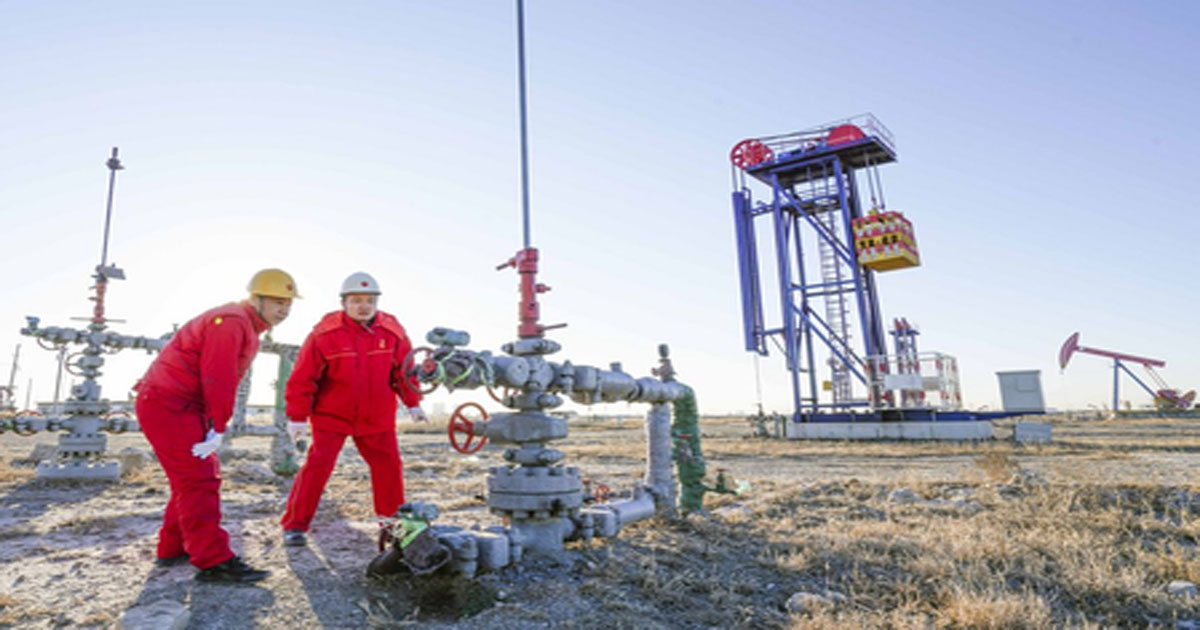
Tokyo, March 26: Japan began releasing 30 days’ worth of oil from state reserves on Thursday to cushion the impact of the West Asia conflict on its economy, as concerns over supply mount and oil prices soar, local media reported.
The move came after the country started drawing down 15 days’ worth of oil from private-sector stockpiles last Monday, reports Xinhua news agency
The government plans to sell a total of about 8.5 million kiloliters of oil from 11 storage bases across the country, according to Kyodo News.
Japan will also begin to tap joint oil reserves held in the country by three Middle Eastern nations, including the United Arab Emirates, with five days’ worth to be released by next Tuesday for supply to oil wholesalers.
Japan relies on the Middle East for more than 90 per cent of its crude oil imports, leaving it highly vulnerable to the effective closure of the Strait of Hormuz following the outbreak of the Middle East conflict in late February. The disruption has driven sharp rises in both crude oil and retail gasoline prices in the country.
In addition to tapping oil reserves, the Japanese government also resumed gasoline subsidies to cap fuel costs for consumers. The measure has brought the average retail price for regular gasoline down to 177.7 yen (about 1.11 US dollars) per litre from a record high of 190.8 yen last week, according to Kyodo News.
As of the end of 2025, Japan held an oil reserve equivalent to 254 days of domestic demand.
The impact of the tensions in West Asia is being seen in several nations.
Meanwhile, in the Philippines, President Ferdinand Romualdez Marcos on Wednesday signed a law allowing the government to temporarily suspend or cut fuel excise taxes on petroleum when global oil prices reach a set threshold.
Republic Act No. 12316 authorises the president, upon the recommendation of the Development Budget Coordination Committee and in coordination with the Secretary of the Department of Energy, to act when the average price of Dubai crude oil reaches or exceeds 80 U.S. dollars per barrel for one month.
Under the law, any suspension or reduction of fuel excise taxes may be implemented for up to three months at a time, but not exceeding a total of one year.
The tax rates will automatically revert to their original levels either one week after the one-month average Dubai crude price falls below 80 US dollars per barrel, or after three months have elapsed, whichever comes first.
The measure is designed to give the government a flexible tool to cushion the impact of rising fuel costs on consumers and the broader economy.
The act will take effect in 15 days, and the authority granted to the president under the measure will remain in effect until December 31, 2028.


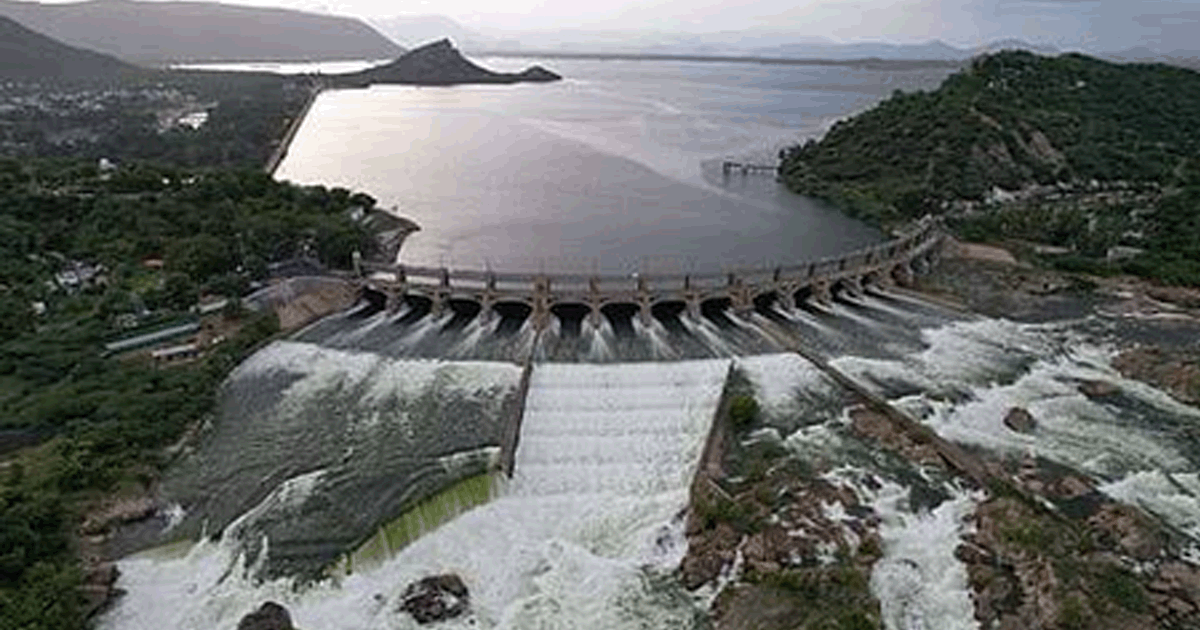
Chennai, June 6 : Pattali Makkal Katchi (PMK) president Dr Anbumani Ramadoss has urged the Tamil Nadu government to immediately announce a comprehensive Kuruvai package and extend financial and infrastructural support to farmers, warning that the delayed release of water from the Mettur Dam could severely affect paddy cultivation across the Cauvery delta region.
In a statement issued on Saturday, Anbumani said the steadily declining water level in the Mettur reservoir, coupled with the absence of any significant southwest monsoon activity in the Cauvery catchment areas, has made it increasingly unlikely that water will be released from the dam on June 12, the traditional date for the commencement of Kuruvai cultivation.
Every year, water from the Mettur Dam is released into the Cauvery River to support paddy cultivation in more than 10 irrigation districts, including Thanjavur, Tiruvarur, Nagapattinam and Mayiladuthurai. However, the reservoir currently holds only 41.60 TMC of water, with the water level standing at around 79 feet, far below the level considered ideal for irrigation release.
Anbumani noted that for a sustained release of water throughout the Kuruvai season, the reservoir level should exceed 90 feet and receive at least 1.5 TMC of inflow daily. He said a minimum of 12 TMC of additional storage and inflows of around 18,000 cusecs into the reservoir would be required to ensure uninterrupted irrigation.
The PMK leader also pointed out that Karnataka’s major Cauvery basin reservoirs currently hold only a fraction of their combined storage capacity. According to him, the Krishna Raja Sagar, Kabini, Harangi, and Hemavathi reservoirs together contain only 33.45 TMC of water, representing just 29.08 per cent of their total capacity of 114.57 TMC. Given these low storage levels, he said Karnataka is unlikely to release substantial quantities of water downstream.
Anbumani warned that if the Mettur Dam is not opened on schedule, the area under Kuruvai cultivation could fall below 3 lakh acres this year, compared to 6.13 lakh acres cultivated during the previous season. Such a decline, he said, would result in significant income losses for farmers and reduce employment opportunities for agricultural labourers.
To mitigate the impact, he called on the state government to encourage farmers to utilise groundwater resources and immediately roll out a Kuruvai package covering subsidised seeds, fertilisers and micronutrients.
He further demanded uninterrupted 24-hour three-phase power supply for agricultural operations and an input subsidy of Rs 5,000 per acre to support farmers facing uncertainty ahead of the cultivation season.

CRIME
Report Islamabad, June 6 At least 432 cases of sexual assault and kidnapping were registered by Pakistani police in Islamabad between January and May this year, local media reported. Citing police sources, Pakistan’s leading daily, Dawn, reported that a total of 55 cases of sexual assault were recorded during the reporting period. Among the 55 sexual assault cases, 15 were registered in the Soan Zone, followed by 13 in the Sadar Zone, 12 in the Rural Zone, 9 in the Industrial Area Zone, and 6 in the City Zone. Additionally, a zone-wise breakdown of the 377 kidnapping cases revealed that the Sadar Zone recorded the highest number at 99, followed by the Soan Zone with 89, the Rural Zone with 76, the City Zone with 44, and the Industrial Area Zone with 29 cases. Of the kidnapping cases, one involved a victim who was reportedly kidnapped from Islamabad and was later found murdered in Khyber Pakhtunkhwa province. In a separate incident, three persons allegedly raped a boy in the area of Pindorian on February 28 and recorded the heinous act.
The data further revealed a series of sexual assaults across Islamabad. In one incident, a girl was reportedly gang-raped by five persons in the area of I-16 on March 19, while another case involved sexual assault of a boy by three persons in Sihala on March 31. In another 24 cases of sexual assault registered during the period, the victims included 15 girls, three women, and a boy. It added that the 15-year-old boy was assaulted at gunpoint by two persons in Mehrban Town on April 15, Dawn reported. Reports suggest that police registered 69 cases under Section 365, which pertains to kidnapping or abduction with the intent to secretly and wrongfully confine a person.
The cases involved 64 male and five female victims. In one such incident, a man was allegedly abducted from outside his residence in Sector F-6/1 on May 4, and his body was recovered from Mardan the following day. Last month, a report highlighted that the sexual assault of a young 19-year-old mother in Pakistan’s Rawat area in Islamabad was not an isolated incident but reflected a broader pattern, raising concerns about systemic challenges in addressing gender-based violence in the country. It stressed that the case had brought attention to these interconnected issues, underscoring how structural weaknesses continue to shape the safety and security of women. According to the report in ‘Asian News Post,’ the persistence of sexual violence in Pakistan is closely connected to the “perception of impunity”, where perpetrators believe they can escape without facing consequences.
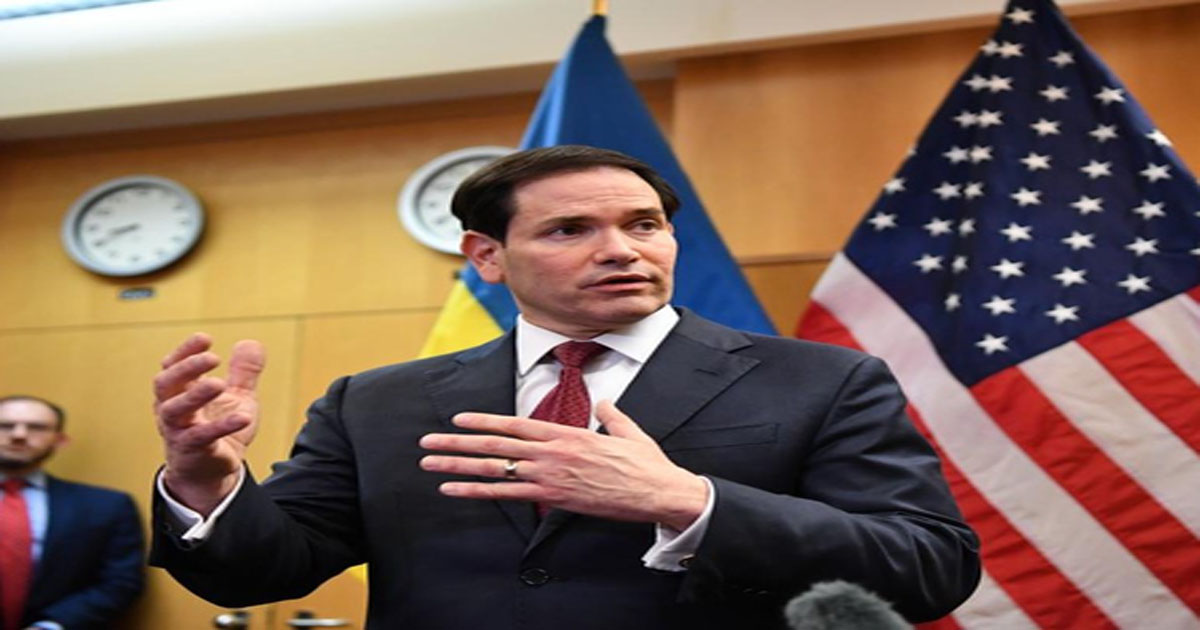
Washington, June 3: US Secretary of State Marco Rubio said that reconstruction of Gaza cannot move forward unless Hamas is demilitarised, arguing that governments and investors will not commit billions of dollars to rebuilding the territory while the militant group retains military capabilities.
At a Congressional hearing Rubio defended the Trump administration’s Gaza strategy amid criticism from Democratic lawmakers who questioned progress on a broader peace and reconstruction plan.
“The goal now is to demilitarise Hamas,” Rubio said. “That is the impediment that’s holding up the rest of it.”
The Secretary said international discussions on Gaza’s future continue, including efforts to secure financial commitments for reconstruction and establish a new governing structure for the territory.
According to Rubio, donor countries and private investors remain interested in participating in Gaza’s recovery, but security concerns remain the primary obstacle.
“No one is going to invest there as long as Hamas is militarised, because as long as Hamas is militarised, they know that there’s going to be a war in the future,” he said.
Rubio’s comments came during a sharp exchange with Representative Rosa DeLauro, who questioned the status of a broader US-backed peace initiative and expressed concern over worsening humanitarian conditions in Gaza.
The Secretary rejected suggestions that Washington had abandoned efforts to address the crisis.
“No one’s forgotten about it,” Rubio said.
He outlined a vision that would ultimately place Gaza under a non-Hamas Palestinian administration supported by international partners.
“What we want, and I think what the Israelis would ultimately want, is a Gaza that is governed by a non-Hamas” authority, Rubio said.
The Secretary said current discussions focus on creating conditions that would allow an international stabilisation force to enter Gaza and provide security while longer-term political and economic arrangements are developed.
“We should be having or want to have an international stabilisation force that goes in and provides the security,” he said.
Rubio added that several countries in the region are also pressuring Hamas to accept demilitarisation as part of a broader settlement.
“It’s not just the United States that’s complaining about it,” he said. “Many of our partners in the region are pressuring Hamas to enter the demilitarisation phase.”
During the hearing, lawmakers also questioned Rubio about recent comments attributed to Israeli Prime Minister Benjamin Netanyahu regarding control of parts of Gaza.
Rubio said such proposals were not part of the plan currently being pursued by Washington.
“That’s not part of this plan,” he said. “This plan doesn’t call for that.”
The Secretary also pushed back against criticism regarding humanitarian assistance, saying the United States had already committed substantial resources to relief efforts in Gaza.
“We spent hundreds of millions of dollars on humanitarian aid in Gaza already,” Rubio said.
The future of Gaza remains one of the most sensitive issues in Middle East diplomacy. International efforts have increasingly focused on securing a political arrangement that would prevent renewed conflict while allowing reconstruction of infrastructure, housing, healthcare facilities and public services damaged during years of fighting.

Navneet Rana meets Sunitra Pawar… Is BJP preparing to send Navneet to Rajya Sabha from NCP quota, NCP senior leaders are angry

PMK urges TN govt to support paddy cultivation amid Mettur water uncertainty

Actor Salim Kumar under expert medical supervision in Kochi hospital

Islamabad records 432 sexual assault, kidnapping cases so far this year : Report

Focus where the power is, victory will be ours…In the elections, Member of Parliament Dr. Shrikant Shinde gave the workers a mantra of victory

The Municipal Corporation and the Railway Administration should work together to make Mumbai flood-free, directs Standing Committee Chairman Prabhakar Shinde

Mumbai: Strict action directed against prominent Marathi placards in shops and institutions, warning of action in Shiv Sena style: Deputy Mayor Sanjay Ghadi

Virar Citizens Protest Demolition Drive In Arnala; Police Block Lal Bawta March, Sit-in Held On Road

Dangerous Love Triangle In Mira-Bhayandar: Youth Kidnapped, Brutally Beaten, & Burned With Cigarettes Over Affair With Same Girl

Israel captures strategic Beaufort Castle in southern Lebanon
-

 Crime4 years ago
Class 10 student jumps to death in Jaipur
-

 Maharashtra2 years ago
Mumbai Local Train Update: Central Railway’s New Timetable Comes Into Effect; Check Full List Of Revised Timings & Stations
-

 Maharashtra2 years ago
Mumbai To Go Toll-Free Tonight! Maharashtra Govt Announces Complete Toll Waiver For Light Motor Vehicles At All 5 Entry Points Of City
-

 Maharashtra2 years ago
False photo of Imtiaz Jaleel’s rally, exposing the fooling conspiracy
-

 National News2 years ago
Ministry of Railways rolls out Special Drive 4.0 with focus on digitisation, cleanliness, inclusiveness and grievance redressal
-

 Maharashtra2 years ago
Maharashtra Elections 2024: Mumbai Metro & BEST Services Extended Till Midnight On Voting Day
-

 National News2 years ago
J&K: 4 Jawans Killed, 28 Injured After Bus Carrying BSF Personnel For Poll Duty Falls Into Gorge In Budgam; Terrifying Visuals Surface
-

 Crime2 years ago
Baba Siddique Murder: Mumbai Police Unable To Get Lawrence Bishnoi Custody Due To Home Ministry Order, Says Report