
General
Health Ministry issues guidelines for monkeypox management

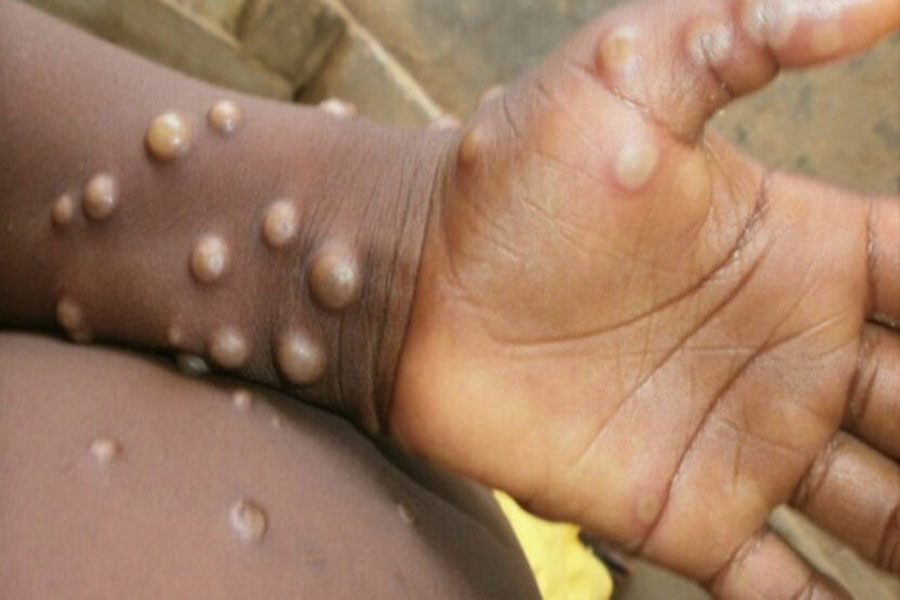
A day ater India registered its first monkeypox case, the Union Health Ministry on Friday issued guidelines for the management of the disease.
The first laboratory confirmed case of monkeypox was reported from Kerala’s Kollam district after which the Union Health Ministry had rushed a multi-disciplinary team of experts on Thursday.
Surveillance and rapid identification of new cases is critical for outbreak containment, the guidelines said, adding that during human monkeypox outbreaks, close contact with infected persons is the most significant risk factor for monkeypox virus infection.
It added further that health workers and household members are at a greater risk of infection. Health workers caring for patients with suspected or confirmed monkeypox virus infection, or handling specimens from them, should implement standard infection control and precautions.
International passengers should also avoid contact with contaminated materials used by sick people such as clothing, bedding or materials used in healthcare settings, or that came into contact with infected animals, the guidelines said.
In addition, people who develop symptoms suggestive of monkeypox like fever and skin rash and were in an area where monkeypox has been reported or had come in contact with a person who might have monkeypox have been advised to immediately consult the nearest health facility.
“The key measures that can be taken to prevent infection with monkeypox virus is to isolate infected patients from others who could be at risk for infection. Avoid contact with any materials, such as bedding, that has been in contact with a patient of monkeypox. Practice good hand hygiene after contact with infected persons,” the guidelines said.
About mode of transmission, the guidelines said that human-to-human transmission is known to occur primarily through large respiratory droplets generally requiring a prolonged close contact. It can also be transmitted through direct contact with body fluids or lesion material, and indirect contact with lesion material, such as through contaminated clothing or linens of an infected person, it added.
The guidelines further added that animal-to-human transmission may occur by bite or scratch of infected animals like small mammals including rodents (rats, squirrels) and non-human primates (monkeys, apes) or through bush meat preparation.


General
Post-Diwali pollution chokes Delhi; AQI nears 450 in Sonia Vihar, multiple areas record severe air quality

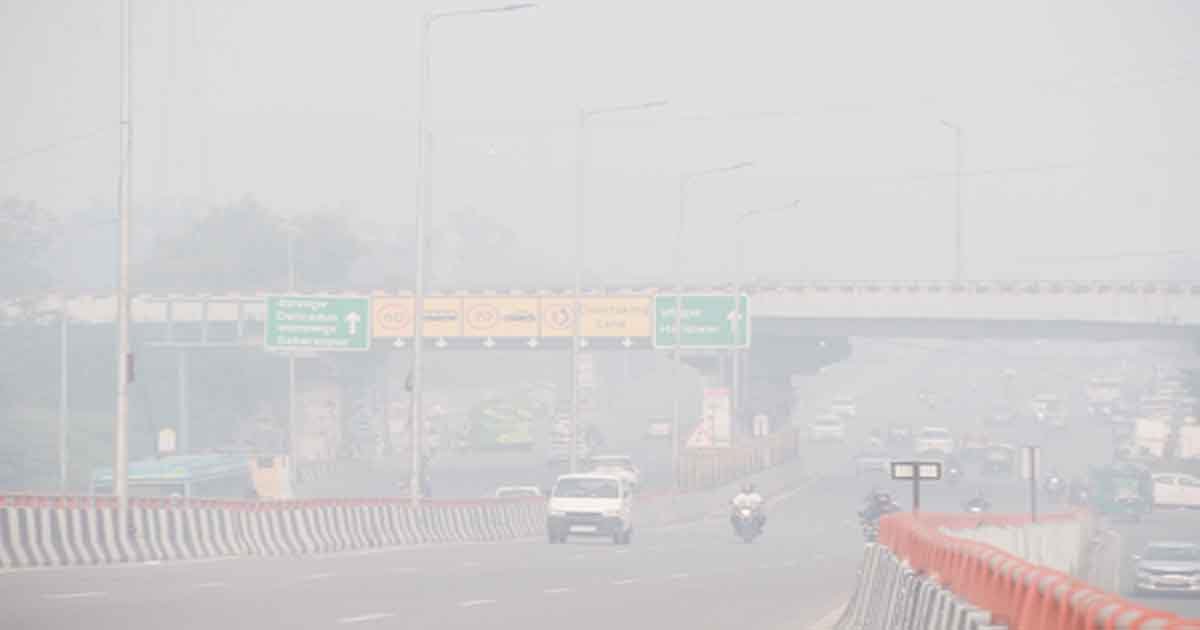
New Delhi : Delhi witnessed a sharp deterioration in air quality on Monday, a day after Diwali celebrations, with pollution levels reaching the ‘Severe’ category in several localities, according to monitoring data. A dense blanket of smog covered several parts of the national Capital in the morning hours, considerably reducing visibility. The situation was particularly noticeable around Inderlok and other residential areas. Delhi’s average Air Quality Index (AQI) was recorded at 376, placing it in the ‘Very Poor’ category, according to the Central Pollution Control Board’s (CPCB) Sameer application. However, several monitoring stations registered considerably higher pollution levels. Sonia Vihar topped the list with an AQI of 449, followed by Burari Crossing at 445 and Vivek Vihar at 441, as per a Pollution Dashboard.
Jahangirpuri recorded an AQI of 439, while Delhi University’s North Campus registered 437 and Rohini 435. Other locations reporting ‘Severe’ air quality included DTU (431), Bawana (424), Chandni Chowk and Patparganj (418 each), Mundka (413), NIH Narela and Punjabi Bagh (408 each), and the Commonwealth Sports Complex and ITO (404 each). The post-Diwali pollution situation has once again brought the effectiveness of measures to curb firecracker emissions into question. Despite restrictions and directions issued by the Supreme Court, firecrackers continued to be burst in several parts of Delhi beyond the permitted hours. The situation has also drawn attention to the functioning of agencies responsible for monitoring air quality. According to an NDTV report, pollution levels in several neighbourhoods had climbed significantly above prescribed limits on Diwali night.
R.K. Puram and Nehru Nagar, near Lajpat Nagar, were among the worst-affected locations until 9 p.m. The real-time monitoring system initially reflected a steep upward movement in pollution levels. However, the Delhi Pollution Control Committee’s (DPCC) website reportedly stopped displaying live readings from several monitoring stations for a few hours. The affected locations included R.K. Puram, Nehru Nagar, Mundka, Sonia Vihar and Dwarka, raising concerns over the availability of monitoring data during the peak pollution period. Separately, Delhi Minister Kapil Mishra targeted Aam Aadmi Party (AAP) National Convenor Arvind Kejriwal, alleging that a campaign was being run from the latter’s residence to malign the festival of Deepavali under the guise of concerns over pollution. Official figures also indicated that pollution levels in certain parts of Delhi exceeded the World Health Organisation’s (WHO) recommended limits by more than 50 times after residents continued bursting firecrackers beyond the Supreme Court’s 10 p.m. deadline.
General
Mumbai’s air quality better than last year on Diwali, but firecrackers trigger sharp pollution spike
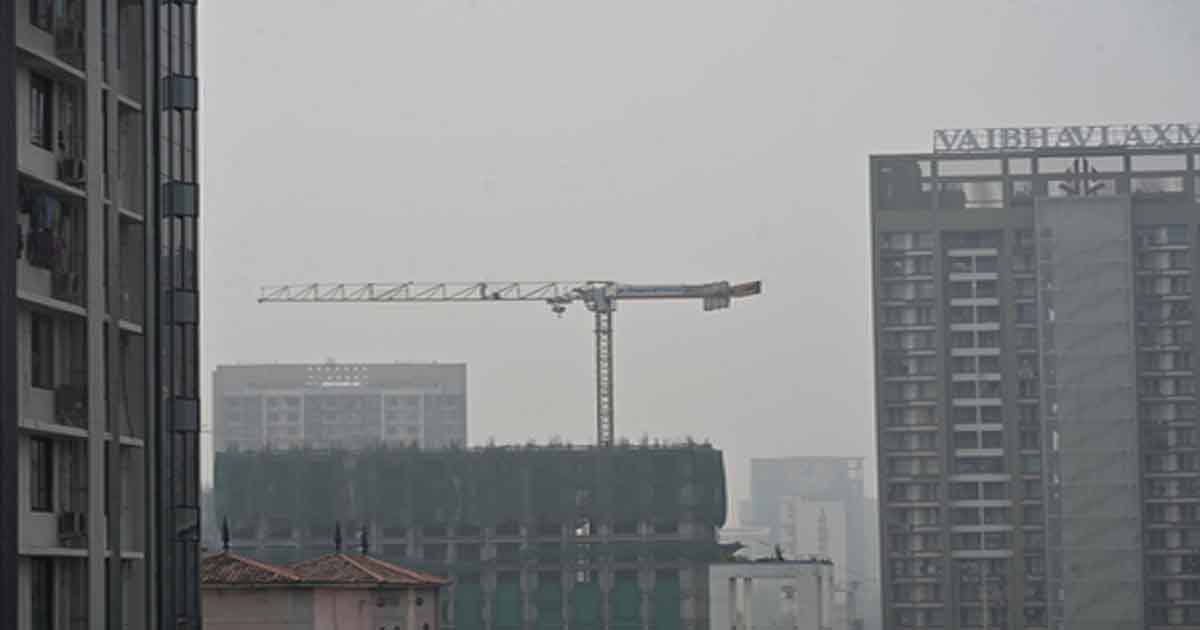
Mumbai : Mumbai’s air quality deteriorated sharply following Diwali celebrations, with firecracker emissions contributing to a significant rise in particulate pollution and a layer of smog covering several parts of the city. Although Mumbai recorded comparatively better air quality this Diwali than in 2025, the improvement proved temporary as pollution levels surged during the evening celebrations. The city recorded an Air Quality Index (AQI) of 132 on Sunday, nearly 30 per cent lower than the 188 recorded during the corresponding period last year. However, the relatively cleaner air during the daytime gave way to a sharp deterioration as people began bursting firecrackers in the evening.
In Andheri, PM2.5 levels jumped from 42 at 8 p.m. to 597 within two hours. Malad recorded an even higher PM2.5 concentration of 606, while Chembur reported PM10 levels of 480 at 10 p.m. The overnight spike highlighted the continuing impact of firecracker emissions on the city’s air quality despite growing environmental awareness. By Monday morning, pollution levels remained elevated in several locations. The AQI around Bandra Reclamation and Kala Nagar stood at 231, falling in the ‘Poor’ category, according to the Central Pollution Control Board (CPCB).
Meanwhile, Mumbai and neighbouring Thane witnessed a substantial deterioration in air quality on Diwali night, with pollution levels entering the severe category amid widespread firecracker use. According to live readings on AQI.in, Mumbai’s AQI stood at 278 at 9.34 p.m. on Sunday. The PM2.5 concentration was recorded at 192 micrograms per cubic metre, while PM10 levels reached 232 micrograms per cubic metre. These readings came just hours after the city experienced its cleanest Diwali afternoon air in four years. According to an earlier report by a leading English daily, Mumbai recorded an AQI of 131 around 1 p.m. on Sunday, as per the CPCB dashboard. The figure was considerably lower than the corresponding Diwali afternoon readings of 194 in 2025, 181 in 2024 and 149 in 2023. Favourable weather conditions, particularly strong sea breezes that helped disperse pollutants, were considered a major factor behind the improved daytime air quality.
The city’s air quality had already begun showing signs of deterioration during the first week of October. On Diwali afternoon, 20 of Mumbai’s 26 monitoring stations recorded AQI levels above 100. Among the worst-affected locations, Bandra East (Kherwadi) recorded an AQI of 195, followed by Shivaji Nagar in Mankhurd at 183, Bandra Kurla Complex at 173, Ghatkopar at 170, Chembur at 168 and Mazgaon at 133. Following Diwali celebrations, the National Capital Region of Delhi also witnessed a significant deterioration in air quality, with dense smoke and haze spreading across the region. Reduced visibility has been reported in several areas, further intensifying concerns about rising pollution levels. Air Quality Index (AQI) readings and the government’s efforts to tackle the pollution crisis have remained key topics of discussion in the national Capital over the past few days.
Ahead of the Diwali festivities, the Commission for Air Quality Management (CAQM) implemented Stage III restrictions under the Graded Response Action Plan (GRAP) across Delhi-NCR. According to the commission’s order, the decision was taken as a precautionary step in anticipation of a possible decline in air quality during the festive period. Data available on the Central Pollution Control Board’s (CPCB) Sameer application showed that Delhi’s overall AQI reached 373 at 11:05 PM on November 8, 2026, placing it in the ‘very poor’ category. During the same period, Noida recorded an average AQI of 319. The corresponding readings for Ghaziabad, Gurugram and Faridabad stood at 360, 280 and 297, respectively, all falling within the ‘very poor’ category. The situation was particularly concerning in several parts of Delhi, where pollution levels crossed the 400 mark, entering the ‘severe’ category. Areas reporting such high AQI readings included Alipur, Bawana, Burari, Chandni Chowk, Mundka, Punjabi Bagh, Rohini and Vivek Vihar, among others.
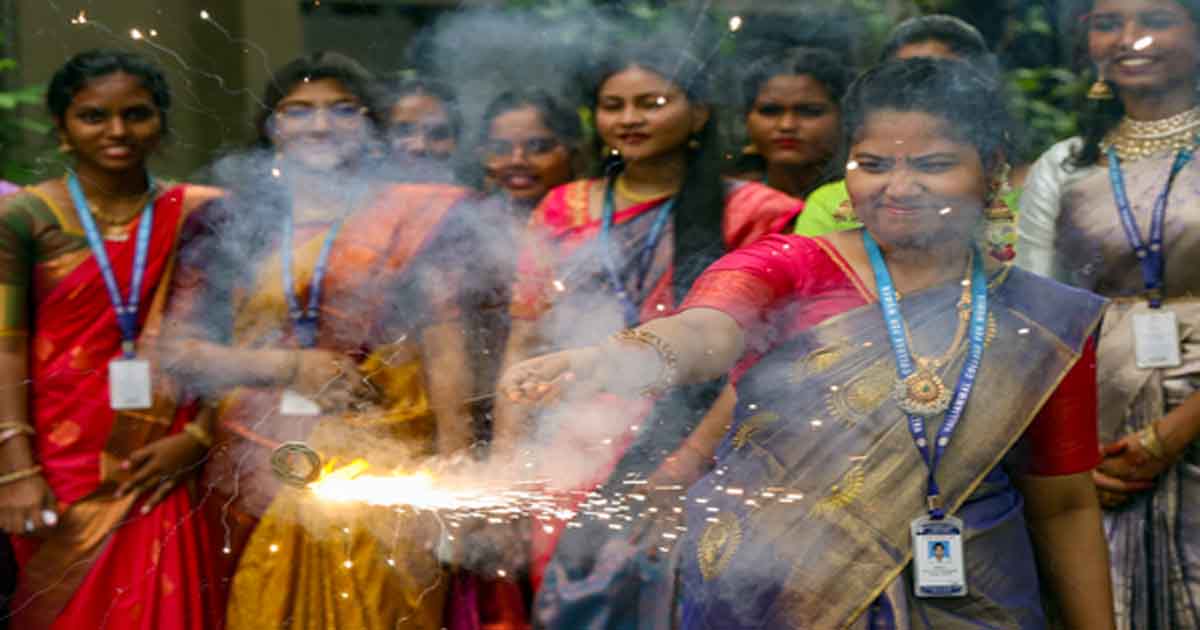
Chennai : As many as 679 people sustained injuries in firecracker-related accidents across Tamil Nadu during Deepavali celebrations on Sunday, with 110 victims still undergoing treatment in hospitals, according to figures released by the Tamil Nadu Fire and Rescue Services Department on Monday. Despite widespread rainfall in several parts of the state, Diwali was celebrated with considerable enthusiasm as people dressed in new clothes, exchanged greetings, and burst firecrackers with family members. However, celebrations were marred by several fire accidents and injuries, prompting emergency calls to fire and rescue personnel across the state.
According to the Fire and Rescue Services Department, its control room received 91 emergency calls between Sunday morning and 9 p.m. Of these, 54 calls were directly related to accidents caused by firecrackers, while the remaining 37 concerned other fire incidents reported from different locations. Officials said a total of 679 people, including men, women and children, received medical attention following firecracker-related accidents and burn injuries during the festivities. Of the total injured, 569 people were treated at hospitals and subsequently discharged after receiving the necessary medical care. Those discharged included 329 men, 42 women and 198 children. A substantial number of minors were among those affected by the accidents.
Meanwhile, 110 people who suffered burn injuries while bursting firecrackers continued to undergo treatment at various hospitals across Tamil Nadu. The patients remaining under medical supervision included 86 men, nine women and 15 children. The figures highlight the risks associated with handling firecrackers, particularly during large-scale celebrations involving children and families. Fire and rescue personnel remained on alert throughout the festival to respond to emergencies and prevent incidents from escalating into major accidents. Hospitals across the state had also made arrangements to provide immediate treatment to people suffering from burns and other injuries during the celebrations.
The number of emergency calls and hospital admissions underscores the importance of following safety precautions while bursting firecrackers. Although the festival was celebrated enthusiastically despite unfavourable weather conditions, the injuries reported across Tamil Nadu once again brought attention to public safety concerns associated with Deepavali celebrations. The authorities have not provided details regarding the severity of injuries among those still hospitalised.

Post-Diwali pollution chokes Delhi; AQI nears 450 in Sonia Vihar, multiple areas record severe air quality

Mumbai’s air quality better than last year on Diwali, but firecrackers trigger sharp pollution spike

679 Injured in Firecracker-Related Accidents Across Tamil Nadu During Diwali Celebrations

Diwali Celebrations Marred by Multiple Fire Incidents Across Mumbai and Thane

Massive Fire Breaks Out at Haji Kasam Chawl in Mumbai’s Dongri : Multiple Emergency Teams Rush to Spot

Rahul, Cong ecosystem want to force regime change: BJP after Neha Bora praises B’desh Gen-Z protest

BJP pays tribute to ex-President Abdul Kalam, recalls his enduring influence on generations of India’s youth

Attack on democratic rights: INDIA Bloc leaders on detentions of anti-ECI protestors

Congress trying to protect 3 crore Bangladeshi infiltrators in voter list: HM Shah

Online betting: ED conducts searches at 20 premises in Mumbai, Pune, Hyderabad
-

 Crime4 years ago
Class 10 student jumps to death in Jaipur
-

 Maharashtra2 years ago
Mumbai Local Train Update: Central Railway’s New Timetable Comes Into Effect; Check Full List Of Revised Timings & Stations
-

 Maharashtra2 years ago
Mumbai To Go Toll-Free Tonight! Maharashtra Govt Announces Complete Toll Waiver For Light Motor Vehicles At All 5 Entry Points Of City
-

 Maharashtra2 years ago
False photo of Imtiaz Jaleel’s rally, exposing the fooling conspiracy
-

 National News2 years ago
Ministry of Railways rolls out Special Drive 4.0 with focus on digitisation, cleanliness, inclusiveness and grievance redressal
-

 Maharashtra2 years ago
Maharashtra Elections 2024: Mumbai Metro & BEST Services Extended Till Midnight On Voting Day
-

 National News2 years ago
J&K: 4 Jawans Killed, 28 Injured After Bus Carrying BSF Personnel For Poll Duty Falls Into Gorge In Budgam; Terrifying Visuals Surface
-

 Crime2 years ago
Baba Siddique Murder: Mumbai Police Unable To Get Lawrence Bishnoi Custody Due To Home Ministry Order, Says Report