
International News
Gaza hostage deal reached, confirms Israeli PM Netanyahu

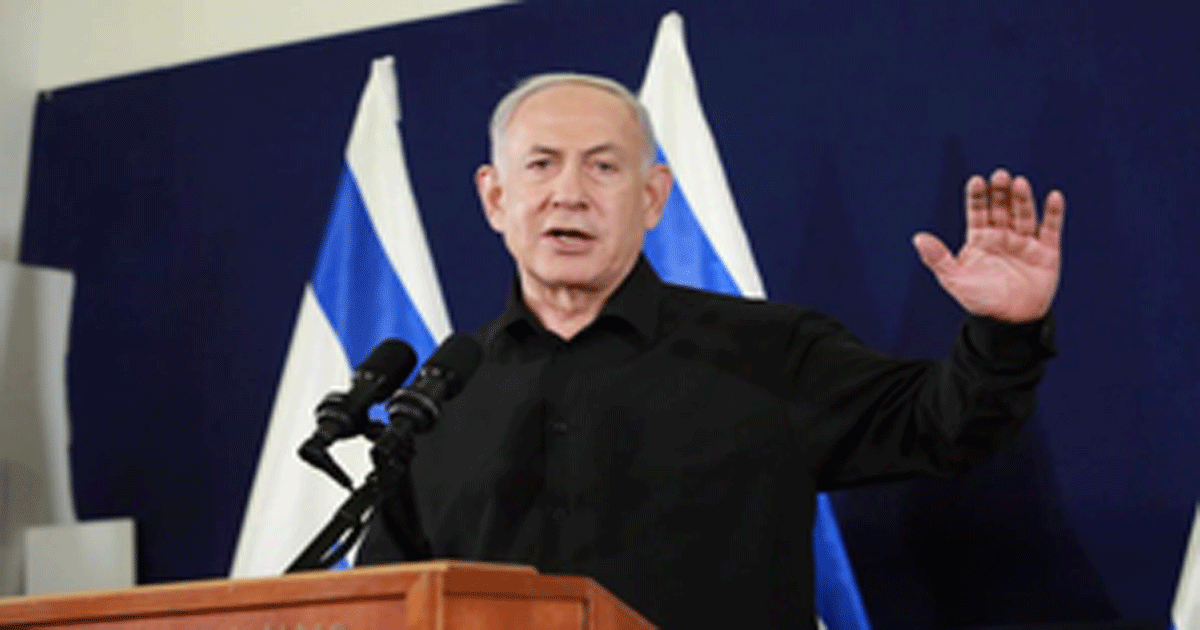
Jerusalem, Jan 17: Israeli Prime Minister Benjamin Netanyahu confirmed on Friday that a deal has been reached to release hostages held in Gaza and to implement a ceasefire, following intense negotiations between Israeli and Hamas teams in Qatar, Israeli media reported.
Israeli media quoted a statement from Benjamin Netanyahu’s office as saying the Israeli prime minister had convened a security cabinet meeting for Friday to hold a vote on the deal, with a full cabinet session to follow for official approval. Netanyahu was informed by the Israeli negotiating team that the deal had been successfully concluded, and he thanked them for their efforts.
The deal, which marks a significant step toward ending the 15-month-long conflict, will see the release of dozens of hostages held by Hamas in exchange for Palestinian prisoners held by Israel. Netanyahu’s office confirmed that the families of the remaining 98 hostages had been updated and preparations are underway for their return.
“The (full cabinet) will later convene to approve the deal,” Netanyahu’s office said in its statement, adding that Netanyahu had expressed his gratitude to the negotiating team, who had informed him about the deal’s completion.
Netanyahu’s office added: “The state of Israel is committed to achieving all the goals of the war, including the return of all our hostages, both the living and the dead.”
The agreement, announced by mediators on Wednesday — Qatar, the US, and Egypt — will lead to the phased release of Israeli hostages and Palestinian prisoners, and also see a pause in fighting in Gaza.
Despite the breakthrough, the approval process has faced some delays. Initially, Netanyahu’s office had signalled concerns over last-minute snags in the negotiations, accusing Hamas of reneging on parts of the deal.
Earlier on Thursday, Netanyahu’s office said the cabinet won’t meet to approve the agreement for a ceasefire in Gaza and the release of dozens of hostages until Hamas backs down, accusing the group of reneging on parts of the agreement in an attempt to gain further concessions. These issues had delayed the approval of the ceasefire and hostage exchange, but the deal was eventually finalised.
The release of the first group of hostages, initially scheduled for Sunday, is now expected to occur on Monday, following the delay in cabinet approval. The vote within the Israeli government is expected to be contentious, with reports suggesting that some members of Netanyahu’s coalition government may oppose the deal, potentially threatening to resign.

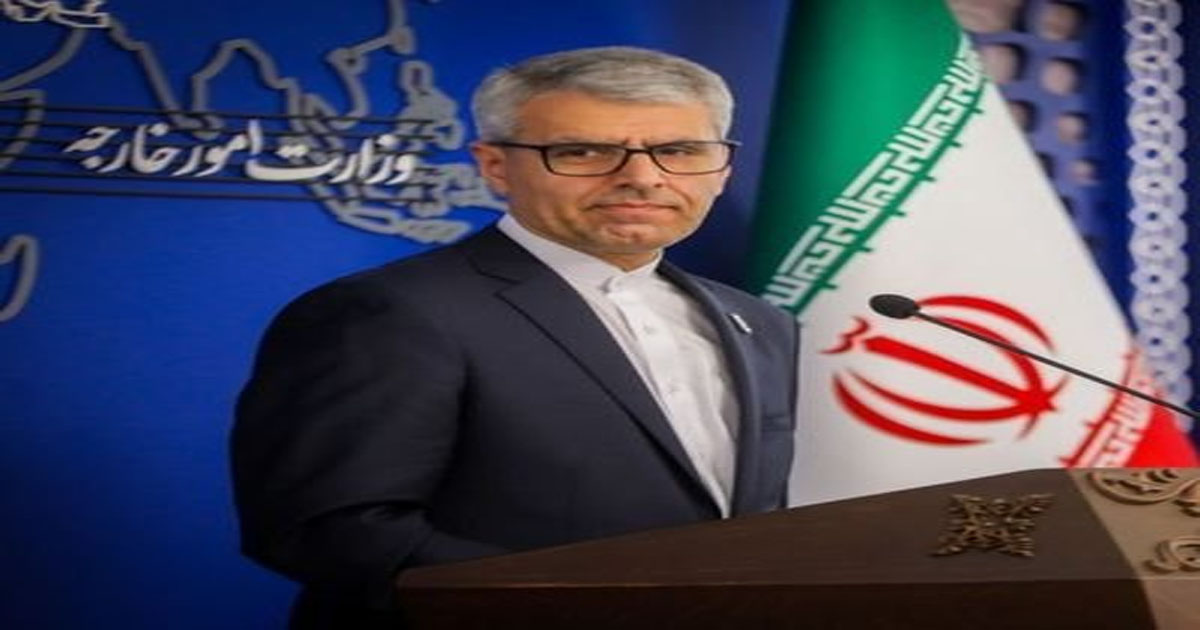
Tehran, April 12: Iran has taken a firm stance amid ongoing negotiations with the US, with Foreign Ministry spokesperson Esmaeil Baqaei declaring that the country “has not forgotten and will not forget” past breaches of promise by the United States, underscoring deep mistrust even as talks continue in Islamabad.
In a detailed post on X, Baqaei stated, “Diplomacy for us is the continuation of the sacred jihad of the defenders of the Iranian land. We have not forgotten and will not forget the experiences of America’s breaches of promise and malicious acts. Just as we will not forgive the heinous crimes committed by them and the Zionist regime during the course of the second and third imposed wars.”
He described the negotiations as intense and prolonged, noting, “Today was a busy and long day for the delegation of the Islamic Republic of Iran in Islamabad. The intensive negotiations that began from the morning of Saturday with Pakistan’s benevolent efforts and mediation have continued without interruption until now, and numerous messages and texts have been exchanged between the two sides.”
Highlighting the determination of the Iranian delegation, Baqaei added, “The Iranian negotiators are employing all their capabilities, experience, and knowledge to safeguard Iran’s rights and interests. The heavy loss of our great elders, dear ones, and fellow countrymen has made our resolve to pursue the Iranian nation’s interests and rights firmer than ever before.”
Reaffirming Iran’s broader stance, he said, “Nothing can or should deter us from pursuing our great historical mission toward our beloved homeland and noble Iranian civilization. The Islamic Republic of Iran is determined to utilize all tools, including diplomacy, to secure national interests and protect the country’s well-being.”
According to Baqaei, discussions over the past 24 hours covered key issues including the Strait of Hormuz, the nuclear programme, war reparations, sanctions relief, and ending ongoing regional conflicts. He stressed, “The success of this diplomatic process depends on the seriousness and good faith of the opposing side, refraining from excessive demands and unlawful requests, and the acceptance of Iran’s legitimate rights and interests.”
At the conclusion of the latest round of talks, negotiations between Iran and the United States have been extended for another day at Pakistan’s proposal, with both sides agreeing to continue discussions. The talks, which began at 1 p.m. local time on Saturday, lasted over 14 hours and involved continuous exchanges of messages and draft texts.
According to Iran’s semi-official Tasnim News Agency, the extension comes amid continued disagreements, particularly over the Strait of Hormuz and other critical issues. The report noted that while some initial progress had been made, “serious” differences persist, largely due to what Iran describes as “illogical and excessive demands” from the US side.
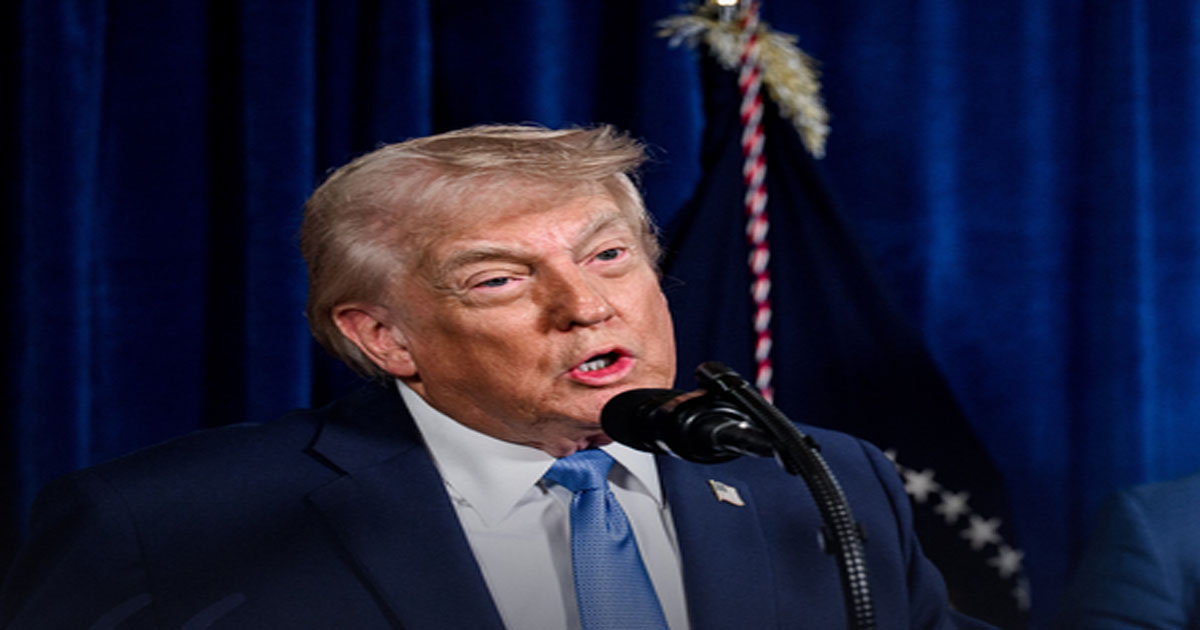
Washington, April 12: US President Donald Trump was closely involved in high-stakes nuclear talks with Iran and has backed a “final and best offer” to Tehran after negotiations in Islamabad collapsed without agreement, Vice President J D Vance said.
“We leave here with a very simple proposal, a method of understanding that is our final and best offer. We’ll see if the Irans accept it,” Vance told reporters after 21 hours of negotiations .
The Vice President underscored Trump’s direct role in the talks, describing constant communication between the negotiating team and the White House.
“We were talking to the president consistently. I don’t know how many times we talked to him. A half dozen times, a dozen times over the past 21 hours,” Vance said.
He said the President had instructed negotiators to pursue a deal in good faith but with clear limits.
“The president told us, you need to come here in good faith and make your best effort to get a deal. We did that,” Vance said .
Despite intensive engagement, the talks failed to bridge differences over Iran’s nuclear programme.
“We have been at it now for 21 hours… we’ve had a number of substantive discussions with the Iranians. That’s the good news. The bad news is that we have not reached an agreement,” he said .
Washington, he added, had clearly laid out its negotiating boundaries.
“We’ve made very clear what our red lines are… and they have chosen not to accept our terms,” Vance said .
At the core of the impasse is the US demand for a long-term guarantee that Iran will not pursue nuclear weapons capability.
“We need to see an affirmative commitment that they will not seek a nuclear weapon and they will not seek the tools that would enable ’em to quickly achieve a nuclear weapon,” he said .
Vance emphasised that Washington is seeking durable assurances, not temporary pledges.
“Do we see a fundamental commitment of will for the Iranians not to develop a nuclear weapon? Not just now, not just two years from now, but for the long term. We haven’t seen that yet,” he said .
He also highlighted the broader national security coordination behind the negotiations, noting that the team remained in touch with senior officials throughout.
“We obviously also talked to… the entire national security team… because we were negotiating in good faith,” Vance said .
While declining to disclose specific sticking points, Vance maintained that the US side had shown flexibility.
“I think that we were quite flexible. We were quite accommodating… and unfortunately we weren’t able to make any headway,” he said.
International News
Iran struggles to reopen Strait of Hormuz as missing sea mines complicate navigation: Report

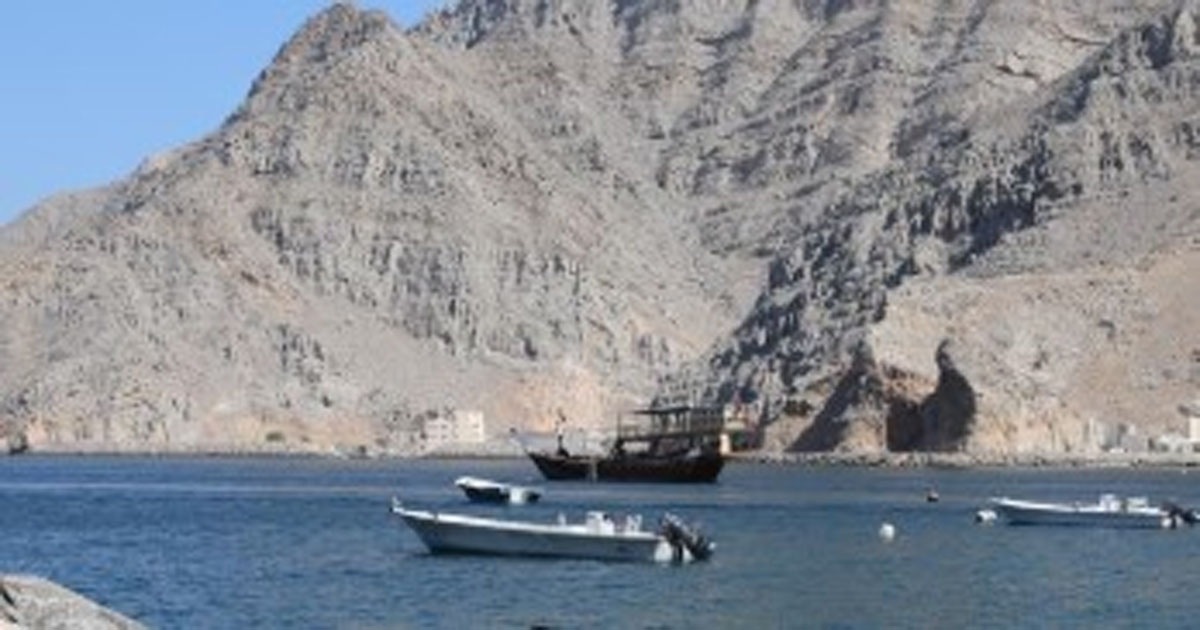
Washington, April 11: A fresh complication has emerged in the already tense geopolitical landscape, with Iran reportedly facing difficulties in reopening the strategically crucial Strait of Hormuz after laying sea mines during recent hostilities.
According to a report by The New York Times, citing US officials, Tehran is unable to locate all the mines it deployed in the vital shipping corridor, raising serious concerns over maritime safety and global oil supply.
The Strait of Hormuz, which links the Persian Gulf to the Gulf of Oman and the Arabian Sea, is one of the world’s most critical oil transit routes, carrying nearly a fifth of global oil shipments. For countries like India, the dependency is even higher, with a significant portion of its energy imports passing through this narrow channel.
As per the report, Iran had deployed mines using small boats last month, shortly after joint airstrikes by the US and Israel amid escalating tensions over Tehran’s nuclear programme. However, officials now believe that the mining operation may not have been systematically documented. Some of the devices, even when recorded, were laid in a manner that allowed them to drift, making detection and removal significantly more challenging.
US officials described the mining effort as “haphazard,” the New York Times reported, highlighting the risks posed to commercial shipping.
The situation has also cast a shadow over ongoing diplomatic efforts, particularly the high-stakes talks between Washington and Tehran currently underway in Islamabad.
“Iran’s Islamic Revolutionary Guard Corps had issued warnings that ships passing through the strait could collide with sea mines. It, however, left another passage open to allow the transit of ships that pay a toll,” said the report.
Adding to concerns, Iran’s Islamic Revolutionary Guard Corps (IRGC) has issued a public advisory warning vessels about the potential danger.
“All ships intending to transit the Strait of Hormuz are hereby notified that to comply with the principles of maritime safety and to be protected from possible collisions with sea mines… they should take alternative routes for traffic in the Strait of Hormuz,” the IRGC said in a statement.
While Iran has agreed to reopen the strait following a ceasefire with the US, just ahead of a deadline set by President Donald Trump, its inability to swiftly clear the mines has delayed full restoration of normal shipping operations. Authorities have instead proposed alternative navigation routes to minimise risk.

We have not forgotten US breaches: Iran hardens stand amid peace talks

26-Year-Old Woman Found Hanging In Thane Hotel; Probe Underway

NCB Mumbai exposes inter-state ganja smuggling network, seizes 210 kg ganja from Nagpur and arrests 04

Shocking! Security Lapse At MMRDA Grounds In Mumbai’s Bandra As MBA Student Brutally Stabbed At Simba Uproar 2026 Event

Trump backs ‘final offer’ after Iran talks fail

Dhurandhar 2 Box Office Collection Day 1: Ranveer Singh Starrer Takes An Exceptional Opening; Crosses ₹100 Crore Mark

Mumbai Police Busts Fake Apple Accessories Racket In Ghatkopar, ₹16.33 Lakh Goods Seized; Six Booked

Mumbai: 28-Year-Old Ghatkopar Woman Killed By Speeding Tanker While Crossing Road, Driver Arrested

Thane Horror: Man Slashed With Chopper In Naupada For Refusing ‘Vargani’, Caught On Camera

Dhurandhar 2 Box Office Collection Day 9: Ranveer Singh Starrer Earns ₹41.55 Crore On Its Second Friday; Enters ₹700 Crore Club
-

 Crime4 years ago
Class 10 student jumps to death in Jaipur
-

 Maharashtra2 years ago
Mumbai Local Train Update: Central Railway’s New Timetable Comes Into Effect; Check Full List Of Revised Timings & Stations
-

 Maharashtra1 year ago
Mumbai To Go Toll-Free Tonight! Maharashtra Govt Announces Complete Toll Waiver For Light Motor Vehicles At All 5 Entry Points Of City
-

 Maharashtra2 years ago
False photo of Imtiaz Jaleel’s rally, exposing the fooling conspiracy
-

 National News2 years ago
Ministry of Railways rolls out Special Drive 4.0 with focus on digitisation, cleanliness, inclusiveness and grievance redressal
-

 Maharashtra1 year ago
Maharashtra Elections 2024: Mumbai Metro & BEST Services Extended Till Midnight On Voting Day
-

 National News2 years ago
J&K: 4 Jawans Killed, 28 Injured After Bus Carrying BSF Personnel For Poll Duty Falls Into Gorge In Budgam; Terrifying Visuals Surface
-

 Crime1 year ago
Baba Siddique Murder: Mumbai Police Unable To Get Lawrence Bishnoi Custody Due To Home Ministry Order, Says Report