
Politics
Big loss of face for MNS as Raj Thackeray defers Ayodhya trip

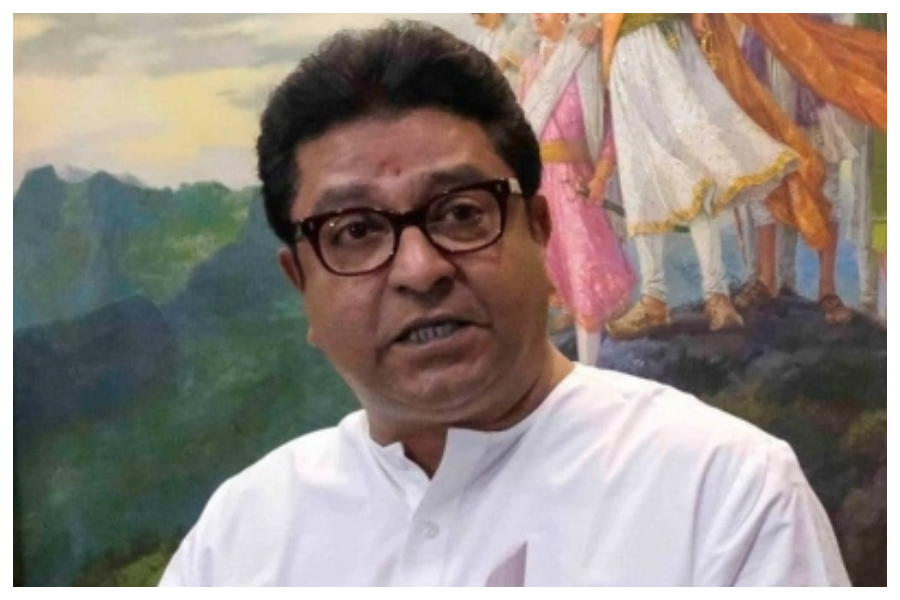
In a big loss of face, Maharashtra Navnirman Sena President Raj Thackeray on Friday morning announced that he has temporarily postponed his proposed visit to Ayodhya on June 5.
Raj himself made the announcement via social media but didn’t spell out any reasons for the move.
MNS Spokesperson Sandip Deshpande and party leader Bala Nandgaonkar both declined to provide what was the real trigger for the decision, but assured Raj will enlighten the people about it at his planned public rally in Pune on Sunday.
Adding to the MNS’s discomfiture, both Shiv Sena’s Tourism Minister Aditya Thackeray and State Congress President Nana Patole announced that their upcoming tours for ‘darshan’ of Ram Lalla would proceed as per schedule and their trips would be ‘non-political’.
Raj’s abrupt decision came amid massive protests by certain Bharatiya Janata Party leaders and activists in Uttar Pradesh and even other northern states opposing his Ayodhya trip.
They were demanding Raj’s unconditional apology for the treatment meted out to North Indians in the MNS agitation in 2008.
The anti-Raj protests were spearheaded by Uttar Pradesh BJP MP Brijbhushan Sharan Singh who warned that unless he apologises, lakhs of his supporters would block his entry to Ayodhya in June.
Though Raj has not revealed anything, there’s speculation that the postponement may have been due to health reasons, but MNS leaders declined comments.
Back in Uttar Pradesh, Brijbhushan Sharan Singh dismissed the claims of “postponement” and said Raj has “cancelled” his trip, and his agitation would continue till he (Raj) tenders an apology.
Earlier, apprehending threats, Nandgaonkar had called on Maha Vikas Aghadi (MVA) Home Minister Dilip Walse-Patil and demanded security for Raj either from the state government or the Centre.
Simultaneously, he warned that “even if a hair of Raj was harmed, Maharashtra would burn”, though preparations for the Ayodhya trip continued.
Since a month, Raj has been in the limelight after he launched an agitation demanding removal of loudspeakers from all mosques in the state failing which his activists would blare Hanuman Chalisa at double-decibel levels.


Maharashtra
Abu Asim Azmi Foundation organizes grand “Career Guidance and Counseling Session 2026” in Mankhurd Shivaji Nagar, along with education, skills are also the key to success : Abu Asim

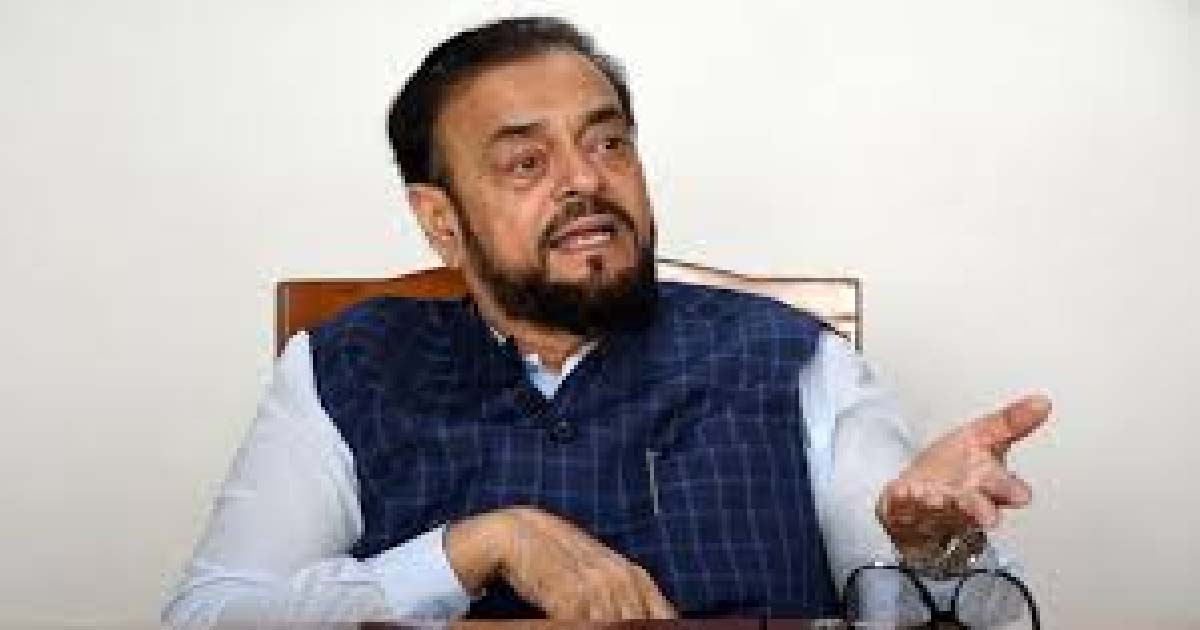
Mumbai: With an aim to create educational awareness and promote a bright future for the youth, Abu Asim Azmi Foundation today organised a grand “Career Guidance and Counselling Session 2026” at Geeta Vikas Hall in Mankhurdshivaji Nagar. Hundreds of students of class 10th and 12th from the area and their parents participated enthusiastically in the event. During the session, career guidance experts from various fields provided detailed guidance to the students.
They explained the new and emerging career options available today beyond traditional degrees. The experts also cleared the doubts of the students regarding competitive exams, technical education and professional courses. Addressing the students on the occasion, Abu Asim Azmi, Chairman of the Foundation and MLA, stressed on the importance of skills along with education. He said, “In today’s world, just getting a degree is not enough.
Children should learn different skills. If you have skills, then in the future, doors of great opportunities will open for you not only in the country but also abroad. Skill development is the key that will make you financially independent and empowered.” At the end of the program, the students directly interacted with experts and received valuable advice to plan their future. Local residents and parents praised the initiative of Abu Asim Azmi Foundation, saying that such events help children from poor and middle-class families choose the right path. The program was directed by Principal Zeba Malik and Shabana Khan. The large number of students made the program a success.
Maharashtra
Those spreading lockdown rumours will be in trouble After a meeting with the Prime Minister, strict action has been ordered: Devendra Fadnavis
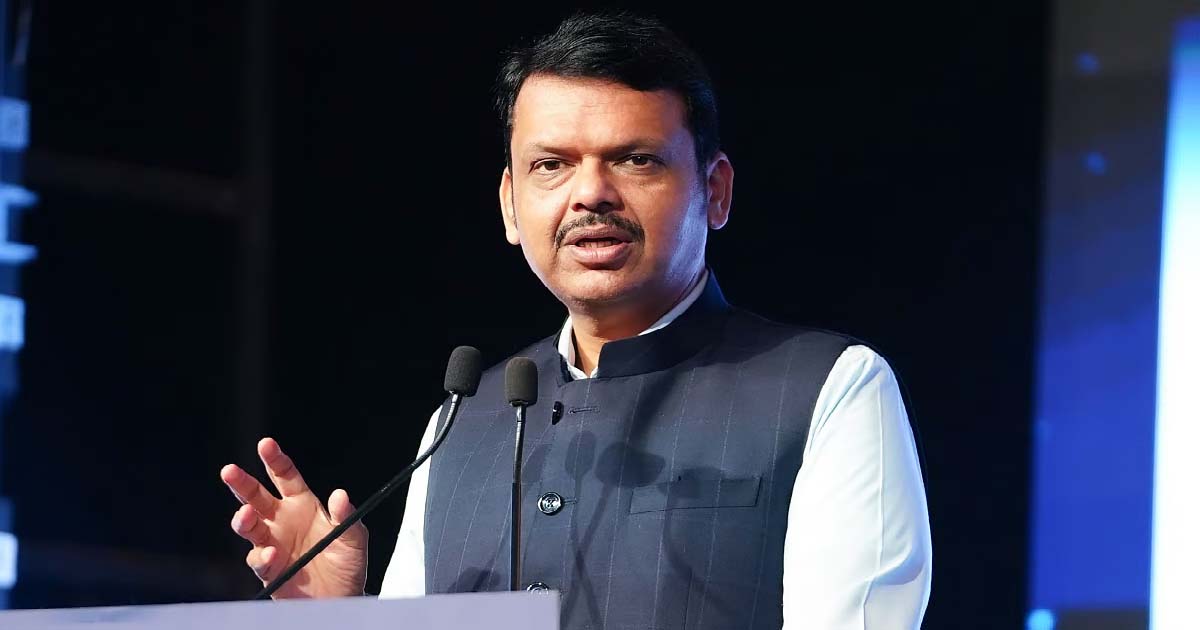
Devendra Fadnavis
Mumbai; Those spreading rumors about the lockdown in the country are no longer safe. Chief Minister Devendra Fadnavis has warned of strict action against those spreading rumors after a meeting with Prime Minister Narendra Modi. Maharashtra Chief Minister Devendra Fadnavis has made it clear that the situation is improving in the meeting held by the Prime Minister of the country with the Chief Ministers. Despite the crisis, there is no shortage of gas and other fuels in the country. Therefore, people should not spread rumors. If anyone spreads rumors, strict action will be taken against them. So that the prices of crude oil do not increase, the government has reduced the excise duty rate and this concession has given relief to the people. Commenting on the rumors related to the lockdown, the Chief Minister said that Prime Minister Narendra Modi has also instructed the state ministers to take strict action against those spreading rumors in the country, after which today the Chief Minister has claimed that there is no shortage of gas and other fuels in the state. Therefore, artificial shortages should not be created. He said that in neighboring countries, the time has come for lockdown due to oil and other sources. A weekly work schedule has been fixed here, but the situation is fine here.
Therefore, rumors should not be spread if someone spreads rumors on social media. If anyone spreads misinformation, action will be taken against him, which is why the Chief Minister has appealed to the public not to spread misinformation.
Maharashtra
Mumbai: Case Registered in Navi Mumbai Against NCB’s Amit Ghoute and Two Others on Complaint by Construction Company Owner’s Wife, Alleging Abetment to Suicide.
Mumbai NCB Zonal Director Amir Ghaute has been booked in Navi Mumbai Police against two officers for abetting suicide on the complaint of the wife of construction company owner Gurunath Chachalkar. The accused have been accused of forcing Chachalkar to commit suicide by his wife Kiran Chachalkar. In April, Chachalkar committed suicide by shooting himself in his house, after which the wife declared it not suicide but murder and requested that a case be registered against NCB officers. On this, on March 25, a case was registered against NCP Zonal Director Amit Ghaute, Akash Malik, Sandeep Negre under other sections including abetting suicide, extortion, humiliation. Chichalkar committed suicide by shooting himself with his revolver on April 25, 2025.
His wife alleged that on February 2, the NCB team had searched the house and seized documents and a watch worth Rs 2 lakh. After that, they had threatened him several times and demanded Rs 10 to 15 crores and threatened to implicate him in the case otherwise. When NCB Zonal Director Amit Ghaute was questioned in this matter, he termed all the allegations baseless and said that the accused whom NCB has arrested so far in the drug syndicate case have not been granted bail. Along with this, allegations have also been made against the NCB’s investigation method, which is based on malice. He said that the investigation conducted by NCB in the drug case was in the right direction and due to this, progress has been made in the investigation in this case. Properties worth crores of rupees have also been seized in this case.

Abu Asim Azmi Foundation organizes grand “Career Guidance and Counseling Session 2026” in Mankhurd Shivaji Nagar, along with education, skills are also the key to success : Abu Asim

Those spreading lockdown rumours will be in trouble After a meeting with the Prime Minister, strict action has been ordered: Devendra Fadnavis

Mumbai: Case Registered in Navi Mumbai Against NCB’s Amit Ghoute and Two Others on Complaint by Construction Company Owner’s Wife, Alleging Abetment to Suicide.

Bharti Airtel Receives ₹1,74,000 Penalty Notice From DoT For Subscriber Verification Lapses

Dhurandhar 2 Box Office Collection Day 9: Ranveer Singh Starrer Earns ₹41.55 Crore On Its Second Friday; Enters ₹700 Crore Club

Married Mumbai Woman Mocked In Andheri Society Over ‘Lift Kissing’ CCTV Video, Files Police Complaint

Mumbai: JBCN International School In Borivali Gets Bomb Threat, Search Reveals Hoax, Students Safe

LPG Crisis In Maharashtra: Cyber Crime On Rise Amid Shortage, 2 Women Lose ₹4 Lakh In ‘Gas Update’ Online Scam In Kalyan-Dombivli

Mahayoti’s big gift to the people of Mumbai… Now there is no tax for houses up to 500 square feet, the Municipal Corporation has increased this limit to 700 square feet.

Rashmika Mandanna-Vijay Deverakonda Wedding: Virosh Turn Modern Day Prince & Princess For Their Dreamy Sangeet Ceremony
-

 Crime4 years ago
Class 10 student jumps to death in Jaipur
-

 Maharashtra1 year ago
Mumbai Local Train Update: Central Railway’s New Timetable Comes Into Effect; Check Full List Of Revised Timings & Stations
-

 Maharashtra1 year ago
Mumbai To Go Toll-Free Tonight! Maharashtra Govt Announces Complete Toll Waiver For Light Motor Vehicles At All 5 Entry Points Of City
-

 Maharashtra2 years ago
False photo of Imtiaz Jaleel’s rally, exposing the fooling conspiracy
-

 National News1 year ago
Ministry of Railways rolls out Special Drive 4.0 with focus on digitisation, cleanliness, inclusiveness and grievance redressal
-

 Maharashtra1 year ago
Maharashtra Elections 2024: Mumbai Metro & BEST Services Extended Till Midnight On Voting Day
-

 National News2 years ago
J&K: 4 Jawans Killed, 28 Injured After Bus Carrying BSF Personnel For Poll Duty Falls Into Gorge In Budgam; Terrifying Visuals Surface
-

 Crime1 year ago
Baba Siddique Murder: Mumbai Police Unable To Get Lawrence Bishnoi Custody Due To Home Ministry Order, Says Report