
International News
Armed attack targets Azerbaijan’s embassy in Iran

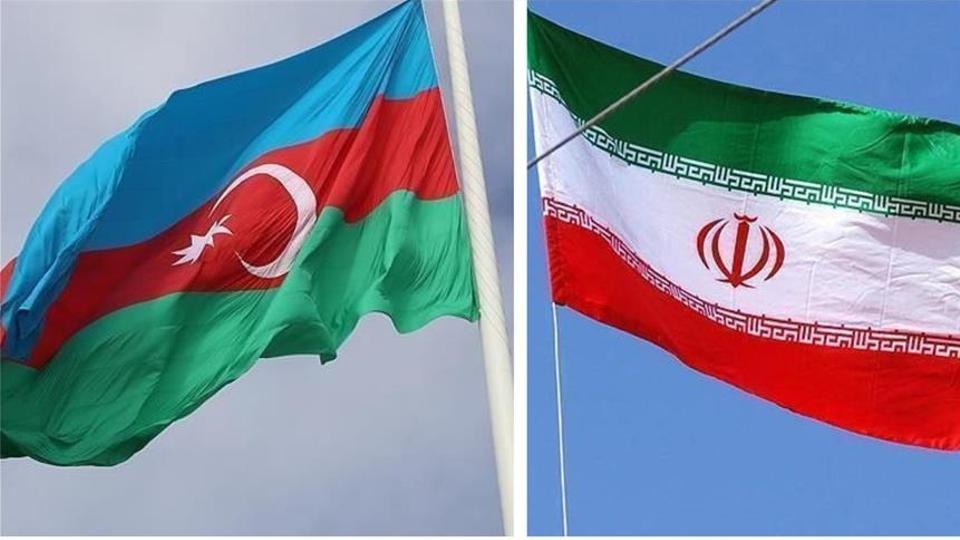
A guard has been killed in an armed attack on Azerbaijan’s embassy compound in Iran, the nation’s foreign ministry has said.
Two people were also wounded in Friday’s attack.
“The attacker destroyed the guard post with a Kalashnikov automatic weapon and killed the head of the security service. Two security guards of the embassy were also injured while preventing the attack,” Azerbaijan’s foreign ministry said.
The ministry said it would evacuate its embassy staff in Tehran.
The Iranian capital police chief, General Rahimi, said the attacker entered the embassy with his two children.
“Preliminary investigation shows that the attacker’s motive was personal and family problems,” Iran’s local Mehr News Agency reported.
‘Act of terrorism’
Azerbaijan’s President Ilham Aliyev said that an attack on his country’s embassy in Iran was “an act of terrorism” and demanded a swift investigation and punishment of the “terrorist”.
“I fiercely condemn the terrorist attack perpetrated against our Embassy in Tehran today,” Aliyev said on Twitter.
“We demand that this terrorist act be swiftly investigated and the terrorists punished,” he added.
Turkish Foreign Minister Mevlut Cavusoglu has condemned the “treacherous attack” in a tweet.
“Azerbaijan is never alone,” Cavusoglu added.
Separately Turkish Foreign Ministry issued a statement regarding the deadly attack, saying that Türkiye which has been subjected to similar attacks in the past, deeply shares the pain of the Azerbaijani people.
“It is very important that those responsible for this heinous attack should be immediately apprehended and brought to justice,” the ministry said.
Suspect detained
Nasser Kanani, the spokesperson of the Ministry of Foreign Affairs of Iran also condemned the attack and said the suspect was detained.
“Police and security forces immediately intervened and arrested the assailant, who is currently under investigation,” the spokesman said.
The foreign ministry also noted that the situation is under investigation with dimensions of action and the motive of the assailant.
Azerbaijan borders Iran to its northwest. There have been tensions between the two countries as Azerbaijan and Armenia have fought over the Karabakh region.
Iran in October launched a military exercise near the Azerbaijan border, flexing its martial might amid the nationwide protests rocking the Islamic Republic.
Azerbaijan also maintains close ties to Israel, which Tehran views as one of its top regional enemies.
(Source: TRT WORLD)


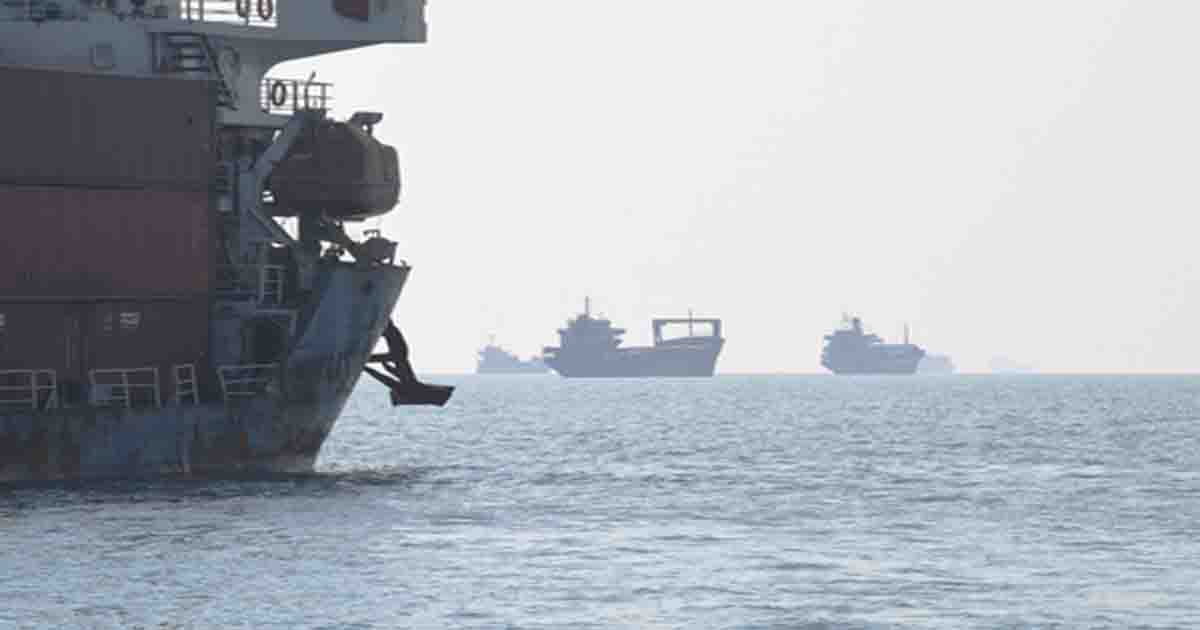
The navy of Iran’s Islamic Revolutionary Guard Corps (IRGC) said Saturday that two “violating” oil tankers exploded and caught fire after hitting naval mines in the Strait of Hormuz earlier in the day.
One tanker collided with the mines off Oman’s Khasab port, and the other hit mines on the “unauthorised” route east of the Strait of Hormuz, the navy said in a statement on the IRGC’s official news outlet, Sepah News.
The vessels had turned off their GPS systems and tried to cross the strait’s “illegitimate” route stealthily, it added.
The navy warned that the “unauthorised” route in the waterway is entirely mined, and oil tankers’ attempts and the “terrorist” U.S. military’s aerial support will not prevent collision with the “highly devastating” mines, Xinhua News Agency reported.
Meanwhile, the US military has disabled a commercial vessel in the Gulf of Oman after it allegedly attempted to breach the US naval blockade of Iran despite repeated warnings, while Tehran has vowed to keep the strategically important Strait of Hormuz shut and break the embargo.
The US Central Command (CENTCOM) said the incident took place on November 26, after the Palau-flagged bulk carrier M/V Pacific Archer departed from the Iranian port city of Bandar Abbas and attempted to transit regional waters.
In a statement, CENTCOM said: “A U.S. military aircraft launched precision munitions that struck the stern of Palau-flagged M/V Pacific Archer. The ship’s propulsion was ultimately disabled and the civilian crew was unharmed.”
The military command said the vessel had attempted to run the US naval blockade despite receiving multiple warnings from American forces.
“US Central Command (CENTCOM) disabled a commercial vessel in the Gulf of Oman, Nov. 26, after the crew attempted to run the US naval blockade, despite multiple warnings, following departure from an Iranian port,” the statement said.
It further asserted that American forces were continuing to strictly enforce the blockade, adding that 158 commercial vessels had been redirected after complying with instructions, while six vessels had been disabled for refusing to comply.
“All mariners operating in the Gulf of Oman and approaches to the Strait of Hormuz are urged to heed blockade warnings issued by CENTCOM forces,” it added.
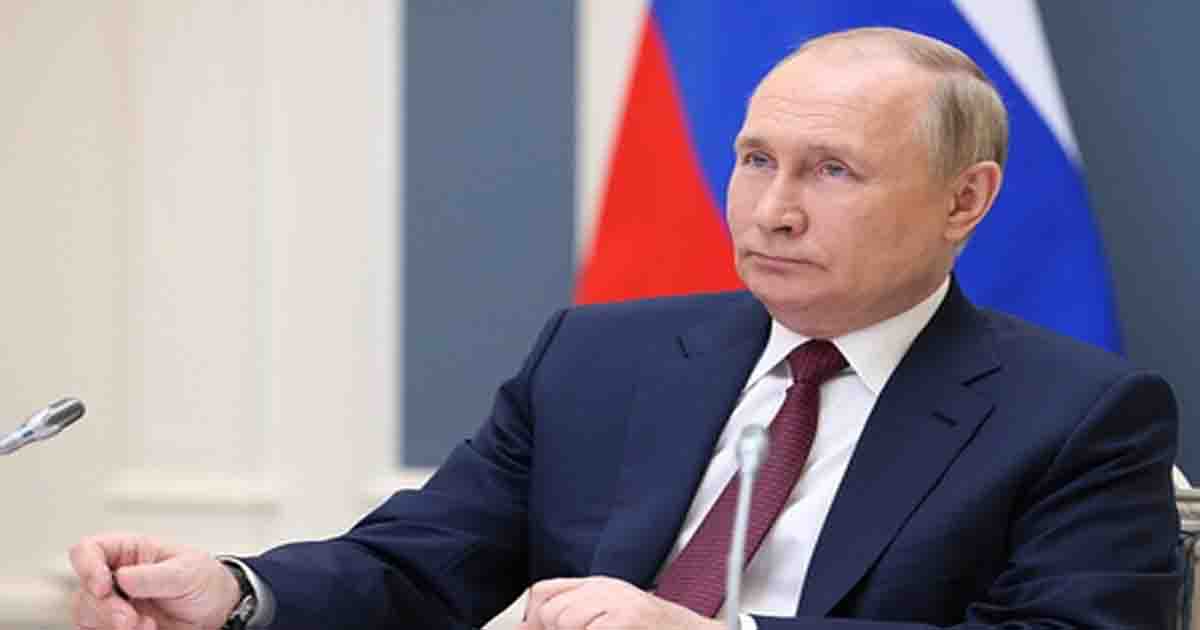
Russian President Vladimir Putin said that the new nuclear-powered submarine Perm will join Russia’s Pacific Fleet and undertake combat duty.
Putin made the remarks on Friday while attending a ceremony to raise the Russian naval flag on the Perm at the Sevmash shipyard in Severodvinsk, a major shipbuilding center in northwestern Russia, the Kremlin said in an official statement.
The Perm was the fifth Yasen-M-class nuclear-powered submarine delivered to the Russian Navy over the past six years, Putin said, adding that Russia is one of the few countries in the world capable of building such advanced nuclear-powered submarines, which are weapons systems of global strategic significance, Xinhua new agency reported.
According to the Kremlin, the Perm is a fourth-generation, multipurpose nuclear-powered submarine, and also the first Russian Navy submarine equipped with Zircon hypersonic cruise missiles as standard armament.
Submarines of the Yasen-M class are designed to operate in different parts of the world’s oceans while remaining undetected. In the near future, the Perm will join Russia’s Pacific Fleet to protect Russia’s maritime borders, Putin said.
Russia plans to continue expanding and modernizing its Navy, particularly its submarine fleet, according to Putin. He said that the Sevmash shipyard is continuing construction of several types of nuclear-powered submarines, with five missile-carrying submarines scheduled for delivery to the Navy by 2030, including three of the Yasen-M class.
Putin said measures to expand serial ship production and modernize weapons systems would help ensure stable operations in the shipbuilding and defense industries, promote advanced technologies and strengthen Russia’s defense capabilities and technological sovereignty.
International News
India says attacks on maritime shipping and seafarers unacceptable, calls for global response

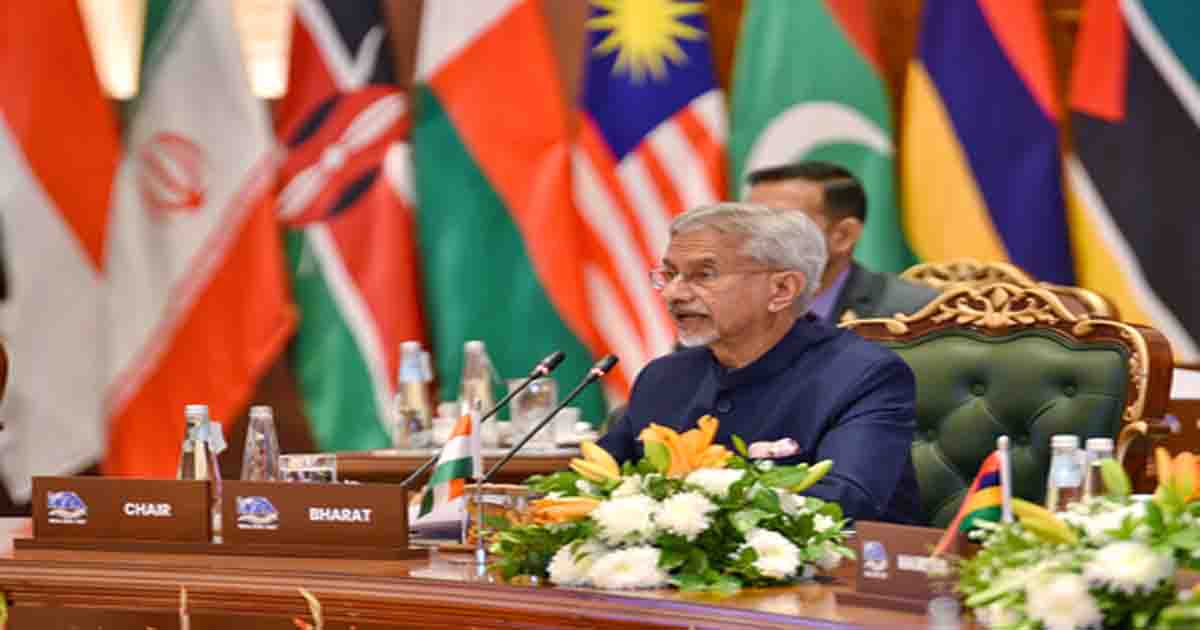
Calling for a global response, External Affairs Minister (EAM) S Jaishankar on Friday termed attacks on maritime shipping and seafarers as “unacceptable”.
In his remarks at the Indian Ocean Rim Association’s (IORA) General Debate on ‘A Stronger Regional Voice: Positioning IORA in a Changing Global Order’ in New Delhi on Friday, EAM Jaishankar highlighted the volatile aspects of a transforming global order, particularly conflicts, frictions and disruptions.
“We are understandably focused on the volatile aspects of a transforming global order, especially conflicts, frictions and disruptions. It is equally imperative to appreciate the promising aspects: deep interdependence, strong globalisation and the benefits of international cooperation,” EAM Jaishankar said.
He emphasised that the Indian Ocean is particularly poised to address its challenges. Recognising the criticality of maritime trade to global growth, EAM Jaishankar called on nations to deliver on safety and security of the Indian Ocean and stated that international law, especially the United Nations Convention on the Law of the Sea (UNCLOS), must be respected.
“Whether it is to counter terrorism, narcotics trade or illegal, unreported, and unregulated fishing, or indeed response to climate events and disaster situations, we have to become more self-reliant as well as more enthusiastic about cooperating with partners,” EAM Jaishankar said.
The meeting is being held under India’s IORA 2025-2027 chairship with the theme of ‘Innovation, Openness, Resilience and Adaptability in the Indian Ocean Region’.
The 23-member states of IORA are India, Australia, Bangladesh, Indonesia, Iran, Kenya, Madagascar, Comoros, France, Malaysia, Maldives, Mauritius, Mozambique, Oman, Seychelles, Singapore, Somalia, South Africa, Sri Lanka, Tanzania, Thailand, the United Arab Emirates, and Yemen.
The 12 dialogue partners are China, Egypt, the European Union, Germany, Italy, Japan, South Korea, Russia, Saudi Arabia, Turkey, the United Kingdom, and the United States.
The Council of Ministers is the Association’s highest decision-making body and comprises the Ministers of Foreign Affairs of IORA Member States. It provides the overall policy and strategic direction of the organisation. Its key responsibilities include formulating policies, reviewing progress in cooperation among member states, and identifying and deciding on new areas of collaboration to further advance the objectives of the Association.

Javed Akhtar questions fairness of proposed delimitation exercise

Rahul Gandhi escalates electoral manipulation charges linking proposed Delimitation Bill

‘Pawar’s Jantar-Mantar’: Raj Thackeray calls NCP-SP chief’s support for delimitation bill

Shiv Sena backs the Delimitation Bill, passes resolution under Eknath Shinde’s leadership, MPs directed to reach Delhi by Sunday.

Goods seized from unauthorised lodges along Ghatkopar-Mankhurd Link Road and in Chembur and Mankhurd; water and electricity meters disconnected.

Congress trying to protect 3 crore Bangladeshi infiltrators in voter list: HM Shah

Red Fort car blast probe exposes blueprint for spread of terror modules across India

Trump flags Iran targets as talks continue

‘Conspiracy, not accident’: NCP on Ajit Pawar death

BJP, Shiv Sena slam Mallikarjun Kharge for terming Diwali ‘Khushiyon ka Eid’
-

 Crime4 years ago
Class 10 student jumps to death in Jaipur
-

 Maharashtra2 years ago
Mumbai Local Train Update: Central Railway’s New Timetable Comes Into Effect; Check Full List Of Revised Timings & Stations
-

 Maharashtra2 years ago
Mumbai To Go Toll-Free Tonight! Maharashtra Govt Announces Complete Toll Waiver For Light Motor Vehicles At All 5 Entry Points Of City
-

 Maharashtra2 years ago
False photo of Imtiaz Jaleel’s rally, exposing the fooling conspiracy
-

 National News2 years ago
Ministry of Railways rolls out Special Drive 4.0 with focus on digitisation, cleanliness, inclusiveness and grievance redressal
-

 Maharashtra2 years ago
Maharashtra Elections 2024: Mumbai Metro & BEST Services Extended Till Midnight On Voting Day
-

 National News2 years ago
J&K: 4 Jawans Killed, 28 Injured After Bus Carrying BSF Personnel For Poll Duty Falls Into Gorge In Budgam; Terrifying Visuals Surface
-

 Crime2 years ago
Baba Siddique Murder: Mumbai Police Unable To Get Lawrence Bishnoi Custody Due To Home Ministry Order, Says Report