
International News
UAE, Egyptian presidents hold talks on ties, regional issues

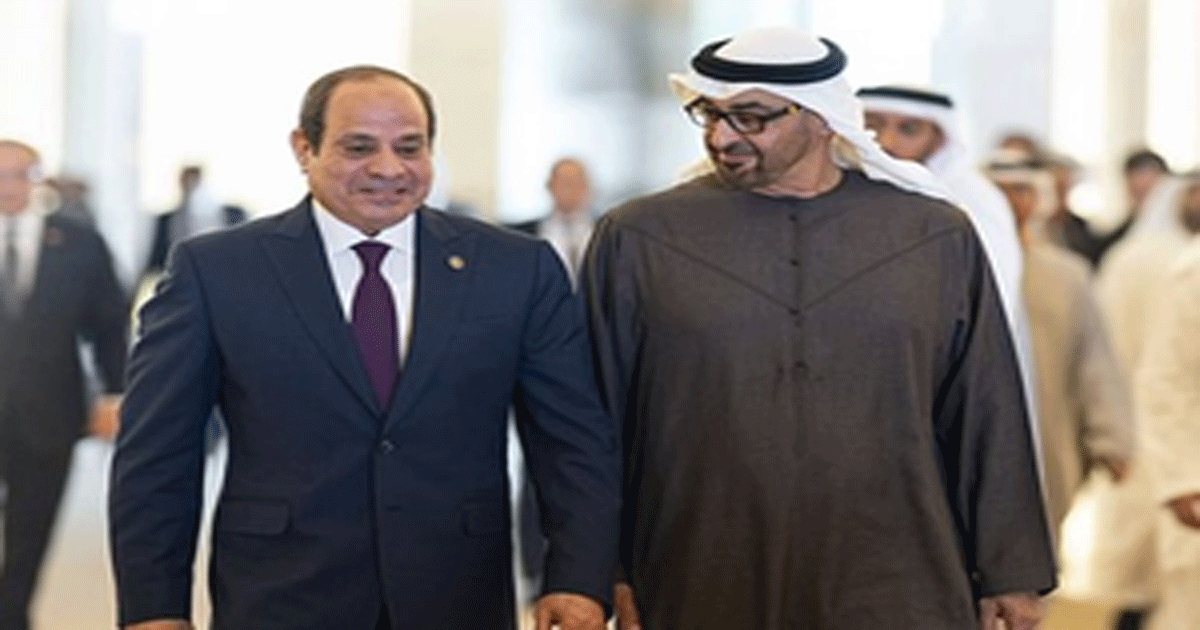
Abu Dhabi, Jan 17: President of the United Arab Emirates (UAE) Sheikh Mohamed bin Zayed Al Nahyan and his Egyptian counterpart, Abdel-Fattah al-Sisi, held discussions on bilateral relations and pressing regional issues.
The talks, which took place during Sisi’s working visit to the UAE on Thursday, focused on expanding bilateral cooperation across development, economic, and investment sectors, aiming to align with the two nations’ shared aspirations for progress and prosperity.
On regional issues, the two leaders welcomed the announcement of a ceasefire in the Gaza Strip.
They emphasised the importance of ensuring adequate humanitarian aid reaches the enclave.
During the meeting, His Highness Sheikh Mohamed bin Zayed and President El-Sisi also reviewed a number of regional and international issues of mutual concern, exchanging views on key developments, particularly in the Middle East.
Both leaders reaffirmed the need for continued efforts to implement the two-state solution, recognising it as the pathway to achieving lasting and comprehensive peace and stability in the region.
During the talks, Mohamed commended Egypt’s role in supporting the Palestinian people and brokering the Gaza ceasefire agreement.The ceasefire agreement was brokered through weeks of negotiations in Doha by Qatar, Egypt, and the US.The initial release prioritises women, children, elderly individuals, and those who are ill or injured.
The two leaders also lauded the election of Joseph Aoun as the president of Lebanon, expressing optimism that Aoun would lead Lebanon to stability.
On the developments in Syria, both presidents reaffirmed their shared commitment to the country’s unity, stability, and sovereignty, calling for an inclusive political process that engages all sectors of Syrian society.


International News
White House begging world, including India, to buy Russian crude: Iran hits out at US

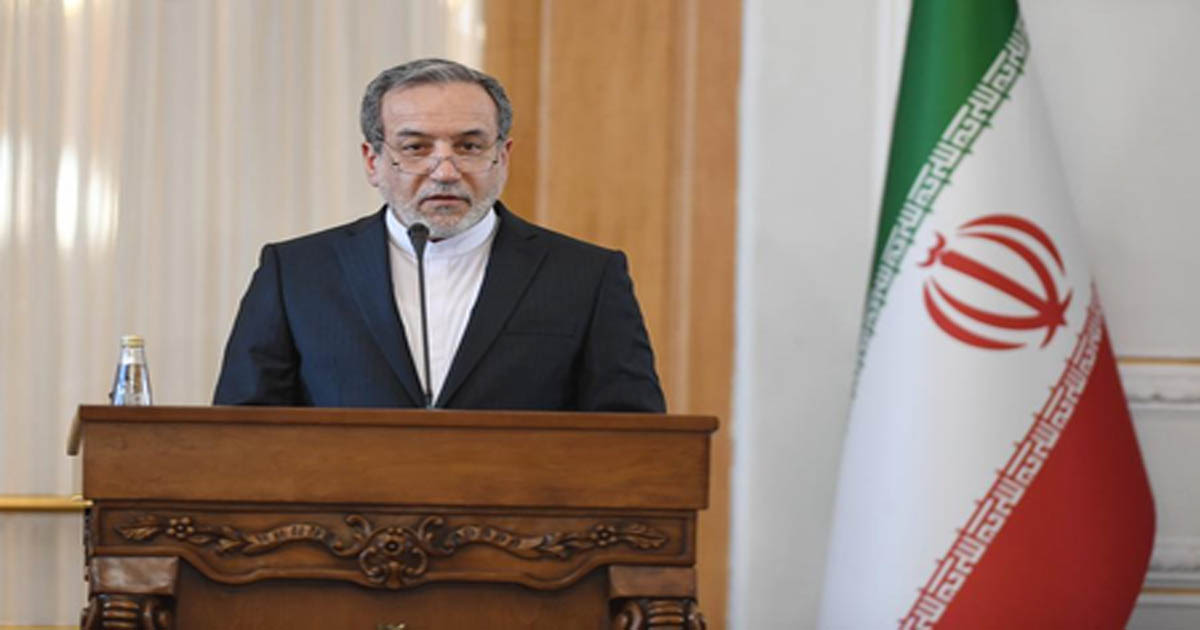
Tehran, March 14: Iran on Saturday accused the United States of double standards over Russian oil, saying that Washington was now “begging” countries to purchase the same crude it had earlier tried to block through pressure and sanctions.
In an X post, Iran’s Foreign Minister Abbas Araghchi slammed the US, alleging that it had spent months pressuring India to halt imports of Russian oil but had now shifted its position as tensions with Iran disrupted global energy markets.
“The US spent months on bullying India into ending oil imports from Russia,” Araghchi wrote on X. “After two weeks of war with Iran, the White House is now begging the world — including India — to buy Russian crude.”
He also took aim at European governments, accusing them of supporting what he described as an “illegal war” against Iran in the expectation that such backing would help them secure stronger US support in their standoff with Russia.
“Europe thought backing illegal war on Iran would win US support against Russia. Pathetic,” Araghchi said in the same post.
The Iranian foreign minister shared his remarks alongside a headline from the Financial Times, which reported that the surge in global oil prices was providing Russia with a major boost in revenue.
Araghchi’s comments came after the Trump administration on Thursday announced a 30-day waiver allowing countries to purchase certain Russian oil cargoes currently stranded at sea.
The measure was introduced as part of efforts to ease volatility in global energy markets after crude prices surged beyond $100 per barrel amid escalating tensions in the Middle East.
The waiver was announced after benchmark oil prices crossed the $100 per barrel mark following supply disruptions linked to the war and Iran’s decision to close the Strait of Hormuz, a key maritime route through which a significant portion of the world’s oil shipments pass.
According to the US Treasury Department, the temporary licence permits the delivery and sale of Russian crude oil and petroleum products that had already been loaded onto vessels as of March 12. The authorisation will remain valid until midnight Washington time on April 11.
The latest move comes after a similar 30-day waiver issued on March 5 that allowed India to purchase Russian oil cargoes that were stuck at sea, giving importers limited flexibility to secure supplies during the ongoing crisis.
Amid the disruption, Iran has now granted safe passage to Indian-flagged vessels through the Strait of Hormuz despite the wider restrictions imposed on global shipping, and an LPG tanker sailing to India crossed the Strait of Hormuz on Friday.
The development follows a series of high-level diplomatic engagements between India and Iran, including phone conversations between External Affairs Minister S. Jaishankar and Iranian Foreign Minister Abbas Araghchi.
Prime Minister Narendra Modi also spoke with Iranian President Masoud Pezeshkian on Thursday to review the rapidly evolving situation in the West Asia region.
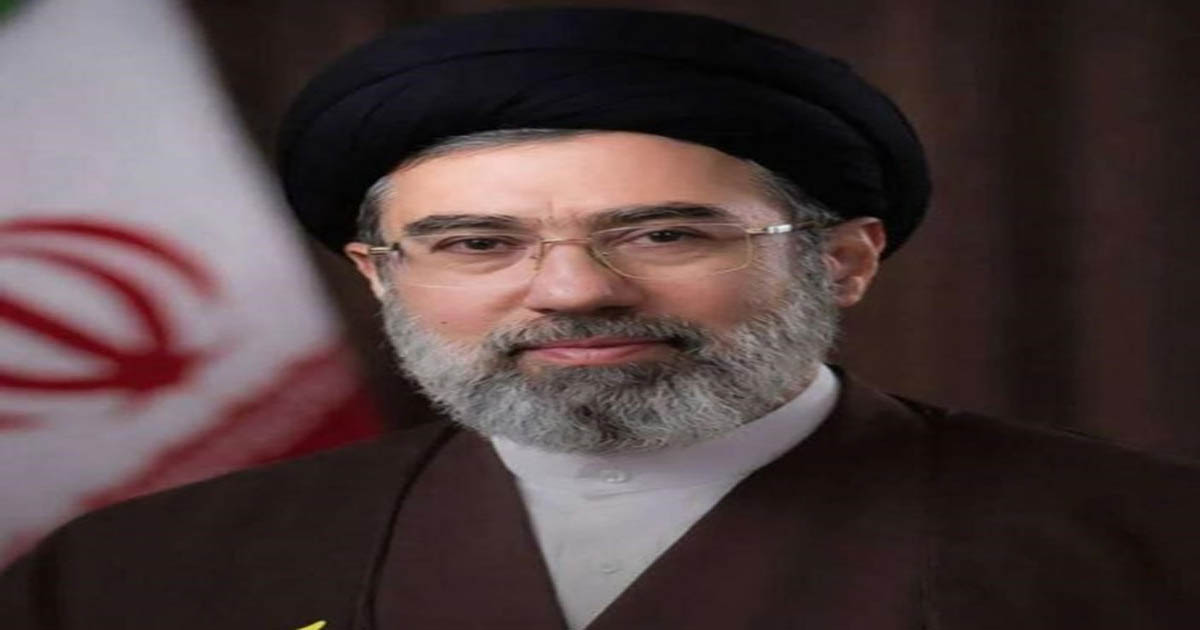
Tehran, March 13: Iranian First Vice President Mohammad-Reza Aref said the administration has declared the coming week as the “Week of National Unity and Solidarity for Iran,” according to the official news agency IRNA.
Aref said he had made the decision on behalf of the administration and was inspired by the first message of Iran’s new Supreme Leader Mojtaba Khamenei. The message was released earlier in the day and highlighted the need to maintain unity among the Iranian people, Xinhua news agency reported.
Aref said, as stressed by Iran’s supreme leader, the people’s “effective presence on the scene and maintaining national unity” are the most important props for the country’s power and security.
Meanwhile, Amir Saeid Iravani, Iran’s permanent representative to the United Nations, said Thursday that it is his country’s “inherent right” to preserve peace and security in the Strait of Hormuz.
Iravani told reporters that Iran “fully respects and remains committed to the principle of freedom of navigation under the law of the sea.”
“However, the current situation in the region, including in the Strait of Hormuz, is not the result of Iran’s lawful exercise of its right of self-defence. Rather, it is the direct consequence of the destabilizing actions of the United States in launching aggression against Iran and undermining regional security,” he said.
Iran’s new Supreme Leader Mojtaba Khamenei on Thursday called for the continued closure of the Strait of Hormuz, saying that “the lever of blocking the Strait of Hormuz must definitely continue to be used.”
On February 28, Israel and the United States launched joint attacks on Tehran and several other Iranian cities, killing Iran’s then Supreme Leader Ali Khamenei, along with senior military commanders and civilians. Iran responded by launching waves of missile and drone strikes targeting Israel and US bases and assets in the Middle East.
International News
Iran’s 3 conditions to end conflict- rights, reparations, guarantee against future aggression
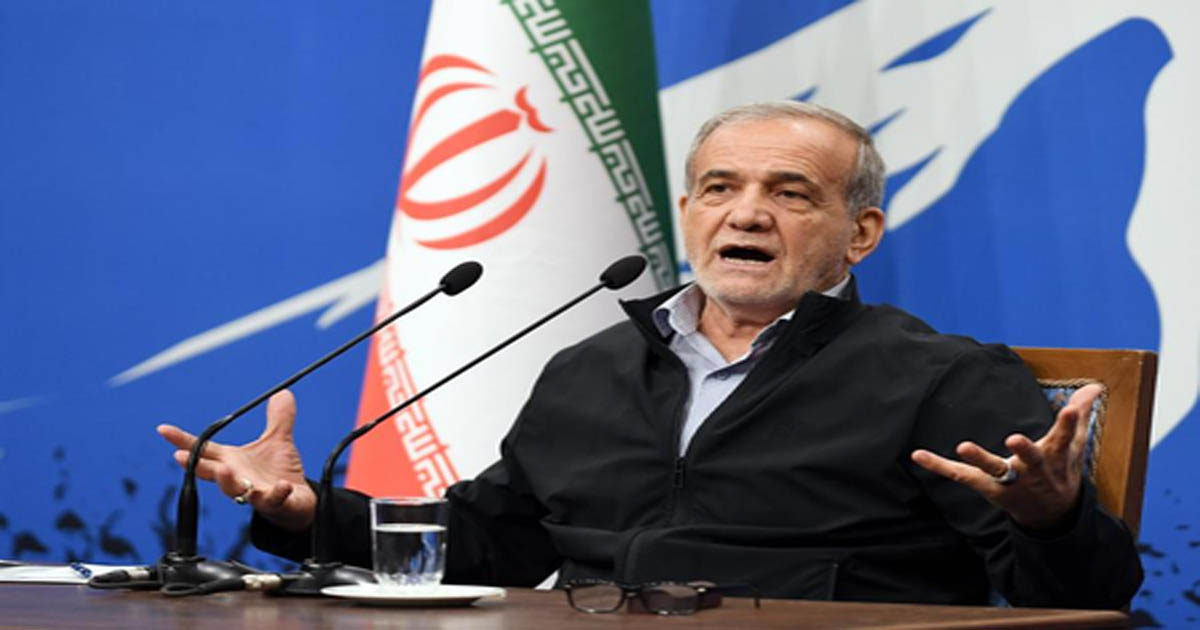
New Delhi, March 12: As the United States and Israel’s military campaign against Iran and the latter’s retaliatory strikes move toward their third week, Tehran has laid down three key conditions for ending the conflict, including recognition of its rights and compensation for the damage caused during the war.
Iranian President Masoud Pezeshkian said Tehran remains committed to peace but asserted that the conflict can only end if its demands are accepted by Washington and Tel Aviv.
In a statement posted on social media after holding conversations with the leaders of Russia and Pakistan, Pezeshkian said that Iran’s position on ending the war was clear.
“The only way to end this war — ignited by the Zionist regime and the US — is recognising Iran’s legitimate rights, payment of reparations, and firm international guarantees against future aggression,” Pezeshkian said.
Tehran has maintained that the conflict began after attacks by the United States and Israel and has insisted that it will not agree to a ceasefire without concrete assurances regarding its security and rights.
Despite these conditions, there appears to be little indication that the fighting will end soon. US President Donald Trump said that the United States intends to continue its operations, even as the war entered its second week following joint American and Israeli airstrikes on Iranian targets.
Speaking at a campaign-style rally in Kentucky ahead of the November midterm elections, Trump claimed that the United States had effectively gained the upper hand in the conflict but signalled that military operations were still ongoing.
“We don’t want to leave early, do we? We got to finish the job,” Trump said.
Shortly before making that remark, the US President had also indicated that the conflict might end soon, arguing that there were limited remaining targets for American forces to strike.
“Any time I want it to end, it will end,” Trump said, adding that there was “practically nothing left” for the US military to bomb.
Meanwhile, the US military has issued warnings to Iranian civilians, advising them to avoid ports that host naval facilities, citing the risk of further strikes. Israel, on its part, has indicated that it still has a long list of potential targets inside Iran, including locations linked to ballistic missile capabilities and nuclear-related infrastructure.
The conflict has already resulted in heavy casualties and widespread disruption across the region.
According to estimates, nearly 2,000 people have been killed so far, most of them Iranians and Lebanese, as the violence has spilt over into Lebanon.
The war has also had a devastating impact on children. According to the United Nations Children’s Fund (UNICEF), more than 1,100 children have either been killed or injured since the conflict began.
Global energy markets have reacted sharply to the escalation, particularly because of concerns over supply disruptions around the Strait of Hormuz, one of the world’s most crucial energy transit routes. Roughly one-fifth of the global oil supply passes through this narrow waterway.
Oil prices surged to nearly 120 US dollars per barrel earlier in the week before easing to around 90 dollars, but renewed tensions pushed prices higher again on Wednesday.
Iran has warned that the situation could worsen further, cautioning the global community to prepare for oil prices potentially climbing as high as 200 US dollars per barrel. Tehran has also indicated that shipping through the Strait of Hormuz has become nearly impossible, claiming control over the strategic waterway and attacking vessels approaching the strait.

Minorities ignored in Maharashtra budget: Manoj Jamsutkar

‘No Shortage Of LPG’: Maharashtra CM Devendra Fadnavis Blames Congress Of ‘Creating Panic Leading To Long Queues’

Mumbai Local Train Update: Mega, Jumbo Blocks Announced On Western & Transharbour Lines On March 15; Check Time & Route Here

Navi Mumbai: Crime Branch Nab Trio In Swift ₹36 Lakh Jewelry Heist

India’s Oil Lifeline Through Strait Of Hormuz Faces Uncertainty Despite Iran’s Assurances

Salim Khan hospitalised following complaints of swelling

Threatening WhatsApp Audio Note To Ranveer Singh And Rohit Shetty Goes Viral; Voice Linked To Harry Boxer Under Verification

Mulund Horror: Maharashtra CM Devendra Fadnavis Expresses Grief After 1 Killed In Mumbai Metro 4 Slab Collapse; ₹5 Lakh Aid Announced For Deceased

Mumbai: JBCN International School In Borivali Gets Bomb Threat, Search Reveals Hoax, Students Safe

Former Arsenal Star Mesut Ozil’s Convoy Gets Involved In Road Accident During Bangladesh Visit
-

 Crime4 years ago
Class 10 student jumps to death in Jaipur
-

 Maharashtra1 year ago
Mumbai Local Train Update: Central Railway’s New Timetable Comes Into Effect; Check Full List Of Revised Timings & Stations
-

 Maharashtra1 year ago
Mumbai To Go Toll-Free Tonight! Maharashtra Govt Announces Complete Toll Waiver For Light Motor Vehicles At All 5 Entry Points Of City
-

 Maharashtra1 year ago
False photo of Imtiaz Jaleel’s rally, exposing the fooling conspiracy
-

 National News1 year ago
Ministry of Railways rolls out Special Drive 4.0 with focus on digitisation, cleanliness, inclusiveness and grievance redressal
-

 Maharashtra1 year ago
Maharashtra Elections 2024: Mumbai Metro & BEST Services Extended Till Midnight On Voting Day
-

 National News1 year ago
J&K: 4 Jawans Killed, 28 Injured After Bus Carrying BSF Personnel For Poll Duty Falls Into Gorge In Budgam; Terrifying Visuals Surface
-

 Crime1 year ago
Baba Siddique Murder: Mumbai Police Unable To Get Lawrence Bishnoi Custody Due To Home Ministry Order, Says Report