
International News
Iran declares week of national unity after new supreme leader’s 1st message

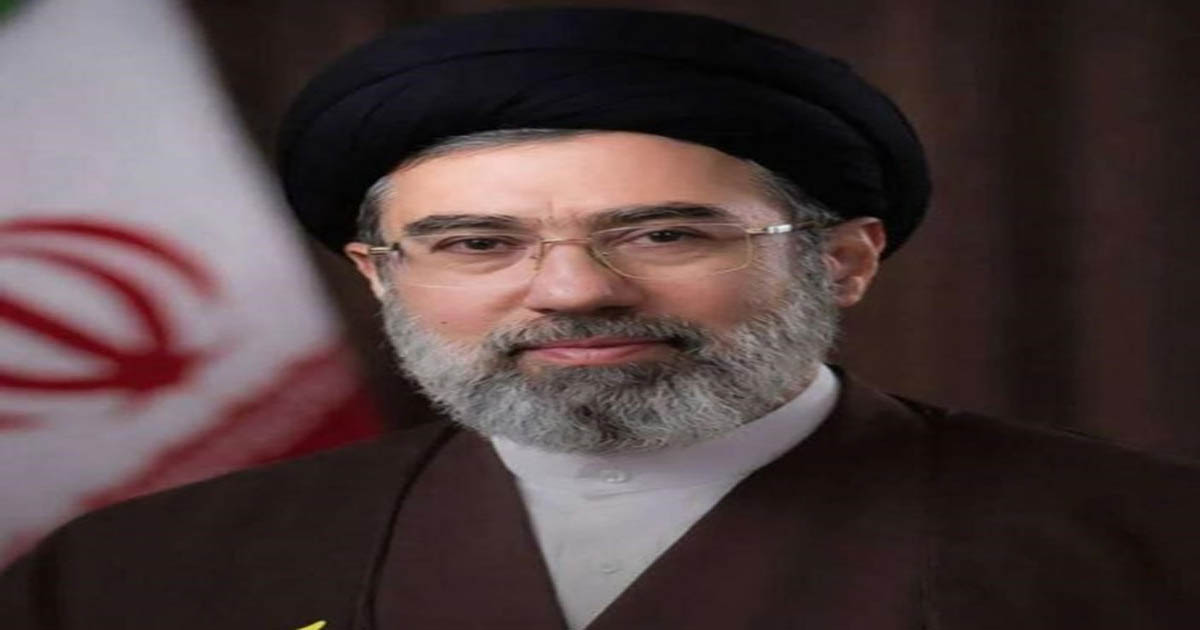
Tehran, March 13: Iranian First Vice President Mohammad-Reza Aref said the administration has declared the coming week as the “Week of National Unity and Solidarity for Iran,” according to the official news agency IRNA.
Aref said he had made the decision on behalf of the administration and was inspired by the first message of Iran’s new Supreme Leader Mojtaba Khamenei. The message was released earlier in the day and highlighted the need to maintain unity among the Iranian people, Xinhua news agency reported.
Aref said, as stressed by Iran’s supreme leader, the people’s “effective presence on the scene and maintaining national unity” are the most important props for the country’s power and security.
Meanwhile, Amir Saeid Iravani, Iran’s permanent representative to the United Nations, said Thursday that it is his country’s “inherent right” to preserve peace and security in the Strait of Hormuz.
Iravani told reporters that Iran “fully respects and remains committed to the principle of freedom of navigation under the law of the sea.”
“However, the current situation in the region, including in the Strait of Hormuz, is not the result of Iran’s lawful exercise of its right of self-defence. Rather, it is the direct consequence of the destabilizing actions of the United States in launching aggression against Iran and undermining regional security,” he said.
Iran’s new Supreme Leader Mojtaba Khamenei on Thursday called for the continued closure of the Strait of Hormuz, saying that “the lever of blocking the Strait of Hormuz must definitely continue to be used.”
On February 28, Israel and the United States launched joint attacks on Tehran and several other Iranian cities, killing Iran’s then Supreme Leader Ali Khamenei, along with senior military commanders and civilians. Iran responded by launching waves of missile and drone strikes targeting Israel and US bases and assets in the Middle East.

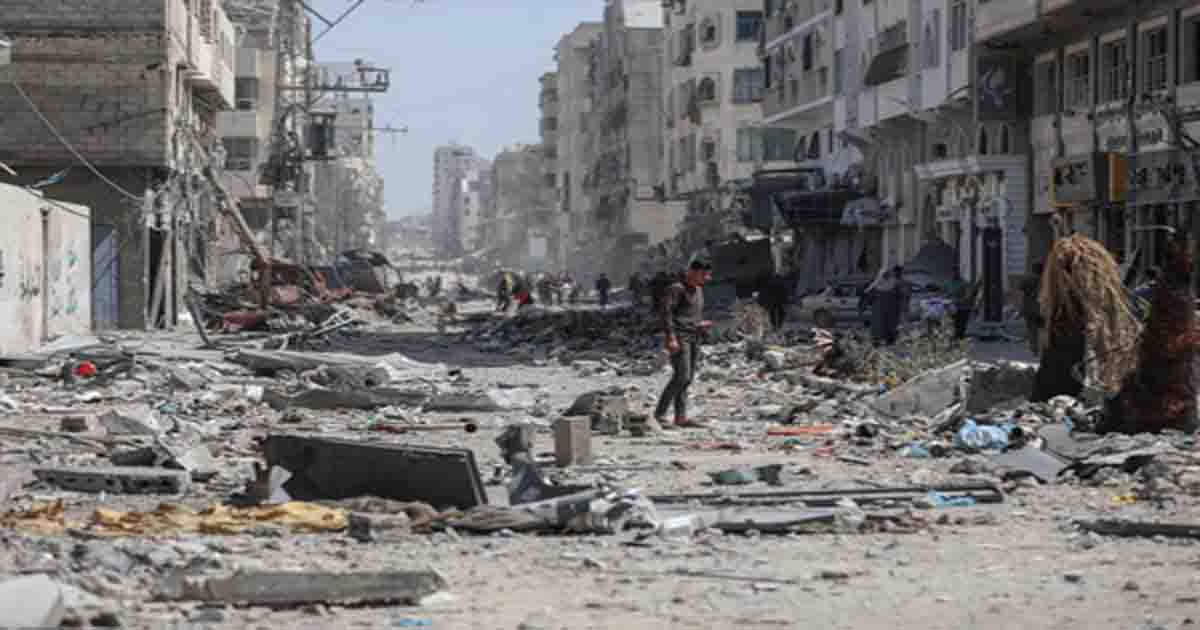
Jerusalem, Oct 8: The Israeli military has said that it has struck about 100,000 targets across the Middle East since October 2023 and expanded its reserve forces by 36 per cent, outlining the scale of its operations on the conflict’s third anniversary.
The military on Wednesday (local time) said combat reserve units were serving an average of 80-100 days in 2026, compared with a planned average of about 55 days, attributing the increase to “evolving operational needs.”
It said about 22,000 reservists previously released from service have been called back to duty following an August 2024 call-up order, reports Xinhua news agency.
The target tally included about 65,000 in Gaza, 28,000 in Lebanon and Syria combined, 4,500 in Iran and 80 in Yemen. The military did not specify whether repeated strikes on the same site were counted.
In the occupied West Bank, the military said it has detained about 45,000 people for questioning over three years, including people accused of throwing stones or possessing weapons and those suspected of planning attacks.
It said it has confiscated more than 3,800 weapons since the war began.
Over the three years, about 10,200 projectiles have been launched toward Israel from Gaza, 20,000 from Lebanon, 1,200 from Iran, 50 from Syria and 90 from Yemen, according to the military. The figures could not be independently verified.
It said 970 Israeli soldiers have died during operations and more than 70 per cent of soldiers wounded during the war have returned to service.
The Hamas-led attack on southern Israel on Oct. 7, 2023, killed about 1,200 people and triggered a massive Israeli military campaign across Gaza that has killed, according to Gaza-based health authorities, more than 74,200 people. It subsequently expanded into fighting across the region.
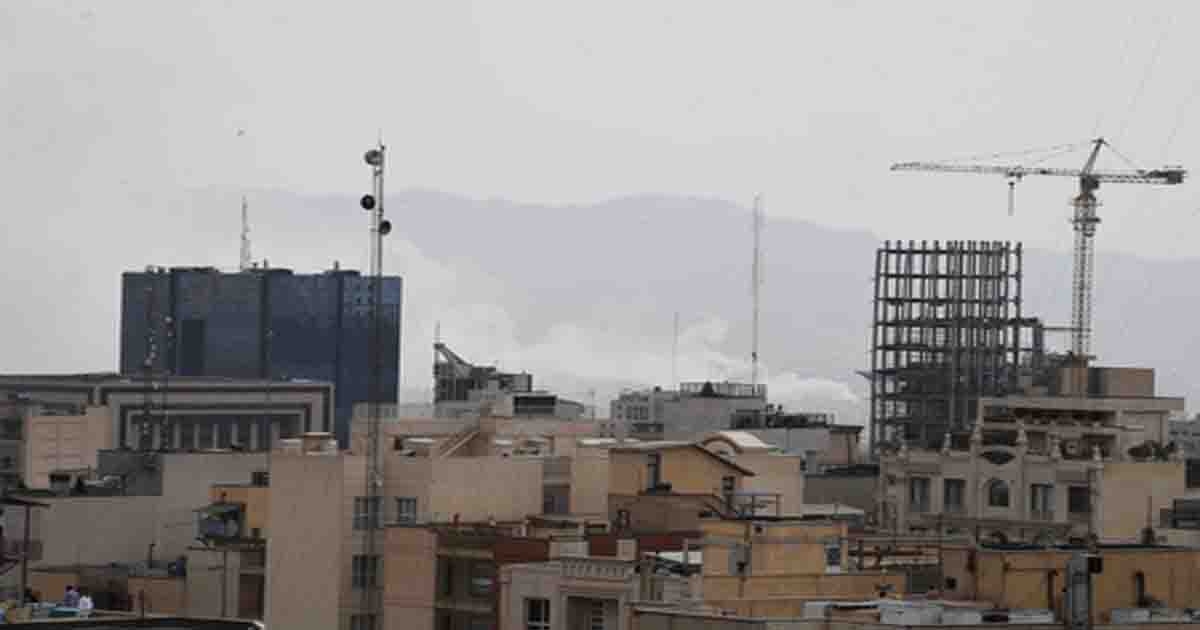
Tehran, Oct 8: Iranian Army spokesman Mohammad Akraminia has said that, if necessary, the country will carry out preemptive military operations to prevent any “aggression by the enemy.”
He made the remarks in an interview with the semi-official Fars news agency, which was published on Wednesday, while stressing that Iranian armed forces had previously launched such operations against the “enemy”, reports Xinhua news agency.
Akraminia said the country has changed its military doctrine from being defensive to offensive and has followed it in the war with the United States and Israel.
He noted among the operations carried out by the Iranian armed forces based on the new doctrine were a missile strike against a US base in Jordan in late July, as well as several missile and drone attacks over the past months against the bases of the “counter-revolutionary and separatist” groups stationed in Iraq’s semi-autonomous Kurdistan region.
He added the strike against the US base, which was preemptive, “wrested the initiative from them and left them unable to take any action.”
Akraminia stressed that carrying out preemptive operations while adhering to principles, such as necessity, urgency, and proportionality, is considered “legitimate.”
Commenting on the possibility of a ground invasion by the United States against Iran, he said, “My assessment is that the Americans will not dare launch a ground invasion.”
Akraminia said Iran’s Army has decided to work on increasing the range of its missiles following the war with the United States and Israel.
“In this war, we came to the conclusion that we must definitely increase the range of our missiles, and we have now embarked on that path,” he noted, adding the reason is that the “enemy” has deployed its forces at a greater distance from Iran’s coasts, up to 1,000 kilometres away, “and we will continue to upgrade these missiles.”
Akraminia underlined that Iran has also significantly upgraded the speed and precision of its missiles, noting that future generations will be even faster and more precise.
On February 28, Israel and the United States launched joint attacks on Tehran and other Iranian cities. Iran responded with waves of missile and drone attacks targeting Israel and US bases and assets in the region, and tightened its grip on the Strait of Hormuz.
A ceasefire was achieved between the warring parties on April 8. On June 18, Iran and the United States signed a memorandum of understanding (MoU) on ending the war in the region on all fronts.
Under the MoU, the two countries were scheduled to hold negotiations within 60 days, ending on August 17, to reach a final agreement. However, the two sides failed to make sufficient progress toward a deal as tensions continued to escalate.
International News
PM Modi thanks world leaders for warm wishes on completing 25 years as head of government

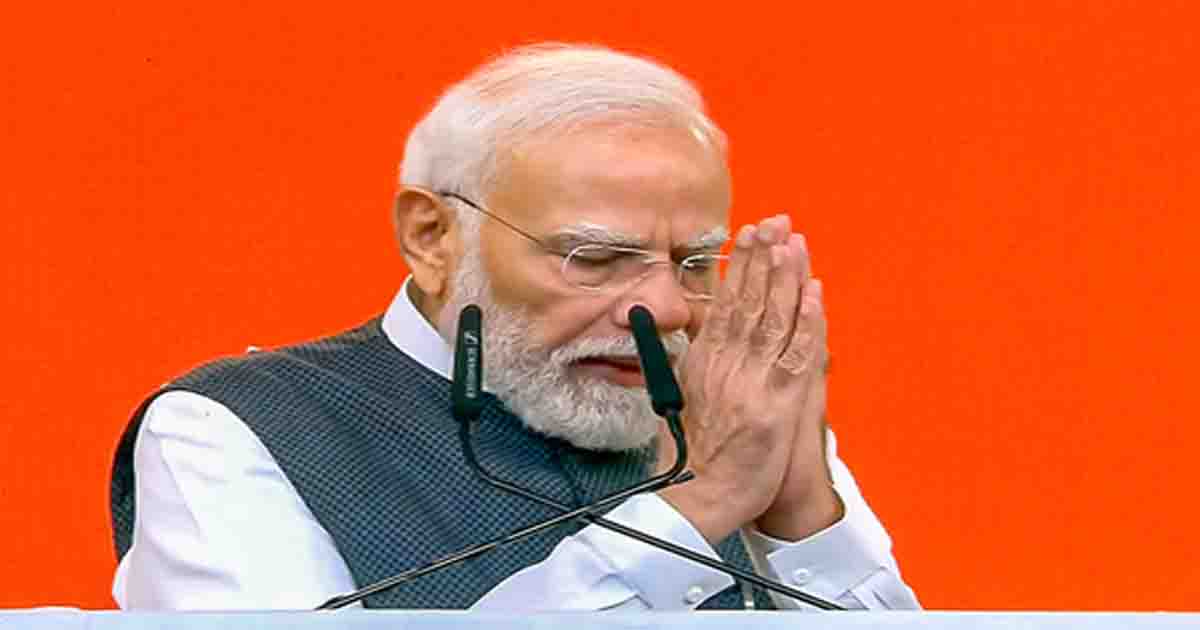
New Delhi, Oct 7: Prime Minister Narendra Modi on Wednesday thanked world leaders for their warm wishes as he completed 25 years as the head of the government.
PM Modi thanked Nigerian President Bola Ahmed Tinubu for the warm wishes and expressed readiness to continue cooperation to further strengthen the Strategic Partnership and advance a shared vision for a more inclusive, prosperous and peaceful world.
“Thank you, President Tinubu. India and Nigeria are close partners and leading voices of the Global South. I look forward to continuing our cooperation to further strengthen our Strategic Partnership and advance our shared vision for a more inclusive, prosperous and peaceful world,” PM Modi posted on X.
He also thanked his Dominica counterpart Roosevelt Skerrit for the warm wishes and noted that India deeply values its partnership with Dominica and looks forward to strengthening it further.
“Thank you, Prime Minister Skerrit, for your warm wishes and thoughtful words. India deeply values its enduring friendship with Dominica. We look forward to further strengthening our partnership and working together for the shared progress and prosperity of the people of our nations,” Prime Minister Modi wrote on X.
PM Modi thanked his Belgian counterpart Bart De Wever for the wishes and expressed readiness to work with him to further strengthen the partnership between India and Belgium.
“Thank you, Prime Minister Bart De Wever, for your wonderful wishes. I look forward to working with you to build on the positive momentum in our relations and further strengthen our bilateral partnership,” he said.
Thanking Philippines President Ferdinand R. Marcos Jr., PM Modi said that India values its Strategic Partnership with the Philippines and looks forward to deepening friendship.
In response to the Philippines President’s wishes on X, PM Modi wrote, “Thank you, President Ferdinand Marcos Jr., for your wishes. India deeply values its Strategic Partnership with the Philippines. I look forward to our continued engagement and further deepening of the friendship between our nations.”
PM Modi thanked Bhutanese counterpart Tshering Tobgay for the heartfelt message and noted that both nations are bound by an “enduring partnership” rooted in mutual trust and understanding.
“Thank you, Prime Minister Tobgay, for the warm and heartfelt message. India and Bhutan are bound by an enduring partnership rooted in mutual trust and understanding. I look forward to continuing our close cooperation to advance our shared vision of Viksit Bharat and a prosperous Bhutan,” PM Modi posted on X.
PM Modi appreciated Botswana President Dumo Gideon Boko’s warm wishes and expressed readiness to work with him to further strengthen close ties.
“I deeply appreciate your warm wishes, President Duma Boko. India greatly values the friendship with Botswana and I look forward to working together to further strengthen our close ties,” PM Modi wrote on X.
The congratulatory messages from world leaders came as PM Modi on Wednesday marks 25 years of uninterrupted leadership as head of government. He began his tenure as Gujarat Chief Minister on October 7, 2001, and became Prime Minister of India in 2014.
In October 2001, PM Modi was chosen to replace Keshubhai Patel as Gujarat Chief Minister at a difficult time for the state, which was still dealing with the aftermath of the devastating Bhuj earthquake as well as political and administrative challenges. He remained Chief Minister until 2014 before moving to national politics.
PM Modi’s tenure as India’s Prime Minister has been marked by an expanded international profile for the country, with the government pursuing greater diplomatic engagement, stronger relations with major powers and a prominent role for India in the Global South.

38-year-old man dies in police custody in Navi Mumbai

Attempt was made to trap me through sting operation after I became CM: Shivakumar

‘Welcome’ director Anees Bazmee requests privacy after Nana Patekar demise, says ‘not in a condition to talk’

Delhi Police to probe ‘premeditated’ angle, involvement of criminal elements in CJP’s July protest

PM Modi thanks world leaders for wishes on completing 25 years as head of govt

Gift to President Putin part of PM Modi bid to globally display India’s heritage

PM Modi’s warm camaraderie with Putin, Xi on full display at BRICS Summit

Complaint against Netflix & Mukesh Chhabra for inappropriate language on ‘India’s Got Latent 2’

INDIA bloc begins protest march against ECI

Maha Congress stages agitation against Gyanesh Kumar
-

 Crime4 years ago
Class 10 student jumps to death in Jaipur
-

 Maharashtra2 years ago
Mumbai Local Train Update: Central Railway’s New Timetable Comes Into Effect; Check Full List Of Revised Timings & Stations
-

 Maharashtra2 years ago
Mumbai To Go Toll-Free Tonight! Maharashtra Govt Announces Complete Toll Waiver For Light Motor Vehicles At All 5 Entry Points Of City
-

 Maharashtra2 years ago
False photo of Imtiaz Jaleel’s rally, exposing the fooling conspiracy
-

 National News2 years ago
Ministry of Railways rolls out Special Drive 4.0 with focus on digitisation, cleanliness, inclusiveness and grievance redressal
-

 Maharashtra2 years ago
Maharashtra Elections 2024: Mumbai Metro & BEST Services Extended Till Midnight On Voting Day
-

 National News2 years ago
J&K: 4 Jawans Killed, 28 Injured After Bus Carrying BSF Personnel For Poll Duty Falls Into Gorge In Budgam; Terrifying Visuals Surface
-

 Crime2 years ago
Baba Siddique Murder: Mumbai Police Unable To Get Lawrence Bishnoi Custody Due To Home Ministry Order, Says Report