
National News
‘Vande Mataram’ Row Sparks Outrage: Muslim Activists Condemn MLA Abu Asim Azmi’s Stance And Minister Mangal Prabhat Lodha’s Retaliation

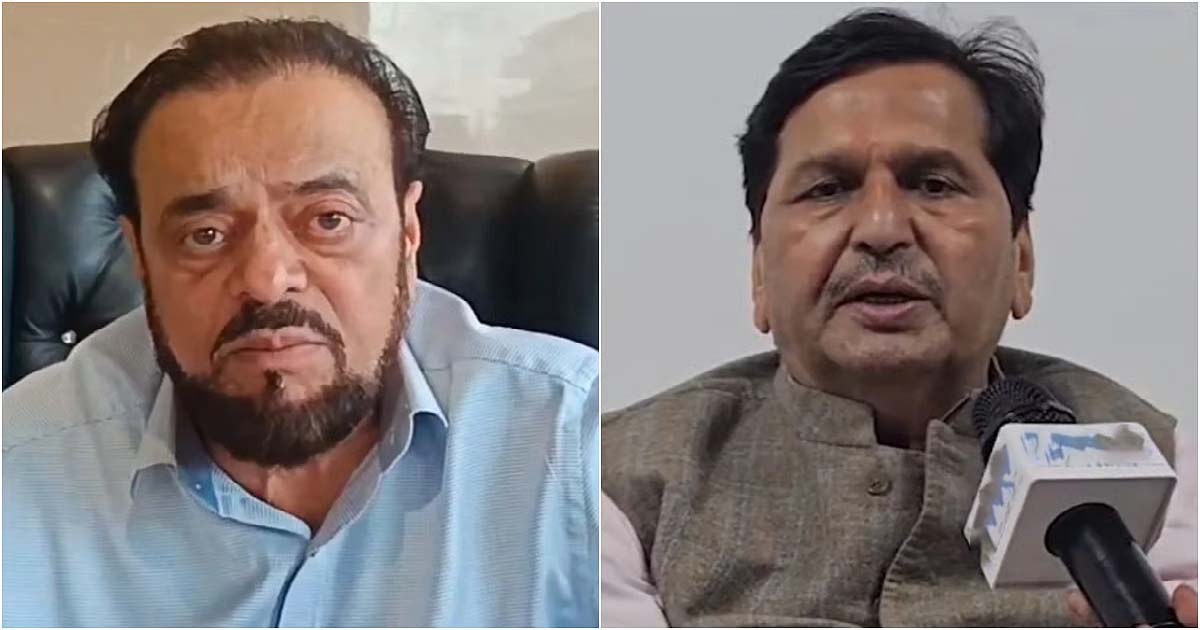
Mumbai: A fresh controversy has erupted in Maharashtra as the state prepares to celebrate the 150th anniversary of the patriotic song ‘Vande Mataram.’ The uproar began with Samajwadi Party (SP) MLA Abu Asim Azmi’s assertion that he would not recite the song, claiming it is against the tenets of Islam.
This statement had drawn swift condemnation from ruling party leaders and, in turn, has fueled sharp criticism from Muslim activists and community members who decry both the MLA’s ‘unnecessary’ provocation and the retaliatory actions of a state minister.
This was not the first time that Azmi made such a statement. He had objected to chanting Vande Mataram in 2023 during his participation in a rally in Aurangabad.
Recently, he reignited the debate by stating that making it mandatory to sing Vande Mataram was not right as everyone’s religious beliefs were different. “Islam gives a lot of importance to respecting one’s mother, but it does not allow prostrating before her”, he said.
Adding fuel to the fire, minister and Bharatiya Janata Party (BJP)’s MLA Mangal Prabhat Lodha claimed he would organise a group singing of the national song outside the residences of the opposing MLAs, including Azmi as well as Congress MLAs Aslam Shaikh from Malad West and Amin Patel from Mumbadevi.
While this position is not new, its timing, amidst a state directive making the full song mandatory in schools to mark the 150th anniversary on November 7, has been viewed by many Muslim community leaders as politically motivated and detrimental to communal harmony.
According to Irfan Engineer, director at the Centre for the Study of Society and Secularism, the dispute dates back to the period of freedom struggle and depends on the way of translating the song.
“Muslim League came out with the narrative that the song talks of worshipping India as a goddess and labelled it as anti-Islam since the religion only permits worship of one god. This was one of the many other divisive methods to oppose Congress and nationalism while portraying itself as the sole representatives of Muslims.”
He added that the actual translation of Vande Mataram as “salute to motherland” does not have any dispute with Islam’s practices and the same can be observed in AR Rahman’s Hindi rendition of the song ‘Maa Tujhe Salaam’.
“I would sing the song a thousand times as a salute to the motherland and our freedom fighters who attained martyrdom while chanting this verse,” he added.
Javed Anand, national convenor of the Indian Muslims For Secular Democracy, said, ”From a puritanical view, chanting Vande Mataram is objectionable in Islam but majority of the Muslims do it because the context is different. Moreover, the song comes from Bankim Chandra Chattopadhyay’s book which is perceived as anti-Islam.”
Ali Bhojani the founder of Community Connect, which has been working to promote communal harmony, compared the issue with that of restriction in Islam to consume alcohol.
“Although consumption of alcohol is prohibited in Islam, it is allowed when it comes mixed in a medicine as it aims to save life. Although as Muslim I believe in one god, as an Indian I will proudly sing Vande Mataram, if it is not enforced upon me only to oppose my religious beliefs. Like Hindus, Muslims also follow the same Indian constitution and sing the same national song but the same constitution also gives me the right to practice my religion.”
While Muslim activists have stood up in support of chanting Vande Mataram, they have also condemned the plan to organise group singing outside political leaders’ residences as a form of political intimidation and coercion.
“This is a communal issue and has nothing to do with loyalty to the country. BJP and its leaders deliberately play such tactics to provoke Muslims. It is not like these political leaders are singing it in love for the motherland. Legally and constitutionally, we have the right to not sing the national anthem as well, which has been ruled by the Supreme Court in the past. Millions of Muslims sing it but only those who want to play politics oppose it and that has nothing to do with their love for Islam,” said Engineer.
“As an Indian citizen, I would love to join the minister’s group singing Vande Mataram but not if the motive is to offend someone’s religion. If I ask Lodha to chant Allahu Akbar, he will also feel offended,” said Bhojani, adding that group singing should be organised outside every politician’s residences, including Azmi as well as chief minister Devendra Fadnavis.
“Vande Mataram has been weaponised to be used against Muslims by those who are looking at ways to harass the community. Communal politics is at the core of it and political leaders are engaging in ugly politics. There does not seem to be an end to this but it is important to be ended,” said Anand.


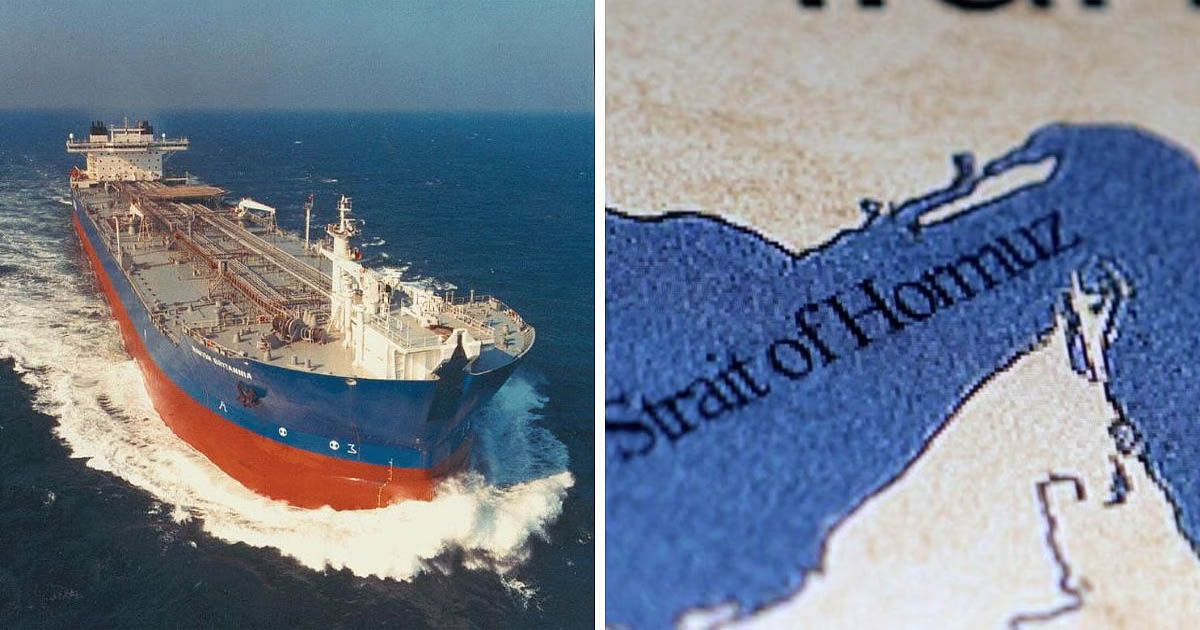
New Delhi: Iranian Ambassador Mohammad Fathali’s words of reassurance that India will receive safe passage through the Strait of Hormuz will certainly gladden Indian hearts. The Iranian envoy to India told reporters that “changes would be seen in two-three hours,” suggesting that ships carrying Indian oil and Indian nationals may be safe while going through the Strait.
The reality isn’t that simple. India is dependent on 40% of its oil from the Strait of Hormuz, but there’s a catch. Energy experts say that Indian ships do not pick up oil from the Strait but have so far outsourced it to foreign tankers.
The main reason for this is insurance. Due to the Strait being so geopolitically sensitive, insurance costs are very high, and therefore Indian Oil Corporation (IOC) or BPCL prefer to outsource it.
There is another advantage to outsourcing the oil to foreign tankers – Indian oil companies do not have to own the fleet.
India could attach its flag to the foreign tankers, but naval regulations state that there must be a minimum number of Indian crew members on the ship, along with other regulations that have to be met before the Indian flag can be put on the tanker.
If there is no flag, there is no way that an Iranian ship can detect if a ship is carrying Indian oil or not.
Coming to Indian crew members, India is one of the top three nations in the world that supplies sailors.
Government data shows the number of Indian sailors has grown from around 1.25 lakh a decade ago to more than three lakh now. Indians now comprise around 10–12% of the total number of sailors in the world.
The problem for India is that most of the Indian crew members work on oil tankers, containers, LPG vessels and bulk carriers on foreign tankers and are at great risk when naval warfare takes place.
The Ministry of Ports, Shipping and Waterways has confirmed three Indian seafarers died, with four others injured in maritime attacks around the strait amid escalating hostilities. Naval experts believe the figure is likely to be much higher.
Despite these problems, some level of coordination seems to be taking place between India and Iran.
Agency reports said that on Thursday, the Suezmax tanker Shenlong, carrying Saudi crude, arrived at a port in Mumbai after transiting the strait. The Liberia-flagged vessel was the first crude carrier to reach India from the Middle East since the war between Iran and the United States and Israel broke out in late February, according to LSEG data.
The customer is state-run Bharat Petroleum Corp.
But the lack of a formal agreement between the Iranian Navy and tankers carrying Indian oil suggests the Iranian envoy’s assurance does not guarantee a safe maritime corridor.
An MEA official says talks are on to make this happen, but so far Iran has not provided such assurance. In turn, Iran wants assurance from New Delhi that it will provide a joint statement from BRICS nations condemning the US-Israeli aggression.
India currently holds the chairmanship of BRICS, and so far there has been no joint statement. This has not been viewed well by Iran, which is a full member of BRICS.
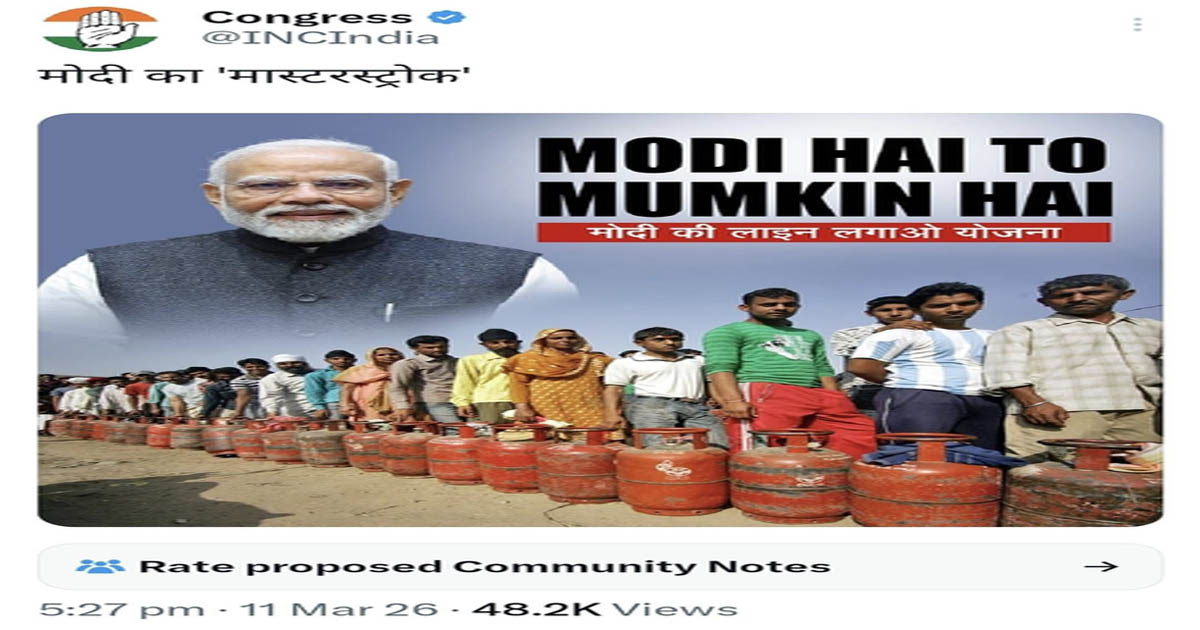
New Delhi, March 12: Amid the ongoing controversy over LPG shortages and rising fuel prices, the Congress party sparked debate on social media after sharing a post on platform X that criticised the government. However, the party later deleted the post following widespread criticism for using an old photo.
The post featured an image carrying the slogan “Modi Hai To Mumkin Hai,” with a caption below that read “Modi ki line lagao yojana,” suggesting people were being forced to stand in long queues for LPG cylinders. Soon after it was posted, several users pointed out that the photograph used in the post was reportedly from 2011, leading to criticism of the Congress for sharing an outdated image to highlight the current issue.
Following the backlash, the party quietly removed the post from its social media account.
Meanwhile, protests against the recent hike in LPG prices have continued in several parts of the country. In Karnataka’s Mandya district, members of the District Congress Committee along with its women’s wing staged a protest against the Union government, condemning the increase in domestic and commercial LPG cylinder prices.
On March 7, oil marketing companies raised the price of a 14.2-kg domestic LPG cylinder by Rs 60, while the price of a 19-kg commercial cylinder was increased by Rs 114.50 to Rs 115. The hike has largely been attributed to rising global energy costs amid escalating geopolitical tensions in West Asia.
The Maharashtra Pradesh Congress Committee (MPCC) has also announced a statewide protest across all districts on Thursday, demanding that the Centre immediately roll back the recent LPG price hike. The party accused the government of failing to adequately plan fuel and gas supplies at a time when global markets are facing uncertainty due to the West Asia crisis.
Even as protests continue, the Congress is also preparing for internal organisational activities. The party is set to hold a two-day residential training workshop in Trimbakeshwar starting Thursday for candidates from the North Maharashtra division who recently contested local body elections.
Meanwhile, government officials have cautioned against panic buying and hoarding of LPG cylinders. Authorities said that misinformation circulating on social media has led to unnecessary panic bookings.
Officials urged citizens to remain calm and avoid spreading unverified claims regarding LPG shortages.
At a joint briefing by the Ministry of Shipping, Ministry of External Affairs, and the Ministry of Petroleum, officials said India’s domestic LPG production has been increased by nearly 25 per cent following government directives aimed at boosting output.
Sujata Sharma, speaking during the briefing, said that additional LPG cargo shipments are currently on their way to India and are expected to arrive within the next one or two days.
She also noted that India imports nearly 60 per cent of its LPG requirements, with about 90 per cent of these imports passing through the Strait of Hormuz.
“Currently, LPG is being directed primarily towards the domestic sector. For non-domestic LPG, priority is being given to essential services such as hospitals and educational institutions,” Sharma said.
She added that a committee is working with state authorities and industry representatives to ensure that the available LPG supply is distributed in a fair and transparent manner across the country.
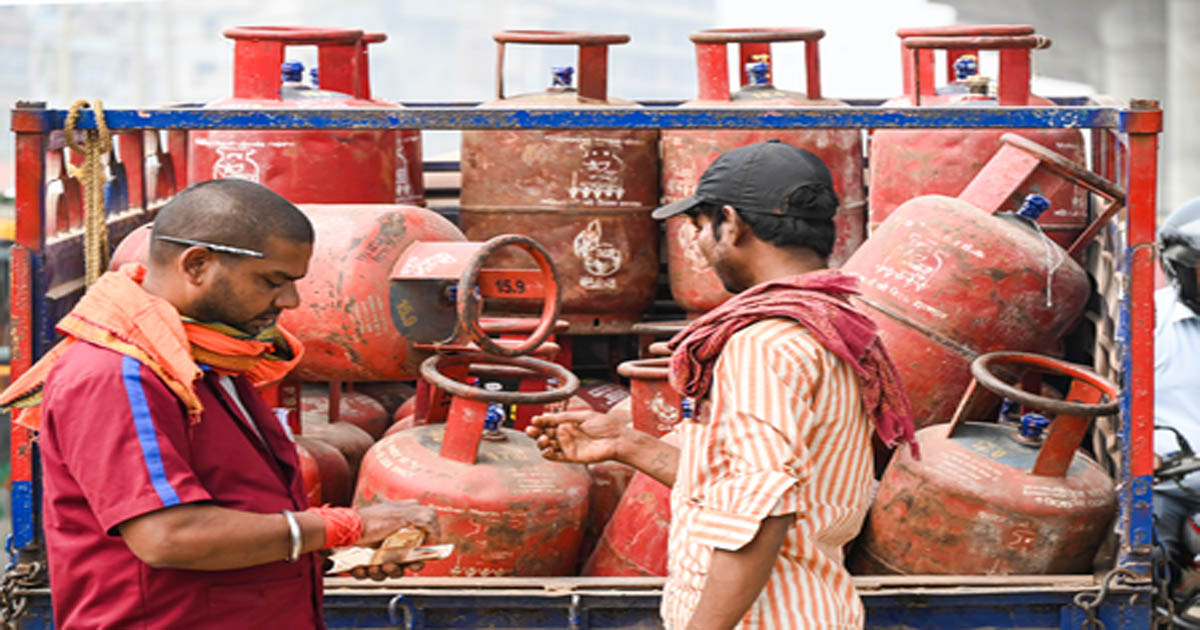
Patna, March 11: As fears of shortage of LPG and petroleum products triggered panic buying across Bihar, the Bihar Police stepped in to manage the situation and issued an alert directing authorities to prevent chaos and hoarding. Although the government has stated that LPG stocks are sufficient and there is no need to panic, anxiety remains high among residents.
According to officials, the Special Branch of the Bihar Police issued an alert letter directing authorities to increase police patrols around petrol pumps and LPG agencies to prevent chaos and hoarding.
The directive was sent to Divisional Commissioners, Range IGs/DIGs, District Magistrates, and district police chiefs across the state.
The letter warned that tensions in West Asia, particularly involving Iran and the United States, could impact the supply of petroleum products, potentially causing panic buying.
Authorities were asked to remain vigilant against crowds, hoarding, and black marketing and to ensure law and order near fuel distribution points.
Bihar usually receives around 2.5 lakh LPG cylinders daily, including domestic and commercial cylinders supplied to homes, hotels, restaurants, schools, and hostels.
However, gas agencies claim that fresh supplies have not reached many areas for the past three days, meaning that only existing stock is currently being distributed.
In several districts, booking of commercial LPG cylinders has been temporarily stopped, while domestic consumers are waiting for hours to obtain cylinders.
Long lines have been reported outside gas agencies in multiple districts, including Gopalganj, Bhojpur, Darbhanga, Araria, West Champaran, Purnea, Supaul and other districts.
Consumers, including women and elderly residents, have been seen standing in queues from early morning, with many returning home empty-handed.
To control the situation, the government has invoked the Essential Commodities Act, 1955, which allows authorities to regulate supply and prevent hoarding of essential items such as fuel and food.
Under the current measures, a second domestic cylinder can only be booked after 25 days of the previous delivery. OTP or biometric verification has been made mandatory during delivery, and oil refineries have been directed to increase LPG production.
The Ministry of Petroleum and Natural Gas has also formed a high-level committee of executive directors from three state-run oil companies to continuously monitor supplies.
Meanwhile, residents in the Koira block of Katihar district have alleged that some gas agencies are secretly selling cylinders at inflated prices.
According to locals, while the official LPG cylinder price is around Rs 1,012, some cylinders are allegedly being sold in the black market for Rs 1,500–Rs 2,000.
Consumers claim that agencies often tell regular customers that stocks are exhausted while selling cylinders privately at higher prices.
The fear of supply disruption has been further fueled by rumours linked to geopolitical tensions in West Asia.
Many families are reportedly trying to stockpile LPG cylinders, which has worsened the shortage.
With complaints of shortages and alleged black marketing increasing, district administrations — particularly in Katihar — are under pressure to take strict action against hoarders and ensure fair distribution.
Residents say that unless the administration acts quickly, illegal trading and black marketing of LPG cylinders may continue, leaving ordinary consumers to bear the brunt of the crisis.

India raises alarm over minority safety in Bangladesh violence as figures surge

Mumbai: FIR Filed Against 3 Hawkers After Video Of Namaz At Malad Railway Station Goes Viral

Mumbai: After Nearly Four Decades, Session Court Acquits Man In 1987 Sakinaka Attack Case

Minorities ignored in Maharashtra budget: Manoj Jamsutkar

‘No Shortage Of LPG’: Maharashtra CM Devendra Fadnavis Blames Congress Of ‘Creating Panic Leading To Long Queues’

Salim Khan hospitalised following complaints of swelling

Threatening WhatsApp Audio Note To Ranveer Singh And Rohit Shetty Goes Viral; Voice Linked To Harry Boxer Under Verification

Mulund Horror: Maharashtra CM Devendra Fadnavis Expresses Grief After 1 Killed In Mumbai Metro 4 Slab Collapse; ₹5 Lakh Aid Announced For Deceased

Mumbai: JBCN International School In Borivali Gets Bomb Threat, Search Reveals Hoax, Students Safe

Former Arsenal Star Mesut Ozil’s Convoy Gets Involved In Road Accident During Bangladesh Visit
-

 Crime4 years ago
Class 10 student jumps to death in Jaipur
-

 Maharashtra1 year ago
Mumbai Local Train Update: Central Railway’s New Timetable Comes Into Effect; Check Full List Of Revised Timings & Stations
-

 Maharashtra1 year ago
Mumbai To Go Toll-Free Tonight! Maharashtra Govt Announces Complete Toll Waiver For Light Motor Vehicles At All 5 Entry Points Of City
-

 Maharashtra1 year ago
False photo of Imtiaz Jaleel’s rally, exposing the fooling conspiracy
-

 National News1 year ago
Ministry of Railways rolls out Special Drive 4.0 with focus on digitisation, cleanliness, inclusiveness and grievance redressal
-

 Maharashtra1 year ago
Maharashtra Elections 2024: Mumbai Metro & BEST Services Extended Till Midnight On Voting Day
-

 National News1 year ago
J&K: 4 Jawans Killed, 28 Injured After Bus Carrying BSF Personnel For Poll Duty Falls Into Gorge In Budgam; Terrifying Visuals Surface
-

 Crime1 year ago
Baba Siddique Murder: Mumbai Police Unable To Get Lawrence Bishnoi Custody Due To Home Ministry Order, Says Report