
International News
Uzbekistan, Turkmenistan discuss expanding energy cooperation


Uzbekistan President Shavkat Mirziyoyev and visiting Turkmenistan President Serdar Berdimuhamedov held talks to discuss expanding cooperation, especially in the energy sector, between the two neighbouring Central Asian countries, the Uzbek President’s press service said.
The Uzbek side expressed interest “in expanding cooperation in the energy sector, including the supply of electricity, gas and oil products from Turkmenistan,” it said in a statement on Thursday.
According to the statement, the Turkmen side also proposed diversifying and increasing trade relations, and developing industrial cooperation, Xinhua news agency reported.
“Among the specific industries where our countries have great potential, we single out the agro-industrial complex, energy, chemical and petrochemical industries, engineering, textiles and pharmaceuticals,” Berdimuhamedov was quoted as saying.
The leaders added that the decisions taken on the creation of the Uzbek-Turkmen border trade zone and the opening of trading houses in both capital cities will contribute to maintaining positive dynamics and doubling the volume of trade in the coming years, the statement added.
According to the Uzbek Ministry of Investments and Foreign Trade, investment and trade agreements totaling $451 million were signed during the Uzbek-Turkmen interregional business forum held in Bukhara, Uzbekistan, on Wednesday.


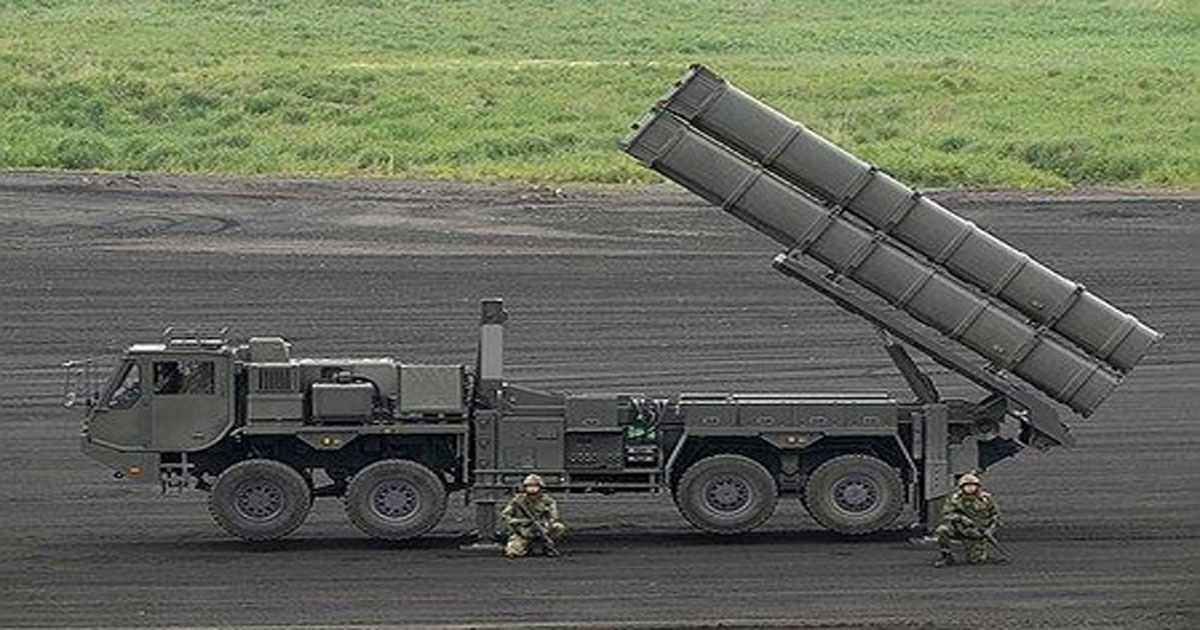
Moscow, April 2: The deployment of anti-ship hypersonic missiles at Japanese military garrisons in Kumamoto and Shizuoka represents yet another indication that Japan is moving away from the pacifist provisions enshrined in its Constitution, Russian Foreign Ministry Spokeswoman Maria Zakharova said.
Japan’s deployment of missile systems on its territory and the buildup of its offensive weapons arsenals reflect the country’s dangerous course toward remilitarization, she said.
“Add to this the rejection of preserving historical memory and the rewriting of history, and the result could be more than tragic,” she added.
According to Zakharova, Russia has repeatedly raised with Japanese authorities through diplomatic channels the negative impact of their policies on security and stability in the Asia-Pacific region, reports Xinhua news agency.
“We are carefully taking these circumstances into account, primarily in the context of developing the necessary countermeasures to ensure an adequate level of our country’s defence capability,” she said.
The deployment of the missiles at Camp Kengun in Kumamoto Prefecture, southwestern Japan, and Camp Fuji in Shizuoka Prefecture, central Japan, marks a significant shift from the country’s long-standing exclusively defence-oriented policy under its war-renouncing Constitution, reports Xinhua, quoting Kyodo News.
Camp Kengun has been equipped with a ground-launched version of the upgraded Type 12 land-to-ship guided missile that can fly about 1,000 kilometres, far exceeding Japan’s territorial boundaries and widely seen as having clear offensive capabilities.
Meanwhile, hyper velocity gliding projectiles have been equipped at a training unit at Camp Fuji. Designed for island defence, the deployed model has a range of several hundred kilometres, with the ministry working to upgrade it to around 2,000 kilometres.
Kyodo News noted that “enemy base strike capability” refers to Japan’s ability to launch counterstrikes against adversary bases before actual damage occurs, if it determines that an attack is imminent. However, analysts warn that misjudgments could risk violating international law by constituting a preemptive strike.
Atsushi Koketsu, emeritus professor at Yamaguchi University in Japan, told Xinhua that while the government frames the capability as a means of strengthening deterrence, it “clearly goes beyond the scope of self-defence.”
On Tuesday, local residents in Kumamoto staged protests near Camp Kengun, holding placards reading “Oppose deployment” and “No missiles needed,” Kyodo News reported.
Protesters expressed concern that the deployment could turn the area into a potential military target, and have repeatedly called on the defence ministry to hold public briefings, which have yet to take place, the report said.
Separately, more than a dozen citizen representatives met with defence ministry officials in Tokyo on Monday, urging the government to halt its military expansion measures, including the missile deployment in Kumamoto. Participants criticised officials for providing vague responses and frequently avoiding transparency.
Citizen representative Kujirai said after the meeting that the government’s replies followed a “routine pattern,” increasingly citing “confidentiality” as a pretext when declining to answer specific questions. He also criticised Prime Minister Sanae Takaichi’s push to “make Japan strong and wealthy,” arguing it amounts to large-scale military expansion without adequate public accountability. “This is a misinterpretation of the citizens’ demands and a very dangerous stance,” he said.
Another representative, Akira Saito, told Xinhua that the government officials’ response remained very limited. Going forward, in addition to directly questioning Takaichi at the parliamentary level, “it is crucial to continuously expand and amplify our voices through civic movements,” he said.
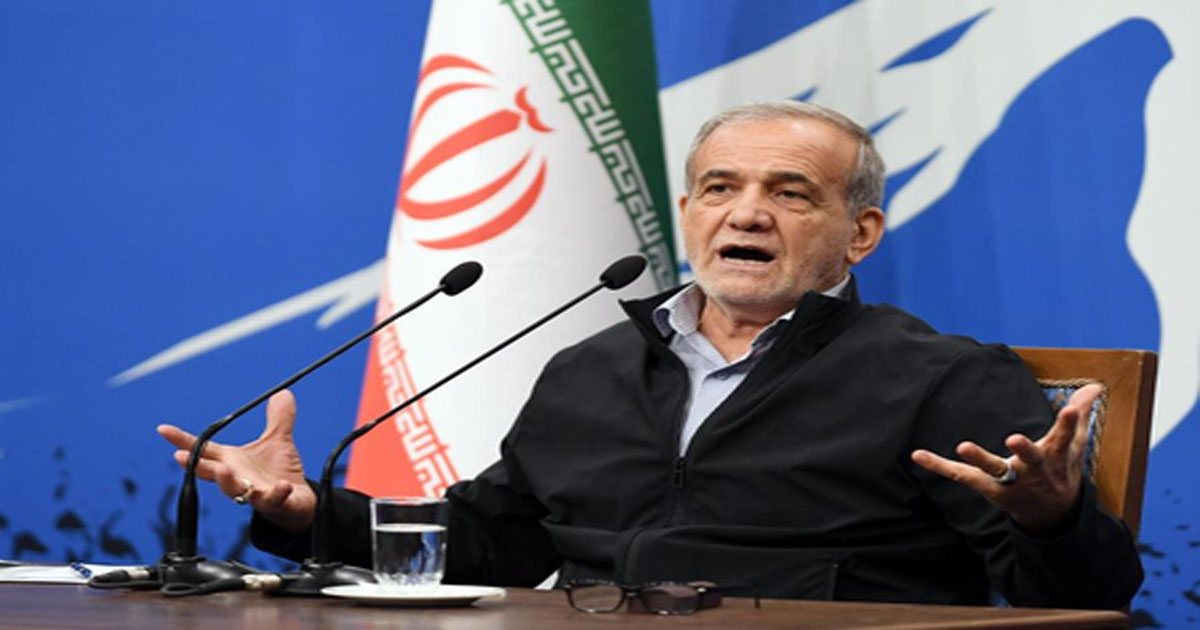
Tehran, April 2: Iran’s President Masoud Pezeshkian said that Iranian people harbour no enmity towards the American people, accusing the US administration of fighting Iran as a “proxy for Israel.”
He made the remarks in a letter addressed to the American people while elaborating on Iran’s positions regarding the ongoing war with the United States and Israel, reports Xinhua news agency.
“The Iranian people harbour no enmity toward other nations, including the people of America, Europe, or neighbouring countries,” Pezeshkian said, adding, “Even in the face of repeated foreign interventions and pressures throughout their proud history, Iranians have consistently drawn a clear distinction between governments and the peoples they govern.”
Pezeshkian said Iran “has never, in its modern history, chosen the path of aggression, expansion, colonialism, or domination” despite having suffered occupation, invasion, and pressure by global powers.
He said casting Iran as a threat is a narrative manufactured by Israel “to divert global attention away from its crimes toward the Palestinians.”
Pezeshkian pointed to the US military buildup and bases around Iran, emphasising that the ongoing US “aggressions” launched from those bases “have demonstrated how threatening such a military presence truly is.”
In response to US President Donald Trump’s threats of conducting large-scale strikes on Iranian energy facilities in the coming days, he said attacking the country’s vital infrastructure directly targets the Iranian people, stressing that such actions constitute “war crimes” and involve consequences extending beyond Iran’s borders.
Pezeshkian said the United States has entered the war with Iran as a “proxy for Israel” and under its influence, adding Israel seeks to fight Iran “to the last American soldier and the last American taxpayer dollar” in pursuit of its “illegitimate interests.”
“Is ‘America First’ truly among the priorities of the US government today?” he asked.
He added that the world is currently “standing at a crossroads,” having to choose between confrontation and engagement.
On February 28, Israel and the United States launched joint attacks on Tehran and several other Iranian cities, killing Iran’s Supreme Leader Ali Khamenei, along with senior military commanders and civilians. Iran responded by launching waves of missile and drone strikes targeting Israel and US bases and assets in the Middle East.
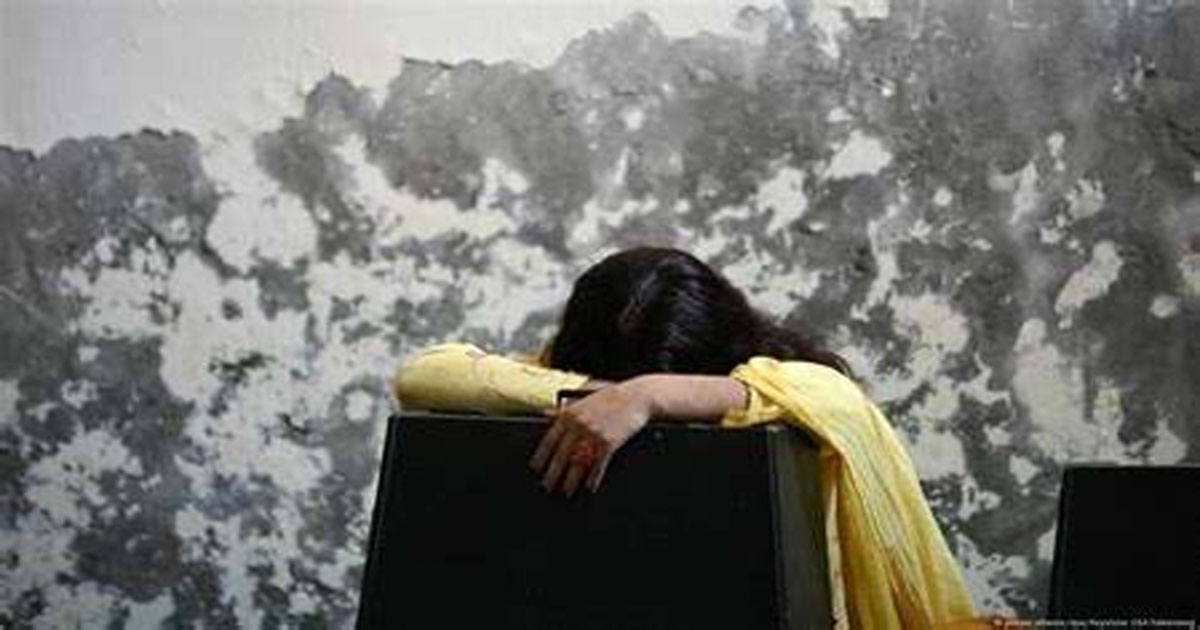
Islamabad, April 1: In yet another shocking crime details emerging from Pakistan, four men allegedly gang raped a woman in a van that moved around the Baga Sheikhan area which comes under the jurisdiction of Rawat police in Pakistan’s Punjab province, local media reported.
A police spokesperson said special teams have been set up to arrest the accused and raids were being conducted. He further mentioned that victim’s medical examination has been conducted, Pakistan’s leading daily Dawn reported.
The victim’s mother filed an FIR with the police on Sunday, stating that her 19-year-old daughter, who has been married for five years, went to the market to buy clothes for her children for Eid. After reaching Chak Beli Morr, she boarded a wagon to go to Rawat Bazaar.
During the journey, the conductor allegedly closed the door and turned the vehicle back towards Chak Beli Road. According to the FIR, the conductor overpowered the victim after she raised an alarm. The van then moved towards Chak Beli Road, where she was made to board another van by one individual, while the driver was identified as “S”.
The accused then took the victim to the Baga Sheikhan area, where they stopped near a house and tried to forcibly take her inside. As per the FIR, another accomplice was called to the spot. Thereafter, all four accused allegedly took turns to assault her in the vehicle while driving on different roads around Baga Sheikhan. Later, they dropped the victim near Chak Beli Morr.
The complainant stated that the accused threatened her daughter and recorded her video. Police has lodged a case and started a probe into the matter.
Earlier this month, the Human Rights Council of Pakistan (HRCP) revealed that 258 rape cases were reported in Khyber Pakhtunkhwa province in 2025. However, only one conviction was recorded.
HRCP revealed the fresh statistics in a 2025 human rights report launched at the Peshawar Press Club, Dawn reported. During the launch of the report, the council’s provincial president Izharuddin Khan said that around five per cent of women in Khyber Pakhtunkhwa faced violence regularly. He stated that about 30 per cent of gender-based violence cases were reported while nearly 70 per cent remained unreported in Khyber Pakhtunkhwa.
Khan mentioned that harassment cases were also reported in universities of Khyber Pakhtunkhwa, adding that female students were not safe from gender-based harassment. According to the report, harassment complaints were made in University of Peshawar and University of Malakand. He said that traditional practices such as swara, the giving of girls in marriage to settle disputes, was still practiced in parts of Khyber Pakhtunkhwa.
According to the report, there was rise in digital harassment, with about 160,000 cybercrime cases reported in 2025. However, officials said these showed only cases where victims knew about cybercrime reporting techniques while an estimated 30 to 40 per cent of incidents went unreported due to lack of knowledge.
Representatives of the council urged the government to introduce legislation to safeguard rights of women and ensure their safety. They urged the Khyber Pakhtunkhwa Assembly to approve women’s empowerment policy and implement laws addressing acid attacks and domestic violence. They also called for setting up special courts and dedicated funds to tackle cases related to gender-based violence and demanded stronger measures to empower women and protect their rights.

UAE Restricts Entry and Transit for Iranian Passport Holders Amid Rising Regional Tensions

Mumbai Traffic Police takes action against self-styled VIP, seizes lights and sirens of 8 vehicles, recommends cancellation of registration by Traffic Department

Mayor Ritu Tawde: The burden of patient services on Rajawadi Hospital in Ghatkopar is high, delays in the reconstruction work of the hospital will not be tolerated

Water Crisis Alert In Vasai Virar, Week Long Supply Disruption From April 4

Jain temple theft suspect arrested from Madhya Pradesh in Kala Chowki area, police arrested the thief from Madhya Pradesh and brought him to Mumbai

Married Mumbai Woman Mocked In Andheri Society Over ‘Lift Kissing’ CCTV Video, Files Police Complaint

LPG Crisis In Maharashtra: Cyber Crime On Rise Amid Shortage, 2 Women Lose ₹4 Lakh In ‘Gas Update’ Online Scam In Kalyan-Dombivli

Mahayoti’s big gift to the people of Mumbai… Now there is no tax for houses up to 500 square feet, the Municipal Corporation has increased this limit to 700 square feet.

Dhurandhar 2 Box Office Collection Day 1: Ranveer Singh Starrer Takes An Exceptional Opening; Crosses ₹100 Crore Mark

Govandi ISIS propaganda case: Ayan arrested… Anjuman-e-Islam Kalsekar College also on the radar, how did the second student come into contact with ISIS, investigation underway
-

 Crime4 years ago
Class 10 student jumps to death in Jaipur
-

 Maharashtra1 year ago
Mumbai Local Train Update: Central Railway’s New Timetable Comes Into Effect; Check Full List Of Revised Timings & Stations
-

 Maharashtra1 year ago
Mumbai To Go Toll-Free Tonight! Maharashtra Govt Announces Complete Toll Waiver For Light Motor Vehicles At All 5 Entry Points Of City
-

 Maharashtra2 years ago
False photo of Imtiaz Jaleel’s rally, exposing the fooling conspiracy
-

 National News1 year ago
Ministry of Railways rolls out Special Drive 4.0 with focus on digitisation, cleanliness, inclusiveness and grievance redressal
-

 Maharashtra1 year ago
Maharashtra Elections 2024: Mumbai Metro & BEST Services Extended Till Midnight On Voting Day
-

 National News2 years ago
J&K: 4 Jawans Killed, 28 Injured After Bus Carrying BSF Personnel For Poll Duty Falls Into Gorge In Budgam; Terrifying Visuals Surface
-

 Crime1 year ago
Baba Siddique Murder: Mumbai Police Unable To Get Lawrence Bishnoi Custody Due To Home Ministry Order, Says Report