
International News
UN chief condemns terror attack on UN-affiliated convoy in Somalia

UN Secretary-General Antonio Guterres has strongly condemned Thursday’s deadly terrorist attack on a UN-affiliated convoy in front of a school in Mogadishu, Somalia, said his deputy spokesman.
The secretary-general on Friday extended his deepest condolences to the families of the victims and wished a swift recovery to those injured. He called upon the Somali authorities to bring those responsible to justice, said Farhan Haq, the deputy spokesman, in a statement, Xinhua news agency reported.
The secretary-general expressed the full solidarity and support of the UN with the government and the people of Somalia in their fight against terrorism and violent extremism, said the statement.
At least eight people were confirmed dead and 17 others wounded in the suicide car bombing early on Thursday. The police said the target was a convoy belonging to a security firm that guards UN personnel. Al-Shabab militants have claimed responsibility for the attack.


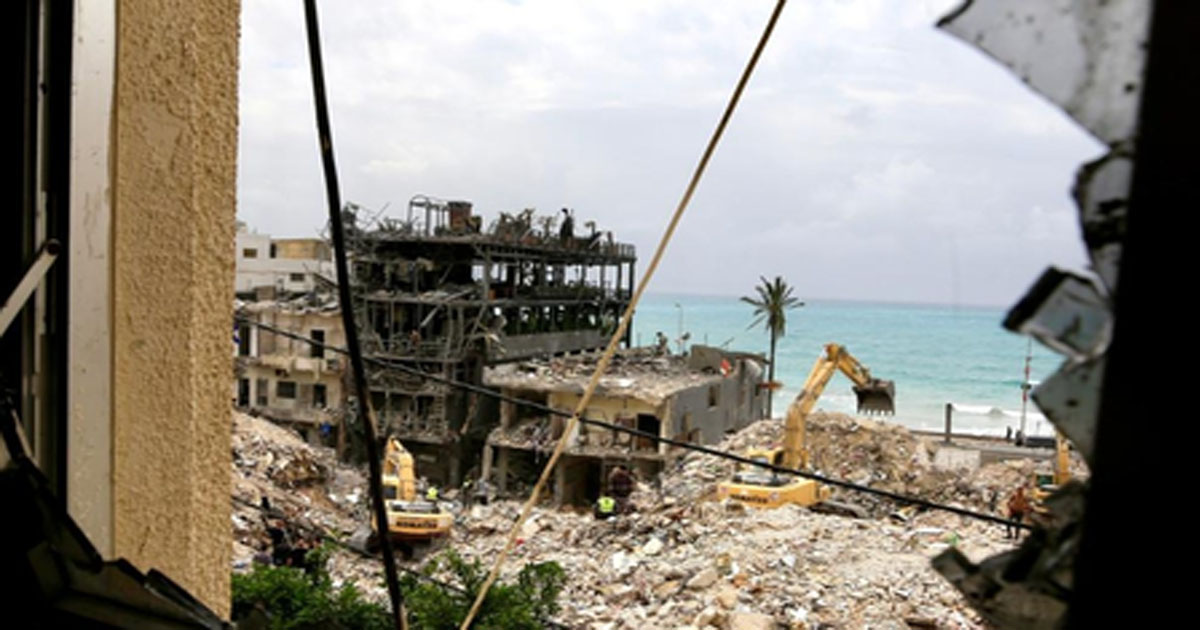
Washington, April 22: Israel and Lebanon are expected to hold their second ambassador-level talks at the US State Department in Washington, US media reported.
Israel and Lebanon will again be represented by their ambassadors to the United States, Yechiel Leiter and Nada Hamadeh Moawad, respectively.
A 10-day ceasefire between Israel and Lebanon came into effect at midnight between Thursday and Friday, following weeks of intensified cross-border fighting amid the US-Israeli war against Iran, reports Xinhua news agency.
The truce has remained fragile as tensions along Lebanon’s southern border continue. Lebanon’s official National News Agency reported that Israeli forces escalated operations across southern Lebanon at dawn on Tuesday, carrying out widespread demolitions, stepping up aerial surveillance, and issuing evacuation warnings despite the ceasefire.
Israel and Lebanon have no formal diplomatic relations, and Hezbollah has long been viewed by Israel as a “proxy” of Iran. The negotiating party with Israel is the Lebanese government, not Hezbollah.
Meanwhile, Hezbollah said it launched rockets and attack drones at an Israeli artillery position in the settlement of Kfar Giladi on Tuesday evening, marking an escalation despite an ongoing ceasefire.
The group said in a statement that the attack targeted the source of recent Israeli artillery fire toward the Lebanese town of Yahmar al-Shaqif, describing the strike as a response to what it called repeated Israeli violations of the ceasefire since it took effect, including attacks on civilians and destruction of homes in southern Lebanon.
A US-backed 10-day ceasefire between Israel and Lebanon came into force at midnight between Thursday and Friday, following weeks of intensified cross-border fighting, although the truce has remained fragile.
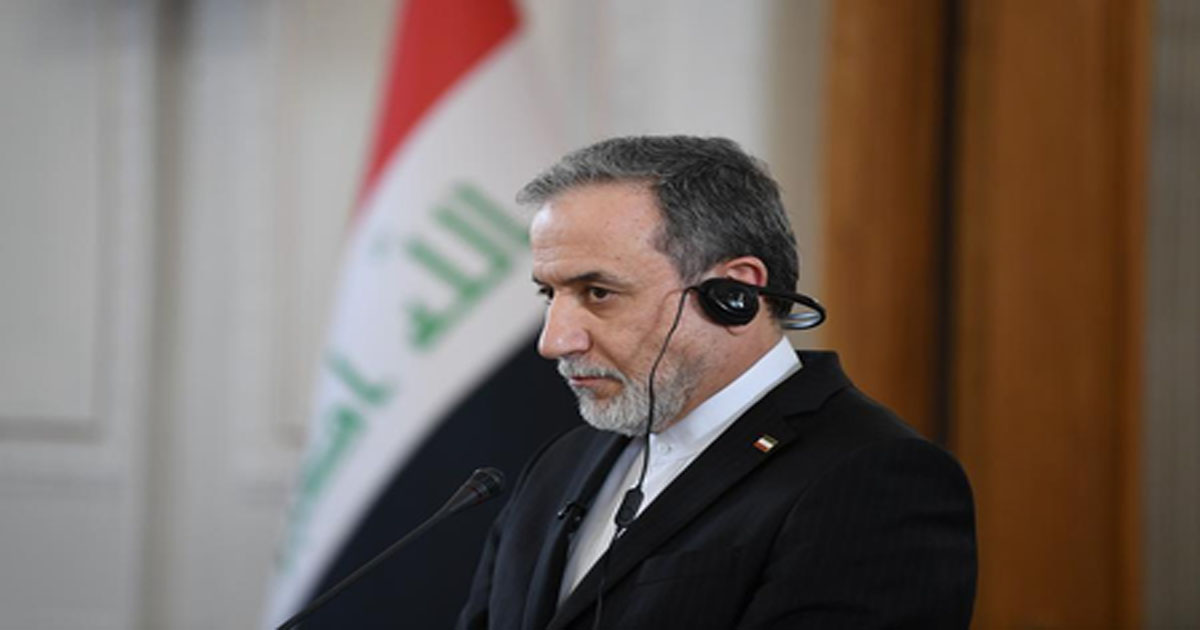
Tehran, April 21: Iran’s Foreign Minister Seyed Abbas Araghchi said that US “provocative actions” and ceasefire violations are major obstacles to continuing peace negotiations between the two countries.
During separate phone calls with his Pakistani and Russian counterparts, Araghchi condemned US actions against Iranian commercial shipping, including the reported seizure of the container vessel Touska and its crew, and cited “contradictory positions and rhetoric of threat” from Washington, according to a Foreign Ministry statement.
A ceasefire that took effect on April 8 after 40 days of fighting remains fragile. Pakistan has mediated indirect talks between Tehran and Washington, hosting a first round in Islamabad on April 11 and 12, but Iran has not confirmed participation in another round, Xinhua news agency reported.
Iran’s semi-official Tasnim news agency reported that Tehran’s attendance depends on Washington meeting preconditions. It cited a US naval blockade and “excessive demands” as key obstacles.
Araghchi said Iran would decide whether to continue diplomacy based on “all aspects of the issue” and US behavior, adding that Tehran would take steps to protect its interests and national security.
Earlier on Monday, citing “contradictory actions” from Washington, Iran made it clear that it has not made any decision yet on participating in the next round of negotiations with the US.
“So far, we have not made any decisions regarding the next round of negotiations,” said Esmaeil Baqaei, spokesperson for the Iranian Foreign Ministry, while speaking to reporters at a weekly press conference in Tehran.
The spokesperson criticised the United States, accusing Washington of engaging in contradictory actions while claiming to pursue diplomacy. He mentioned that since the very beginning of the ceasefire, “bad faith and constant complaints” were faced by Iran from Washington.
He clarified that the US initially claimed that Lebanon was not part of the ceasefire, despite contrary assertions.
Tensions follow joint US-Israeli attacks on Tehran and other Iranian cities beginning February 28, which killed Iran’s then-Supreme Leader Ali Khamenei, senior commanders, and civilians. Iran responded with waves of missile and drone strikes targeting Israel and US assets in the Middle East.
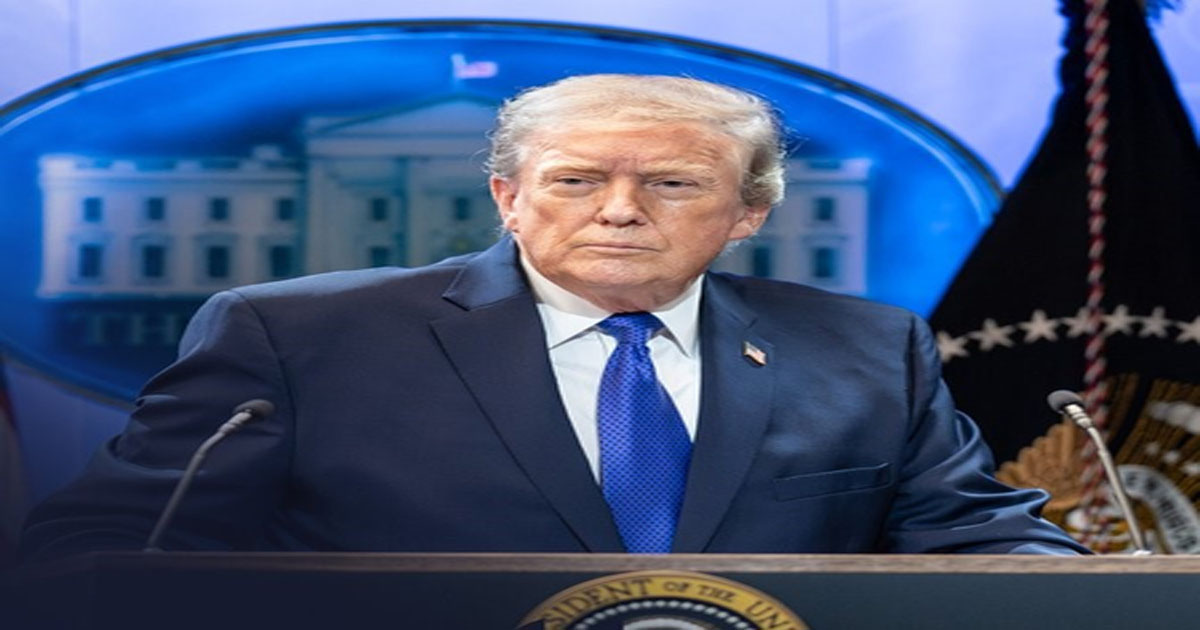
New York, April 20: US President Donald Trump said that US forces have intercepted and taken custody of an Iranian-flagged cargo ship that tried to bypass its blockade in the Gulf of Oman.
“Today, an Iranian-flagged cargo ship named TOUSKA, nearly 900 feet long and weighing almost as much as an aircraft carrier, tried to get past our Naval Blockade, and it did not go well for them,” Trump wrote in a post on his social media Truth Social.
A US destroyer intercepted the TOUSKA in the Gulf of Oman, and “gave them fair warning to stop,” Trump added. “The Iranian crew refused to listen, so our Navy ship stopped them right in their tracks by blowing a hole in the engineroom. Right now, US Marines have custody of the vessel.”
Iran has attacked US military ships in retaliation for the US seizure of its vessel, according to latest news reports.
The announcement came after the White House confirmed US Vice-President JD Vance would lead another delegation for a second round of talks with Iran in Pakistan.
Tehran has not yet confirmed its attendance. Iranian state media has reported that officials will not participate while the US blockade remains in place.
Earlier, Iran’s Khatam al-Anbiya Central Headquarters warned that it will “soon respond” to the US “armed maritime piracy,” Xinhua news agency reported quoting Iran’s Press TV.
Iran’s official news agency IRNA said on Sunday that the country has rejected taking part in the second round of the peace talks with the United States, which were reportedly to be held in Pakistan soon.
Trump said on Friday that the naval blockade of Iranian ports would continue until a deal was agreed by the two countries.

Mumbai Municipal Corporation’s ‘Marg Pranali’ launched… will strengthen connectivity with Mumbaikars: Mayor Ritu Tawde

Action against Lenskart store BJP leader Nazia Elahi confirmed

Case registered for BJP rally blocking road in Worli

Navi Mumbai: PMC Cracks Down On Encroachments In Kamothe, New Panvel; Illegal Stalls, Nurseries Demolished

Mumbai: Raees Sheikh demands Devendra Fadnavis to scrap online registration requirement for power loom electricity concession

Mumbai: 28-Year-Old Ghatkopar Woman Killed By Speeding Tanker While Crossing Road, Driver Arrested

Dhurandhar 2 Box Office Collection Day 9: Ranveer Singh Starrer Earns ₹41.55 Crore On Its Second Friday; Enters ₹700 Crore Club

Bharti Airtel Receives ₹1,74,000 Penalty Notice From DoT For Subscriber Verification Lapses

Thane Horror: Man Slashed With Chopper In Naupada For Refusing ‘Vargani’, Caught On Camera

PM Modi & US President Donald Trump Hold Crucial Talks As West Asia Crisis Deepens; Musk Joins Call
-

 Crime4 years ago
Class 10 student jumps to death in Jaipur
-

 Maharashtra2 years ago
Mumbai Local Train Update: Central Railway’s New Timetable Comes Into Effect; Check Full List Of Revised Timings & Stations
-

 Maharashtra2 years ago
Mumbai To Go Toll-Free Tonight! Maharashtra Govt Announces Complete Toll Waiver For Light Motor Vehicles At All 5 Entry Points Of City
-

 Maharashtra2 years ago
False photo of Imtiaz Jaleel’s rally, exposing the fooling conspiracy
-

 National News2 years ago
Ministry of Railways rolls out Special Drive 4.0 with focus on digitisation, cleanliness, inclusiveness and grievance redressal
-

 Maharashtra1 year ago
Maharashtra Elections 2024: Mumbai Metro & BEST Services Extended Till Midnight On Voting Day
-

 National News2 years ago
J&K: 4 Jawans Killed, 28 Injured After Bus Carrying BSF Personnel For Poll Duty Falls Into Gorge In Budgam; Terrifying Visuals Surface
-

 Crime2 years ago
Baba Siddique Murder: Mumbai Police Unable To Get Lawrence Bishnoi Custody Due To Home Ministry Order, Says Report