
Crime
Red Fort blast link surfaces as Delhi Police arrests four in multi-state radical module bust

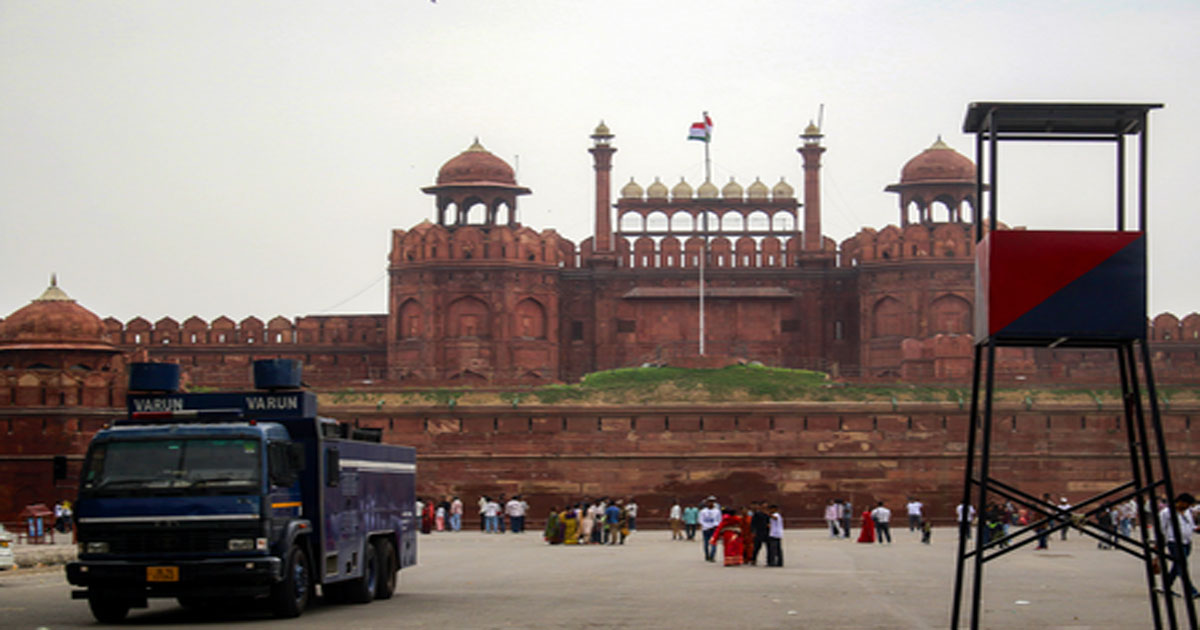
New Delhi, April 18: The Delhi Police Special Cell on Saturday revealed that it had arrested four youths from three states for online radicalising and recruiting others with the aim to establish an Islamic state through ‘jihad’, officials said. According to police, a connection to the Red Fort blast was also established, which had claimed 11 lives and injured several others.
One of the accused had visited various sensitive installations including the Red Fort in Delhi in December 2025. He also posted a photo of the historical place with a black flag atop it to radicalise others, police said.
The official statement highlighted that the youths were radicalised into joining terrorism-related activities. Police have also recovered material used for preparation of Improvised Explosive Devices (IED) from one of them. Along with this, the mobile phones of the accused were also seized.
A team of Delhi Police Special Cell, led by Inspectors Vinay Pal and Manoj Kumar, including ACP Ashish Kumar, arrested the four accused persons from Maharashtra, Odisha and Bihar. An FIR was registered under relevant Sections of BNS, 2023.
Among the arrested youths, Mosaib Ahmad, Jalaluddin Siddiqui and Mohammad Hammad were residents of Maharashtra. While Sheikh Imran belonged to Odisha and Mohammad Sohail hailed from Bihar.
Police confirmed that the accused were part of various closed groups on encrypted social media platforms. They were allegedly engaged in radicalising and recruiting others for establishing Islamic state through ‘jihad’.
The investigation revealed that two members of the module were in the process of collecting locally-sourced material for preparing a remote-controlled IED which could be used for a terrorist attack at an opportune time.
Revealing their modus operandi, officials said that one member of the module was exhorting others to collect weapons and explosives for participating in ‘Ghazwa-e-Hind’. He shared his bank account details on his social media channel for crowd funding in support of ‘jihad’.
Another accused promised to arrange arms training for the members of the module and asked other members to send money for the same.
One of the accused, Mosaib Ahmad, was a part of multiple online radicalised groups. Police said that he assisted co-accused Mohammad Hammad by opening the circuit of a remote-controlled toy car for IED making and sharing its image within a closed group.
Hammad, in turn, shared pictures of ball bearings, nails, remote-controlled toy cars and boxes as material for preparation of IEDs in a closed group. He handed them over to co-accused Mosaib Ahmad, who, being a mechanic by profession, was tasked with assembling the IED.
Born in Bhubaneswar, Sheikh Imran worked as a security guard and delivery boy. In year 2024, he began listening to lectures (takreers) of Tareeq Jameel, Israr Ahmed, Zakir Naik etc. and gradually developed radical beliefs. He joined his associates through social media. Investigators found that Imran discussed targeting Ram Mandir, Parliament and military installations. He was the one who recced the Red Fort.
A plumber by profession, Mohammad Sohail was also influenced by Israr Ahmed. He created multiple social media accounts and exhorted youth in the name of ‘jihad’. In March 2026, he incited followers of his channel to collect weapons and explosives for ‘Ghazwa-e-Hind’ and even shared bank details to collect money.


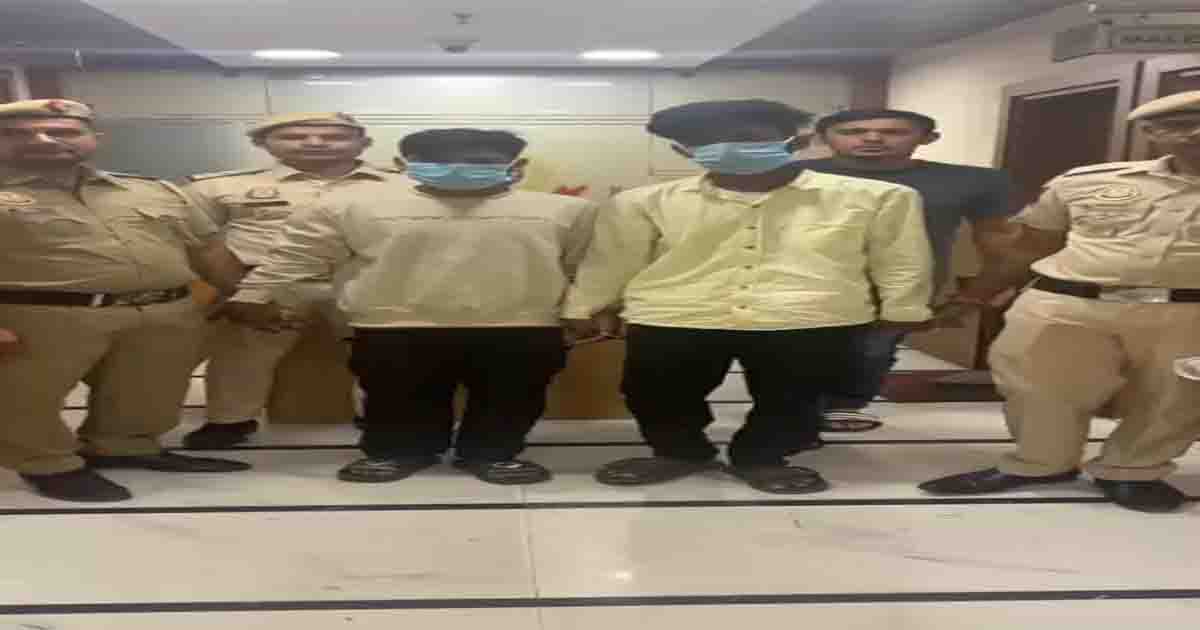
Delhi Police have busted an alleged cyber fraud syndicate operating from Jharkhand and arrested two men, including a B.Tech graduate, for allegedly cheating more than 50 people through fraudulent credit card transactions while impersonating as bank officials, officials said on Sunday.
The accused were identified as Aftab Ansari, age 24, and Abdul Majid, age 23. The Cyber Police Station of Shahdara district arrested the two in Jharkhand’s Dhanbad district after a four-day operation. They recovered three mobile phones allegedly containing WhatsApp chats and other digital evidence linked to fraud.
According to police, the investigation began after a complaint by Tarnjeet Singh, who alleged that unidentified persons posing as HDFC Bank officials contacted him over the phone and WhatsApp, claiming they could help him update his credit card Know Your Customer (KYC) details. The complainant subsequently discovered unauthorized transactions on his credit cards
The police traced a Samsung Galaxy S26 Ultra worth Rs 1,39,999, purchased using the disputed credit card transactions on JioMart, to a delivery address in the Jharia area of Dhanbad district.
After conducting surveillance and field verification for four days, the team devised a trap with the assistance of a delivery agent. Police arranged a decoy mobile phone delivery at a location allegedly used by the suspects. The two accused arrived to receive the purported delivery and were apprehended, officials said.
During the operation, two mobile phones were recovered from Ansari and one from Majid. The devices reportedly contained WhatsApp conversations and other digital material relevant to the investigation.
According to the police, the accused and their associates used social media platforms, including Facebook, to advertise assistance with credit card KYC updates to lure victims. Interested people were directed to online forms through which their personal and contact details were collected.
Mostly, unsuspecting individuals above 50 years of age were targeted by the fraudsters, who posed as bank officials and offered supposed assistance with KYC verification through video calls.
In these video calls, victims were asked to display their credit card details, including card numbers and CVV, on camera and share their mobile phone screens under the pretext of completing electronic verification. Police suspect that this enabled the accused to access the one-time passwords received on the victims’ devices and carry out unauthorised online transactions.
The fraudsters allegedly used compromised credit card details to purchase expensive mobile phones through online shopping platforms. The devices were delivered to locations in Jharkhand and West Bengal, away from the accused’s home district, to avoid detection.
Police said the phones were subsequently sold in local markets at comparatively lower prices. Since the devices were sealed and accompanied by a purchase invoice, they appeared legitimate.
Preliminary investigation suggests that almost 50 people were deceived like that. Police are still verifying the number of victims and the total number of people involved in the crime, presuming that it could be a whole network of other members.
Delhi police have advised the public not to share credit card details, CVVs, OTP or PINs over phone or video calls, or share mobile screens with unknown people.
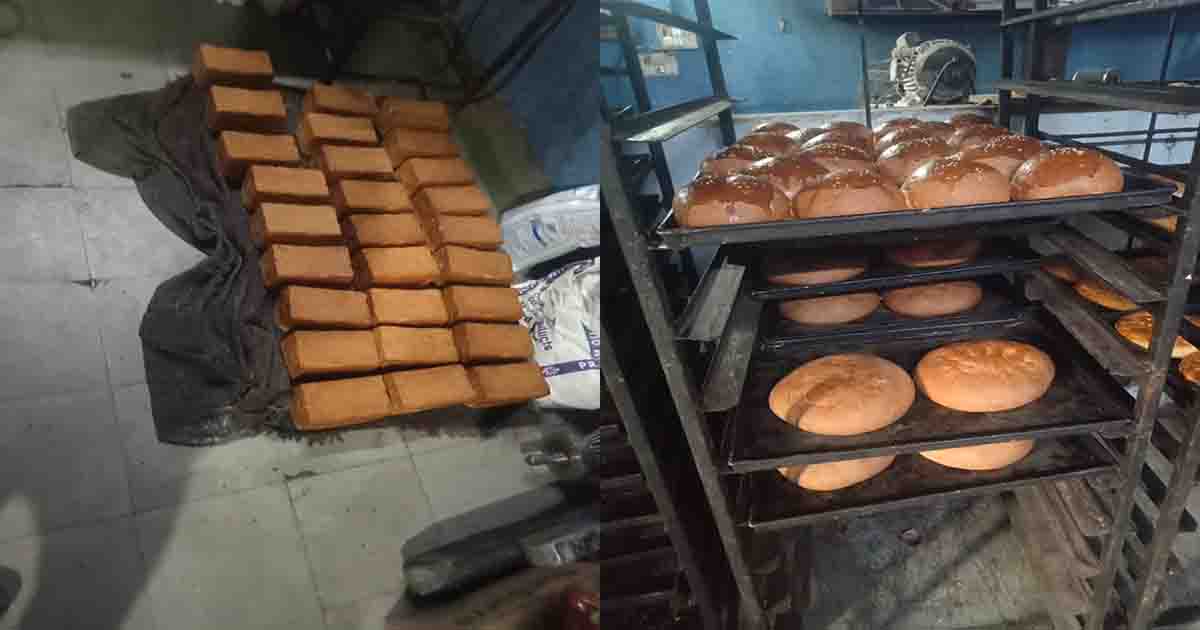
Telangana Standards Authority for Food and Essential Drugs (TG SAFE) found various violations during a special drive on sweet manufacturing and retail units across all districts of Telangana.
The Food Safety Officers of TG SAFE conducted a special drive and inspections at 53 sweet manufacturing and retail units.
The TG SAFE said in a statement on Sunday that during the inspection conducted on Friday (October 23), the officials noticed various violations in some establishments.
The officials found damaged flooring with littering of food waste; an unclean washing area; drains clogged with food waste; walls with dirt, dust and spillage of food waste. There was an absence of records, such as pest control records, health records of food handlers, etc., food handlers found without hairnets, gloves, etc., greasy exhausts and chimneys and improper storage practices, like food articles being stored on the floor, keeping of food and non-food articles together.
The officials collected 38 samples on suspicion of adulteration. An improvement notice will be issued to 20 establishments for rectification of the lapses identified during the inspection.
The establishments will be revisited to verify status of compliance with food safety norms and further action will be taken based on reinspection, and a show cause notice will be issued to one establishment for the violations reported during the inspections and further action will be initiated for imposing penalties, TG SAFE Commissioner said.
The special drive was conducted in districts such as Mancherial, Jangaon, Siddipet, Khammam, Narayanpet, Jogulamba Gadwal, Wanaparthy, Nalgonda, Suryapet, Peddapalli, Kamareddy, Nagarkurnool, Nirmal, Nizamabad, Hanumakonda, Medak, Warangal, Rajanna Sircilla, Jagtiyal, Mahabubnagar and Kothagudem.
Earlier, three sweet shops in Hyderabad lost licences after TG SAFE raids last week.
The officials found hygiene violations and other food safety lapses during inspections and directed three establishments to stop business operations immediately in the interest of public health.
Enforcement officials found cobwebs, greasy exhaust, improper storage practices and poor personal hygiene among food handlers, some of whom had overgrown nails. Officials also reported storage pests in food articles, cockroach infestation and fungal contamination in pickles.
The three establishments were among 21 khoa and sweet manufacturing and retail units inspected by 11 enforcement teams comprising food safety officers and police personnel in the core urban region.
Across the inspections, officials collected 21 samples on suspicion of adulteration and seized 1,035 kg of food articles worth Rs 7,75,850, officials said.
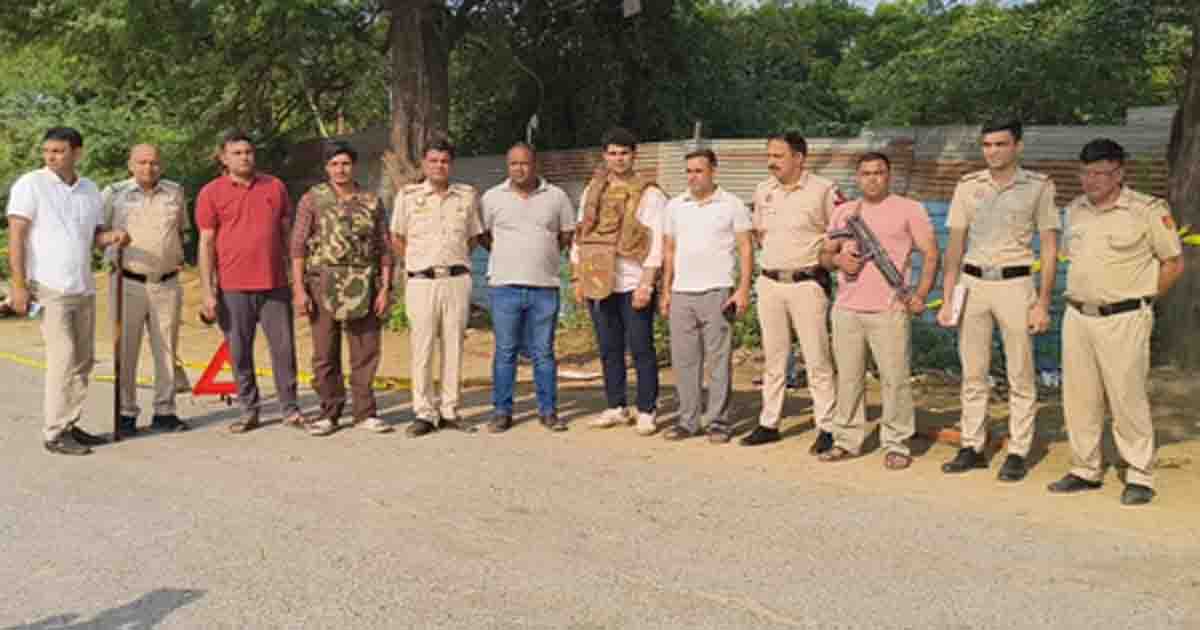
A criminal of the Chhaimar gang, also known as the Kachha-Baniyan gang and carrying a reward of Rs.1 lakh, was arrested after an exchange of fire with Delhi Police in the South District, police said on Sunday.
The accused, identified as Savan alias Sudhan alias Hira alias Muchhoda Fufa alias Muchhoda Chacha, was allegedly caught while he was conducting reconnaissance of farmhouses in the jurisdiction of Maidan Garhi police station with the intention of committing dacoity when a police team moved to intercept him.
The team from Maidan Garhi police station, comprising SI Narendra Kumar, Assistant Sub-Inspector Ashok Mehta, Head Constables Sube Singh, Shakti, and Pradeep, and Constable Waseem Akram, acted on secret information about the suspect’s movement.
According to police, the suspect allegedly opened fire at the team twice during the operation, with a bullet striking the bulletproof jacket of Sub-Inspector Narendra Kumar. The police retaliated, and Constable Akram fired at the suspect, hitting him in the right calf. The injured accused was apprehended and subsequently shifted to AIIMS Trauma Centre for treatment, police said.
According to the police, the suspect arrived on a motorcycle from the Bass Gaon Road at around 6.25 am on Sunday and was identified by a secret informer. When the team attempted to stop him, he allegedly fired at the personnel with a country-made pistol.
SI Narendra Kumar fired three warning rounds. The suspect subsequently took out another country-made pistol and allegedly fired again, with a bullet striking the bulletproof jacket of SI Kumar, prompting the police to retaliate.
The accused is reportedly wanted in several serious criminal cases including dacoity, robbery and murder, registered in Uttar Pradesh and Punjab. A reward of Rs 1 lakh had been declared for him by the Additional Director General of Police, Varanasi Zone, in connection with a dacoity-cum-murder case registered at Shahganj police station in Jaunpur district of Uttar Pradesh in 2014.
His criminal antecedents also include an FIR registered at Raya police station in Mathura in 2016 in connection with a robbery-cum-murder case. In addition, he is reportedly wanted in a murder-cum-robbery case registered at City-2 police station in Mansa, Punjab, in 2024.
The suspect’s modus operandi was to survey farmhouses to identify targets before carrying out dacoities. The police received information about his presence in the Maidan Garhi area, which prompted the police operation that ended with his arrest following the exchange of fire.
Further investigation is underway to determine his role in other criminal cases, the police said.

Drug dealer arrested in Mumbai with 1.5 kg of charas (cannabis resin)

Lawrence Bishnoi gang shooters had practised shooting in the Aarey Colony forest before opening fire at Tiger Shroff’s residence.

PM Modi witnesses IAF’s air show, inaugurates garment facility in Varanasi

Major action by Mumbai ANC: Drug peddlers arrested.

Delhi Police bust Jamtara-based cyber fraud syndicate, 2 held for credit card fraud

Rahul, Cong ecosystem want to force regime change: BJP after Neha Bora praises B’desh Gen-Z protest

BJP pays tribute to ex-President Abdul Kalam, recalls his enduring influence on generations of India’s youth

Attack on democratic rights: INDIA Bloc leaders on detentions of anti-ECI protestors

INDIA bloc begins protest march against ECI

Maha Congress stages agitation against Gyanesh Kumar
-

 Crime4 years ago
Class 10 student jumps to death in Jaipur
-

 Maharashtra2 years ago
Mumbai Local Train Update: Central Railway’s New Timetable Comes Into Effect; Check Full List Of Revised Timings & Stations
-

 Maharashtra2 years ago
Mumbai To Go Toll-Free Tonight! Maharashtra Govt Announces Complete Toll Waiver For Light Motor Vehicles At All 5 Entry Points Of City
-

 Maharashtra2 years ago
False photo of Imtiaz Jaleel’s rally, exposing the fooling conspiracy
-

 National News2 years ago
Ministry of Railways rolls out Special Drive 4.0 with focus on digitisation, cleanliness, inclusiveness and grievance redressal
-

 Maharashtra2 years ago
Maharashtra Elections 2024: Mumbai Metro & BEST Services Extended Till Midnight On Voting Day
-

 National News2 years ago
J&K: 4 Jawans Killed, 28 Injured After Bus Carrying BSF Personnel For Poll Duty Falls Into Gorge In Budgam; Terrifying Visuals Surface
-

 Crime2 years ago
Baba Siddique Murder: Mumbai Police Unable To Get Lawrence Bishnoi Custody Due To Home Ministry Order, Says Report