
National News
Ramzan month deliberately chosen to hurt Muslims: Bengal CM

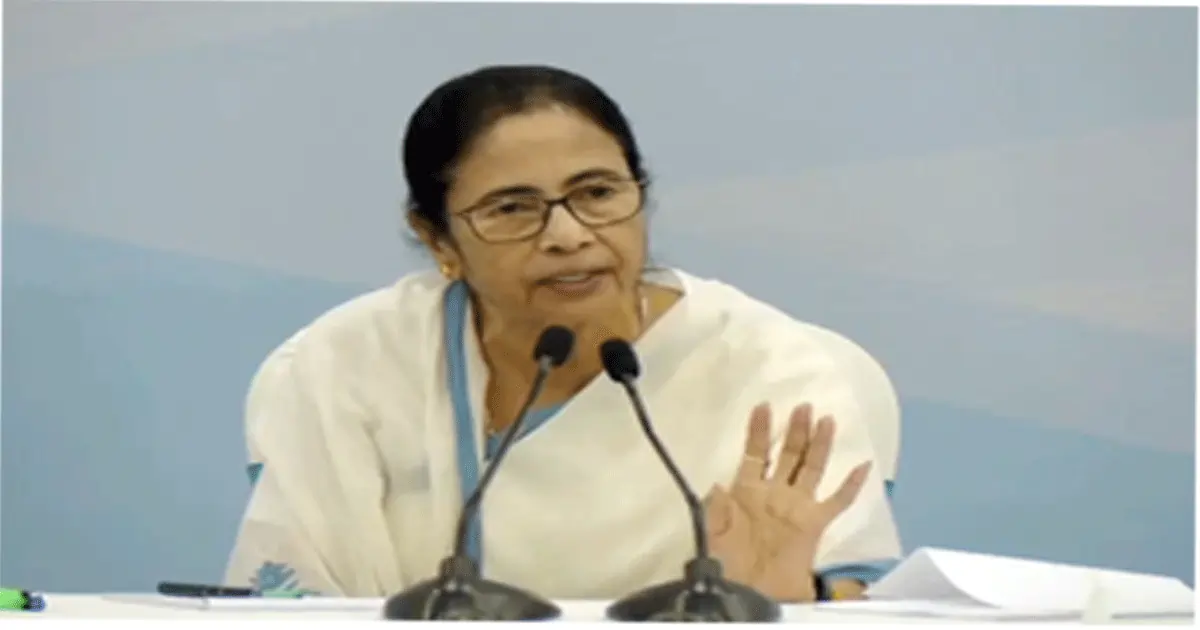
Kolkata, March 12: West Bengal Chief Minister Mamata Banerjee, on Wednesday, made a highly sensitive statement on the floor of the Assembly when she claimed that the Ramzan month is being chosen deliberately by some people to hurt the Muslims.
“Ramzan month is being deliberately chosen by some to hurt the Muslims. But people from minority communities should be rest assured. The unity of all religions will prevail,” the Chief Minister said while addressing the House on the third day of the second round of Budget session of the Assembly here on Wednesday noon.
Tension prevailed on the floor of the House since Chief Minister Banerjee made an entry there, with Trinamool Congress legislators protesting against some “reportedly offensive” comments made by the Leader of Opposition in Assembly, Suvendu Adhikari, about the minority MLAs of the ruling Trinamool Congress while speaking to the mediapersons at the Assembly gate on Tuesday.
Even when the Chief Minister started speaking, her speech was disrupted by a heated and loud exchange of statements between the Trinamool Congress and BJP legislators.
At a time, Chief Minister Banerjee was heard accusing the BJP legislators of playing communal cards in politics.
“Humanity is the biggest lesson of religion. But you people always play the communal card in politics. Please do not exploit religion for narrow political gains. I am myself a Hindu. I do not need a certificate from you for that,” she said.
She also accused the BJP of insulting the tradition of Bengal.
“Please do not insult Bengal. Please do not try to divide Bengal in the name of religion. Why don’t you have Muslim candidates in elections? Almost 79 per cent of my party’s candidates in any election are Hindus. We also have an adequate number of women candidates. The crow is trying to pose as a peacock now,” the Chief Minister said.
Speaking on the occasion, the Chief Minister also launched a scathing attack against the Leader of Opposition but without directly naming the latter.
“It is better to ignore him (LoP Suvendu Adhikari). He joined Trinamool Congress realising that he had no future in Congress. After that he joined the BJP after creating confusion within Trinamool Congress. Very soon he will get joining request from any other party,” CM Banerjee said.
During his turn to speak, the Chief Whip of BJP’s Legislative Party in the Assembly, Shankar Ghosh, said that the Chief Minister chose to remain silent when many of her heavyweight Muslim Cabinet members attacked the Hindus regularly.
“No action is taken against such Ministers,” Ghosh said.
Later, the BJP legislators staged a walkout and sat in a sit-in protest at the gate of the Assembly led by the Leader of Opposition.


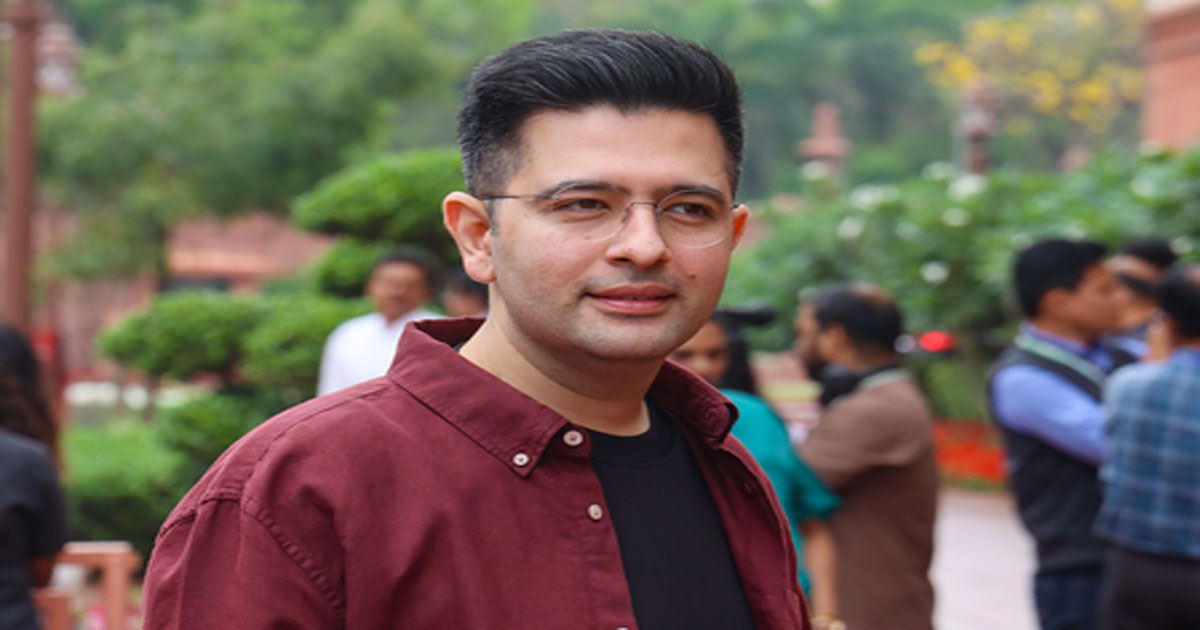
New Delhi, April 15: The Ministry of Home Affairs has provided security cover to Aam Aadmi Party (AAP) Rajya Sabha member Raghav Chadha. He will receive ‘Z+ category’ security in both Delhi and Punjab, sources said on Wednesday.
This followed the Punjab government’s decision to withdraw Chadha’s security detail earlier in the day. This action also occurred amid a growing rift between Chadha and the AAP in recent weeks.
According to sources, paramilitary forces will be deployed to provide security to the AAP leader.
This security cover has been granted based on a threat perception report submitted by the Intelligence Bureau (IB) and following an assessment conducted by the Ministry of Home Affairs.
The developments follow recent changes within the party. On April 2, AAP appointed Ashok Mittal as its new Deputy Leader in the Rajya Sabha, replacing Chadha in the role. The move was seen as a significant organisational shift, bringing in a new face from Punjab.
Earlier on April 3, Chadha broke his silence on the development, stating that he had been “silenced, not defeated”.
Meanwhile, speculation is mounting about Chadha’s position within AAP. On April 8, a separate Instagram post shared by him drew attention after it featured a purported supporter suggesting that he should form a new youth-led political party instead of joining any existing organisation.
On April 10, amid an internal rift within the Aam Aadmi Party (AAP), the Rajya Sabha member shared a message on Instagram asserting that his parliamentary work would speak for itself.
Taking to the social media platform Instagram, Chadha posted a video and wrote, “With respect to those questioning my parliamentary performance, I’ll let my work do the talking.”
The video featured a compilation of his interventions and questions raised in the Rajya Sabha, highlighting a wide range of public policy issues he has addressed.
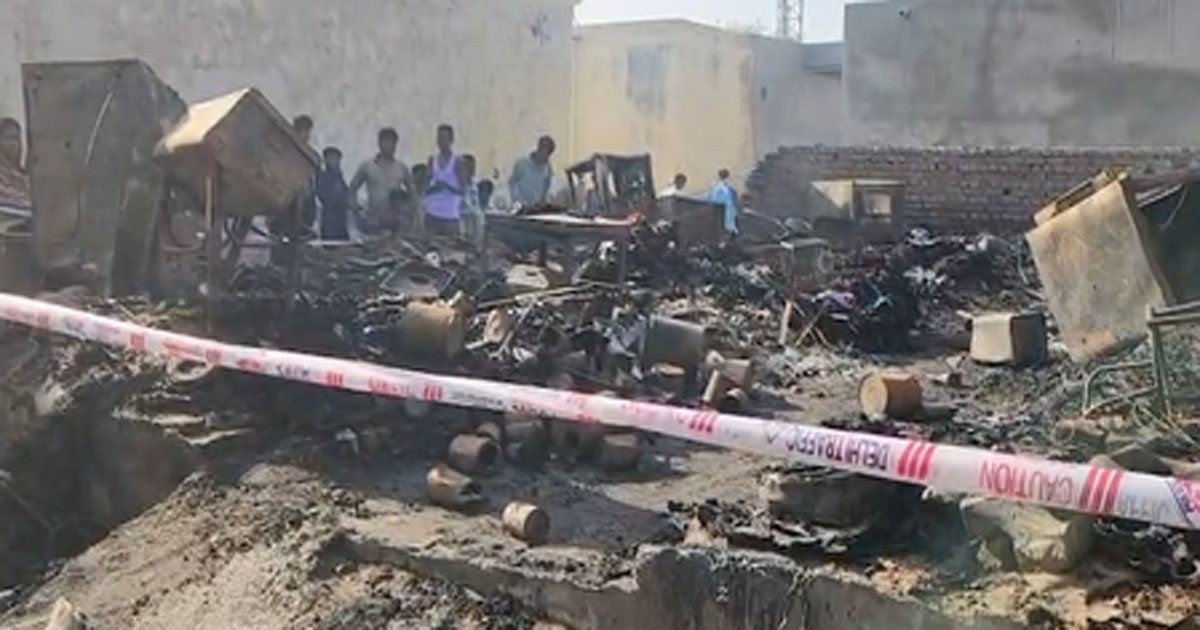
New Delhi, April 15: A massive fire broke out in the early hours of Wednesday in Delhi’s Rohini area, engulfing nearly half a dozen slums and leaving three members of a family dead, fire services officials said.
According to the Delhi Fire Services (DFS), the deceased include a husband, wife and their two-year-old daughter.
Officials said the fire erupted around 1:30 a.m. in a cluster of slums located near a 400-yard plot filled with plastic waste.
The presence of combustible material in the vicinity is believed to have contributed to the rapid spread of the flames, DFS officials stated.
Upon receiving information about the incident, teams from the fire services rushed to the scene and launched efforts to douse the blaze.
The blaze was reported to be extremely intense, making firefighting operations challenging for emergency responders.
After prolonged firefighting operations, the fire was eventually brought under control, officials said.
During the rescue operation, firefighters recovered three bodies from the site, which were later sent for postmortem examination.
Personnel from multiple agencies, including the fire department, local police, the Centralised Accident and Trauma Service (CATS), and the electricity department, were present at the scene.
Relief and rescue efforts continued for several hours following the incident.
In a separate incident earlier on April 12, a fire had broken out in bushes near the Rajghat bus depot in the national capital, prompting a swift response from the Delhi Fire Service.
The blaze, reported in a vegetated area adjacent to the depot, saw six fire tenders being deployed to the site to contain the flames.
The dense vegetation in the area posed challenges for firefighting teams in accessing certain pockets.
Police said that the fire was eventually brought under control and no injuries were reported in that incident.
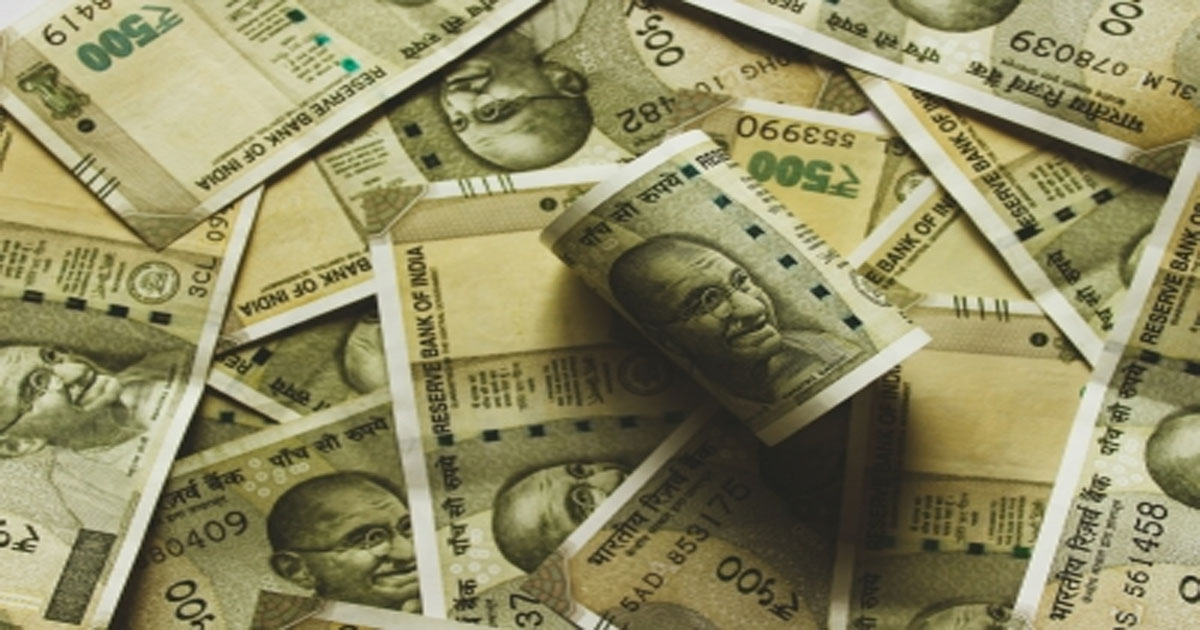
New Delhi, April 14: Indian agencies have reported a sharp rise in counterfeit currency seizures, pointing to a renewed push by organised networks to expand operations.
Investigators say the syndicate linked to Dawood Ibrahim, operating from Pakistan, is increasingly directing operatives in India to print fake notes locally instead of relying on cross-border smuggling routes through Pakistan and Bangladesh.
The trend points to a deliberate attempt to scale up production, with signs of a coordinated effort to undermine the Indian economy. Recent months have seen multiple seizures in border regions due to tighter security. At the same time, attempts to drop counterfeit currency using drones are being detected and intercepted with increasing frequency.
An Intelligence Bureau official said that the syndicate is now directing its operatives in India to print fake notes locally and circulate them within the market. They have been advised to keep operations small but frequent to maintain overall volume while avoiding attention.
“To reduce the risk of detection, members are also shifting bases regularly, making it difficult for agencies to track and pin down a single location,” the official added.
The route through the Bangladesh border has also become increasingly difficult for smugglers to use. Enhanced security measures have tightened surveillance, making it harder for operatives to push counterfeit currency into India.
Another official said the strategy now is to expand printing across multiple states, including Gujarat, Uttar Pradesh, Rajasthan, and Punjab. In the past, the syndicate had set up a localised unit in Malda, West Bengal, where high-quality counterfeit notes were produced and were difficult to detect.
“However, after the unit was uncovered, intensified action by agencies led to a sharp decline in operations,” the official said.
Another official said printing capacity in Malda has dropped by more than half after agencies, including the National Investigation Agency (NIA), intensified investigations and enforcement.
Officials added that efforts are underway to push in raw materials needed to set up fresh units to expand local production. If these consignments reach operatives in India, output could increase again. Even as the focus shifts to domestic printing, attempts to move counterfeit currency across the border using drones are expected to continue.
Last month, the Border Security Force (BSF) and Amritsar Police seized counterfeit currency worth Rs 2.5 lakh, which officials believe may have been a trial run. While drones have been intercepted carrying drugs, arms, and ammunition on several occasions, their use for moving fake currency has emerged as a growing concern.
Agencies said the syndicate is now relying on smaller consignments that are harder to detect on radar and surveillance systems. An official noted that operatives are adopting varied methods to increase the circulation of counterfeit notes.
Even as local production gathers pace, the use of drones is expected to continue. The broader objective, officials said, is to generate funds for terror activities and to inflict economic damage through the sustained circulation of fake currency.

Reconstruction work of Sion Railway Flyover should be completed by July 15, 2026, directs Municipal Commissioner Ashwini Bhide

Domino’s Pizza Outlet In Thane Raided; 140 LPG Gas Cylinders Worth ₹4.59 Lakh Seized In Major Crackdown

Last rites of small animals and birds begin at Deonar Slaughterhouse and Mahalakshmi, availability of facilities will help local people: Additional Municipal Commissioner

Considering running Mankhurd Shivaji Nagar CBSE School in two shifts, the school will soon function in two shifts: Abu Asim Azmi

ATS and NIA also involved in the investigation of Nashik TCS case, police sends letters to agencies

Dhurandhar 2 Box Office Collection Day 1: Ranveer Singh Starrer Takes An Exceptional Opening; Crosses ₹100 Crore Mark

Mumbai Police Busts Fake Apple Accessories Racket In Ghatkopar, ₹16.33 Lakh Goods Seized; Six Booked

Dhurandhar 2 Box Office Collection Day 9: Ranveer Singh Starrer Earns ₹41.55 Crore On Its Second Friday; Enters ₹700 Crore Club

Bharti Airtel Receives ₹1,74,000 Penalty Notice From DoT For Subscriber Verification Lapses

Mumbai: 28-Year-Old Ghatkopar Woman Killed By Speeding Tanker While Crossing Road, Driver Arrested
-

 Crime4 years ago
Class 10 student jumps to death in Jaipur
-

 Maharashtra2 years ago
Mumbai Local Train Update: Central Railway’s New Timetable Comes Into Effect; Check Full List Of Revised Timings & Stations
-

 Maharashtra2 years ago
Mumbai To Go Toll-Free Tonight! Maharashtra Govt Announces Complete Toll Waiver For Light Motor Vehicles At All 5 Entry Points Of City
-

 Maharashtra2 years ago
False photo of Imtiaz Jaleel’s rally, exposing the fooling conspiracy
-

 National News2 years ago
Ministry of Railways rolls out Special Drive 4.0 with focus on digitisation, cleanliness, inclusiveness and grievance redressal
-

 Maharashtra1 year ago
Maharashtra Elections 2024: Mumbai Metro & BEST Services Extended Till Midnight On Voting Day
-

 National News2 years ago
J&K: 4 Jawans Killed, 28 Injured After Bus Carrying BSF Personnel For Poll Duty Falls Into Gorge In Budgam; Terrifying Visuals Surface
-

 Crime2 years ago
Baba Siddique Murder: Mumbai Police Unable To Get Lawrence Bishnoi Custody Due To Home Ministry Order, Says Report