
International News
PM Modi Arrives In Brunei Darussalam On Historic 2-Day Visit

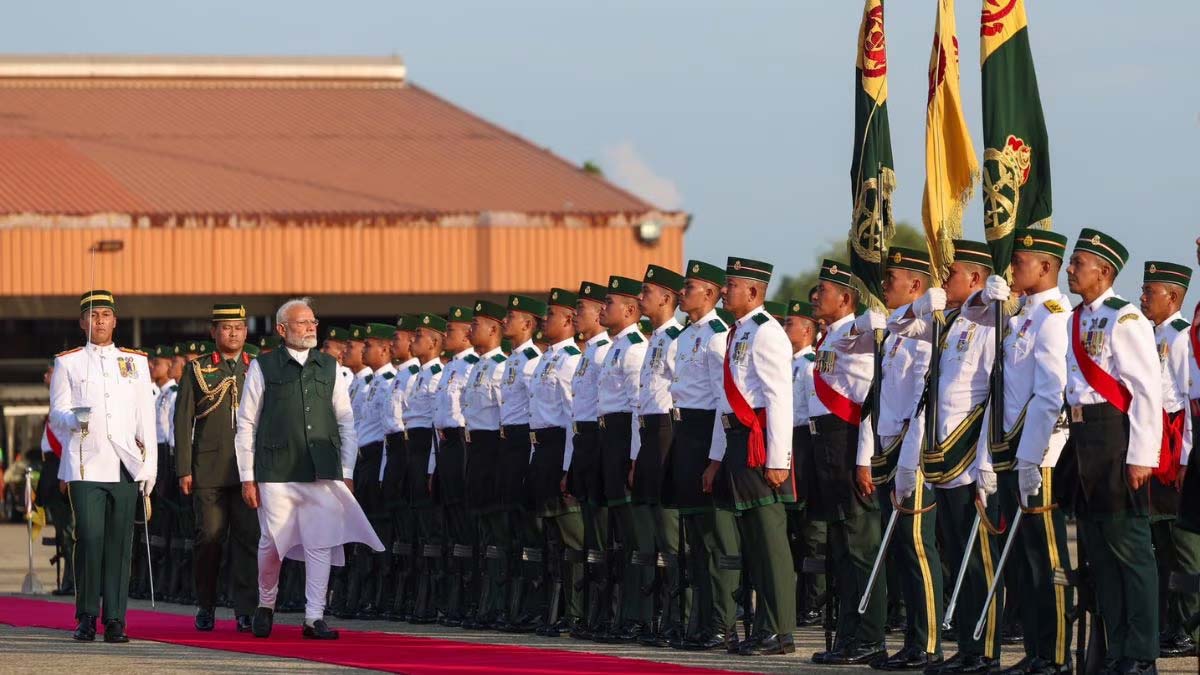
Bandar Seri Begawan (Brunei): Prime Minister Narendra Modi arrived at the Bandar Seri Begawan Airport Tuesday afternoon as he began a two-day visit to Brunei Darussalam – the first ever bilateral trip by an Indian PM to the southeast Asian nation – at the invitation of Sultan Haji Hassanal Bolkiah.
“As we celebrate the 40 years of our diplomatic relations, I look forward to my meetings with His Majesty Sultan Haji Hassanal Bolkiah and other esteemed members of the Royal family to advance our historical relationship to new heights,” said PM Modi in his departure statement ahead of his visit to Brunei Darussalam and Singapore.
About PM Modi’s Visit To Brunei
During his visit, the Prime Minister will engage in bilateral discussions focusing on exploring new areas for cooperation in multiple areas like defence, trade and investment, energy, space technology, health, capacity building, culture, and vibrant people-to-people exchanges.
Last month, External Affairs Minister (EAM) S. Jaishankar met Erywan Pehin Yusof, Foreign Minister of Brunei on the sidelines of ASEAN meetings in Vientiane and jointly launched the logo celebrating 40 years of diplomatic relations between the two countries.
About All The Meet Of PM Modi & Sultan Of Brunei
Prime Minister Narendra Modi and the Brunei Sultan met for the first time on the sidelines of the 25th ASEAN Summit at Nay Pyi Taw in November 2014. They met once again during the 2017 East Asia Summit held in Manila. In January 2018, the Brunei Sultan, along with the 10 ASEAN Heads of State and Government, visited India for the ASEAN-India Commemorative Summit. The leaders were also ‘Guests of Honour’ at India’s 69th Republic Day celebrations on January 26, 2018. In 2013, then Prime Minister Manmohan Singh visited Brunei Darussalam to participate in the 11th ASEAN-India Summit and the 8th EAS Summit.
Crowned as the 29th Sultan and Yang Di-Pertuan of Brunei Darussalam in August 1968, Sultan Haji Hassanal Bolkiah undertook his first State Visit to India in September 1992. His second State Visit to India came in May 2008.
MEA On Brunei Darussalam Govt’s Support To India’s ‘Look East’ & ‘Act East’
According to the Ministry of External Affairs (MEA), Brunei Darussalam government has been supportive of India’s ‘Look East’ and ‘Act East’ policies for expansion and deepening of cooperation with ASEAN.
“Brunei is an important partner for India’s Act East Policy and our vision for the Indo-Pacific, and as we mark a decade of our ‘Act East’ Policy this year, the visit assumes additional significance. Brunei has been our country coordinator in ASEAN from 2012 to 2015 and played a key role in our further engagements with ASEAN and continues to do so today,” Jaideep Mazumdar, MEA Secretary (East), said ahead of the PM’s landmark visit.
Indian naval and coast guard ships have also regularly visited Brunei and two Indian defence companies – Bharat Electronics Ltd and MKU Limited – participated in the Defence Industry Exposition organised by Brunei Armed Forces in June 2024 for the first time. Sultan Haji Hassanal Bolkiah and Crown Prince Al-Muhtadee Billah visited the Indian stalls during the expo and appreciated the Indian companies’ participation.
There are currently around 14,500 Indians living in Brunei Darussalam out of the total population of about 450,500 with more than half of the Indian expatriates being semi and unskilled workers, who work in oil and gas industries construction, retail businesses, etc. There is also a substantial number of Indian doctors and teachers working in Brunei.
About PM Modi’s Visit To Singapore
After Brunei, PM Modi will travel to Singapore – a country with which India is exploring enhanced cooperation in digital, skill development, sustainability, healthcare, connectivity, and advanced manufacturing areas.
In his departure statement on Tuesday, PM Modi said that he is looking forward to meeting Singapore President Tharman Shanmugaratnam, Prime Minister Lawrence Wong, Senior Minister Lee Hsien Loong, and Emeritus Senior Minister Goh Chok Tong besides the leaders of Singapore’s vibrant business community.
“I look forward to my discussions to deepen our Strategic Partnership with Singapore, particularly in new and emerging areas of advanced manufacturing, digitalization, and sustainable development. Both countries are important partners in our Act East Policy and the Indo-Pacific Vision. I am confident that my visits would further strengthen our partnership with Brunei, Singapore, and the larger ASEAN region,” said Prime Minister Modi.
About The 2nd India-Singapore Ministerial Roundtable Held In Singapore
Last week, External Affairs Minister (EAM) S. Jaishankar, Finance Minister Nirmala Sitharaman, Commerce and Industry Minister Piyush Goyal and Railways Minister Ashwini Vaishnaw led the Indian delegation at the second India-Singapore Ministerial Roundtable (ISMR) held in Singapore on Monday. During their visit, the Indian ministerial delegation also jointly called on Singapore Prime Minister and Minister for Finance Lawrence Wong who had led the Singapore delegation for the first ISMR held in New Delhi in September 2022.
“Glad that progress has been made on several fronts since our last meeting. And new ideas for cooperation are being pursued, including in advanced manufacturing and connectivity. These initiatives will pave the way for closer strategic cooperation and partnership between India and Singapore,” the Singapore PM said after his meeting with the visiting Indian ministers on Monday.


Washington, March 24: A series of backchannel talks helped shape President Donald Trump’s decision to pause planned strikes on Iran, according to US media reports.
The Wall Street Journal reported that officials from Egypt, Saudi Arabia, Turkey, and Pakistan were involved in closed-door discussions to find a way out of the conflict.
The White House, however, refrained from giving any details. “These are sensitive diplomatic discussions and the United States will not negotiate through the news media,” White House Press Secretary Karoline Leavitt told media.
These efforts came as Trump’s 48-hour deadline for Iran to reopen the Strait of Hormuz was about to expire. The ultimatum had raised fears of strikes on Iranian power infrastructure.
According to the media report, Arab officials worked to find contacts within Iran’s leadership. They explored options for a temporary halt in fighting to allow further talks.
Egyptian intelligence officials opened a channel with Iran’s Islamic Revolutionary Guard Corps, which plays a key role in Tehran’s decisions.
At the same time, Oman was also trying to ease tensions. Oman’s foreign minister said the country was “working intensively to put in place safe passage arrangements for the Strait of Hormuz.”
The New York Times reported that the United States and Iran were exchanging messages through intermediaries. But there was no sign of direct talks. Iranian officials denied that negotiations were underway.
The push for diplomacy reflects growing concern in the region. Gulf countries face the risk of wider attacks. They are pressing for de-escalation.
Still, major differences remain. The Wall Street Journal said mediators were sceptical about a quick deal. The two sides are far apart on key issues, including Iran’s nuclear programme and security guarantees.
There have also been early discussions about possible meetings in neutral countries such as Pakistan or Turkey. No meeting has been confirmed.
US envoys Steve Witkoff and Jared Kushner are leading the outreach, according to reports.
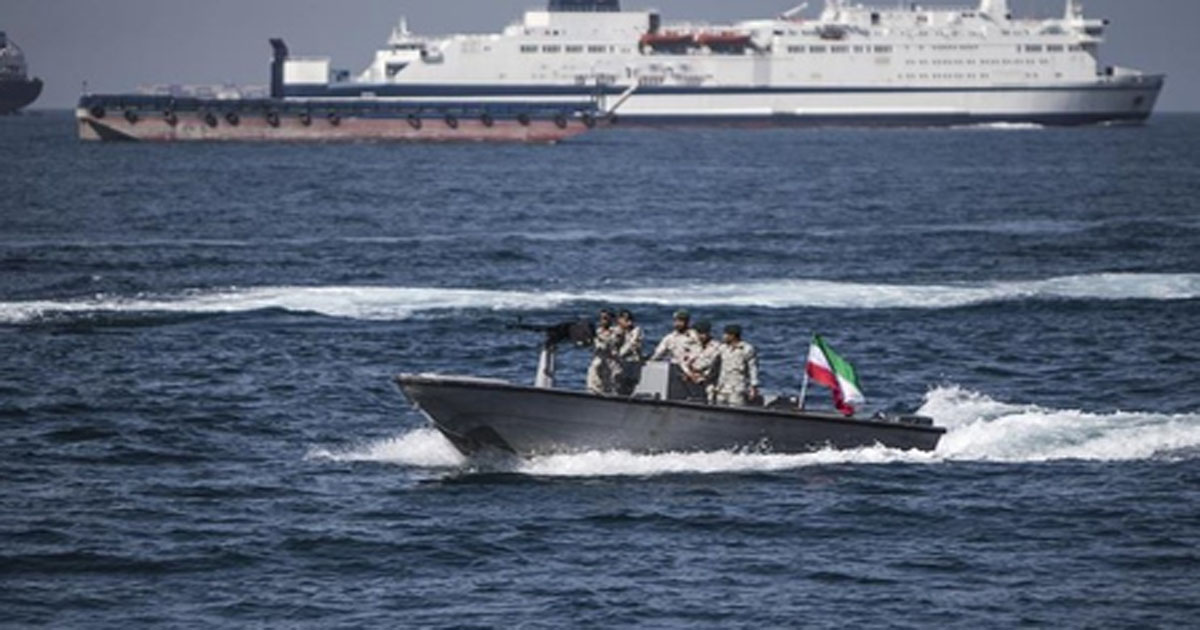
Tehran, March 23: Iran has begun charging certain vessels a transit fee of $2 million (approximately Rs 18.8 crore) to pass through the strategically vital Strait of Hormuz, in what officials describe as a new assertion of control amid its ongoing conflict with the United States and Israel.
Iranian President Masoud Pezeshkian stated on X that the strait remains “open to everyone” — except for Iran’s adversaries — outlining Tehran’s latest stance on access to the crucial maritime route.
The policy has already been implemented, according to Iranian lawmaker Alaeddin Boroujerdi, who spoke to state broadcaster Islamic Republic of Iran Broadcasting (IRIB), as cited by Iran International. Boroujerdi said the move represents a shift toward what he called a new “sovereign regime” governing the waterway.
“Collecting $2 million as transit fees from some vessels crossing the strait reflects Iran’s strength,” Boroujerdi said.
“Now, because war has costs, naturally we must do this and take transit fees from ships passing through the Strait of Hormuz,” he added, claiming the policy demonstrates the Islamic Republic’s “authority.”
Earlier, Iran’s Foreign Ministry said that the Strait of Hormuz is not blocked and navigation continues in the waterway, with necessary measures being taken due to wartime conditions.
In a statement elaborating on Iran’s positions amid ongoing US and Israeli attacks, the ministry said that Iran has always respected the freedom of navigation and maritime security and safety, adding that it has worked to uphold those principles over the years.
The ministry noted that following the US and Israeli military “aggression” against Iran, a dangerous situation has been imposed on the Gulf and the Strait of Hormuz, directly impacting regional shipping safety and security.
Claiming its legitimate right to self-defence against the “aggressors,” Iran has targeted US military bases and facilities in the region while adopting a series of measures to ensure that the “aggressors” and their supporters do not exploit the strait to advance their aggressive goals against the country, it said.
The announcement comes amid heightened tensions following a warning from former US President Donald Trump, who said the United States could strike Iran’s power infrastructure if the strait is not reopened within 48 hours.
Trump stated that if Iran failed to comply, the US would destroy its “various POWER PLANTS, STARTING WITH THE BIGGEST ONE FIRST!”
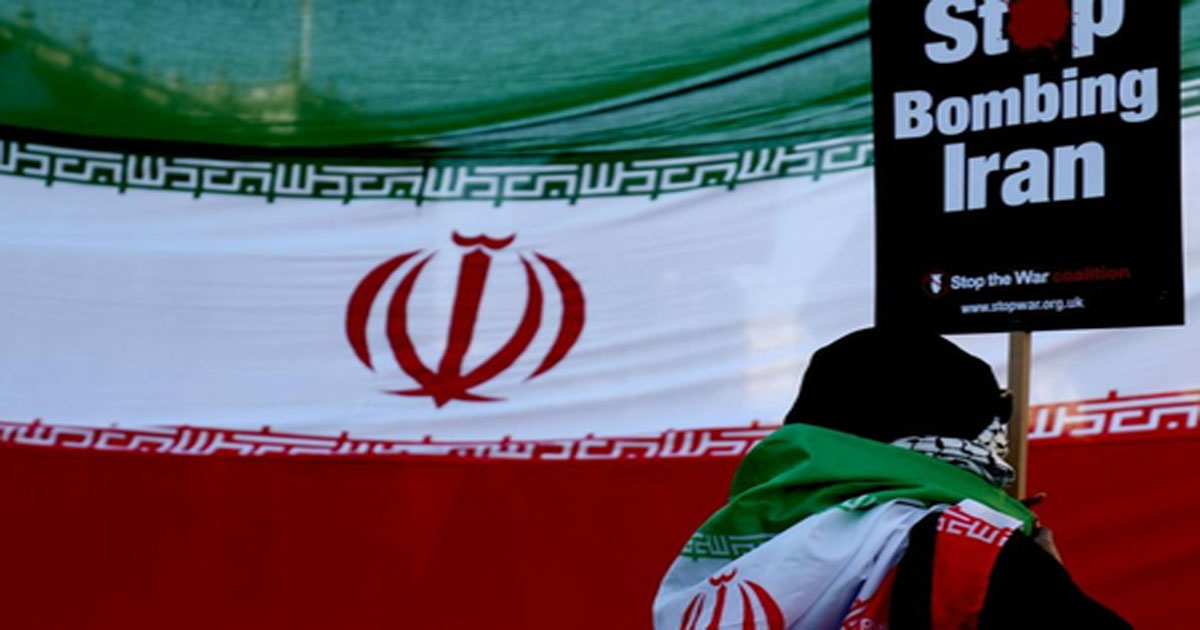
London, March 23: Thousands of protesters took to the streets in London, joining a growing wave of demonstrations across Europe against US and Israeli military strikes on Iran.
In the British capital, a sea of demonstrators marched from Russell Square to Whitehall on Saturday (local time), waving banners and chanting slogans condemning the attacks. Their voices echoed through central London as concerns over the escalating conflict spilt onto the streets.
At a rally later in the day, participants called for an immediate ceasefire and an end to foreign intervention in the Middle East. Mariam, a protester holding a sign reading “Stop the war on Iran,” criticised Washington’s characterisation of the operation as “Epic Fury,” calling it instead an “Epic Failure.”
“No foreign intervention. Hands off the Middle East and stop bombing. People have the right to live in peace. You cannot bomb people to democracy,” she said.
Another protester, Adrian, who had travelled from Birmingham, described the strikes on Iran as “completely outrageous” and “quite frankly exhausting.” He warned that the consequences, including rising oil prices and global insecurity, were already being felt.
The London demonstration formed part of a broader wave of protests across Europe on Saturday, reflecting mounting opposition to the ongoing offensive, reports Xinhua news agency.
In Spain, thousands gathered in Madrid, with authorities estimating around 4,000 participants. Marchers moved from Atocha to Puerta del Sol, carrying signs such as “No to war, no to NATO” and “Spain is not the US.” Leaders from the Podemos party, including Secretary General Ione Belarra and political secretary Irene Montero, joined the rally. Montero called on Spain to withdraw from NATO, highlighting wider criticism of Western military policy in the region.
Elsewhere, protests were reported in multiple European cities. In Lisbon, several hundred people gathered in the rain on March 14 near the US embassy in a demonstration organised by the Portuguese Council for Peace and Cooperation. Backed by more than 70 groups, participants denounced what they described as US and Israeli aggression, chanting “Yes to peace, no to war” and calling for disarmament.
In Bulgaria, hundreds marched in Sofia on March 2, holding signs such as “No war against Iran” and “US military aircraft are not welcome here.” Protesters called for an end to the strikes and demanded the withdrawal of US military aircraft from Bulgarian territory.
Similar demonstrations have also taken place in countries including France and Greece, as the conflict entered its third week.
Amid the public backlash, criticism has also emerged from European analysts. Rob de Wijk, a professor at Leiden University in the Netherlands, described the US actions as “outright blackmail” and warned they could pose risks to European security. He argued that Europe should reduce its reliance on the United States and strengthen its strategic autonomy.

Health facilities provided by Municipal Corporation must be widely publicized and promoted at the local level: Harish Bhaginde

‘Baal Katwa Ke Aao’: Parent’s Viral Video Alleges Mumbai School Stopped Students From Taking Exams Over Haircut Rules

Malegaon: Children’s future in danger under the guise of Bangladeshi Rohingya, Abu Asim demands action against Kirit Somaiya

Chilling Highway SCAM In Maharashtra! Mumbai Man Cornered By Fake Recovery Agents Claiming ₹10 Lakh Dues Near Lonavala

Criminal Case Filed Against Doctors 12 Years After Young Actor’s Death

Married Mumbai Woman Mocked In Andheri Society Over ‘Lift Kissing’ CCTV Video, Files Police Complaint

Mumbai: JBCN International School In Borivali Gets Bomb Threat, Search Reveals Hoax, Students Safe

Mahayoti’s big gift to the people of Mumbai… Now there is no tax for houses up to 500 square feet, the Municipal Corporation has increased this limit to 700 square feet.

Rashmika Mandanna-Vijay Deverakonda Wedding: Virosh Turn Modern Day Prince & Princess For Their Dreamy Sangeet Ceremony

LPG Crisis In Maharashtra: Cyber Crime On Rise Amid Shortage, 2 Women Lose ₹4 Lakh In ‘Gas Update’ Online Scam In Kalyan-Dombivli
-

 Crime4 years ago
Class 10 student jumps to death in Jaipur
-

 Maharashtra1 year ago
Mumbai Local Train Update: Central Railway’s New Timetable Comes Into Effect; Check Full List Of Revised Timings & Stations
-

 Maharashtra1 year ago
Mumbai To Go Toll-Free Tonight! Maharashtra Govt Announces Complete Toll Waiver For Light Motor Vehicles At All 5 Entry Points Of City
-

 Maharashtra1 year ago
False photo of Imtiaz Jaleel’s rally, exposing the fooling conspiracy
-

 National News1 year ago
Ministry of Railways rolls out Special Drive 4.0 with focus on digitisation, cleanliness, inclusiveness and grievance redressal
-

 Maharashtra1 year ago
Maharashtra Elections 2024: Mumbai Metro & BEST Services Extended Till Midnight On Voting Day
-

 National News2 years ago
J&K: 4 Jawans Killed, 28 Injured After Bus Carrying BSF Personnel For Poll Duty Falls Into Gorge In Budgam; Terrifying Visuals Surface
-

 Crime1 year ago
Baba Siddique Murder: Mumbai Police Unable To Get Lawrence Bishnoi Custody Due To Home Ministry Order, Says Report