
International News
OIC urges collective action to prevent disrespect towards Quran

The OIC strongly condemned the burning of the holy Quran in Sweden and called for collective measures to prevent the recurrence of such provocative acts.
The statement came during an extraordinary session of the OIC’s executive committee in Jeddah, Saudi Arabia on Sunday to discuss the consequences of the desecration.
It was issued after the meeting strongly condemned the disrespectful act towards the sanctity of the Quran in Stockholm and expressed disappointment over the authorities allowing it.
The statement included a call for the OIC Secretary-General to send a letter to the Swedish government on behalf of the member countries and to evaluate conducting an official visit to both Sweden and the European Commission to “express the condemnation of the incident of the burning of the Quran and demand necessary measures to prevent the recurrence of that criminal act under the pretext of freedom of expression.”
It also urged OIC member countries to make “collective efforts against vile acts” targeting the Quran and other symbols of Islam, emphasising that exercising freedom of expression also entails responsibilities along with certain rights.
‘Plan of Action for Combating Islamophobia’
The statement called on the international community to stop those who engage in provocative acts against the sacred values of Muslims in the name of freedom of expression and encouraged civil society organisations in countries where actions are taken against Islamic symbols to resort to legal means in response.
It also called for the acceleration of the implementation of the “Plan of Action for Combating Islamophobia” adopted at the 74th Session of the United Nations General Assembly and urged the OIC to continue its fight against Islamophobia at regional and international forums.
The OIC Secretary-General was also invited to review diplomatic ties with countries where “the sanctity of the Quran and other Islamic values, symbols and sanctities are desecrated with the consent of the concerned country, including suspending the status of a special envoy.”
Burning Quran
On Wednesday, a person identified as Salwan Momika burned a copy of the Muslim holy book under police protection in front of Stockholm Mosque.
His provocative act was timed to coincide with Eid al-Adha, one of the major Islamic religious festivals celebrated by Muslims worldwide.
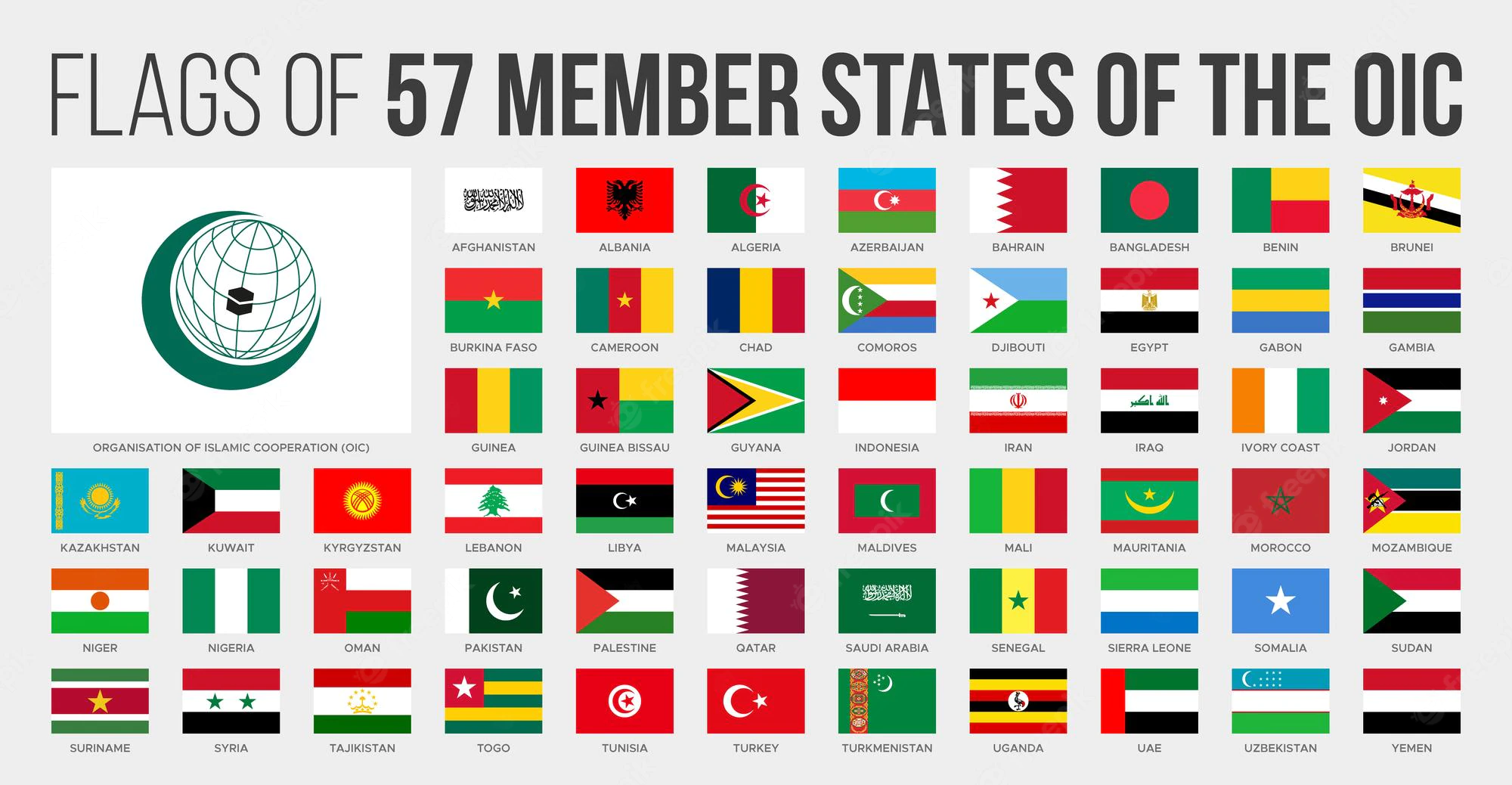
The act has elicited widespread condemnation from the Islamic world, including Türkiye, Jordan, Palestine, Saudi Arabia, Morocco, Iraq, Iran, Pakistan, Senegal, Morocco and Mauritania.
In January, a far-right politician also set fire to a copy of the Quran outside the Turkish embassy in Sweden.

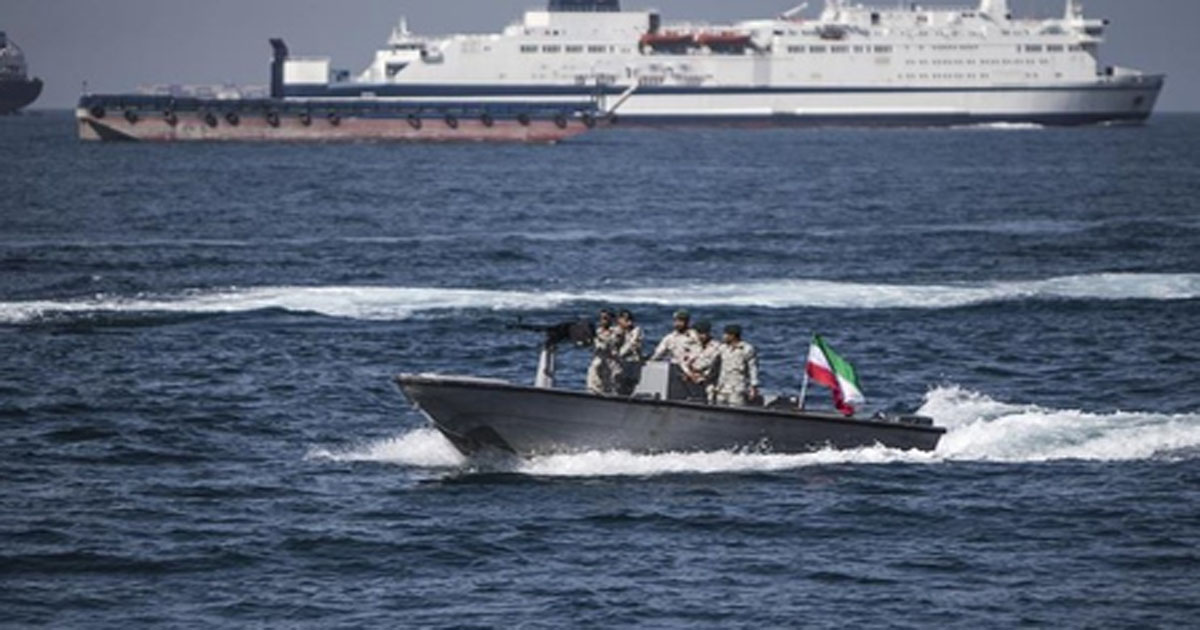
Tehran, March 23: Iran has begun charging certain vessels a transit fee of $2 million (approximately Rs 18.8 crore) to pass through the strategically vital Strait of Hormuz, in what officials describe as a new assertion of control amid its ongoing conflict with the United States and Israel.
Iranian President Masoud Pezeshkian stated on X that the strait remains “open to everyone” — except for Iran’s adversaries — outlining Tehran’s latest stance on access to the crucial maritime route.
The policy has already been implemented, according to Iranian lawmaker Alaeddin Boroujerdi, who spoke to state broadcaster Islamic Republic of Iran Broadcasting (IRIB), as cited by Iran International. Boroujerdi said the move represents a shift toward what he called a new “sovereign regime” governing the waterway.
“Collecting $2 million as transit fees from some vessels crossing the strait reflects Iran’s strength,” Boroujerdi said.
“Now, because war has costs, naturally we must do this and take transit fees from ships passing through the Strait of Hormuz,” he added, claiming the policy demonstrates the Islamic Republic’s “authority.”
Earlier, Iran’s Foreign Ministry said that the Strait of Hormuz is not blocked and navigation continues in the waterway, with necessary measures being taken due to wartime conditions.
In a statement elaborating on Iran’s positions amid ongoing US and Israeli attacks, the ministry said that Iran has always respected the freedom of navigation and maritime security and safety, adding that it has worked to uphold those principles over the years.
The ministry noted that following the US and Israeli military “aggression” against Iran, a dangerous situation has been imposed on the Gulf and the Strait of Hormuz, directly impacting regional shipping safety and security.
Claiming its legitimate right to self-defence against the “aggressors,” Iran has targeted US military bases and facilities in the region while adopting a series of measures to ensure that the “aggressors” and their supporters do not exploit the strait to advance their aggressive goals against the country, it said.
The announcement comes amid heightened tensions following a warning from former US President Donald Trump, who said the United States could strike Iran’s power infrastructure if the strait is not reopened within 48 hours.
Trump stated that if Iran failed to comply, the US would destroy its “various POWER PLANTS, STARTING WITH THE BIGGEST ONE FIRST!”
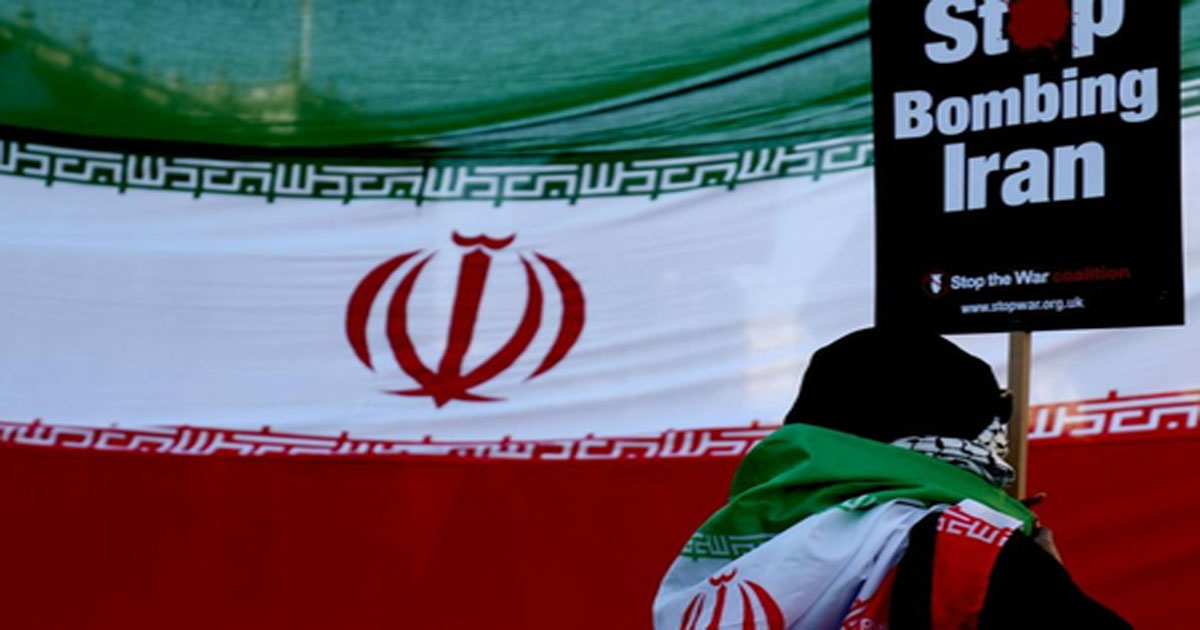
London, March 23: Thousands of protesters took to the streets in London, joining a growing wave of demonstrations across Europe against US and Israeli military strikes on Iran.
In the British capital, a sea of demonstrators marched from Russell Square to Whitehall on Saturday (local time), waving banners and chanting slogans condemning the attacks. Their voices echoed through central London as concerns over the escalating conflict spilt onto the streets.
At a rally later in the day, participants called for an immediate ceasefire and an end to foreign intervention in the Middle East. Mariam, a protester holding a sign reading “Stop the war on Iran,” criticised Washington’s characterisation of the operation as “Epic Fury,” calling it instead an “Epic Failure.”
“No foreign intervention. Hands off the Middle East and stop bombing. People have the right to live in peace. You cannot bomb people to democracy,” she said.
Another protester, Adrian, who had travelled from Birmingham, described the strikes on Iran as “completely outrageous” and “quite frankly exhausting.” He warned that the consequences, including rising oil prices and global insecurity, were already being felt.
The London demonstration formed part of a broader wave of protests across Europe on Saturday, reflecting mounting opposition to the ongoing offensive, reports Xinhua news agency.
In Spain, thousands gathered in Madrid, with authorities estimating around 4,000 participants. Marchers moved from Atocha to Puerta del Sol, carrying signs such as “No to war, no to NATO” and “Spain is not the US.” Leaders from the Podemos party, including Secretary General Ione Belarra and political secretary Irene Montero, joined the rally. Montero called on Spain to withdraw from NATO, highlighting wider criticism of Western military policy in the region.
Elsewhere, protests were reported in multiple European cities. In Lisbon, several hundred people gathered in the rain on March 14 near the US embassy in a demonstration organised by the Portuguese Council for Peace and Cooperation. Backed by more than 70 groups, participants denounced what they described as US and Israeli aggression, chanting “Yes to peace, no to war” and calling for disarmament.
In Bulgaria, hundreds marched in Sofia on March 2, holding signs such as “No war against Iran” and “US military aircraft are not welcome here.” Protesters called for an end to the strikes and demanded the withdrawal of US military aircraft from Bulgarian territory.
Similar demonstrations have also taken place in countries including France and Greece, as the conflict entered its third week.
Amid the public backlash, criticism has also emerged from European analysts. Rob de Wijk, a professor at Leiden University in the Netherlands, described the US actions as “outright blackmail” and warned they could pose risks to European security. He argued that Europe should reduce its reliance on the United States and strengthen its strategic autonomy.
International News
‘Saw People Facing Shortage, Felt Deeply Concerned’, Says Consulate General of Iran In Mumbai Amid LPG Crisis; Calls India ‘Friend & Partner’

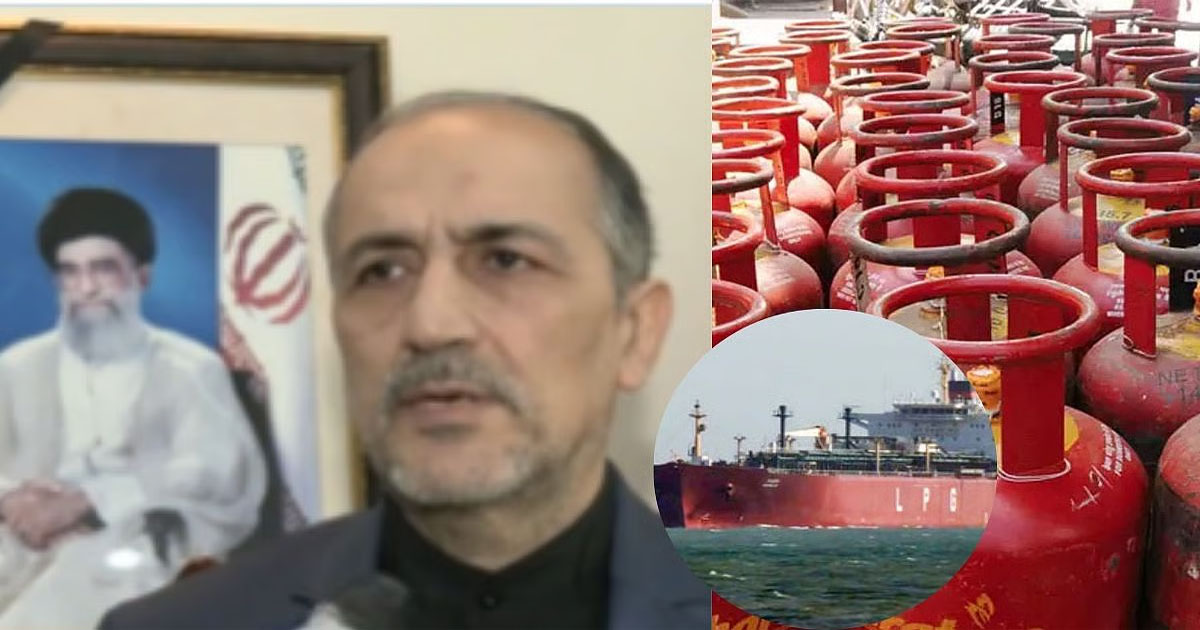
Mumbai: Consulate General of Iran, Saeid Reza Mosayeb Motlagh, on Friday said that Tehran is deeply concerned about India’s LPG crisis. Calling India a “friend and partner,” he added that despite risks in a conflict-like situation, Tehran ensured safe passage for gas carriers to India.
While speaking to media, he said, “The Islamic Republic of Iran has, from the very beginning, shown that it is a friend and partner of India. Personally, as the Consul General of the Islamic Republic of Iran in Mumbai, when I saw people facing a shortage of gas, I felt deeply concerned.”
“As you know, the situation is effectively a war zone, and gas carriers face their own risks; even the smallest impact can lead to serious consequences. However, by the grace of God, Iran was able to provide a safe passage so that these vessels could cross securely. This demonstrates our friendship with India,” he added as quoted by media.
Meanwhile, the Indian-flagged crude oil tanker, Jag Laadki, carrying approximately 80,886 metric tonnes (MT) of crude oil, arrived in Gujarat. Before that, LPG tanker Shivalik, which crossed the war-hit Strait of Hormuz, arrived at Gujarat’s Mundra Port. It roughly carried 40,000 metric tonnes of cooking gas from Qatar. These critical deliveries come at a time when the West Asia conflict caused LPG shortages across India.
India, the world’s third-largest crude importer, sources 88 per cent of its oil needs from abroad. It consumes 5.8 million barrels per day, of which 2.5-2.7 million barrels come from West Asian countries like Saudi Arabia, Iraq, and the UAE via the Strait of Hormuz. The choke point also carries 55 per cent of India’s cooking gas (LPG) and 30 per cent of liquefied natural gas (LNG), used for power, fertilisers, CNG, and household cooking.

₹177-Crore Torres Fraud Case: Accused Traced To Moldova, ED Moves Court For Extradition

Mumbai: Anti-Narcotics Cell takes strict action against drug peddlers, action taken against 6 smugglers so far, several cases registered

Govt working to ensure uninterrupted energy supply; PM Modi says imports rose from 27 to 41 nations

Police misbehave with Shiv Sena leader and minister Shambhuraj Desai in Sitara district, Shiv Sena-BJP face to face in the House

‘Where is Maharashtra headed?’ Raj Thackeray slams political-occult nexus in Ashok Kharat scandal

Married Mumbai Woman Mocked In Andheri Society Over ‘Lift Kissing’ CCTV Video, Files Police Complaint

Mumbai: JBCN International School In Borivali Gets Bomb Threat, Search Reveals Hoax, Students Safe

Mahayoti’s big gift to the people of Mumbai… Now there is no tax for houses up to 500 square feet, the Municipal Corporation has increased this limit to 700 square feet.

Rashmika Mandanna-Vijay Deverakonda Wedding: Virosh Turn Modern Day Prince & Princess For Their Dreamy Sangeet Ceremony

LPG Crisis In Maharashtra: Cyber Crime On Rise Amid Shortage, 2 Women Lose ₹4 Lakh In ‘Gas Update’ Online Scam In Kalyan-Dombivli
-

 Crime4 years ago
Class 10 student jumps to death in Jaipur
-

 Maharashtra1 year ago
Mumbai Local Train Update: Central Railway’s New Timetable Comes Into Effect; Check Full List Of Revised Timings & Stations
-

 Maharashtra1 year ago
Mumbai To Go Toll-Free Tonight! Maharashtra Govt Announces Complete Toll Waiver For Light Motor Vehicles At All 5 Entry Points Of City
-

 Maharashtra1 year ago
False photo of Imtiaz Jaleel’s rally, exposing the fooling conspiracy
-

 National News1 year ago
Ministry of Railways rolls out Special Drive 4.0 with focus on digitisation, cleanliness, inclusiveness and grievance redressal
-

 Maharashtra1 year ago
Maharashtra Elections 2024: Mumbai Metro & BEST Services Extended Till Midnight On Voting Day
-

 National News2 years ago
J&K: 4 Jawans Killed, 28 Injured After Bus Carrying BSF Personnel For Poll Duty Falls Into Gorge In Budgam; Terrifying Visuals Surface
-

 Crime1 year ago
Baba Siddique Murder: Mumbai Police Unable To Get Lawrence Bishnoi Custody Due To Home Ministry Order, Says Report