
Business
New IndiGo MD Rahul Bhatia to focus on expanding airline’s presence

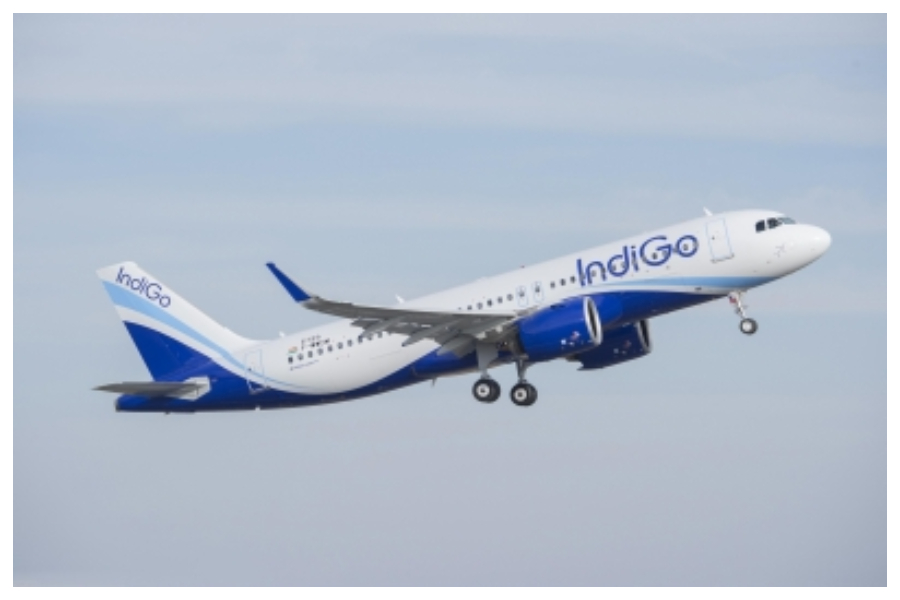
Airline major IndiGo seems to be gearing up for the challenge of greater competition in India’s skies by appointing its co-founder and promoter — Rahul Bhatia — as the Managing Director to focus on expanding the airline’s presence in India and international markets.
The appointment comes at a time when the Tata Group has taken over Air India and a new budget carrier, Akasa Air, is slated to commence operations.
Besides, the development assumes more significance since lesser Covid restrictions are expected to trigger massive demand, not just in the domestic but even in the international market segment.
Notably, the appointment also indicates a truce between the airline’s co-founder and promoters — Rahul Bhatia and Rakesh Gangwal — after a dispute over shareholders agreement.
On Friday, the Board of Directors of InterGlobe Aviation unanimously approved Bhatia’s appointment with immediate effect, “subject to the approval of the Members of the Company”.
On his part, Bhatia stated that his agenda would be transformational and would focus on expanding the airline’s presence in India and in international markets and building for the long term.
According to IndiGo’s Chairman Meleveetil Damodaran, Bhatia would oversee all aspects of the airline, and actively lead the management team.
IndiGo’s CEO Ronojoy Dutta said: “I would describe Rahul as a restless and driven entrepreneur, who is always looking for bigger and improved opportunities in any business or venture. For example, our initiative into Cargo, as well as the entire digitisation in the last couple of years were spearheaded by Rahul.
“We are now entering a new phase in our journey, with more international and long-haul flights. In this evolving and exciting environment, strengthening the thought leadership in the company is a timely and welcome move.”
The appointment announcement was made on the day when IndiGo reported a net profit of Rs 129.8 crore on a year-on-year basis for Q3FY22.
The airline had posted a net loss of Rs 620.1 crore in the year-ago quarter.
Its total income for the quarter ended December 2021 was Rs 9,480.1 crore, representing an increase of 63.5 per cent over the same period last year.
IndiGo’s fleet as of December 31, 2021 comprised 283 aircraft, including 56 A320 CEOs, 140 A320 NEOs, 52 A321 NEOs and 35 ATRs, marking a net increase of 4 aircraft during the quarter.
The airline is operating over 1,500 daily flights and connecting 71 domestic destinations and 24 international destinations.



Mumbai, March 24: Gold and silver prices witnessed a sharp decline on Tuesday, even as hopes of de-escalation in the West Asia conflict weighed on safe-haven demand after the US President announced a temporary pause on potential strikes targeting Iran’s energy infrastructure.
On the Multi Commodity Exchange (MCX), gold futures (April 2) fell as much as Rs 2,576 or around 2 per cent to hit an intra-day low of Rs 1,36,684 per 10 grams by 10:40 am. The yellow metal was last trading at Rs 1,37,100, down Rs 2,160 or 1.5 per cent.
Silver futures (May 5) also plunged 4.73 per cent, or Rs 10,667, to Rs 2,14,500 per kg during the session.
In the global market, COMEX gold was trading at $4,368.76, down 1.6 per cent, after slipping to an intraday low of $4,340.
Meanwhile, COMEX silver declined around 4 per cent to $66.56, after hitting an intraday low of $66.16.
Precious metals came under pressure after the US President said Washington and Tehran had held “very good and productive conversations” over the past two days, adding that any military action on Iranian power plants and energy infrastructure would be deferred for five days, subject to further discussions.
However, Iran’s parliamentary speaker Mohammad-Bagher Ghalibaf denied that any negotiations had taken place, calling such reports “fake news” aimed at influencing financial and oil markets.
According to analysts, COMEX gold is currently trading in the $4,300–$4,380 range after a sharp correction, with the broader trend remaining weak despite intermittent safe-haven support. Immediate resistance is seen at $4,470–$4,500, while a break below $4,250 could trigger further downside toward $4,100 levels.
“MCX gold, which opened gap-down, is holding above Rs 1,36,000 but continues to exhibit a weak recovery within a broader bearish trend. Resistance is placed at Rs 1,39,000–Rs 1,40,000, while a fall below Rs 1,34,000 may extend losses toward Rs 1,30,000,” according to them.
They also said that COMEX silver remains under pressure below the $68–$70 resistance zone, with downside risks toward $64–$61 if support levels fail.
Similarly, MCX silver is trading in the Rs 2,15,000–Rs 2,20,000 range, with a bearish bias unless prices reclaim higher resistance levels, the analysts added.
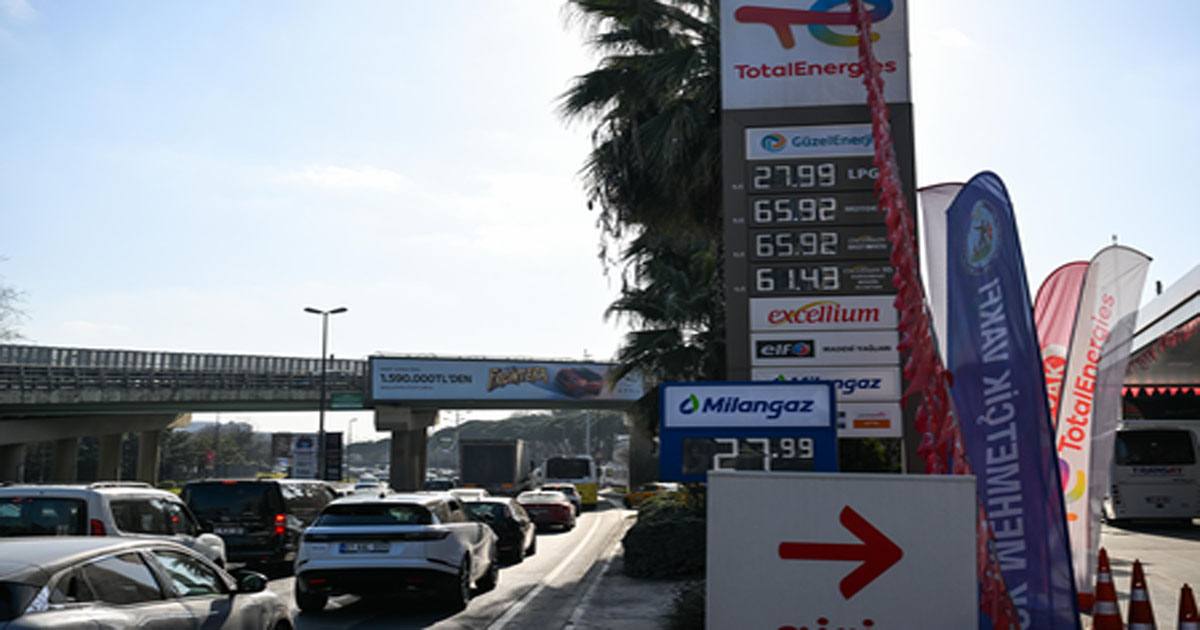
New Delhi, March 23: Over 40 energy assets across nine countries in West Asia have been “severely or very severely” damaged due to the Iran war and no country would be immune to the fallout of the disruption in oil and gas supplies, International Energy Agency (IEA) Executive Director Fatih Birol said in Canberra on Monday.
“The effect of the current disruptions in West Asia is equivalent to the two major oil crises in the 1970s and the 2022 natural gas crisis after Russia invaded Ukraine all put together,” Birol remarked.
Addressing journalists at the Australia’s National Press Club, he said that while the oil crises of the 1970s led to a combined loss of around 10 million barrels per day, the present situation has already resulted in a loss of approximately 11 million barrels per day.
“Not only oil and gas, but some of the vital arteries of the global economy — such as petrochemicals, fertilisers, sulphur and helium — their trade is all interrupted, which will have serious consequences for the global economy,” Birol explained.
The IEA announced in early March that it would release a record 400 million barrels from its emergency oil reserves of its member countries to help ease supply shocks and bring down soaring prices in the aftermath of the war in West Asia.
“The IEA is currently in discussions with governments across Asia and Europe regarding the possible release of additional oil if necessary,” media reports cited Birol as saying.
However, with shipping across the Strait of Hormuz close to a complete standstill due to the war, the only true solution to fuel supply disruptions is the reopening of the major trade route, he pointed out.
He further warned that the global economy faces a ’major threat’ if the crisis continues to escalate.
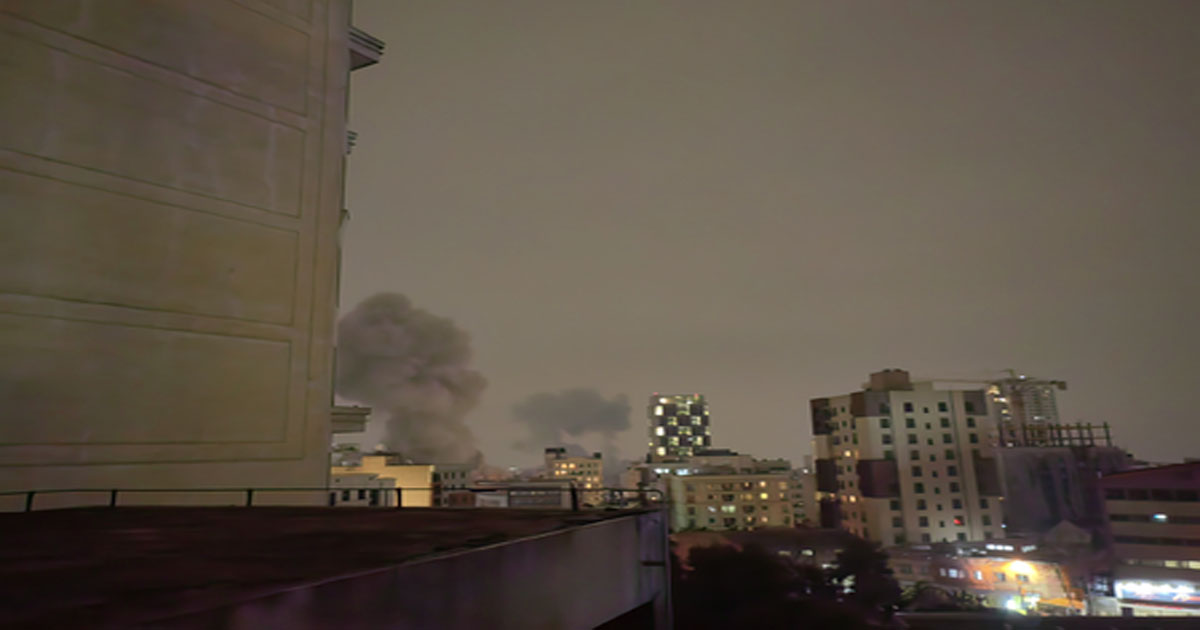
Washington, March 20: Rising costs of the Iran war and its impact on global markets are deepening divisions in Congress, with Republicans and Democrats questioning the scale and purpose of a proposed funding request that could exceed $200 billion, according to multiple US media reports.
The White House is preparing to seek massive new funding for the conflict, even as scepticism grows within President Donald Trump’s own party over the lack of a clear strategy and timeline, CNN reported. Lawmakers say the administration has yet to fully explain how the money will be used or how long the US military engagement could last.
Trump signalled the request could be substantial, arguing the military needs resources to maintain strength. “We want to be in the best shape, the best shape we’ve ever been in,” he said, adding, “It’s a small price to pay to make sure that we stay tippy top.”
But that argument is facing pushback. Some Republicans have openly rejected further spending, reflecting growing unease about what several described as a potential “endless war”.
“I am a no. I have already told leadership. I am a no on any war supplemental. I am so tired of spending money over there,” Representative Lauren Boebert said, according to CNN. “I have folks in Colorado who can’t afford to live. We need America First policies right now.”
Others are demanding detailed answers before committing support. “What are we doing? We’re talking about boots on the ground. We’re talking about that kind of extended activity,” said Representative Chip Roy. “They got a whole lot more briefing and a whole lot more explaining to do on how we’re going to pay for it and what’s the mission here?”
Fiscal conservatives have also questioned whether the proposed funding could expand further. “It begs the question, how long do they plan to be there? What are the goals? Is this the first $200 billion? Does this turn into a trillion?” Representative Thomas Massie said, CNN reported.
The debate comes as the conflict intensifies in the Gulf. US and allied forces have stepped up operations around the Strait of Hormuz, deploying attack aircraft and helicopters to target Iranian naval assets and reopen critical shipping lanes, The Wall Street Journal reported.
“The A-10 Warthog is now engaged across the southern flank, targeting fast-attack watercraft in the Strait of Hormuz,” General Dan Caine said, adding that Apache helicopters “have joined the fight on the southern flank,” according to the Journal.
The escalation has already shaken global energy markets. Oil prices surged sharply as attacks on infrastructure across the region raised fears of supply disruptions, The New York Times reported.
Analysts warned the economic fallout could deepen if hostilities continue. “Energy warfare has been utilised from day one,” said Anna Jacobs, according to The Washington Post, noting that disruptions in the Strait of Hormuz have affected a key global supply route.
At the same time, lawmakers in both parties say they have received limited and incomplete cost assessments, adding to concerns over approving such a large sum. Some Republicans have proposed conditions, including spending offsets or audits of Pentagon finances, before backing any funding bill.
Senate leaders have indicated the path forward remains uncertain. “It remains to be seen” whether the request could pass, Senate Majority Leader John Thune said, according to CNN.
Democrats, meanwhile, remain largely opposed to approving funds under current conditions, further complicating the administration’s efforts to secure congressional backing.
The conflict has also triggered broader policy debates within the administration, including whether easing sanctions on Iranian oil could help stabilise global prices, The Washington Post reported. Officials say such steps could bring additional supply to the market, though analysts warn it could also strengthen Iran financially during the war.

Rumours Debunked: Palghar District Administration Clarifies No Shortage Of Petrol And Diesel Despite Prevailing Global Tensions

Abu Asim Azmi expresses concern over incidents of hate speech-related crimes in Maharashtra, demands strict action in the House of Assembly

Black magic was performed at Ajit Pawar’s house, Rohit Pawar’s sensational summary, demand for investigation

Amin Patel strongly demands that the Kamatipura Rehabilitation project be completed as soon as possible, and assures to start the work.

Impostor Baba Ashok Kharat declared as incarnation of Shankar, Chief Minister Fadnavis claims in the Assembly, details presented

Married Mumbai Woman Mocked In Andheri Society Over ‘Lift Kissing’ CCTV Video, Files Police Complaint

Mumbai: JBCN International School In Borivali Gets Bomb Threat, Search Reveals Hoax, Students Safe

Mahayoti’s big gift to the people of Mumbai… Now there is no tax for houses up to 500 square feet, the Municipal Corporation has increased this limit to 700 square feet.

LPG Crisis In Maharashtra: Cyber Crime On Rise Amid Shortage, 2 Women Lose ₹4 Lakh In ‘Gas Update’ Online Scam In Kalyan-Dombivli

Rashmika Mandanna-Vijay Deverakonda Wedding: Virosh Turn Modern Day Prince & Princess For Their Dreamy Sangeet Ceremony
-

 Crime4 years ago
Class 10 student jumps to death in Jaipur
-

 Maharashtra1 year ago
Mumbai Local Train Update: Central Railway’s New Timetable Comes Into Effect; Check Full List Of Revised Timings & Stations
-

 Maharashtra1 year ago
Mumbai To Go Toll-Free Tonight! Maharashtra Govt Announces Complete Toll Waiver For Light Motor Vehicles At All 5 Entry Points Of City
-

 Maharashtra1 year ago
False photo of Imtiaz Jaleel’s rally, exposing the fooling conspiracy
-

 National News1 year ago
Ministry of Railways rolls out Special Drive 4.0 with focus on digitisation, cleanliness, inclusiveness and grievance redressal
-

 Maharashtra1 year ago
Maharashtra Elections 2024: Mumbai Metro & BEST Services Extended Till Midnight On Voting Day
-

 National News2 years ago
J&K: 4 Jawans Killed, 28 Injured After Bus Carrying BSF Personnel For Poll Duty Falls Into Gorge In Budgam; Terrifying Visuals Surface
-

 Crime1 year ago
Baba Siddique Murder: Mumbai Police Unable To Get Lawrence Bishnoi Custody Due To Home Ministry Order, Says Report