
Business
Myntra sells record-breaking 50 lakh products on Day 1 of EORS-16

Myntra, one of India’s leading fashion, beauty and lifestyle destinations, on Monday said that the 16th edition of its flagship EORS-16 (End of Reason Sale) witnessed over 70 per cent growth in traffic over business as usual (BAU) on Day One.
India shopped a record-breaking 50 lakh products in the first 24 hours of Myntra’s EORS sale that is being held from June 11-16.
On Day One, 2.6 million items were shipped within the first 24 hours of the event.
“The upwardly-mobile fashion-forward consumers have once again welcomed EORS with a hearty opening, purchasing ~50 lakh products within the first 24 hours to cater to their fashion and beauty needs,” said Nandita Sinha, CEO, Myntra.
“It’s also very encouraging to see women forming 60 per cent of the shopper base and some of the tier-3 towns emerging as high traction customer hubs on day 1 of this edition. As the event unfolds itself in the next few days, we are excited to serve millions of customers with our tech-pivoted delightful shopping experience,” Sinha added.
Women’s western wear category saw demand for 14 lakhs tops and t-shirts and 7.6 lakhs kurtas on Day One.
Nearly two-thirds of the demand in �Beauty and Personal Care’ was led by makeup, skincare and fragrances, with over 100,000 lipsticks shopped by customers.
Jewellery witnessed over 2 times jump over BAU with workwear jewellery driving the demand.
In the menswear category, jeans have seen the highest spike of 10 times over BAU with similar high demand for t-shirts and shirts at 8 times over BAU.
With the resurgence of focus on fitness, customers made the most of the sharp value offers by renowned brands such as Puma, Nike, Adidas, Skechers and HRX, among others.
Sportswear trended on Day One with 1.7 times spike over BAU. Sports apparel for plus sizes and yoga also saw heightened traction on the first day, the company informed.
Kidswear, one of the fast-emerging categories on Myntra, witnessed a whopping 3 times jump over BAU, with summer essentials such as t-shirts and shorts, and footwear driving the demand.
Myntra recorded the highest number of app installs to date at an unprecedented 4.5 million during the pre-buzz period.
Nearly 51 per cent of the Day One customers who made their first purchase on Myntra were from tier 2/3 cities, further consolidating Myntra’s hold beyond metros and big cities.
The traffic on the platform built-up to a record of 8 million during the �Early Access’ period of the six-day fashion extravaganza.
About 1.2 lakh products were ordered during the first 10 minutes as customers rushed to make the most of the midnight opening
On Day One, Delhi shopped the most among metros, with Bengaluru, Mumbai and Hyderabad being some of the other leading metros driving demand.
Among the top non-metro cities that shopped during this period were Jaipur, Lucknow, Patna, Indore, Surat, Vizag and Ludhiana.
Top tier-3 cities included Dehradun and Aizawl, while the emerging tier-3 cities included Dimapur (Nagaland), Tiruvallur (Tamil Nadu), Roopnagar (Punjab) and Jabalpur (MP).
Myntra’s country-wide network of 21,000 Kirana store partners (MENSA network) is catering to over 19,000 pin codes and will be fulfilling 85 per cent of the deliveries and providing crucial support to the last mile delivery process during the event.
Myntra said it has created about 27,500 third-party employment opportunities through its partners to cater to the expected surge in demand.
As a part of its omni-channel integration, the platform is enabling over 300 brands across more than 3,800 stores to offer customers a seamless shopping experience.


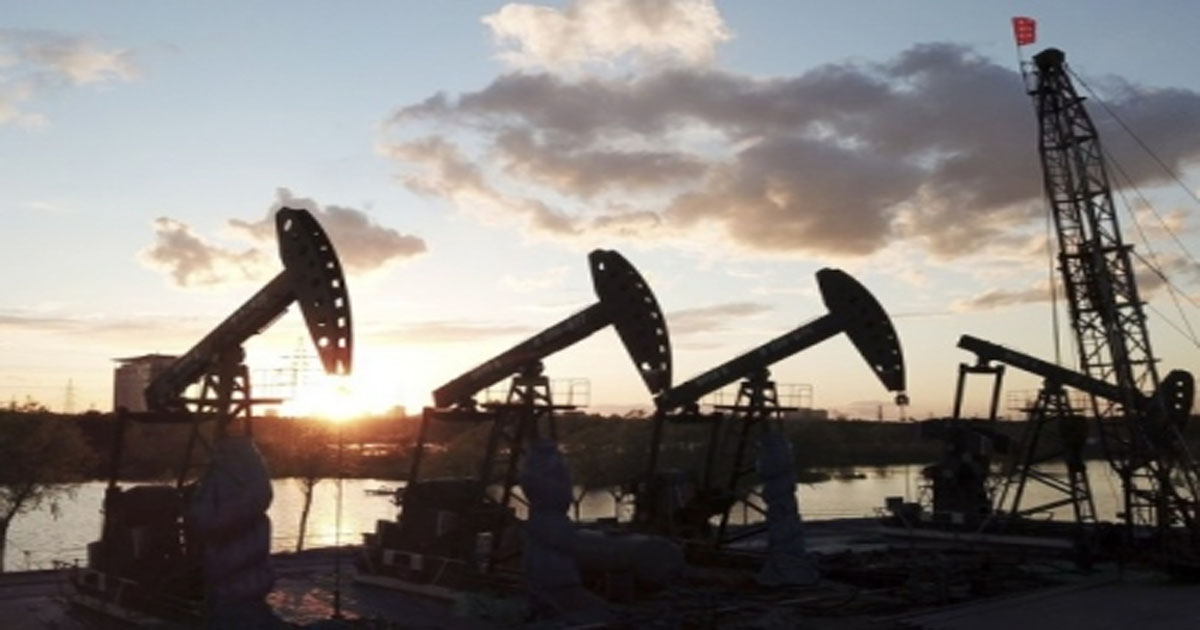
New Delhi, May 3: Amid the ongoing West Asia conflict, OPEC+ countries have agreed in principle to raise oil output targets in June.
Multiple reports say that seven OPEC+ countries have agreed to raise oil output targets by about 188,000 barrels per day next month. The output hike would rather be largely symbolic until Strait of Hormuz reopens.
This will be the third consecutive monthly increase amid the geopolitical crisis and the departure of the UAE from the group.
With the UAE leaving, OPEC+ includes 21 members, including Iran.
However, only the seven nations (and the UAE) have been involved in monthly production decisions. Iran, also an OPEC+ member, has seen its own exports dwindle amid the blockade.
Crude oil output from all OPEC+ members averaged 35.06 million bpd in March, down 7.70 million bpd from February.
Last week, the UAE announced it was leaving the OPEC and OPEC+ cartels in what is seen as a major setback to the group of oil-exporting countries led by Saudi Arabia. The UAE said the decision reflected its “long-term strategic and economic vision and evolving energy profile”.
The exit of the UAE is expected to weaken the oil cartel at a time when the Persian Gulf countries have taken a huge hit to their exports due to the closure of the Strait of Hormuz by an embattled Iran. The UAE accounts for around 15 per cent of the OPEC oil exports.
Reports also surfaced that Kuwait exported zero barrels of crude oil in April, a situation not seen since the 1991 Iraqi occupation, due to blockade of the Strait of Hormuz.
Kuwait Petroleum Corp declared force majeure, impacting around 2 million barrels per day. The blockade has led to a complete disruption in Kuwaiti exports.
Meanwhile, oil prices dropped after reports said Iran proposed fresh talks with the United States using Pakistan as a mediator.
West Texas Intermediate fell more than five per cent and dropped below $100 per barrel. It later recovered to $101.7.
Brent crude also fell more than three per cent to $106.98 before rising again to $108.4.

New Delhi, Gold prices dipped 0.81 per cent during the week as negotiations between the United States and Iran stalled, denting hopes for near‑term interest‑rate cuts.
On Friday, MCX gold June futures gained 0.01 per cent while MCX silver May futures inched up 0.49 per cent. Currently, gold futures stand at Rs 1,51,363, while silver futures stand at Rs 2,47,500 per kg.
The price of 10 grams of 24-carat gold was at Rs 1,50,263 on Thursday, down from Rs 1,51,495 seen on Monday market opening, according to data published by the India Bullion and Jewellers Association (IBJA).
In international markets, bullion dropped as much as 1.2 per cent on Friday after gaining 1.5 per cent in the previous session, weighed down by rising energy costs and firmer Treasury yields. Gold has fallen nearly 14 per cent since the US-Iran conflict began on February 28, 2026, traders said.
The Iranian administration maintained that the US blockade would have to end before the Strait of Hormuz could be reopened, according to multiple media reports. Iranian state media said that Tehran had delivered a fresh proposal for talks to Pakistani mediators, but both sides signalled they were waiting for the other to make the first move.
“While diplomatic engagements remained active, the absence of a decisive breakthrough kept the geopolitical risk premium firmly embedded in prices,” an analyst said.
US inflation data showed the headline PCE price index at 3.5 per cent in March, at its highest level in nearly three years, reinforcing the view that policy rates may stay higher for longer.
Analysts said that rising energy prices could lead to central banks maintaining interest rates higher for longer, which would pressure non-yielding assets like gold.
Crude oil traded with heightened volatility through the week but retained a firm undertone, holding near elevated levels as concerns around potential supply disruptions persisted. The market continues to price in risks to global oil flows, limiting meaningful downside and providing support on dips.
Precious metals entered a phase of corrective consolidation following their recent safe-haven rally, analysts said.
Gold and silver witnessed intermittent profit booking at higher levels through the week, while selective buying interest emerged near key support zones. Safe-haven demand has eased marginally but continues to lend support on declines amid lingering uncertainty.
COMEX gold traded near the $4,620–$4,650 zone, and a major resistance is seen at the $4,700–$4,760 levels. Overall, the trend remains constructive with a cautious near-term bias, with strength dependent on a breakout above resistance.
COMEX Silver is currently trading above $76, and the broader trend remains constructive but with a cautious near-term bias, market participants said.
New Delhi, Crude oil prices rose on Friday as efforts to resolve the Iran crisis reached a stalemate, with Tehran continuing to block the Strait of Hormuz and Washington restricting Iranian crude exports.
Brent futures for July on Intercontinental Exchange gained $0.81, or 0.73 per cent, to $111.21 a barrel, while West Texas Intermediate rose 31 cents, or 0.30 per cent, to $105.37. Both benchmarks have posted gains for four consecutive months, analysts noted.
Brent crude oil had crossed $120 per barrel for the first time in 4 years, heightening inflation concerns and putting pressure on global markets.
Market participants flagged new supply concerns after Brent’s June contract, which expired on Thursday, hit $126.41 a barrel, its highest level since March 2022.
British and European central banks cautioned about rising inflation, while the United States is working towards a coalition of allied countries and shipping companies to ensure secure transit through Hormuz.
A ceasefire though in effect since April 8 felt shaky, as on Thursday evening, Iranian Foreign Ministry spokesperson Esmaeil Baghaei said it was unrealistic to expect quick outcomes from negotiations with the US, according to multiple reports.
Fed Chair Jerome Powell has warned that rising oil prices due to the Middle East conflict are boosting inflation and complicating policy. Asia faces greater economic risks from the energy shock, he added.
The price of a 19-kg commercial LPG cylinder has been increased by Rs 993, starting Friday, and after the revision, a 19-kg cylinder will now cost Rs 3,071.5 in Delhi.
However, there has been no change in the price of domestic LPG cylinders for 33 crore users, the Indian Oil Corporation (IOC) said in a statement.
This is the third time that the price of a 19-kg commercial LPG cylinder has been increased since February 28, when the US-Israel and Iran war began.

Mumbai Traffic Alert! Bike Skids On Western Express Highway Near Airport Due to Oil Spill, Heavy Jam Reported

OPEC+ agrees to oil output quota hike amid Hormuz blockade, Kuwait oil exports zero

Mumbai Mayor Ritu Tawde Inspects Road Concretisation And Desilting Works; Sets 8.28 Lakh Tonne Monsoon Target

Iran condemns Trump’s ‘brazen’ remarks about seizure of Iranian vessels

Nasrapur Rape & Murder: ‘What Was Habitual Offender Doing On Streets?’ – Home Dept, Pune Police, Judiciary In Line Of Fire

‘Son Falsely Implicated, We Are Well-Educated’: Father Of Accused Tausif Attar Defends Son After Skullcap, Namaz Coercion Allegations Rock TCS Nashik

Mumbai: Pan-India Hawala Trail Exposes Chilling Conspiracy Behind Rohit Shetty House Firing Case

Asha Bhosle’s son says last respects to be paid at residence in Lower Parel, followed by last rites at Shivaji Park

Mumbai: 15th arrest in Rohit Shetty shooting case, shooter identified, arrested, more arrests possible

Crude oil prices tank up to 20 pc over Iran ceasefire announcement
-

 Crime4 years ago
Class 10 student jumps to death in Jaipur
-

 Maharashtra2 years ago
Mumbai Local Train Update: Central Railway’s New Timetable Comes Into Effect; Check Full List Of Revised Timings & Stations
-

 Maharashtra2 years ago
Mumbai To Go Toll-Free Tonight! Maharashtra Govt Announces Complete Toll Waiver For Light Motor Vehicles At All 5 Entry Points Of City
-

 Maharashtra2 years ago
False photo of Imtiaz Jaleel’s rally, exposing the fooling conspiracy
-

 National News2 years ago
Ministry of Railways rolls out Special Drive 4.0 with focus on digitisation, cleanliness, inclusiveness and grievance redressal
-

 Maharashtra1 year ago
Maharashtra Elections 2024: Mumbai Metro & BEST Services Extended Till Midnight On Voting Day
-

 National News2 years ago
J&K: 4 Jawans Killed, 28 Injured After Bus Carrying BSF Personnel For Poll Duty Falls Into Gorge In Budgam; Terrifying Visuals Surface
-

 Crime2 years ago
Baba Siddique Murder: Mumbai Police Unable To Get Lawrence Bishnoi Custody Due To Home Ministry Order, Says Report