
National News
Mumbai Flood Mitigation: Mahul Pumping Station Cost Escalates To ₹605 Crore Due To Land Acquisition Delays


Mumbai: Prolonged delays in land acquisition for the Mahul pumping station have resulted in a cost escalation of Rs 202 crores. Initially estimated at Rs 403 crores, the project’s revised cost has now soared to Rs 605.28 crores.
The Mahul pumping station is one of the eight pumping stations recommended as part of the flood-mitigation measures proposed by the Chitale Committee following the devastating 2005 Mumbai floods.
As per the Chitale Committee’s recommendations, the Irla pumping station in Juhu was the first to be commissioned in 2010, followed by the Haji Ali, Cleveland, Lovegrove (Worli), Reay Road–Britannia, and Gajdharbandh (Khar Danda) pumping stations.
However, the BMC has continued to face persistent challenges in acquiring land for two critical projects — the Mahul and Mogra pumping stations. Despite repeated efforts, the BMC faced setbacks in acquiring 6.17 acres of land at Wadala for the pumping station, due to delayed coordination with the Salt Commissioner, who controls much of the required land, civic sources said.
“At present, the land is being used for salt production by M/s Hormuz Salt Works, and therefore remains under their possession. To acquire this land, the BMC has initiated negotiations with them. The process of providing compensation to both the land occupants and the Salt Commissioner has already begun, and we expect to take possession of the land shortly,” said a senior civic official. The contract for the project has been awarded to M/s Laxmi-Avighna-Villo (JV).
The firm had initially quoted Rs 462 crore, which was 10.93% higher than the BMC’s estimated cost. Since the quote was first submitted in 2018, it has been revised to reflect current rates and taxes. The updated cost of the pumping station now stands at Rs 605 crore.
“The revised estimate also includes seven years of maintenance, higher fuel costs, and additional pumps,” said a senior civic official.
The Mahul pumping station is expected to reduce waterlogging in low-lying areas such as Kurla, Sion, Matunga, and Chembur. During high tide, floodgates are closed to prevent seawater from entering the city. Pumping stations like Mahul play a crucial role by pumping stormwater from the drains and discharging it into the sea.

National News
BMC Polls 2026: MNCDF Releases 30-Point Citizen Charter, Calls For Accountable Civic Governance

With the BMC elections nearing, the Mumbai North Central District Forum (MNCDF) has released a Citizen Charter aimed at candidates contesting the polls. The charter outlines a 30-point roadmap demanding a decisive shift from “PR gimmicks” to a transparent, technology-driven and accountable civic administration.
A key demand is a complete overhaul of the BMC’s social media-based grievance mechanism. The forum insisted that existing PR agency agreements be reworked to include time-bound resolutions and independent citizen oversight, alleging that earlier contracts diluted accountability.
The charter proposed the creation of a secure, multilingual portal to allow anonymous whistleblower complaints, along with mandatory monthly review meetings at the BMC headquarters. To ensure effectiveness, it called for annual independent audits of grievance redressal systems across all civic departments.
A significant portion of the charter focused on “pedestrian-first” urban planning. Key demands included the creation of dedicated pedestrian zones, implementation of universal accessibility standards, and high-visibility road markings across the city.
Taking a strong stand on encroachments, the forum called for criminal action against illegal hawkers and the relocation of “Aarey milk centres,” alleging that many have been converted into illegal food stalls. It also suggested mandating joint meetings between resident welfare associations and utility departments before any road is concretised, to address recurring road damage.
In the healthcare sector, the MNCDF demanded mandatory annual hygiene and staffing audits in civic hospitals, along with the establishment of mental health counselling centres. Environmental recommendations included real-time, ward-wise air quality index (AQI) monitoring and strict enforcement of noise mitigation norms at construction sites.
Trivankumar Karnani, founder of the MNCDF Citizen Welfare Forum, said the charter reflected collective public demands. “This Citizen Charter is not just a list of demands; it is the collective voice of Mumbai’s citizens insisting on dignity, safety and accountability in civic governance. We call upon every candidate in the upcoming BMC elections to endorse these commitments and prove that public service is about responsibility, not rhetoric,” he said.
Crime
Mumbai: Khar Family Alleges PAN Misuse After Karnataka GST Slaps ₹47.36 Lakh Dues Notices, Accounts Frozen And FIR Registered

Mumbai: Ramakant Gore, 45, a resident of Khar West who works as a recovery agent with a reputed bank, was shocked after receiving notices in the names of his wife and daughter from the Karnataka GST department, demanding payment of outstanding dues amounting to Rs. 47.36 lakh. The Gore family claims they have never conducted any business in Karnataka and suspects that their PAN card details were misused to register fake firms. Following a complaint, the Khar police registered an FIR on December 31.
According to the FIR, a GST arrears notice dated January 19, 2024, was received in the name of the complainant’s wife, Savita Gore, under the firm name M/s Gore Traders. Subsequently, on February 26, 2024, action was initiated against her SBI bank account due to the pending dues, leading to the freezing of her fixed deposit of Rs.6 lakh along with the remaining account balance. After the Gore family approached the Karnataka GST office, the account was later defrozen.
However, in September 2024, another notice was received in the names of M/s Vasant Traders and M/s Gore Traders. The notice bore Savita Gore’s purported signature, following which the account was once again frozen by the Karnataka GST department. In November 2025, the bank account of their daughter, Dhanashree Gore, was also frozen, and in December 2025, the family received a summons from the Income Tax Department. The Gore family has since submitted all relevant documents to the Income Tax authorities.
The family has alleged that neither they nor any of their family members have ever started or operated any business under the names Gore Traders or Vasant Traders. They claim that unknown persons misused their PAN card details to fraudulently register fake companies in Bengaluru. The family stated that they are undergoing severe financial and mental distress due to the incident and have demanded a thorough investigation and strict action against those responsible.
Based on the complaint, the Khar police have registered an FIR against an unidentified person under Section 318(4) (cheating) and other relevant provisions of the Bharatiya Nyaya Sanhita (BNS), along with sections of the Information Technology Act.
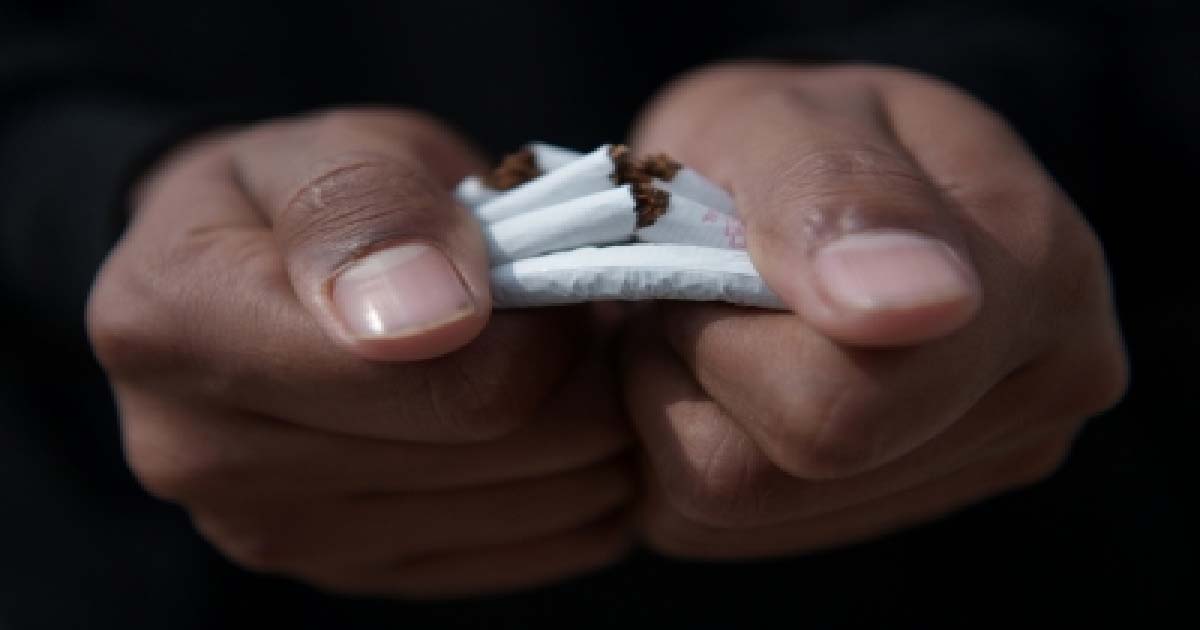
New Delhi, Jan 2: The Federation of All India Farmer Associations (FAIFA) on Friday urged the government to roll back the notified excise rates on tobacco products and revise them to revenue-neutral rates, to disincentivise smuggling, and support domestic agriculture.
A stable taxation framework, FAIFA noted in a statement, is necessary to sustain farmer incomes, protect employment across the value chain, and align economic policy with long-term public health goals.
The Ministry of Finance notification ‘Chewing Tobacco, Jarda Scented Tobacco and Gutkha Packing Machines (Capacity Determination and Collection of Duty) Rules, 2026’ has imposed an excise duty of Rs 2,050-Rs 8,500 per 1,000 sticks, depending on cigarette length, effective February 1.
FAIFA said such a steep hike in taxes would force domestic manufacturers to raise prices of finished goods, which will lead to a drop in sales, hurting farmers supplies in return. This could cause a glut in the tobacco crop market in the near term, it added.
“While announcing GST 2.0 on September 4, 2025, Government had assured that in the case of tobacco products, GST would be charged at 40 per cent of the retail sales price, while the overall incidence of tax would be kept unchanged,” said Murali Babu, President, FAIFA.
He further added that the farming community across India has been holding on to this assurance of revenue neutrality and had welcomed the government’s decision to rationalise GST by restructuring rates and doing away with the 12 per cent slab, which helped reduce prices.
Appealing to the government, FAIFA leaders stressed that India’s legal cigarette prices are already among the least affordable globally when measured against per capita income, as reflected in World Health Organization’s (WHO) affordability index.
Current steep increase will render legal products unaffordable to a huge section of consumers, accelerating consumer migration to illegal channels, it argued. FAIFA appealed to the government to ensure that taxation policies do not punish those who have always remained within the law.

BMC Polls 2026: MNCDF Releases 30-Point Citizen Charter, Calls For Accountable Civic Governance

Mumbai: Khar Family Alleges PAN Misuse After Karnataka GST Slaps ₹47.36 Lakh Dues Notices, Accounts Frozen And FIR Registered

FAIFA urges government to roll back steep tax hike on tobacco products

Sensex, Nifty post mild gains as auto, metal stocks lead rally

New Year Crackdown Pays Off As Mumbai Records 37% Fall In Drunk-Driving Cases

Sensex, Nifty open lower amid weak global cues

Mukesh Ambani, Shiv Sena UBT Chief Uddhav Thackeray & Son Aaditya Share Warm Greetings At Mumbai’s Swadesh Event

Lionel Messi’s G.O.A.T India Tour: Football Legend To Arrive On December 14 In Mumbai; CM Devendra Fadnavis Shares Excitement On X

Mumbai Crime: Father–Son Real Estate Duo Booked For ₹31.26-Crore Investment Fraud In Jogeshwari Redevelopment Project

Mamata Banerjee announces judicial committee to probe chaos at Salt Lake Stadium over Lionel Messi’s visit
-

 Crime3 years ago
Class 10 student jumps to death in Jaipur
-
 Maharashtra1 year ago
Mumbai Local Train Update: Central Railway’s New Timetable Comes Into Effect; Check Full List Of Revised Timings & Stations
-
 Maharashtra1 year ago
Mumbai To Go Toll-Free Tonight! Maharashtra Govt Announces Complete Toll Waiver For Light Motor Vehicles At All 5 Entry Points Of City
-
 Maharashtra1 year ago
False photo of Imtiaz Jaleel’s rally, exposing the fooling conspiracy
-
 National News1 year ago
Ministry of Railways rolls out Special Drive 4.0 with focus on digitisation, cleanliness, inclusiveness and grievance redressal
-
 Maharashtra1 year ago
Maharashtra Elections 2024: Mumbai Metro & BEST Services Extended Till Midnight On Voting Day
-

 National News1 year ago
J&K: 4 Jawans Killed, 28 Injured After Bus Carrying BSF Personnel For Poll Duty Falls Into Gorge In Budgam; Terrifying Visuals Surface
-

 Crime1 year ago
Baba Siddique Murder: Mumbai Police Unable To Get Lawrence Bishnoi Custody Due To Home Ministry Order, Says Report