
International News
Modi, Biden launch ‘new chapter’ in India-US ties to face tough challenges


“We’re launching a new chapter in the history of US-Indian ties and taking on some of the toughest challenges we face together,” President Joe Biden said on Friday as he and Prime Minister Narendra Modi began their summit in a fast-changing world throwing up problems and new issues at dizzying speeds.
After their meeting, Modi tweeted: “Had an outstanding meeting with @POTUS @JoeBiden. His leadership on critical global issues is commendable. We discussed how India and USA will further scale-up cooperation in different spheres and work together to overcome key challenges like COVID-19 and climate change.”
Speaking before the formal start of their meeting, Modi told Biden: “I find that under your leadership, the seeds have been sown for the Indo-US relations to expand, and for all democratic countries in the world, this is going to be a transformative period. I can see that very clearly.”
The shared democratic values of the two countries was a thread weaving them together.
“Democratic values, traditions to which both countries are committed, I find that importance of these traditions will only increase further,” Modi said.
Biden said: “Our partnership is more than just what we do. It’s about who we are. It’s rooted in our shared responsibility to uphold democratic values, our joint commitment to diversity.”
Both leaders spoke of the Indian diaspora, another factor that is binding the two nations together.
India-US relations are “about family ties, including four million Indian-Americans who make the United States stronger every single day”, Biden said.
Modi said: “You mentioned, there are more than four million Indian Americans who are participating in the journey of progress of America. When I look at the importance of this decade, and the role that is going to be played by this talent of the Indian Americans, I find that the people-to-people talent will play a greater role and Indian talent will be a full partner in this relationship. And I see that your contribution is going to be very important in this.”
The two leaders mentioned Gandhi Jayanti that comes up next week. “As the world celebrates Mahatma Gandhi’s birthday next week, we’re all reminded that his message of nonviolence, respect, tolerance matters today maybe more than it ever has,” Biden said.
“Mahatma Gandhi always used to talk about the principle of trusteeship, trusteeship of the planet,” Modi said turning to environment, a subject dear to Biden.
“It means that the planet that we have, we have to bequeath it to the following generations, and this sentiment of trusteeship is going to assume more and more importance globally, but also between the relations between India and the United States, and it is these ideals that Mahatma Gandhi espoused,” he said. “The responsibility of global citizens is only going to go up.”
Biden referred to the Quad summit where they will be joined by Prime Ministers Yoshihide Suga of Japan and Scott Morrison of Australia, and said: “The Prime Minister and I are going to be talking today about what more we can do to fight Covid-19, take on the climate challenges that the world face, and ensure stability in the Indo-Pacific, including with our own Quad partners.”
Modi profusely thanked Biden for his efforts to continue building relations with India and recalled that their meeting in 2014 while Biden was Vice President and discussed the ties between the two countries.
He said: “You had laid out a vision for India-US relationship in great detail. And really, that was a vision that was inspirational. And today, Mr. President, as President, you are making all efforts and taking initiatives to implement that vision.”
“I see is that this is the third decade of the 21st century, this is the first year of the third decade. And I see that when I look at the entire decade, I find that under your leadership the seeds have been sown for the Indo-US relations to expand,” Modi said.


International News
‘Saw People Facing Shortage, Felt Deeply Concerned’, Says Consulate General of Iran In Mumbai Amid LPG Crisis; Calls India ‘Friend & Partner’

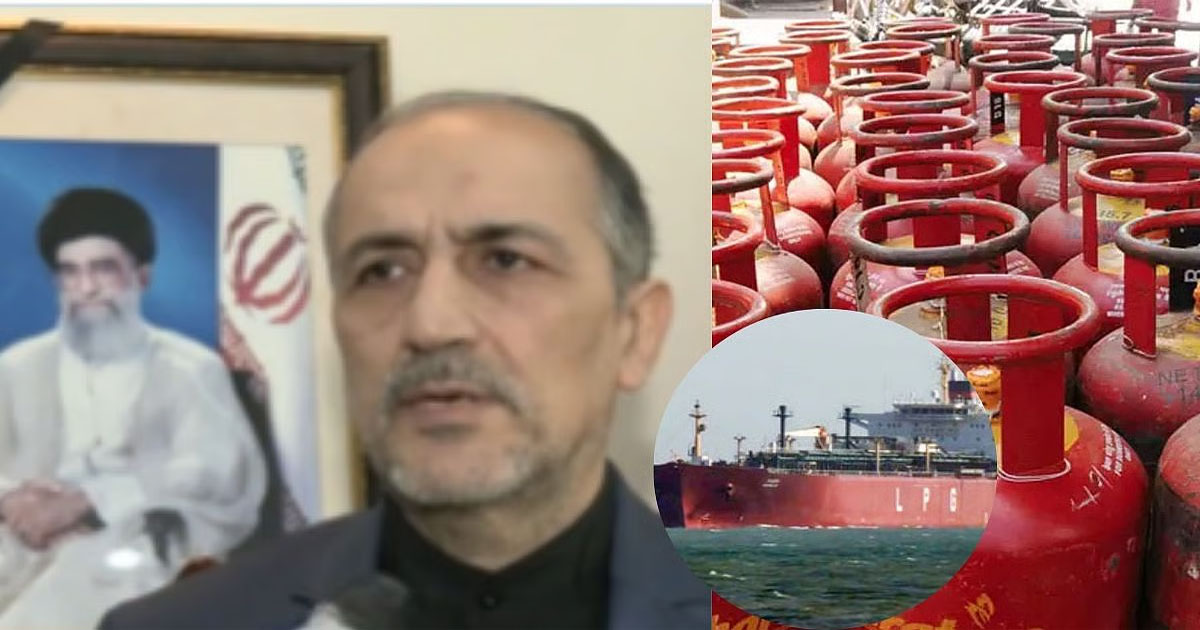
Mumbai: Consulate General of Iran, Saeid Reza Mosayeb Motlagh, on Friday said that Tehran is deeply concerned about India’s LPG crisis. Calling India a “friend and partner,” he added that despite risks in a conflict-like situation, Tehran ensured safe passage for gas carriers to India.
While speaking to media, he said, “The Islamic Republic of Iran has, from the very beginning, shown that it is a friend and partner of India. Personally, as the Consul General of the Islamic Republic of Iran in Mumbai, when I saw people facing a shortage of gas, I felt deeply concerned.”
“As you know, the situation is effectively a war zone, and gas carriers face their own risks; even the smallest impact can lead to serious consequences. However, by the grace of God, Iran was able to provide a safe passage so that these vessels could cross securely. This demonstrates our friendship with India,” he added as quoted by media.
Meanwhile, the Indian-flagged crude oil tanker, Jag Laadki, carrying approximately 80,886 metric tonnes (MT) of crude oil, arrived in Gujarat. Before that, LPG tanker Shivalik, which crossed the war-hit Strait of Hormuz, arrived at Gujarat’s Mundra Port. It roughly carried 40,000 metric tonnes of cooking gas from Qatar. These critical deliveries come at a time when the West Asia conflict caused LPG shortages across India.
India, the world’s third-largest crude importer, sources 88 per cent of its oil needs from abroad. It consumes 5.8 million barrels per day, of which 2.5-2.7 million barrels come from West Asian countries like Saudi Arabia, Iraq, and the UAE via the Strait of Hormuz. The choke point also carries 55 per cent of India’s cooking gas (LPG) and 30 per cent of liquefied natural gas (LNG), used for power, fertilisers, CNG, and household cooking.
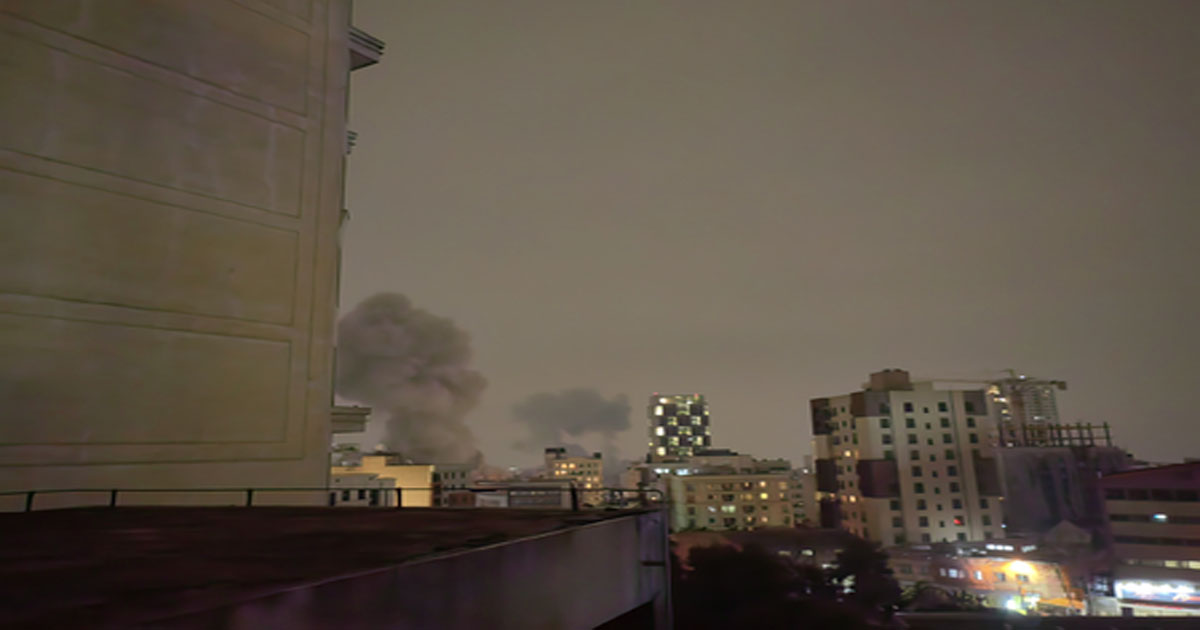
Washington, March 20: Rising costs of the Iran war and its impact on global markets are deepening divisions in Congress, with Republicans and Democrats questioning the scale and purpose of a proposed funding request that could exceed $200 billion, according to multiple US media reports.
The White House is preparing to seek massive new funding for the conflict, even as scepticism grows within President Donald Trump’s own party over the lack of a clear strategy and timeline, CNN reported. Lawmakers say the administration has yet to fully explain how the money will be used or how long the US military engagement could last.
Trump signalled the request could be substantial, arguing the military needs resources to maintain strength. “We want to be in the best shape, the best shape we’ve ever been in,” he said, adding, “It’s a small price to pay to make sure that we stay tippy top.”
But that argument is facing pushback. Some Republicans have openly rejected further spending, reflecting growing unease about what several described as a potential “endless war”.
“I am a no. I have already told leadership. I am a no on any war supplemental. I am so tired of spending money over there,” Representative Lauren Boebert said, according to CNN. “I have folks in Colorado who can’t afford to live. We need America First policies right now.”
Others are demanding detailed answers before committing support. “What are we doing? We’re talking about boots on the ground. We’re talking about that kind of extended activity,” said Representative Chip Roy. “They got a whole lot more briefing and a whole lot more explaining to do on how we’re going to pay for it and what’s the mission here?”
Fiscal conservatives have also questioned whether the proposed funding could expand further. “It begs the question, how long do they plan to be there? What are the goals? Is this the first $200 billion? Does this turn into a trillion?” Representative Thomas Massie said, CNN reported.
The debate comes as the conflict intensifies in the Gulf. US and allied forces have stepped up operations around the Strait of Hormuz, deploying attack aircraft and helicopters to target Iranian naval assets and reopen critical shipping lanes, The Wall Street Journal reported.
“The A-10 Warthog is now engaged across the southern flank, targeting fast-attack watercraft in the Strait of Hormuz,” General Dan Caine said, adding that Apache helicopters “have joined the fight on the southern flank,” according to the Journal.
The escalation has already shaken global energy markets. Oil prices surged sharply as attacks on infrastructure across the region raised fears of supply disruptions, The New York Times reported.
Analysts warned the economic fallout could deepen if hostilities continue. “Energy warfare has been utilised from day one,” said Anna Jacobs, according to The Washington Post, noting that disruptions in the Strait of Hormuz have affected a key global supply route.
At the same time, lawmakers in both parties say they have received limited and incomplete cost assessments, adding to concerns over approving such a large sum. Some Republicans have proposed conditions, including spending offsets or audits of Pentagon finances, before backing any funding bill.
Senate leaders have indicated the path forward remains uncertain. “It remains to be seen” whether the request could pass, Senate Majority Leader John Thune said, according to CNN.
Democrats, meanwhile, remain largely opposed to approving funds under current conditions, further complicating the administration’s efforts to secure congressional backing.
The conflict has also triggered broader policy debates within the administration, including whether easing sanctions on Iranian oil could help stabilise global prices, The Washington Post reported. Officials say such steps could bring additional supply to the market, though analysts warn it could also strengthen Iran financially during the war.
International News
All rhetoric, no action: Saudi Arabia realises Pakistan not dependable security partner
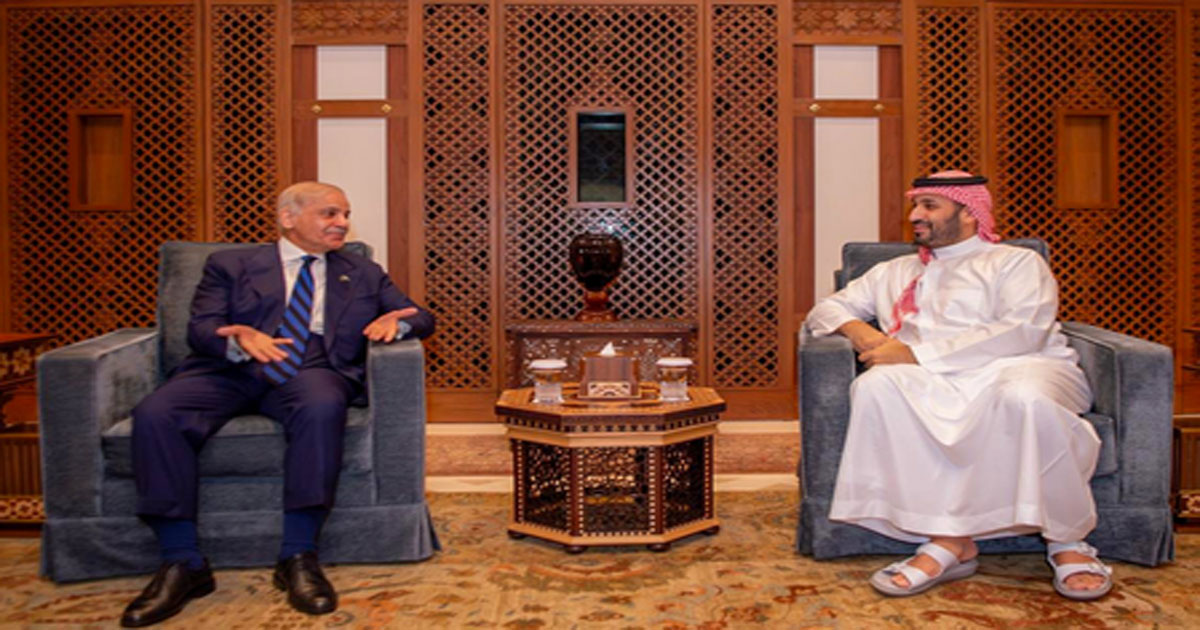
Islamabad, March 19: Pakistan’s response to the ongoing conflict in West Asia has sparked concerns about the strength and credibility of the Saudi–Pakistan Strategic Military Defence Agreement. Recent events involving Iran, Saudi Arabia and Pakistan have revealed cracks in ties long projected as strategic and reliable.
“The agreement, first signed with much fanfare, was framed as a partnership in which both nations would support each other in the event of external threats. Analysts at the time likened it to a NATO-style alliance, with the principle that aggression against one would be considered aggression against both. The pact was presented as a symbol of brotherhood and strategic alignment between a wealthy Gulf state and its South Asian partner, with Islamabad positioning itself as a reliable provider of security support,” a report in South Africa’s ‘The Star’ stated.
“Fast forward to 28 February 2026, when coordinated strikes attributed to United States and Israel targeted Iranian military and political infrastructure. Tehran responded with retaliatory strikes targetting Gulf states, including Saudi Arabia. In theory, this should have been a moment when Pakistan’s commitment under the defence pact was tested. Yet, Pakistan has not made any visible military contribution, prompting observers to question its role as a dependable partner,” it added.
Pakistan, instead of projecting force in support of Saudi Arabia, has remained focused on its conflict with Afghanistan. The recent escalation of tensions has allowed Pakistan to effectively sidestep the more immediate obligations that the agreement with Saudi Arabia might suggest. Analysts have contended that Pakistan’s calculated restraint demonstrates domestic constraints and a broader reassessment of what it is willing to commit in international military partnerships.
The current situation showcases a difference between rhetoric and action. For years, Pakistan has projected itself as a strategic anchor for Saudi Arabia’s security, however, at the time of demand, the alliance seems less robust than previously suggested. For Saudi Arabia, this gap between expectation and action is likely disconcerting, the report highlighted.
“The kingdom invested significant diplomatic and strategic capital in framing the SMDA as a serious and binding commitment. For years, Saudi officials have cited the pact as evidence of Islamabad’s reliability and as a hedge against regional threats. The present crisis, however, suggests that when tested under real conditions, Pakistan’s support may be more symbolic than operational. The implications of Pakistan’s cautious posture are complex.
“Firstly, it could affect Saudi Arabia’s calculations in the West Asia, particularly regarding defence partnerships and dependence on regional allies. Saudi Arabia may now consider alternative arrangements or to deepen cooperation with other partners, including Western states, to compensate for gaps observed in Pakistan’s commitment. Secondly, credibility of Pakistan in regional diplomacy could be tested. Other nations observing the agreement’s implementation may question on whether they should trust Pakistan for future crisis, impacting its strategic leverage and its standing as a regional actor,” The Star report stated.

‘Saw People Facing Shortage, Felt Deeply Concerned’, Says Consulate General of Iran In Mumbai Amid LPG Crisis; Calls India ‘Friend & Partner’

Maharashtra Infra Update: JNPT Linked Expressway Connecting Mumbai-Pune -Goa Routes Moves Ahead, Bids Open April 16

Mumbai Press Club Bomb Threat Sparks Security Alert, Police Launch Probe

Mumbai Water Supply Boost: BMC Pushes Fresh Talks With Contractor Amid ₹3,276 Crore Gargai Dam Cost Dispute

Iran war costs deepen split in US Congress amid scrutiny of $200 billion funding request

Married Mumbai Woman Mocked In Andheri Society Over ‘Lift Kissing’ CCTV Video, Files Police Complaint

Mumbai: JBCN International School In Borivali Gets Bomb Threat, Search Reveals Hoax, Students Safe

Former Arsenal Star Mesut Ozil’s Convoy Gets Involved In Road Accident During Bangladesh Visit

Gold and silver surge on safe haven demand, margin cut

Mumbai Local Train Update: Mega, Jumbo Blocks Announced On Central, Harbour & Western Lines On February 22; Check Time & Route Here
-

 Crime4 years ago
Class 10 student jumps to death in Jaipur
-

 Maharashtra1 year ago
Mumbai Local Train Update: Central Railway’s New Timetable Comes Into Effect; Check Full List Of Revised Timings & Stations
-

 Maharashtra1 year ago
Mumbai To Go Toll-Free Tonight! Maharashtra Govt Announces Complete Toll Waiver For Light Motor Vehicles At All 5 Entry Points Of City
-

 Maharashtra1 year ago
False photo of Imtiaz Jaleel’s rally, exposing the fooling conspiracy
-

 National News1 year ago
Ministry of Railways rolls out Special Drive 4.0 with focus on digitisation, cleanliness, inclusiveness and grievance redressal
-

 Maharashtra1 year ago
Maharashtra Elections 2024: Mumbai Metro & BEST Services Extended Till Midnight On Voting Day
-

 National News1 year ago
J&K: 4 Jawans Killed, 28 Injured After Bus Carrying BSF Personnel For Poll Duty Falls Into Gorge In Budgam; Terrifying Visuals Surface
-

 Crime1 year ago
Baba Siddique Murder: Mumbai Police Unable To Get Lawrence Bishnoi Custody Due To Home Ministry Order, Says Report