
Politics
KPCC chief Sudhakaran booked over offensive remark against Pinarayi Vijayan

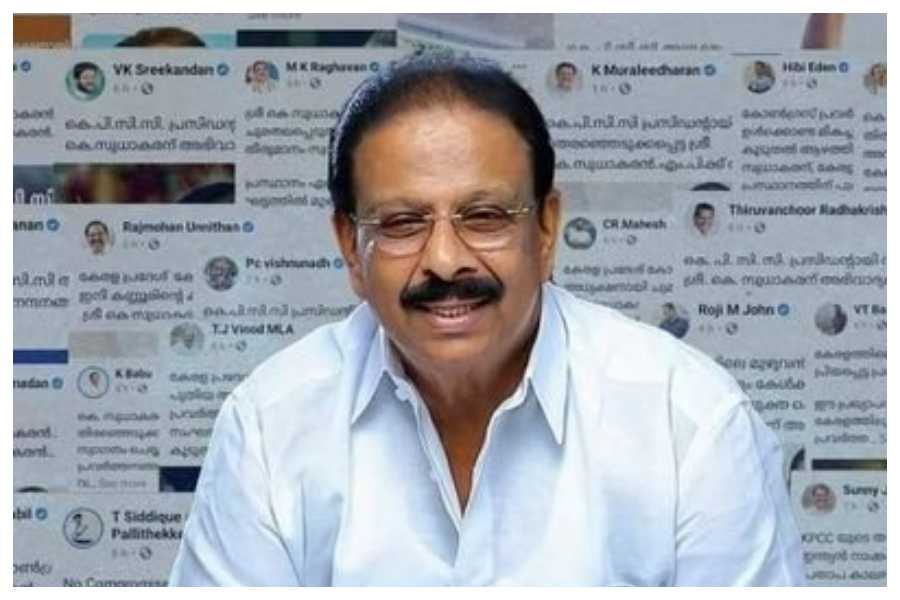
The Kerala Police on Thursday lodged a case against KPCC president K. Sudhakaran over his controversial remark against Chief Minister Pinarayi Vijayan.
Recently, while campaigning for his party ahead of the May 31 bypoll, Sudhakaran had likened Vijayan to an “unleashed dog” running around Thrikkakara constituency, which was strongly objected to by several top CPI-M leaders.
Responding to the condemnation, Sudhakaran said though the phrase is commonly used in his home district Kannur, he has no qualms in withdrawing his remark if it has hurt Vijayan, who also hails from the same district.
With the crucial Thrikkakara election campaign gaining momentum and Vijayan himself leading the campaign by staying put in Kochi, the local youth wing of CPI-M decided to file a complaint with the local police.
Based on the complaint, the police registered a case against the Kerala Pradesh Congress Committee(KPCC) president.
Sudhakaran has already gone on record to say that in case the Left party takes legal recourse, he will also fight it legally.
And now the CPI-M leadership has decided to make it an election issue.
“Since the Left parties have nothing else to campaign for, they are raking up insignificant issues which reflects their precarious position as the Congress is poised to win the bypoll hands down,” Leader of Opposition V.D.Satheesan said.


International News
Despite ceasefire announcement, India issues fresh advisory, urges nationals to leave Iran expeditiously

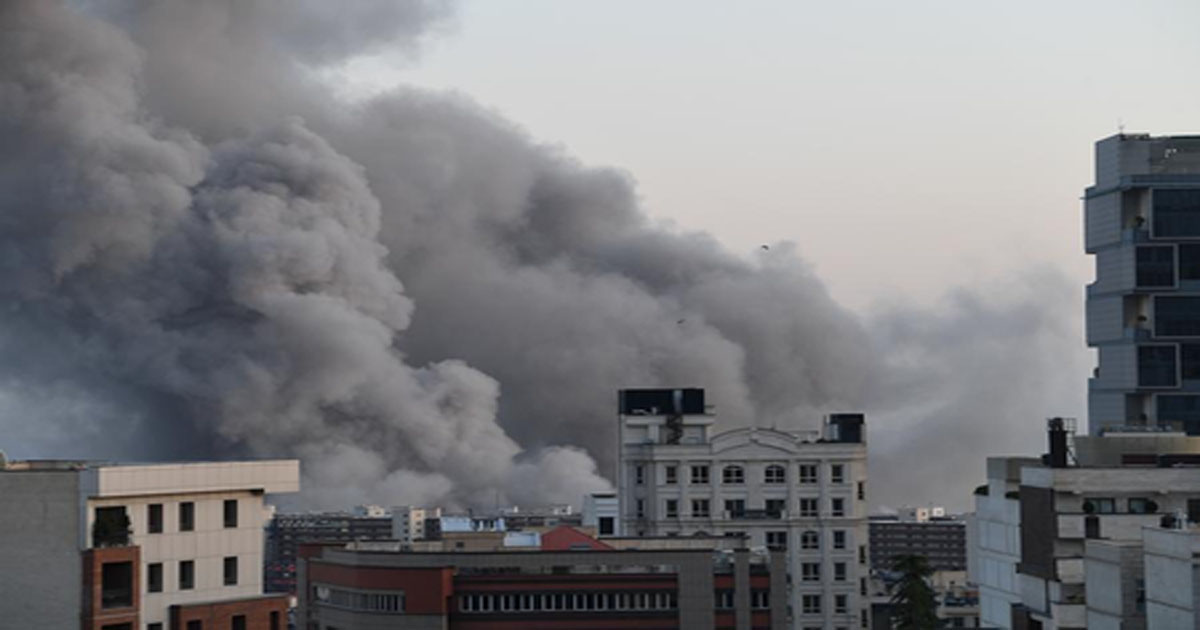
Tehran, April 8: India on Wednesday advised its nationals in Iran to leave expeditiously, using only embassy-suggested routes despite the ceasefire agreement between the US and Iran.
In an advisory, the Indian Embassy in Tehran said, “In continuation of the advisory of 07 April 2026, and in light of recent developments, Indian nationals still in Iran are strongly advised to expeditiously exit Iran, in coordination with the Embassy and using the routes suggested by the Embassy.”‘
“It is again reiterated that there should be no attempt to approach any international land border without prior consultation and coordination with the Embassy,” the Indian mission further said, adding the emergency contacts with the advisory.
This comes just hours after the US and Iran reached a ceasefire agreement.
US President Donald Trump stepped back from the brink of a major military escalation with Iran, announcing a conditional two-week pause in planned attacks tied to reopening the Strait of Hormuz, a development that came as a big relief to people across the world.
The decision came 90 minutes before the self-imposed 8 p.m. EST deadline set by Trump for Iran to reach a deal, after backchannel diplomacy.
Trump, in a post on Truth Social on Tuesday (local time), said he would “suspend” an escalation of attacks for two weeks if Iran agrees to open the key shipping route.
In a social media post, he said talks with Pakistan led to what he called a “double-sided ceasefire.”
“The reason for doing so is that we have already met and exceeded all Military objectives, and are very far along with a definitive Agreement concerning long-term peace with Iran, and peace in the Middle East,” Trump wrote.
He added that the United States had received “a 10-point proposal from Iran” that was “a workable basis on which to negotiate.”
Trump said “almost all of the various points of past contention” had been agreed, and the two-week pause would allow the agreement “to be finalised and consummated.”
The ceasefire is conditional. Trump said it depends on Iran agreeing to the “complete, immediate, and safe opening of the Strait of Hormuz.”
Iran signalled tentative acceptance. Iranian Foreign Minister Seyed Abbas Araghchi said Tehran would halt operations if attacks stop.
“If attacks against Iran are halted, our Powerful Armed Forces will cease their defensive operations,” he said.
“For a period of two weeks, safe passage through the Strait of Hormuz will be possible via coordination with Iran’s Armed Forces and with due consideration of technical limitations,” he added.
Crime
Mumbai Crime: Anti‑Terrorism Branch Conducts Raids At 3 Locations In Kurar; Terror Funding Angle Being Probed
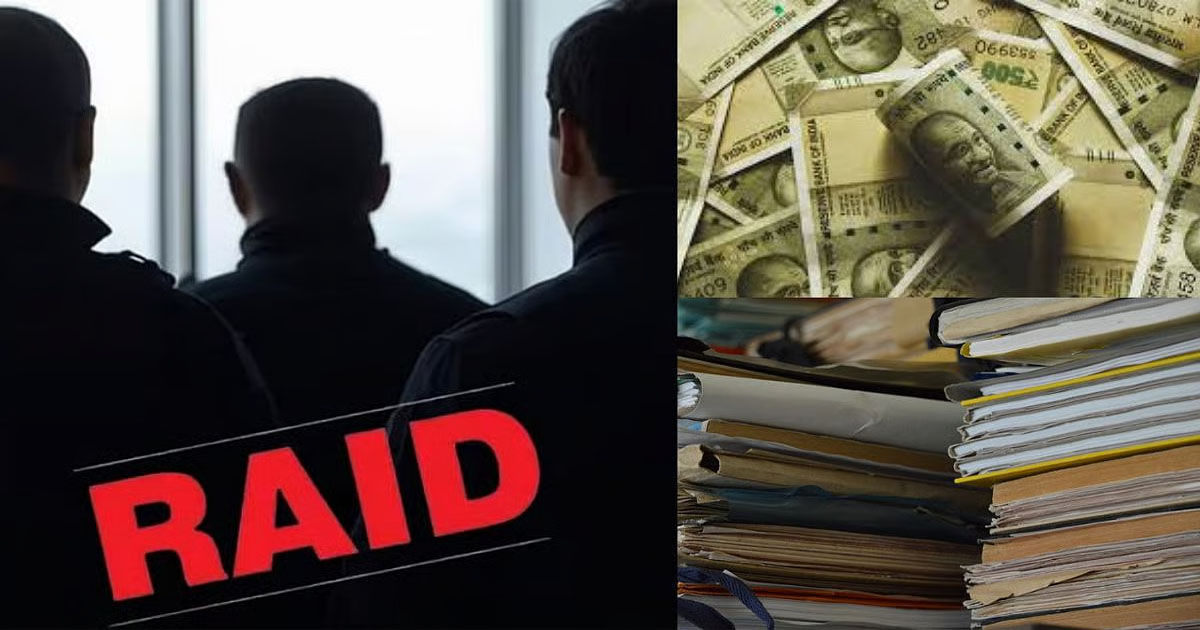
Mumbai: A Hawala racket was busted as the Anti-Terrorism Branch conducted raids at three locations in Mumbai’s Kurar area on April 8.
During the operation, they seized Rs 12.5 lakh cash, multiple fake passports, 9 mobile phones, a laptop, an iPad, and extensive documents, including bank wire transfer records. Authorities are probing a possible terror funding angle in the operation.
Earlier in March, a joint operation conducted by the police and the Anti-Terrorism Cell (ATC) detained two Ugandan women from the Vakola area for allegedly residing in India without valid documents.
The detained women were identified as Nakayondo Rose (37) and Kemigisa Proscovia (26). According to police sources, the duo had been living in the Kalina area of Mumbai for the past few years but did not possess valid visas or necessary legal documents to stay in the country. Acting on specific inputs about their prolonged illegal stay, police carried out a targeted raid in the area.
Prio to that, in February, the Mumbai Police, in coordination with the Anti-Terrorism Cell (ATC), intensified their crackdown on illegal Bangladeshi nationals residing in the city, detaining more than 30 individuals over the recent week as part of an ongoing verification and deportation drive.
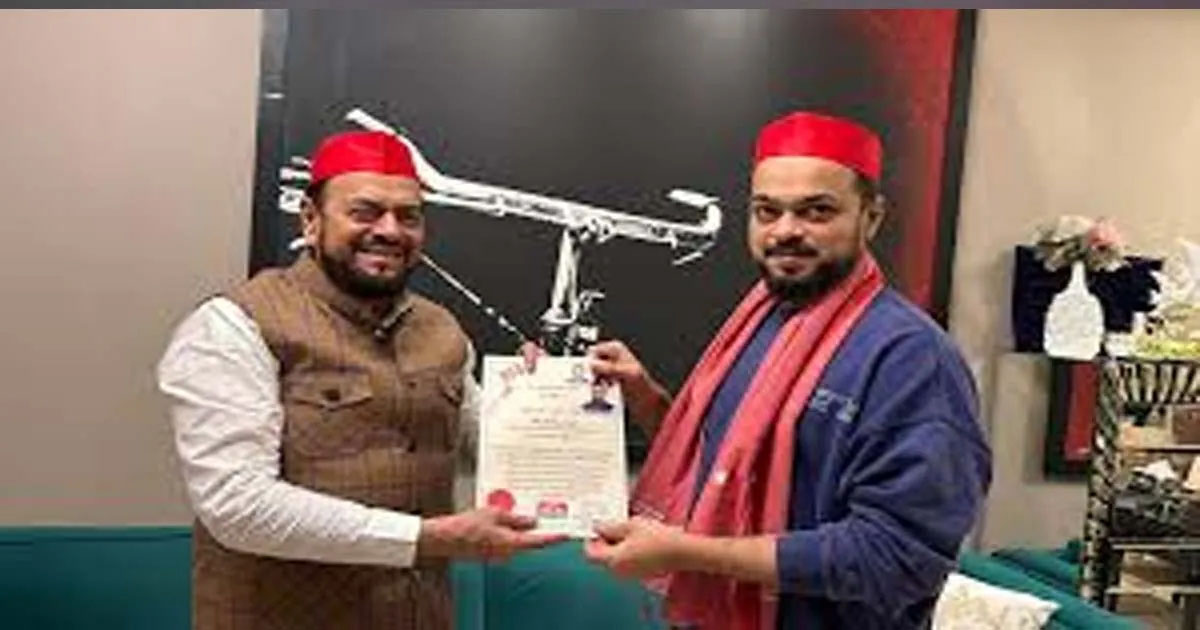
To further strengthen the Samajwadi Party in Mumbai Maharashtra, now State President Abu Asim Azmi has entrusted a new responsibility to his son Abu Farhan Azmi and has nominated him as the General Secretary of the party and has issued an appointment letter. Samajwadi Party Provincial President Abu Asim Azmi has taken an important decision today and appointed Abu Farhan Azmi as the General Secretary of Mumbai and the state of Maharashtra.
On this occasion, Provincial President Abu Asim Azmi congratulated Farhan Azmi and expressed his best wishes for his bright future. He expressed the hope that under the leadership of Farhan Azmi, the party will become more strong in Mumbai and the entire Maharashtra and the graph of the party will rise among the youth. Abu Asim Azmi also prayed for the success of his new responsibilities.

Despite ceasefire announcement, India issues fresh advisory, urges nationals to leave Iran expeditiously

Mumbai Crime: Anti‑Terrorism Branch Conducts Raids At 3 Locations In Kurar; Terror Funding Angle Being Probed

Samajwadi Party Appoints Abu Farhan Azmi as Mumbai Maharashtra General Secretary

Maha youth arrested for defamatory video targeting CM Fadnavis over Ajit Pawar plane crash

Iran agrees to open Strait of Hormuz after Trump’s 14-day ceasefire announcement

Married Mumbai Woman Mocked In Andheri Society Over ‘Lift Kissing’ CCTV Video, Files Police Complaint

LPG Crisis In Maharashtra: Cyber Crime On Rise Amid Shortage, 2 Women Lose ₹4 Lakh In ‘Gas Update’ Online Scam In Kalyan-Dombivli

Dhurandhar 2 Box Office Collection Day 1: Ranveer Singh Starrer Takes An Exceptional Opening; Crosses ₹100 Crore Mark

Thane Horror: Man Slashed With Chopper In Naupada For Refusing ‘Vargani’, Caught On Camera

Mumbai Police Busts Fake Apple Accessories Racket In Ghatkopar, ₹16.33 Lakh Goods Seized; Six Booked
-

 Crime4 years ago
Class 10 student jumps to death in Jaipur
-

 Maharashtra2 years ago
Mumbai Local Train Update: Central Railway’s New Timetable Comes Into Effect; Check Full List Of Revised Timings & Stations
-

 Maharashtra1 year ago
Mumbai To Go Toll-Free Tonight! Maharashtra Govt Announces Complete Toll Waiver For Light Motor Vehicles At All 5 Entry Points Of City
-

 Maharashtra2 years ago
False photo of Imtiaz Jaleel’s rally, exposing the fooling conspiracy
-

 National News1 year ago
Ministry of Railways rolls out Special Drive 4.0 with focus on digitisation, cleanliness, inclusiveness and grievance redressal
-

 Maharashtra1 year ago
Maharashtra Elections 2024: Mumbai Metro & BEST Services Extended Till Midnight On Voting Day
-

 National News2 years ago
J&K: 4 Jawans Killed, 28 Injured After Bus Carrying BSF Personnel For Poll Duty Falls Into Gorge In Budgam; Terrifying Visuals Surface
-

 Crime1 year ago
Baba Siddique Murder: Mumbai Police Unable To Get Lawrence Bishnoi Custody Due To Home Ministry Order, Says Report