
International News
Iraq urges unified efforts to support regional stability

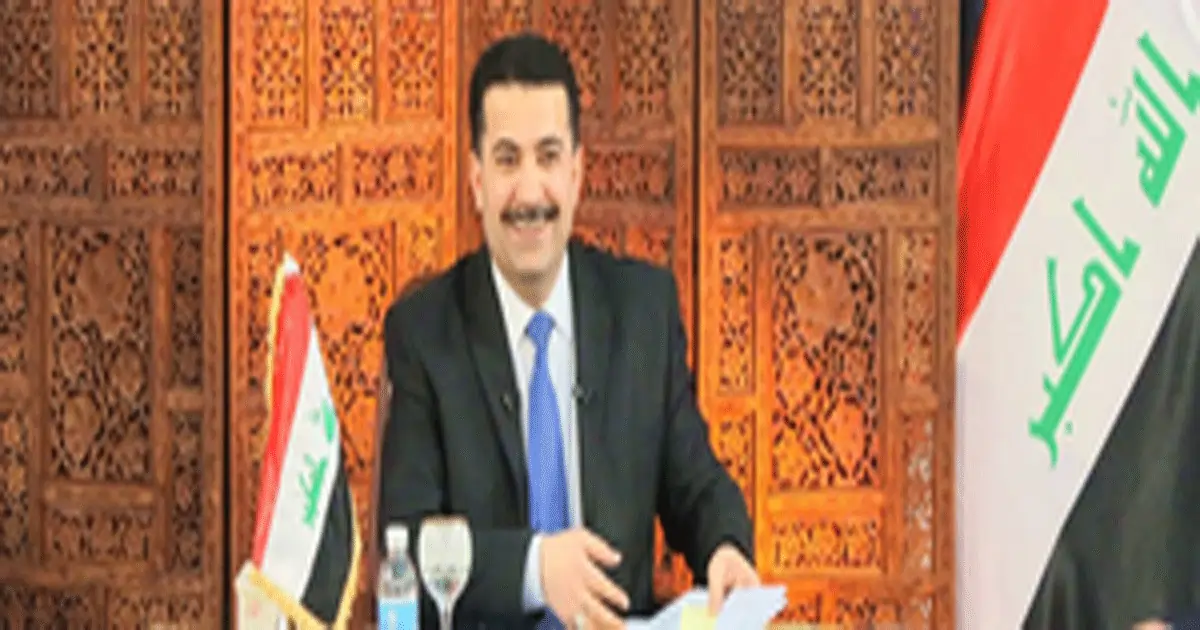
Baghdad, Jan 27: Iraqi Prime Minister Mohammed Shia’ al-Sudani called for unified efforts among regional countries to support stability in the Middle East.
Al-Sudani made the remarks on Sunday during a meeting with visiting Turkish Foreign Minister Hakan Fidan. According to a statement by al-Sudani’s media office, the two discussed bilateral relations and the latest developments in Syria, Gaza and Lebanon, emphasizing the importance of adhering to the ceasefire agreements.
Al-Sudani reiterated “Iraq’s readiness to coordinate with neighboring countries, especially Türkiye, regarding ongoing regional developments,” it said.
For his part, Fidan reaffirmed his country’s desire to maintain close coordination with Iraq on regional developments, stressing Turkey’s commitment to the strategic Development Road project and cooperation based on the memorandums of understanding signed between the two countries in areas such as energy, education, trade, banking, and other sectors.
Fidan also met with Iraqi President Abdul Latif Rashid, during which the two discussed regional developments, stressing the importance of reducing tensions, de-escalating conflicts, and promoting dialogue to resolve disputes, according to a statement by the Iraqi presidency office.
Rashid also called for “sustained joint efforts” to eliminate the threat of the Islamic State (IS) and other extremist groups, highlighting the importance of regional and international cooperation in achieving long-term security and stability, it said.
For his part, Fidan proposed forming a regional alliance involving Iraq, Syria, Jordan and Turkey to combat the IS group, dismantle its strongholds, and disrupt its funding sources to ensure greater stability for the region, it said.
Also on Sunday, Iraqi Foreign Minister Fuad Hussein met with Fidan. The two sides discussed bilateral ties and ways to advance them to greater prospects to serve the common interests, according to a statement by the Iraqi foreign ministry.
Regarding the situation in Syria, the two sides affirmed that they are in constant contact with Syria’s interim administration for joint coordination on issues of common concern, the statement said.
Hussein also stressed the importance of addressing the security situation on the Iraqi-Syrian border, especially about the IS, it said.
The talks also touched on the situation in Gaza, developments in Lebanon, and the importance of turning the ceasefire into a permanent situation while stressing the need to stop Israeli attacks, it said.
For his part, Fidan said Turkey views the relations with Iraq from a strategic perspective, adding that as Iraq enjoys security and stability, Turkey also enjoys them, which contributes to the prosperity of the two peoples, it said.


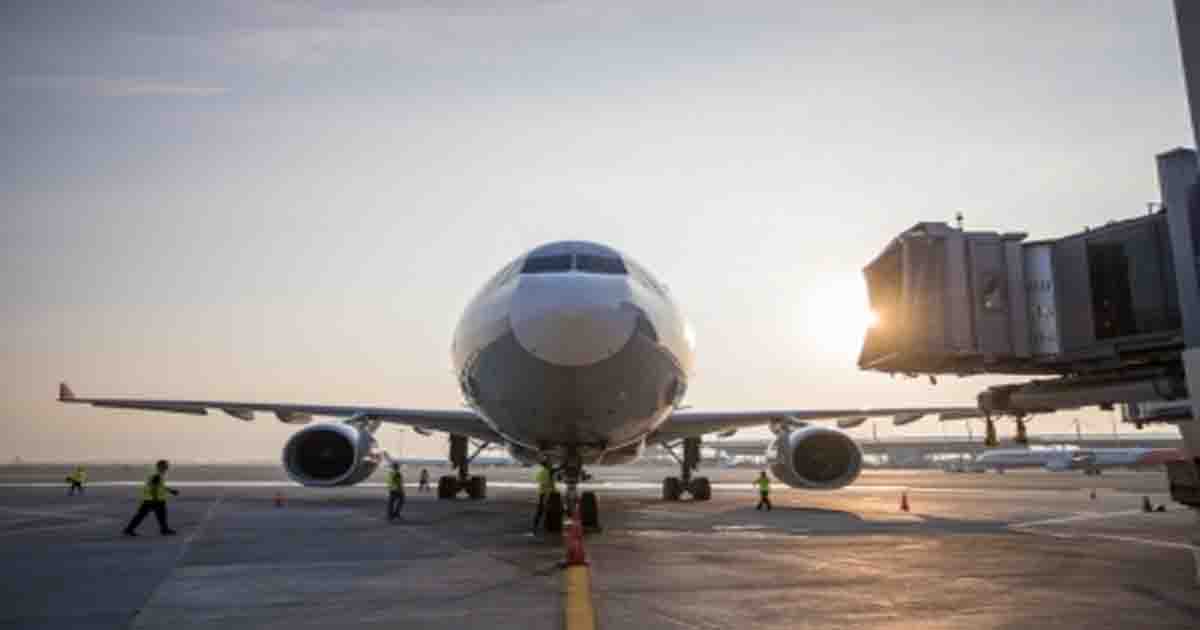
Jerusalem, Sep 30: Israeli security agencies were investigating an incident aboard a Flydubai flight from Dubai to Tel Aviv after the aircraft transmitted an emergency signal and descended sharply before diverting to Saudi Arabia on Wednesday.
Israel’s state-owned Kan TV news, citing an Israeli official, reported that Israeli authorities had not ruled out a possible “terrorist incident” and were examining whether one of the two pilots may have tried to crash the aircraft. It said one of the pilots was injured.
In a video circulated on social media, an Israeli passenger with blood on his face said, “We are under attack on the plane. We have overpowered the terrorists. We are about to land.”
Earlier, a spokesperson for Prime Minister Benjamin Netanyahu said the incident was not believed to have been a hijacking. An Israeli official said that the emergency signals were transmitted after the pilots became involved in a physical altercation.
A flydubai spokesperson confirmed that flight FZ 1073 operating from Dubai International Airport to Ben Gurion International Airport “experienced an incident” while en route. The aircraft later landed in Tabuk Airport in Saudi Arabia and all passengers are “safe and accounted for,” according to the spokesperson, Xinhua news agency reported.
Meanwhile, a statement issued by the spokesperson of the Israel Airports Authority said that they have opened a dedicated waiting and information area for the families of passengers on the Flydubai flight, in accordance with the directive of Minister of Transport, Miri Regev.
“The area is located in Terminal 1, in the domestic arrivals hall at Ben Gurion Airport. Family members wishing to come to Ben Gurion Airport are invited to proceed to the designated area in Terminal 1, where they will be able to wait and receive information and updates as developments unfold,” read the statement.
“Israel Airports Authority representatives will be present at the site and will assist family members as needed. We ask members of the public who are not relatives of passengers on the flight to refrain from coming to the area, in order to allow for the orderly and appropriate assistance of the families,” it added.
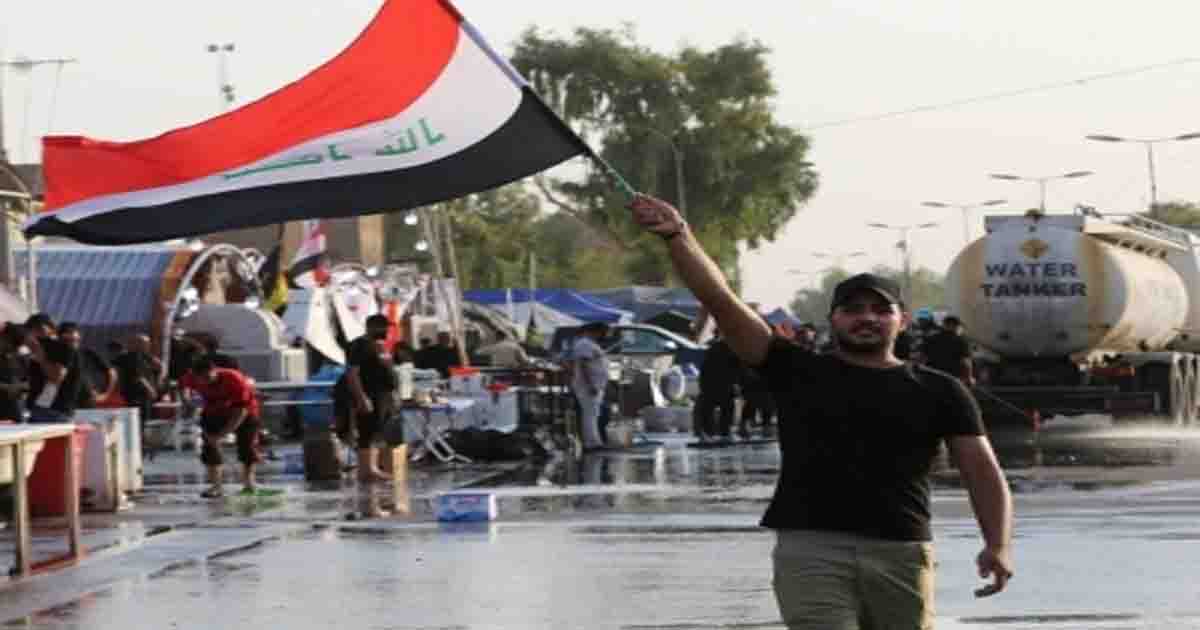
Washington/Baghdad, Sep 30: The United States and its allies have officially ended ‘Operation Inherent Resolve’ against the Islamic State (IS) in Iraq, the Pentagon said on Wednesday.
The Iraqi Security Forces, including the Peshmerga and other security forces in the Iraqi Kurdistan region, will “lead the continuing effort to secure Iraq and keep IS remnants suppressed,” the Pentagon’s chief spokesman Sean Parnell said in a statement.
The primary responsibility for addressing Iraq’s remaining security challenges now rests with the Iraqi government, the statement said, adding that the United States will continue to provide “targeted training and intelligence support” to its Iraqi partners.
On the same day, Iraqi Prime Minister Ali al-Zaidi also announced the conclusion of the international coalition’s mission to combat the IS in Iraq, Xinhua news agency reported. In 2014, the United States and its allies launched their campaign and deployed forces to fight the IS militants in Iraq and neighbouring Syria.
In 2024, Washington and Baghdad agreed on a gradual pullout of US troops from Iraq, seven years after the Iraqi government declared the country’s full liberation from the IS militants at the end of 2017.
Last week, the Iraqi government said that it is in direct dialogue with the United States to secure sanctions exemptions for certain Iraqi airports to resume flights with Iran on humanitarian grounds.
The media office of Iraqi Prime Minister Ali al-Zaidi said on Saturday that the requested waivers aim to allow flights for medical treatment, education, religious visits, and civilian interests following recent US Department of the Treasury measures against Iranian airlines operating in the region.
The statement stressed that Iraq is actively working to de-escalate regional tensions, warned that prolonged crisis further complicate the situation, and called on all parties to resolve conflicts through dialogue.
The Iraqi government on Thursday officially signed an agreement to take over the US Embassy’s diplomatic support centre at Baghdad International Airport, according to an Iraqi Foreign Ministry statement.
The agreement was signed at the ministry headquarters by Iraqi Deputy Foreign Minister Mohammed Hussein Bahr Al-Uloom and charge d’affaires at the US Embassy in Iraq Steven Fagin.
The handover was part of the Iraqi government’s efforts to finalise procedures regarding the conclusion of the US-led international coalition and the foreign military presence in Iraq, in accordance with the timeline set for September 30 this year, it said.
In August, al-Zaidi said that September 30 remained the firm deadline for ending the US-led coalition’s military mission in Iraq and completing its troop withdrawal.
International News
Lack of US sensitivity to India’s concerns over Pakistan terrorism impacting ties: EAM Jaishankar

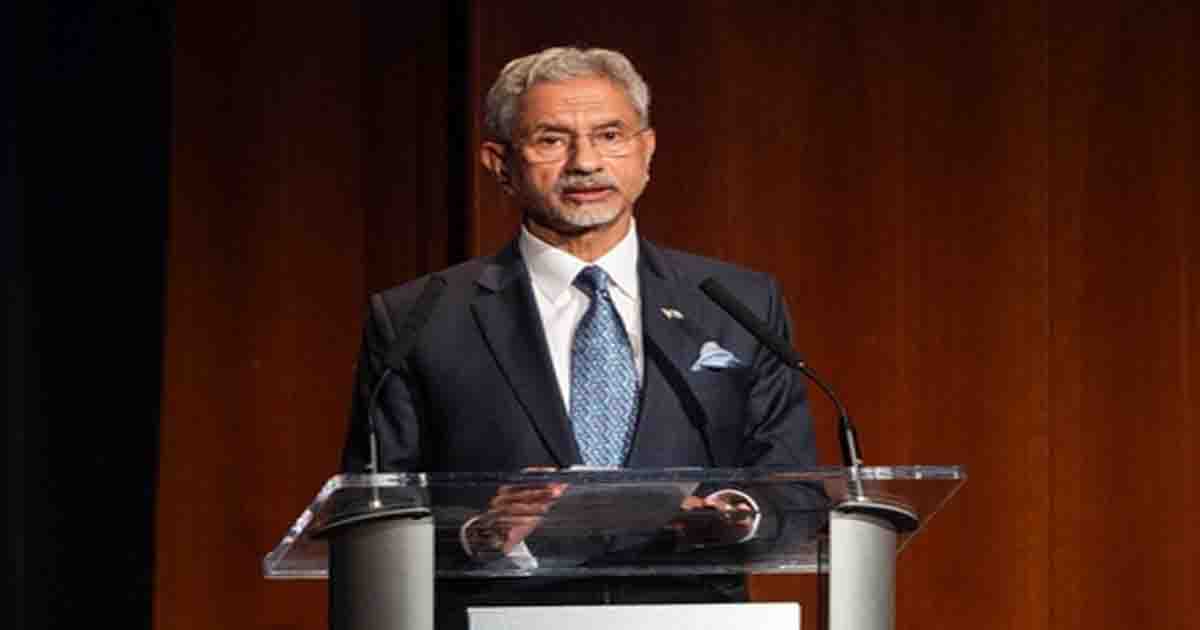
New York, Sep 29: External Affairs Minister S Jaishankar says that the US’s lack of sensitivity to India’s concerns about terrorism emanating from Pakistan is a problem for Washington-New Delhi relations.
He did name Pakistan, but made it amply clear he was referring to it by ascribing the terrorism to “a neighbour” that uses it as a policy, and it was criticism directed at President Donald Trump for developing close relations with Pakistan, ignoring its role as a purveyor of terror.
“Perhaps there are very few countries which have been subjected to the kind of terrorism that we have from a neighbour as part of a deliberate conscious policy over many, many decades”, he said on Monday.
Therefore, the terrorism issue is “particularly important” for India, he said.
“Now, if something which matters so deeply to us, there isn’t enough understanding or appreciation or empathy of that, I think that creates a problem”, He said.
If “one of my primary concerns is not fully appreciated by my partner, then clearly there is a impact on that on the relationship”, he said.
He made these comments during an event in New York when he was asked about factors hindering better U.S. relations.
He said that besides trade, this insensitivity to terrorism was a factor.
Trump has entirely walked away from the issue of terrorism when it comes to Pakistan, in a change from the policies of the previous administrations.
Previously, the US recognised Islamabad’s role in backing global terrorism, which reached its height with the 2001 attacks by al-Qaida on the World Trade Centre in New York and the Pentagon outside Washington.
Pakistan’s role as an accessory to the attacks was exposed when al-Qaida leader Osama bin Laden was found to be living under Pakistan’s protection.

Bihar Mahagathbandhan echo in Oppn’s UP seat-sharing debates?

Israel probes Flydubai cockpit incident after hijack alert (Ld)

Youth-led research to transform Maharashtra into a global innovation hub: CM Fadnavis

US-led coalition concludes anti-IS operation in Iraq: Pentagon

Three men arrested in Madhya Pradesh for circulating video of tourist in Ajmer

Gift to President Putin part of PM Modi bid to globally display India’s heritage

PM Modi’s warm camaraderie with Putin, Xi on full display at BRICS Summit

7.8 pc GDP growth reflects country’s progress: Maha CM Fadnavis, Dy CM Shinde

BMC takes action against Mumbai Central Orchid City Mall; mall shut down.

Nepal PM calls for global response to rising Himalayan climate risks
-

 Crime4 years ago
Class 10 student jumps to death in Jaipur
-

 Maharashtra2 years ago
Mumbai Local Train Update: Central Railway’s New Timetable Comes Into Effect; Check Full List Of Revised Timings & Stations
-

 Maharashtra2 years ago
Mumbai To Go Toll-Free Tonight! Maharashtra Govt Announces Complete Toll Waiver For Light Motor Vehicles At All 5 Entry Points Of City
-

 Maharashtra2 years ago
False photo of Imtiaz Jaleel’s rally, exposing the fooling conspiracy
-

 National News2 years ago
Ministry of Railways rolls out Special Drive 4.0 with focus on digitisation, cleanliness, inclusiveness and grievance redressal
-

 Maharashtra2 years ago
Maharashtra Elections 2024: Mumbai Metro & BEST Services Extended Till Midnight On Voting Day
-

 National News2 years ago
J&K: 4 Jawans Killed, 28 Injured After Bus Carrying BSF Personnel For Poll Duty Falls Into Gorge In Budgam; Terrifying Visuals Surface
-

 Crime2 years ago
Baba Siddique Murder: Mumbai Police Unable To Get Lawrence Bishnoi Custody Due To Home Ministry Order, Says Report