
International News
Iran Supreme Leader orders ‘immediate, effective’ response to any enemy threat

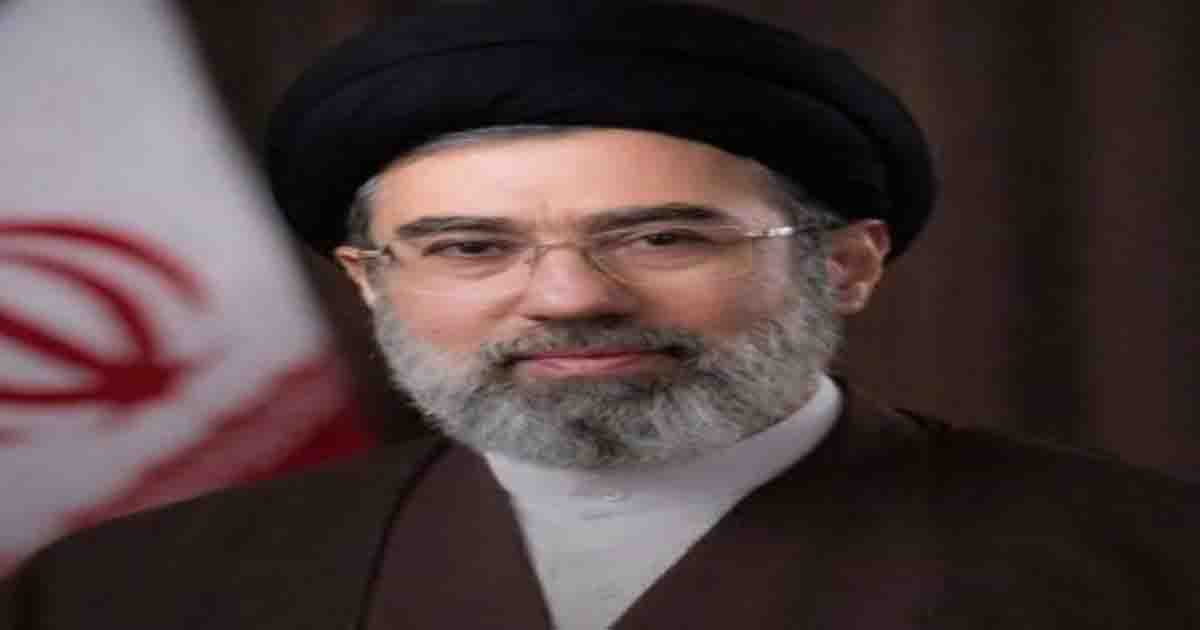
Iran’s Supreme Leader Mojtaba Khamenei has ordered that any level and kind of threat from the “enemies” must be met with an “immediate and effective” response without geographical limitations, according to a statement published on the leader’s website on Saturday.
He made the remarks at a meeting with the Iranian armed forces’ senior commanders, including Chief of Staff of the Armed Forces Ali Abdollahi, Army’s Chief Commander Amir Hatami, Commander-in-Chief of the Islamic Revolution Guard Corps Ahmad Vahidi, the statement said.
He stressed that if the “enemies” resume military or terrorist attacks against Iran, the Iranian armed forces and people will determine the time and conditions for the war’s end, Xinhua news agency reported. Khamenei also highlighted the necessity to “strengthen the country’s military intelligence architecture, deepen home-grown defence in terms of doctrine and tactics, and advance modern defence and security capabilities using cutting-edge technologies.”
The Supreme Leader emphasised that the country’s bank of targets must be updated in such a way that “various tangible and intangible assets of the US-Israeli enemy are brought within the Iranian armed forces’ reach.”
At the meeting, the senior military commanders presented reports on the armed forces’ state of readiness, and briefed the Supreme Leader on the manifold rise in the country’s production of various types of ammunition, as well as reconnaissance, support and combat weaponry.
The Iranian Supreme Leader’s remarks came amid heightened US threats of military action against Iran.
The United States has told several Gulf countries to prepare for a brief but intense military campaign against Iran after the US midterm elections, The Wall Street Journal reported on Wednesday, citing people briefed on the conversations.
According to the report, the United States and Israel are preparing for another round of intense military operations against Iran.
On February 28, Israel and the United States launched joint attacks on Tehran and other Iranian cities. Iran responded with waves of missile and drone attacks targeting Israel and US bases and assets in the region, and tightened its grip on the Strait of Hormuz.



Nine children separated from their families during the Russia-Ukraine war were reunited through an initiative led by First Lady Melania Trump, the White House said, bringing its reported total under the effort to 43.
The latest reunifications were the seventh round arranged through her humanitarian initiative, the Office of the First Lady said on Wednesday (local time).
Melania Trump said the Russian and Ukrainian leadership had cooperated in bringing the children and their families together.
“Every child reunited with their parents brings humanity one step closer to a better world for everyone,” she said.
She urged adults to put children’s welfare above the divisions driving the war and said she remained committed to continuing the reunification work.
The statement described the broader initiative as involving Russian and Ukrainian children. It did not provide a nationality breakdown for Wednesday’s group, identify the children or specify their ages, the locations of the reunions or how long they had been separated.
The effort has involved repeated contacts with both governments. In July, the White House announced that five children had been reunited with their families in the initiative’s fifth round.
At that time, Melania Trump said she and her representative were continuing to work with Russian and Ukrainian authorities to return children safely to their families and communities. She described the effort as requiring the parties to place children’s needs above international disputes.
By October, the White House said six rounds had reunited 34 children. It said the communication channels developed through those efforts were subsequently used to negotiate a temporary halt to fighting around Oleshky in southern Ukraine.
That arrangement, announced October 23 and scheduled to begin October 29, was intended to allow humanitarian supplies into the city and prepare a safe route for civilian evacuations.
The White House said the planning involved Russian and Ukrainian teams coordinating transport, assistance for residents and demining. It described the city’s remaining population as predominantly elderly and in urgent need of medicine, food and clean water.
On November 5, Melania Trump hosted Russian and Ukrainian officials at the White House following that operation. She said nearly 800 people had been evacuated from Oleshky and surrounding areas.
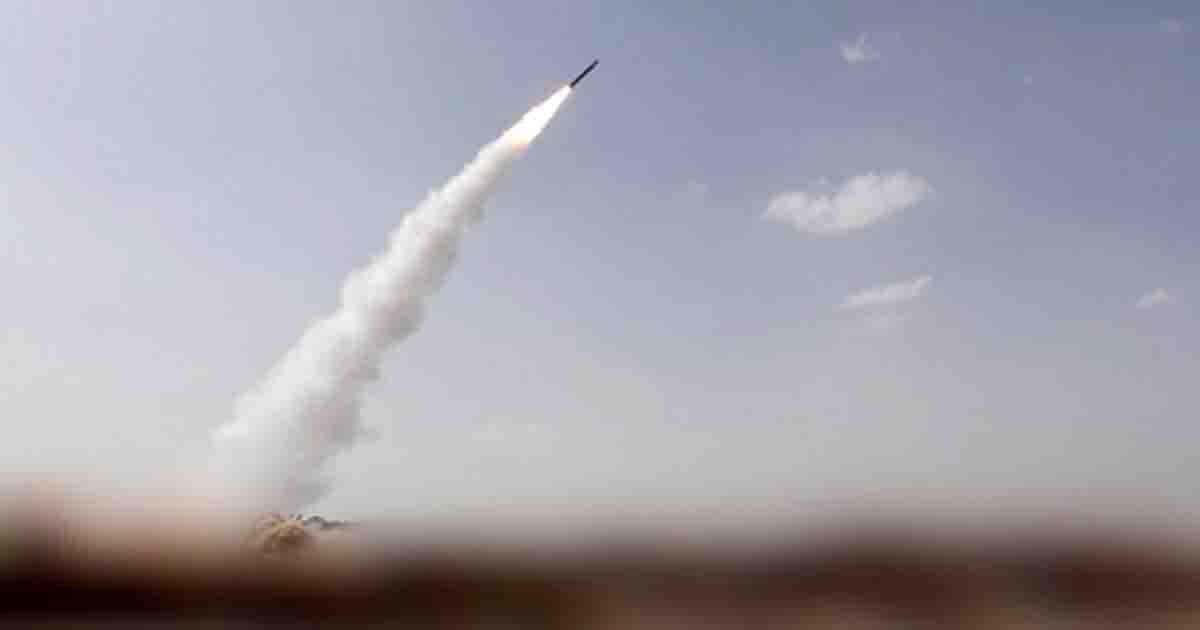
The Saudi-led coalition in Yemen said it had intercepted and destroyed three missiles launched by Yemen’s Houthi group toward Saudi Arabia, including the capital Riyadh, overnight Wednesday.
Coalition spokesman Turki Al-Maliki said early Thursday in a statement on social media platform X that air defences had intercepted two ballistic missiles fired toward Riyadh, where loud explosions were heard in the city center.
Late Wednesday, Al-Maliki said on X that the coalition had intercepted a cruise missile launched toward the kingdom’s western region, Xinhua News Agency reported.
Neither statement mentioned any casualties or material damage.
Meanwhile, Yemen’s Houthi group said on Wednesday it had attacked the Saudi ports of Jeddah and Jazan in retaliation for Saudi airstrikes on Yemen’s Red Sea port of Hodeidah, as the Saudi-led coalition reported intercepting eight drones in eastern and western Saudi Arabia and striking multiple targets in Yemen.
In a televised statement aired by Houthi-run al-Masirah TV, Houthi military spokesperson Yahya Sarea claimed the attacks caused damage at both ports: Jeddah in western Saudi Arabia and Jazan further south near the Yemeni border.
Sarea did not specify the weapons used.
He warned that further attacks on Hodeidah would draw an “immediate and direct” response under a “port-for-port” policy, and pledged to continue operations inside Saudi Arabia until airstrikes stopped and what he described as a blockade on Houthi-held areas was lifted.
Airstrikes hit telecommunications facilities in Hodeidah on Monday, leaving 17 killed and 11 injured, al-Masirah TV reported, citing the Houthi telecommunications department.
Also on Wednesday, coalition spokesman Turki Al-Maliki said in statements on social media platform X that the coalition had intercepted and destroyed seven drones in Saudi Arabia’s Eastern Province, including four in Ras Tanura, and one near Jeddah Islamic Port in the kingdom’s west, with no civilian injuries reported.
In a separate statement, Al-Maliki said it also targeted “operational capabilities” at Hodeidah and destroyed several targets in Yemen’s northern provinces of Saada and Amran.
He also confirmed that a Houthi-launched projectile had hit Jazan port, causing “minor damage” but no civilian injuries.
The exchange came amid intensifying hostilities between the Houthis and government forces supported by the Saudi-led coalition. In recent days, the Houthis have claimed repeated missile and drone attacks on Saudi airports and energy facilities, while Houthi media have reported intensified Saudi airstrikes across Yemen.
Yemen has been mired in conflict since late 2014, when the Houthis seized Sanaa and much of the country’s north, prompting Saudi-led military intervention in 2015 in support of the internationally recognised government.
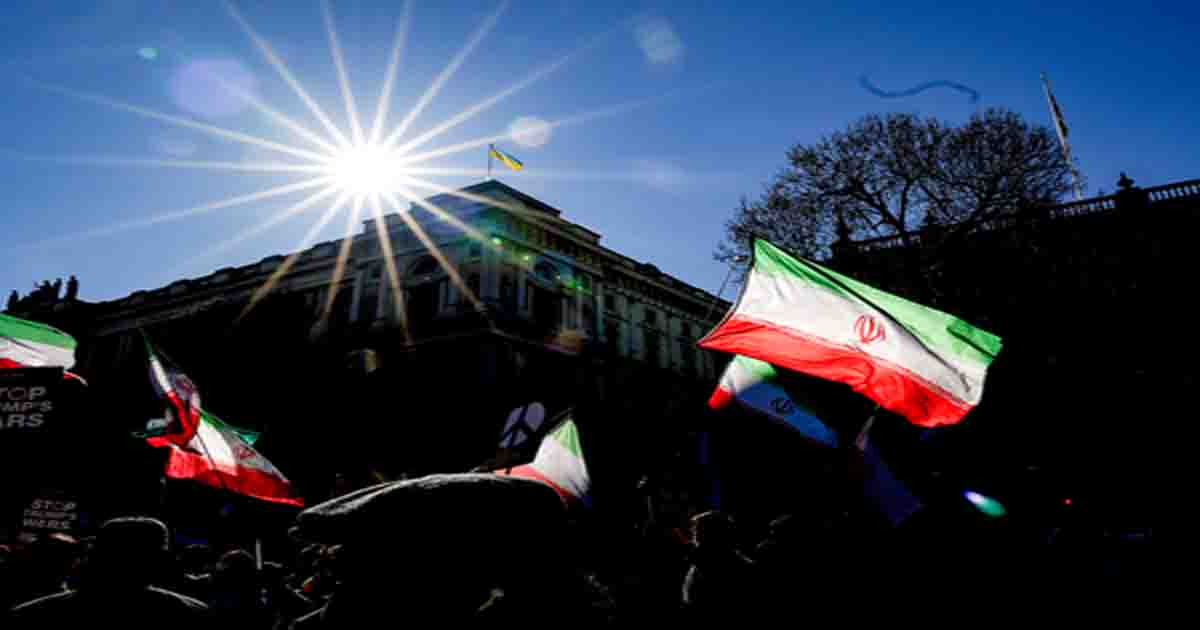
A top Iranian military commander said that the next potential war against Iran will not necessarily be limited to the West Asia region, the official news agency IRNA reported.
There is no geographical limitation on increasing the range of Iran’s missiles, Chief Commander of the Islamic Revolutionary Guard Corps (IRGC) Ahmad Vahidi said on the sidelines of a ceremony in Tehran.
“Today, the war will not be necessarily limited to the region, and these capabilities will be expanded in proportion to the requirements and capacities,” he said.
Separately, Chief of Staff of the Iranian Armed Forces Ali Abdollahi said Tuesday wherever US bases may be established, they will be within the range of Iran’s forces if necessary, Xinhua news agency reported quoting the semi-official Fars news agency.
Meanwhile, the IRGC Navy said in statements that four “violating” oil tankers exploded and caught fire after hitting naval mines in the Strait of Hormuz on Monday and Tuesday.
It warned against crossing “unauthorized” routes in the strait in disregard of the Iranian Armed Forces’ warnings, adding that such moves constitute a violation and cooperation with the “aggressive” forces, which will be dealt with decisively.
The navy of Iran’s Army said Tuesday that two “violating” oil tankers caught fire earlier in the day after hitting naval mines east of the Strait of Hormuz.
The vessels had deactivated their identification and navigation systems and entered a “forbidden” region east of the waterway, the navy said in a statement on the army’s website. It added that the blasts brought the tankers to a halt, underscoring the need to comply with Iran’s regulations for safe passage through the strait.
On February 28, Israel and the United States launched joint attacks on Tehran and other Iranian cities. Iran responded with waves of missile and drone attacks targeting Israel and US bases and assets in the region, and tightened its grip on the Strait of Hormuz.

‘Terrorism is humanity’s greatest enemy’: CM Yogi pays tributes to 26/11 victims

TN CM Vijay to present scholarships to Class 10, 12 toppers from five districts today

Terrorism can never break spirit of nation united in courage, resilience: President Murmu on 26/11 anniversary

Nine Russian, Ukrainian children reunited with families: White House

Years after Mumbai 26/11, India evolves from dossier-led response to proactive counterterrorism

Congress trying to protect 3 crore Bangladeshi infiltrators in voter list: HM Shah

Red Fort car blast probe exposes blueprint for spread of terror modules across India

Trump flags Iran targets as talks continue

‘Conspiracy, not accident’: NCP on Ajit Pawar death

BJP, Shiv Sena slam Mallikarjun Kharge for terming Diwali ‘Khushiyon ka Eid’
-

 Crime4 years ago
Class 10 student jumps to death in Jaipur
-

 Maharashtra2 years ago
Mumbai Local Train Update: Central Railway’s New Timetable Comes Into Effect; Check Full List Of Revised Timings & Stations
-

 Maharashtra2 years ago
Mumbai To Go Toll-Free Tonight! Maharashtra Govt Announces Complete Toll Waiver For Light Motor Vehicles At All 5 Entry Points Of City
-

 Maharashtra2 years ago
False photo of Imtiaz Jaleel’s rally, exposing the fooling conspiracy
-

 National News2 years ago
Ministry of Railways rolls out Special Drive 4.0 with focus on digitisation, cleanliness, inclusiveness and grievance redressal
-

 Maharashtra2 years ago
Maharashtra Elections 2024: Mumbai Metro & BEST Services Extended Till Midnight On Voting Day
-

 National News2 years ago
J&K: 4 Jawans Killed, 28 Injured After Bus Carrying BSF Personnel For Poll Duty Falls Into Gorge In Budgam; Terrifying Visuals Surface
-

 Crime2 years ago
Baba Siddique Murder: Mumbai Police Unable To Get Lawrence Bishnoi Custody Due To Home Ministry Order, Says Report