
National News
Hardik Patel hints at joining BJP next week

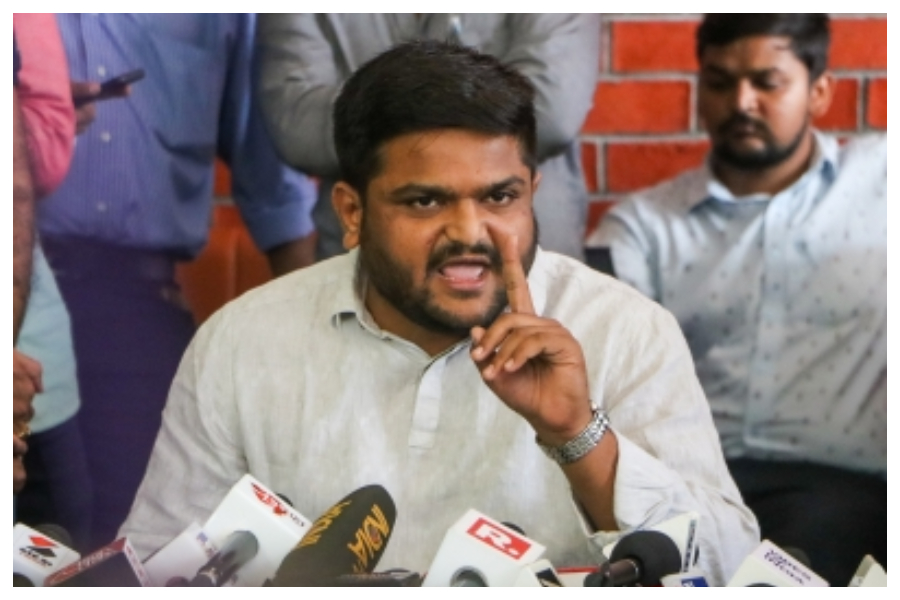
Patidar Anamat Andolan Samiti (PAAS) convener and former Congress working president Hardik Patel will be joining BJP either on May 30 or May 31 in Gandhinagar. He gave the hint on Friday in Ahmedabad and even hinted at contesting elections.
Patel in a programme on a TV channel has hinted that he is joining the BJP, and the party will decide from which constituency he will contest the assembly elections. He also said that he is going to lead an Ekta Yatra from Somnath temple to the Statue of Unity.
It will be a grand show of Hardik Patel joining the BJP, party sources said.
He was given two options on how would he like to join BJP, in presence of National President in New Delhi, or in presence of Gujarat BJP in-charge Bhupender Yadav or B.L. Santhosh in Gandhinagar. He has selected the second option. Hardik and the BJP are planning to address a large gathering on the day, sources said.
Hardik resigned from the Congress as working president as well as primary member of the party on May 18. Since then speculations were rife that he will join the BJP. A day later, at the press conference, he had told the media that he will announce his decision on Friday.
Since the day Hardik resigned from Congress, he has been attacking the party, saying the party is anti-Patidar and anti- Gujarat. He said that even the party national leaders’ action is anti-Gujarat.
Hardik Patel has been particularly targeting Gujarat Congress incharge Raghu Sharma and former GPCC president Bharatsinh Solanki. He said these leaders are not respecting people’s sentiments.


National News
Mumbai Weather Update March 30, 2026: City Wakes Up To Sunny Skies; Light Rain Expected Tomorrow, Likely To Bring Relief From Heat

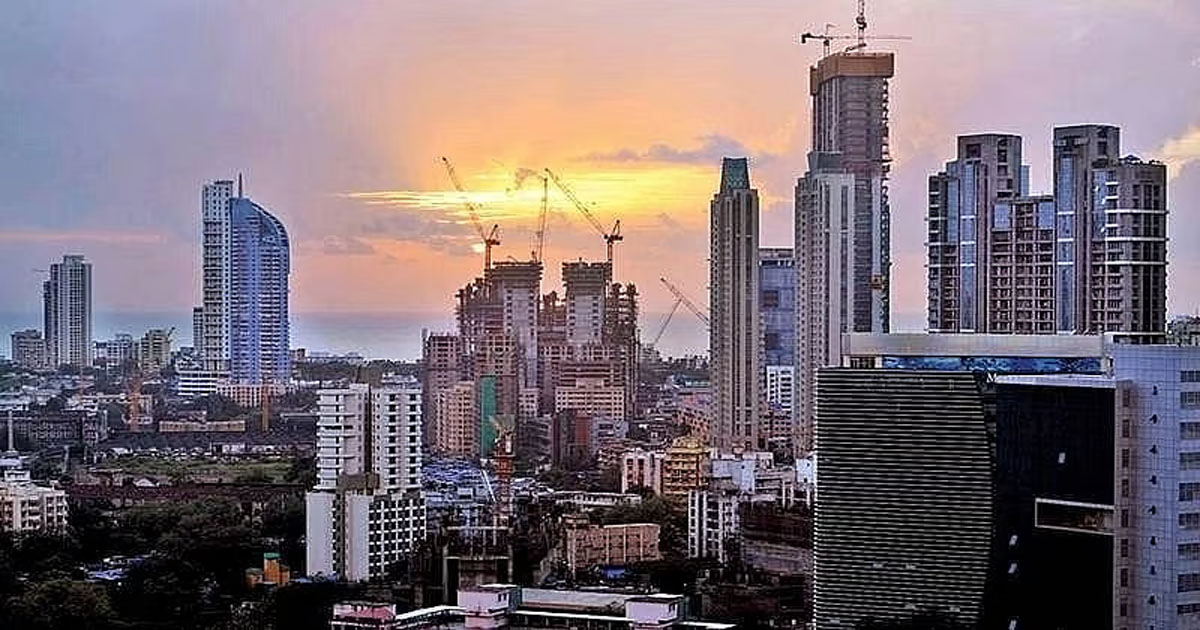
Mumbai: The city wakes up to sunny and humid weather with light winds on Monday morning, with noticeably improved air quality. The temperature at 9 am was recorded at 28 degrees Celsius, with maximum temperature expected to reach 34 degrees Celsius today.
According to the Regional Meteorological Centre, Mumbai, the city is very likely to witness dry weather. Although no heatwave-like conditions are predicted for today, the coming days could see cooler weather due to a weather alert warning of thunderstorms and heavy rainfall in the districts of Khandesh, Marathwada, western Vidarbha, as well as the ghat areas of central Maharashtra between March 30 and April 4. Not just this, in Mumbai and Thane, light rain and thundershowers have been predicted for tomorrow, March 31, giving citizens some respite from the heat.
Data from AQI monitoring platforms showed the city’s overall Air Quality Index (AQI) at 70 in the early hours, placing it in the ‘moderate’ category. However, the improvement is not uniform across the city.
Several areas reported unhealthy air quality levels, like Mirashi Nagar at 168, and Reserve Bank of India Staff quarters Station 2 recorded AQI at 163. Additionally, the overall AQI in Thane was 80, while Navi Mumbai recorded poor category air at 104.
The Chief Minister’s Office, Maharashtra, has issued a weather alert warning of thunderstorms and stormy rainfall across parts of the state between March 30 and April 4. According to the CMO office, the weather alert warning has been issued in the districts of Khandesh, Marathwada, western Vidarbha, as well as the ghat areas of central Maharashtra.
Due to this, an advisory has been issued for farmers saying that they should plan their agricultural activities according to these weather conditions in the coming days.
Citing an appeal from the Agriculture Department, CMO added, as the harvesting of rabi crops is underway, the harvested crops should be stored in a safe place or covered. Additionally, necessary precautions should be taken to prevent crop damage from stormy winds, rain, and possible hailstorms. Citizens and farmers have also been advised to avoid standing under trees, under tin sheds, as well as near electric transformers, electric poles, and power lines.
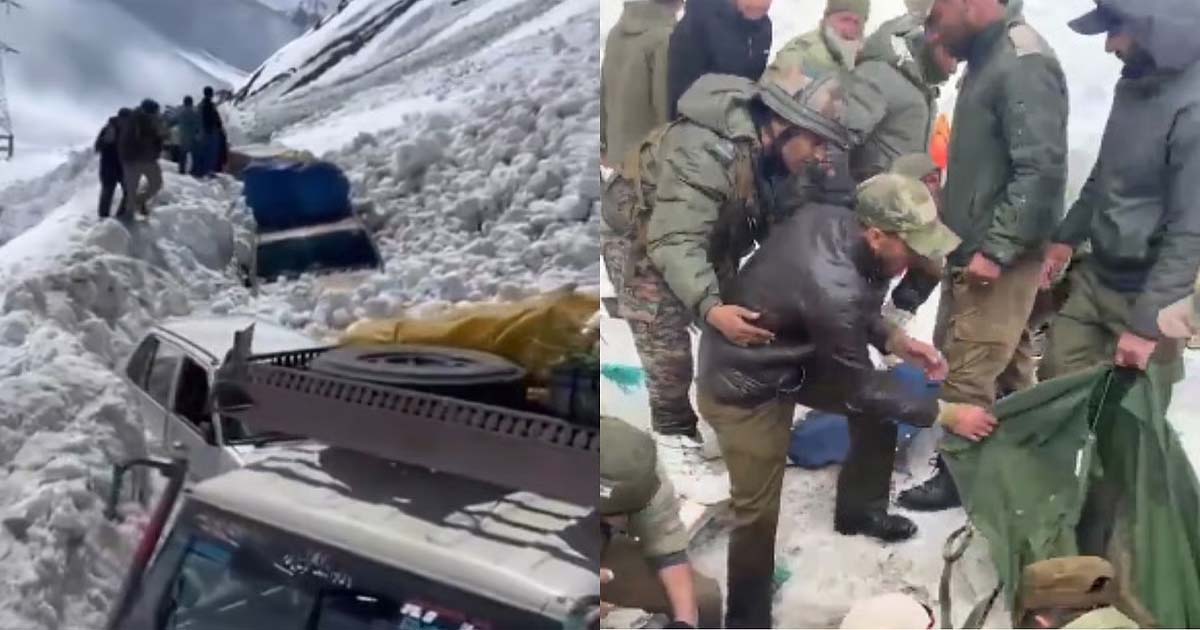
At least six people lost their lives and five others sustained injuries after a series of avalanches struck the Srinagar-Leh National Highway on Friday, burying nearly a dozen vehicles under heavy snow.
Officials confirmed that the incident occurred along the stretch between Zero Point and Minimarg near Zoji La during the afternoon hours. The sudden snow slides trapped multiple cars, leading to casualties and injuries.
Following the tragedy, VK Saxena said he is closely overseeing the situation. He stated that district authorities and senior police officials in Kargil have been instructed to rush to the site and coordinate rescue operations.
Emergency response teams, including disaster relief forces and the Border Roads Organisation, have been placed on high alert to assist in relief efforts and clear the affected highway stretch. Rescue operations are currently underway as authorities work to locate any survivors and restore connectivity.
National News
PM Modi & US President Donald Trump Hold Crucial Talks As West Asia Crisis Deepens; Musk Joins Call
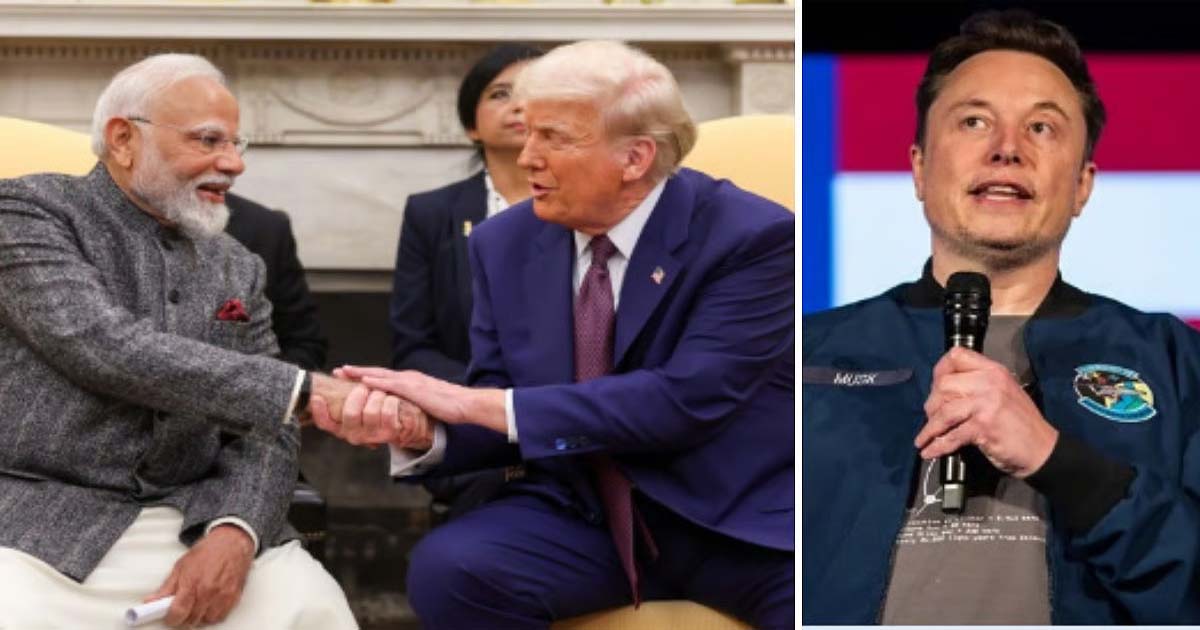
Washington: US President Donald Trump had a productive conversation with Prime Minister Narendra Modi, the White House said on Friday, referring to the talks between the two leaders on Tuesday.
The New York Times reported that billionaire businessman Elon Musk joined the phone call between Modi and Trump on Tuesday when the two leaders discussed the situation in West Asia.
“President Trump has a great relationship with Prime Minister Modi, and this was a productive conversation,” White House Press Secretary Karoline Leavitt said in a statement.
Elon Musk participated in a phone call on Tuesday with President Trump and Prime Minister Narendra Modi of India, an unusual appearance by a private citizen on a call between two heads of state during a wartime crisis.
the inclusion of Musk, confirmed by two US officials, suggests that the world’s richest man is back on better terms with the president.
Trump and Musk had a falling out last year following the billionaire’s departure from the government, where he had been tasked with slashing the work force.
The report said it is unclear why Musk was on the call or whether he spoke.
It was the first conversation between the two leaders since the West Asia conflict began on February 28.
During the conversation, Prime Minister Modi underlined the importance of ensuring that the Strait of Hormuz remains open, secure and accessible, noting that it is vital for global peace, stability and economic well-being.

Mumbai Local Train Tragedy: Fatal Accident Reported At Bhayandar Station’s Platform No 1 – Disturbing Video Surfaces

Cyber Fraud Racket Busted In Mumbai; Accused Used Petrol Pumps To Convert Digital Money Into Cash

Attacks on healthcare in Lebanon surge as humanitarian access tightens in Gaza: UN

Israel passes death penalty law for Palestinians convicted of deadly attacks

Who Is Ashwini Bhide? Mumbai’s ‘Metro Woman’ Appointed As BMC Commissioner

Married Mumbai Woman Mocked In Andheri Society Over ‘Lift Kissing’ CCTV Video, Files Police Complaint

LPG Crisis In Maharashtra: Cyber Crime On Rise Amid Shortage, 2 Women Lose ₹4 Lakh In ‘Gas Update’ Online Scam In Kalyan-Dombivli

Mahayoti’s big gift to the people of Mumbai… Now there is no tax for houses up to 500 square feet, the Municipal Corporation has increased this limit to 700 square feet.

Rashmika Mandanna-Vijay Deverakonda Wedding: Virosh Turn Modern Day Prince & Princess For Their Dreamy Sangeet Ceremony

Dhurandhar 2 Box Office Collection Day 1: Ranveer Singh Starrer Takes An Exceptional Opening; Crosses ₹100 Crore Mark
-

 Crime4 years ago
Class 10 student jumps to death in Jaipur
-

 Maharashtra1 year ago
Mumbai Local Train Update: Central Railway’s New Timetable Comes Into Effect; Check Full List Of Revised Timings & Stations
-

 Maharashtra1 year ago
Mumbai To Go Toll-Free Tonight! Maharashtra Govt Announces Complete Toll Waiver For Light Motor Vehicles At All 5 Entry Points Of City
-

 Maharashtra2 years ago
False photo of Imtiaz Jaleel’s rally, exposing the fooling conspiracy
-

 National News1 year ago
Ministry of Railways rolls out Special Drive 4.0 with focus on digitisation, cleanliness, inclusiveness and grievance redressal
-

 Maharashtra1 year ago
Maharashtra Elections 2024: Mumbai Metro & BEST Services Extended Till Midnight On Voting Day
-

 National News2 years ago
J&K: 4 Jawans Killed, 28 Injured After Bus Carrying BSF Personnel For Poll Duty Falls Into Gorge In Budgam; Terrifying Visuals Surface
-

 Crime1 year ago
Baba Siddique Murder: Mumbai Police Unable To Get Lawrence Bishnoi Custody Due To Home Ministry Order, Says Report