
International
Former South Africa skipper Graeme Smith cleared of racism allegations


Former Cricket South Africa (CSA) Director of Cricket, Graeme Smith has been cleared by two independent arbitrators of racism allegations against him, which emanated from CSA’s Social Justice and Nation-Building (SJN) process.
In December 2021, Dumisa Ntsebeza, the SJN Ombudsman, had made “tentative findings” regarding various persons, including Graeme Smith, but indicated that he was not in a position to make “definite findings” on allegations before him. The Ombudsman had recommended that a further formal process should take place to achieve finality on these issues.
CSA followed these recommendations by initiating an arbitration process regarding Smith before two independent advocates, Ngwako Maenetje and Michael Bishop.
During the full arbitration process, both CSA and Smith were legally represented and witnesses were called and cross-examined by both sides, and the findings and evidence from the SJN process were placed before the arbitrators.
In the arbitration award, Maenetje and Bishop determined that, “There was no evidentiary basis to conclude that Mr Smith engaged in racial discrimination against Mr Thami Tsolekile (former cricketer) during the period 2012/2014. There was no evidentiary basis to conclude that Mr Smith was racially biased against black leadership at CSA.
“There was no evidentiary basis to conclude Mr Smith’s appointment of Mr Mark Boucher, rather than Mr Enoch Nkwe, as coach of the men’s Proteas team in 2019 amounted to unfair racial discrimination. The arbitration award directed CSA to pay Mr Smith’s costs,” the advocates said in the judgement.
Lawson Naidoo, Chair of the CSA Board, said, “The manner in which these issues have been dealt with and resolved by the arbitration proceedings confirms CSA’s commitment to deal with the SJN issues in a manner that treats them with utmost seriousness but also ensures fairness, due process and finality.
“Now that finality on these processes has been reached, it is appropriate to recognise the extraordinary contribution that Graeme (Smith) has made to South African cricket, first as the longest-serving Test captain in cricket history and then as Director of Cricket from 2019 to 2022. His role as the DoC has been critical in rebuilding the Proteas men’s team in particular and has laid a solid foundation for his successor.”
Smith’s contract as Director of Cricket ended in March this year and CSA has publicly advertised the position.
“We fully appreciate that after his time as the DoC, Graeme wants new challenges in the commercial and cricket worlds. He has a long career ahead of him and we very much hope that he will still work in the cricket world in appropriate capacities going forward,” added Naidoo.
CSA said it “appreciates” it has been difficult for Smith to endure the “unwarranted public disclosures” of his personal information, including his remuneration, during the SJN process.
“On behalf of the staff and players at CSA, I would like to thank Graeme for all that he did as the Director of Cricket. He put up his hand at a particularly tumultuous period for CSA and he has often gone beyond his contracted duties to assist CSA during his term,” said CSA CEO Pholetsi Moseki.


International
Iran vs US-Israel War: India Sets Up MEA Control Room, Shares Embassy Helplines To Assist Citizens Stranded In Gulf Amid Middle East Tensions

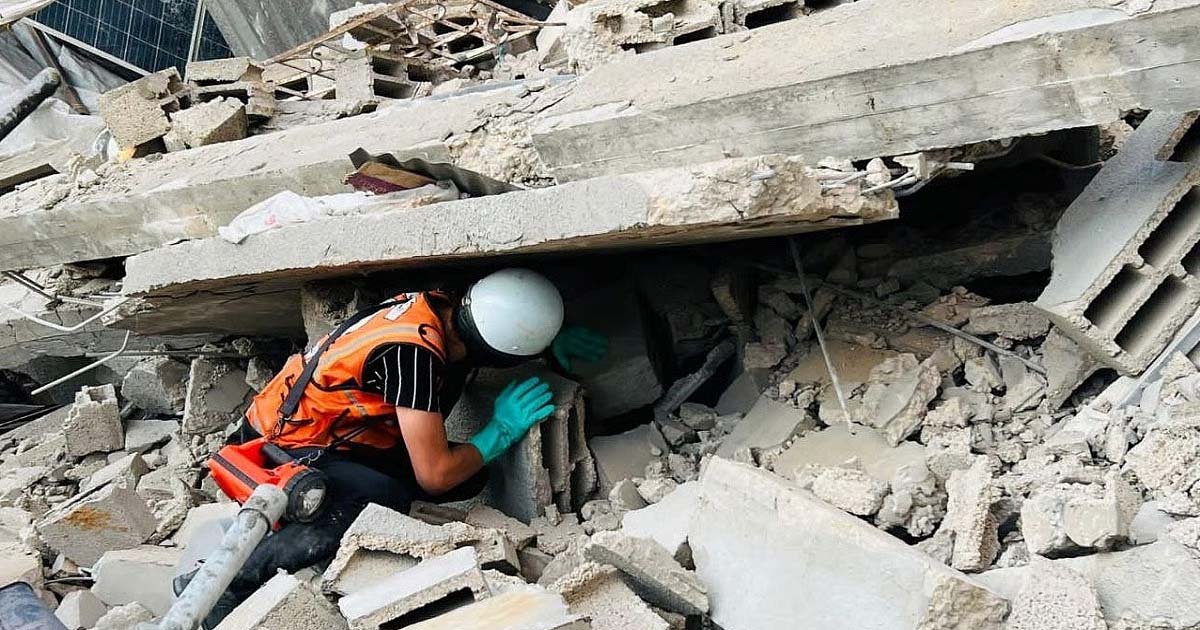
New Delhi: India has intensified efforts to assist its citizens stranded across Gulf countries as tensions continue to escalate in the Middle East. The Ministry of External Affairs (MEA) has set up a dedicated control room to coordinate assistance and provide real-time support to Indian nationals affected by the crisis.
MEA Official Spokesperson Randhir Jaiswal shared the update on X, announcing that the control room will operate daily from 9 am to 9 pm. The helpline numbers issued by the ministry are 1800118797 (toll-free), +91 11 2301 2113, +91 11 2301 4104 and +91 11 2301 7905.
In addition, the MEA released a list of emergency contact numbers for Indian embassies and missions across the region to ensure stranded citizens can seek immediate help. These include Bahrain, Iran, Iraq, Israel, Jordan, Kuwait, Lebanon, Oman, Qatar, Ramallah, Saudi Arabia and the United Arab Emirates.
In a statement issued on Tuesday, the MEA said India has once again strongly called for dialogue and diplomacy to bring an early end to the conflict in West Asia. Jaiswal said New Delhi is ‘raising its voice clearly’ for de-escalation and expressed grief over the large number of lives lost in the violence.
Safety & Well-Being Of Indians Top Priority
He emphasised that nearly one crore Indian citizens live and work in the Gulf region, making their safety and well-being a top priority for the government. “India cannot be immune to developments that negatively affect this region,” Jaiswal said, noting that vital trade routes and energy supply chains pass through West Asia. He warned that any major disruption could have serious consequences for the Indian economy.
The spokesperson also said India is firmly opposed to attacks on merchant shipping, pointing out that some Indian nationals have been killed or are missing following recent incidents at sea. He added that the conflict has not only intensified but also spread to other countries, bringing normal life and economic activity in parts of the region to a standstill.
India had earlier expressed deep concern when hostilities began in Iran and the Gulf region on February 28, urging all sides to exercise restraint and prioritise civilian safety. Jaiswal said it was particularly unfortunate that the situation has worsened during the holy month of Ramadan.
The MEA said Indian embassies and consulates in affected countries remain in close contact with Indian nationals and community organisations, issuing regular advisories and extending all possible assistance to those stranded by the conflict.
International
UNSC asks all countries to cooperate in bringing Pahalgam terrorists, backers to justice
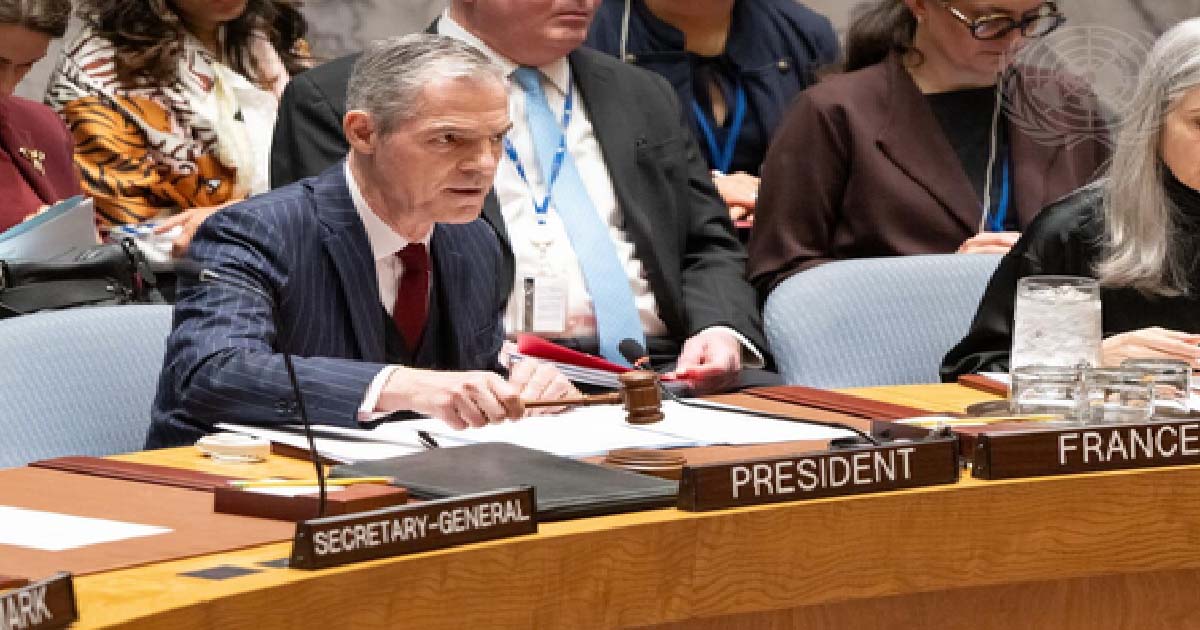
United Nations, April 26: The Security Council has “condemned in the strongest terms” the Pahalgam terrorist attack and urged all countries to cooperate in bringing all those involved in the massacre, to justice.
The members of the Security Council “stressed that those responsible for these killings should be held accountable, and urged all States, in accordance with their obligations under international law and relevant Security Council resolutions, to cooperate actively with all relevant authorities in this regard”, Council President Jerome Bonnafont said in a Press statement on Friday.
A front organisation of the Pakistan-based terrorist group Laskhar-e-Tayiba has owned responsibility for the attack.
The statement issued by France’s Permanent Representative Bonnafont who is the Council president for this month, took a broad view of those involved in the massacre by including the financiers and sponsors.
“The members of the Security Council underlined the need to hold perpetrators, organisers, financiers and sponsors of this reprehensible act of terrorism accountable and bring them to justice”, the statement said.
Pakistan, which is on the Council as an elected member, went along with the other members in endorsing the statement, committing itself – at least on paper – to bringing those involved to justice.
A Press statement expresses the consensus of the Council and carries moral authority, while not being legally binding like a resolution.
The statement also shot down the attempts by some in Pakistan to give terrorist attacks a veneer of justification.
“The members of the Security Council reiterated that any acts of terrorism are criminal and unjustifiable, regardless of their motivation, wherever, whenever and by whomsoever committed”, it said.
The Council members “reaffirmed the need for all States to combat by all means, in accordance with the Charter of the United Nations and other obligations under international law, including international human rights law, international refugee law and international humanitarian law, threats to international peace and security caused by terrorist acts”, the statement added.
Earlier, the spokesperson for Secretary-General Antonio Guterres hinted that a diplomatic effort by him may be afoot.
Asked by a reporter, if Guterres would speak to leaders of India and Pakistan, Spokesperson Stephane Dujarric said that he hoped to have something to share on that later.
Reiterating the condemnation of the terrorist attacks, Dujarric said, “We again urge both the Government of India and the Government of Pakistan to exercise maximum restraint to ensure the situation does not deteriorate further.”
When a reporter asserted that the possibility that “two nuclear countries” might “go to war” was getting insufficient attention, Dujarric said, “I don’t agree with your comment. We are paying very close attention to the situation between India and Pakistan.”
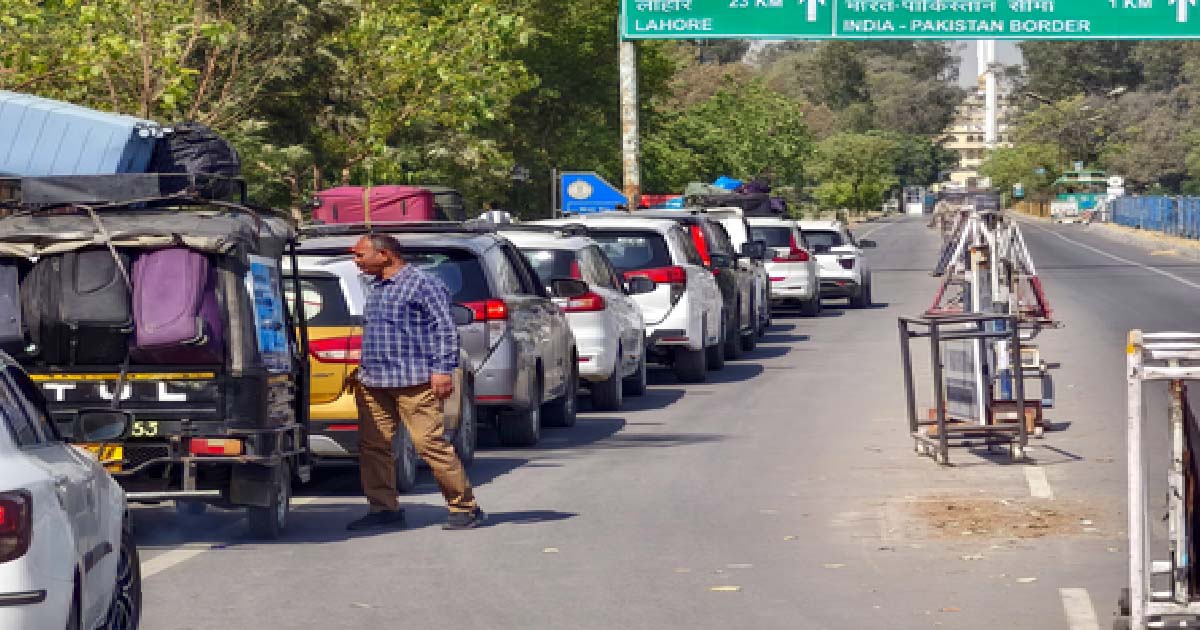
Islamabad, April 25: Pakistan and India’s decision to shut down the Wagah-Attari border crossing after the deadly Pahalgam terror attack has forced several citizens from both countries to cut short their visit and rush back home.
On Thursday, after both countries announced closure of border crossing and gave a deadline for citizens to leave for their respective countries, at least 28 Pakistanis nationals returned from India while 105 Indian citizens in Pakistan crossed over into India.
A Hindu family from Balochistan’s Sibi was reportedly denied entry into India after the closure of border crossing.
“We were on our way to Indore in Madhya Pradesh to attend a wedding. Seven members of our family were excited to join our relatives in India and take part in the celebrations. But upon reaching Wagah, we learned that the border had been sealed. We will spend the night at Dera Sahib in Lahore and head back home tomorrow,” said Akshay Kumar.
Meanwhile, a Sikh family from India, in Pakistan to attend a wedding, decided to leave for India immediately.
“We had come to Pakistan for a wedding. While the ceremony took place, several important rituals remained. Once we heard the border was closed, we decided to return immediately,” said Raminder Singh, an Indian national.
A Hindu family from Ghotki in Pakistan’s Sindh province, now residing in New Delhi, was visiting Pakistan for the last two months to meet their relatives. However, they are now unsure about getting permission to return to India.
“There are five of us, including my young son and daughter, uncle and aunt. We all hold Pakistani passports and were granted No Obligation to Return to India (NORI) certificate by India. But uncertainty looms now, said a family member named Indira.
“Families with cross-border ties often bear the brunt of rising tensions between the two neighbours. With tensions between Pakistan and India once again on the rise, human connections across borders are becoming the first casualty,” said Asif Memood, a Lahore-based journalist.
“The closure of the Wagah-Attari border has left many families in limbo, uncertain when they will next reunite with their loved ones,” he added.

Netanyahu speaks with PM Modi, invites him for Israel’s Independence Day along with heroic Indian pilot

Aasif Khan’s wife reveals actor suffered major heart attack, calls out Qazi Touqeer for mocking him

Four more arrested in Tiger Shroff firing case; two women accused of supplying weapons, accused remanded to police custody till October 26.

Swiggy’s Q2 net loss widens sequentially to Rs 922 crore

12 injured in attack on Dalit family in Patna, two critical

Rahul, Cong ecosystem want to force regime change: BJP after Neha Bora praises B’desh Gen-Z protest

Attack on democratic rights: INDIA Bloc leaders on detentions of anti-ECI protestors

BJP pays tribute to ex-President Abdul Kalam, recalls his enduring influence on generations of India’s youth

INDIA bloc begins protest march against ECI

Maha Congress stages agitation against Gyanesh Kumar
-

 Crime4 years ago
Class 10 student jumps to death in Jaipur
-

 Maharashtra2 years ago
Mumbai Local Train Update: Central Railway’s New Timetable Comes Into Effect; Check Full List Of Revised Timings & Stations
-

 Maharashtra2 years ago
Mumbai To Go Toll-Free Tonight! Maharashtra Govt Announces Complete Toll Waiver For Light Motor Vehicles At All 5 Entry Points Of City
-

 Maharashtra2 years ago
False photo of Imtiaz Jaleel’s rally, exposing the fooling conspiracy
-

 National News2 years ago
Ministry of Railways rolls out Special Drive 4.0 with focus on digitisation, cleanliness, inclusiveness and grievance redressal
-

 Maharashtra2 years ago
Maharashtra Elections 2024: Mumbai Metro & BEST Services Extended Till Midnight On Voting Day
-

 National News2 years ago
J&K: 4 Jawans Killed, 28 Injured After Bus Carrying BSF Personnel For Poll Duty Falls Into Gorge In Budgam; Terrifying Visuals Surface
-

 Crime2 years ago
Baba Siddique Murder: Mumbai Police Unable To Get Lawrence Bishnoi Custody Due To Home Ministry Order, Says Report