
International News
EU condemns Pakistani strike on Afghan hospital as deadly escalation, urges restraint

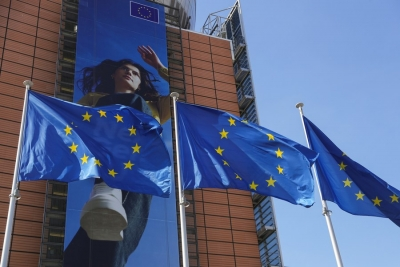
The European Union (EU) has condemned a Pakistani airstrike on a medical facility in Kabul, describing it as a deadly escalation in the ongoing conflict between Pakistan and Afghanistan.
The EU urged both sides to exercise maximum restraint and take all feasible measures to protect civilians, warning that attacks on civilian and medical facilities violate international humanitarian law.
The statement comes after a Pakistani strike on Monday night targeted the 2,000-bed Omid Addiction Treatment Hospital in Kabul’s Pul-e-Charkhi area, killing hundreds and injuring several others.
“Civilian and medical facilities must never be targeted, as they are protected under International Humanitarian Law, including the Geneva Conventions. All parties engaged in military operations have the obligation to respect these provisions under all circumstances,” the EU said.
The EU joined the international community in calling for an immediate ceasefire and the resumption of dialogue between Pakistan and Afghanistan.
Afghanistan’s Acting Foreign Minister, Mawlawi Amir Khan Muttaqi, on Tuesday claimed that the attack carried out by Pakistani forces at Omid Addiction Treatment Hospital killed more than 408 patients undergoing drug rehabilitation and injured over 265.
Addressing ambassadors, heads of missions, and representatives of international organisations in Kabul, Muttaqi said the strikes occurred around 9 p.m. on March 16 and were conducted by “military aircraft and drones of the Pakistani military regime,” deliberately targeting one of the most vulnerable groups in Afghan society.
He added that the victims were drug-addicted individuals receiving treatment through Afghan government programmes supported by international humanitarian organisations, and warned that the numbers could rise further.
Muttaqi accused Pakistan’s military of showing no regard for Islamic or humanitarian principles of warfare, deliberately striking civilian and humanitarian facilities, and highlighted that the assault came during the final days of Ramadan and on the eve of Eid al-Fitr.
He said Afghan security forces had responded with proportionate and defensive measures, targeting only military sites from which attacks were launched, and reiterated that such actions would continue until Pakistan ceased its “violations and crimes.”


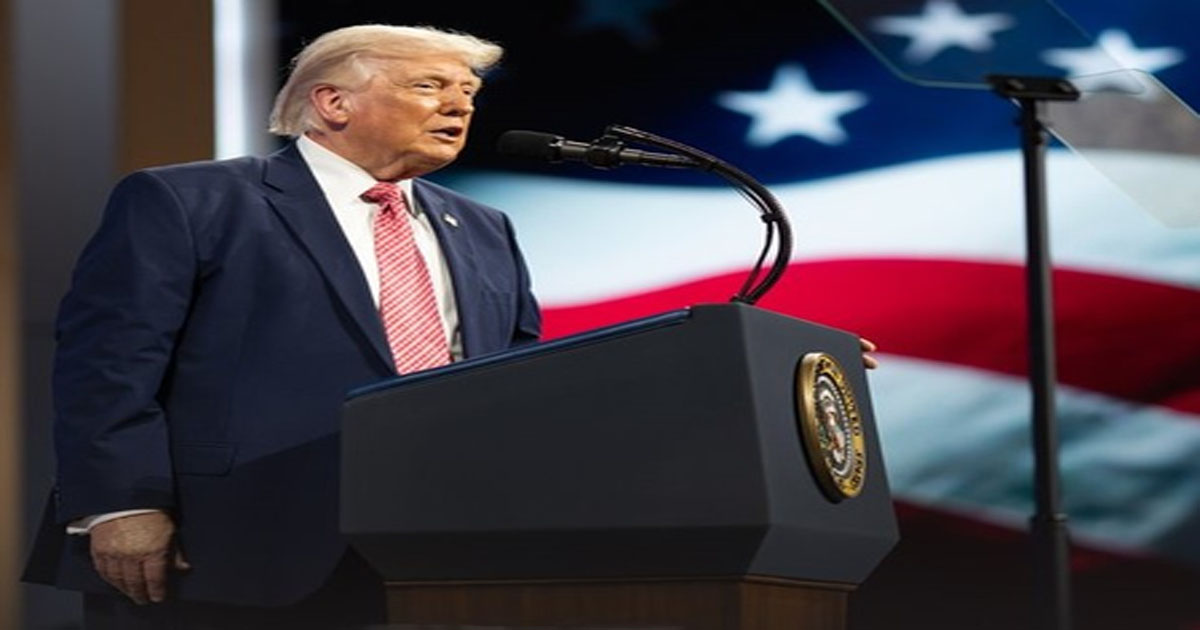
Washington, April 15: US President Donald Trump said a second round of direct talks with Iran could take place “over the next two days,” signalling a possible diplomatic opening even as the United States presses ahead with a naval blockade targeting Iranian-linked shipping.
In an interview with The New York Post, Trump said negotiations could happen soon and pointed to Pakistan as a possible venue. “Something could be happening over the next two days, and we’re more inclined to go there,” he said, referring to Islamabad.
The comments came after an earlier round of talks failed to yield a breakthrough. Trump suggested initial plans had pointed to Europe before shifting towards Pakistan.
The diplomatic push comes alongside heightened tensions in the Gulf. US Central Command said that no ships from Iranian ports passed through its blockade in the first 24 hours. Six merchant vessels complied with US instructions and turned back towards Iranian ports in the Gulf of Oman.
Shipping data showed a more mixed picture. Several Iran-linked vessels were tracked moving through the Strait of Hormuz after the blockade began, though some appeared to stop or change course after entering open waters.
More than 20 commercial ships not linked to Iran transited the strait in the same period, including tankers and cargo vessels. That suggests traffic through the key waterway has not been fully disrupted.
Vice President JD Vance said in Georgia that Washington is seeking a broader agreement with Tehran. He said the United States wants Iran to prosper economically, but only if it commits to not developing a nuclear weapon.
Diplomatic activity is also under way elsewhere in the region. Israel and Lebanon agreed to “launch direct negotiations” after rare face-to-face talks in Washington, in a move seen as part of wider efforts to stabilise tensions linked to the Iran conflict.
The United Nations has urged continued engagement. Secretary-General António Guterres said talks between Washington and Tehran are likely to resume and called for sustained diplomatic efforts.
Markets reacted quickly to the prospect of renewed talks. US crude futures fell nearly 8 per cent to their lowest level in weeks, reflecting hopes that tensions could ease and energy flows stabilise.
Still, uncertainty remains over the blockade and its enforcement. The Strait of Hormuz carries a significant share of global oil shipments, making it a critical chokepoint for energy markets.
The US-Iran standoff follows decades of strained relations centred on Tehran’s nuclear programme and regional role. Previous efforts to curb Iran’s nuclear activity in exchange for sanctions relief have repeatedly stalled.
Any sustained disruption in the Strait of Hormuz has historically led to volatility in oil prices and raised concerns about global energy security.
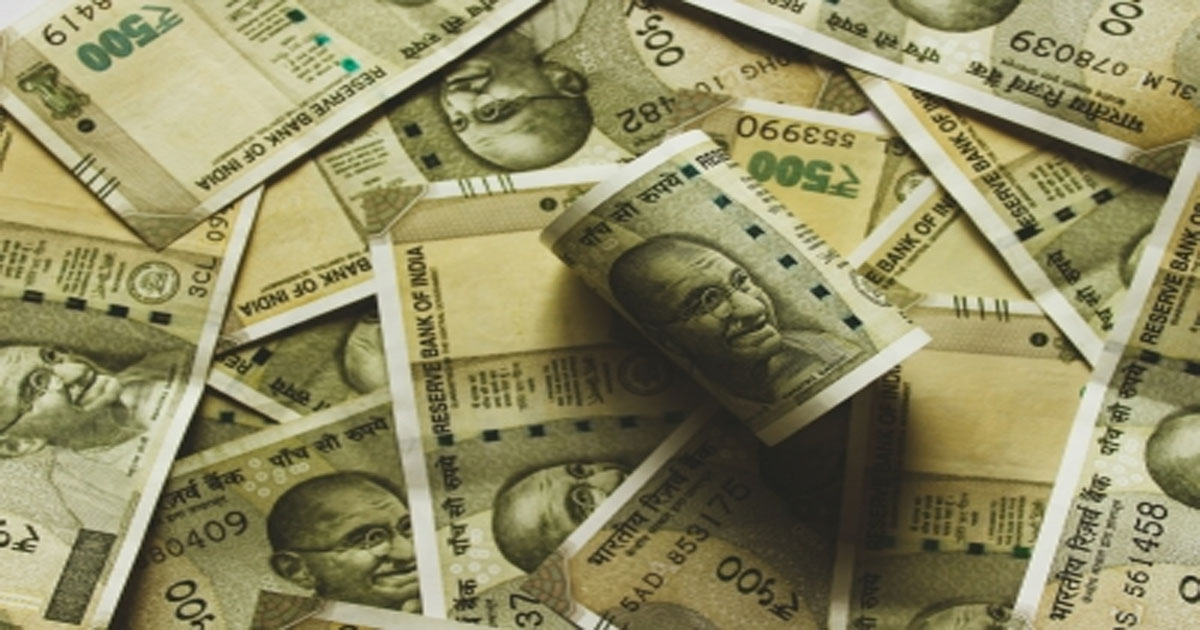
New Delhi, April 14: Indian agencies have reported a sharp rise in counterfeit currency seizures, pointing to a renewed push by organised networks to expand operations.
Investigators say the syndicate linked to Dawood Ibrahim, operating from Pakistan, is increasingly directing operatives in India to print fake notes locally instead of relying on cross-border smuggling routes through Pakistan and Bangladesh.
The trend points to a deliberate attempt to scale up production, with signs of a coordinated effort to undermine the Indian economy. Recent months have seen multiple seizures in border regions due to tighter security. At the same time, attempts to drop counterfeit currency using drones are being detected and intercepted with increasing frequency.
An Intelligence Bureau official said that the syndicate is now directing its operatives in India to print fake notes locally and circulate them within the market. They have been advised to keep operations small but frequent to maintain overall volume while avoiding attention.
“To reduce the risk of detection, members are also shifting bases regularly, making it difficult for agencies to track and pin down a single location,” the official added.
The route through the Bangladesh border has also become increasingly difficult for smugglers to use. Enhanced security measures have tightened surveillance, making it harder for operatives to push counterfeit currency into India.
Another official said the strategy now is to expand printing across multiple states, including Gujarat, Uttar Pradesh, Rajasthan, and Punjab. In the past, the syndicate had set up a localised unit in Malda, West Bengal, where high-quality counterfeit notes were produced and were difficult to detect.
“However, after the unit was uncovered, intensified action by agencies led to a sharp decline in operations,” the official said.
Another official said printing capacity in Malda has dropped by more than half after agencies, including the National Investigation Agency (NIA), intensified investigations and enforcement.
Officials added that efforts are underway to push in raw materials needed to set up fresh units to expand local production. If these consignments reach operatives in India, output could increase again. Even as the focus shifts to domestic printing, attempts to move counterfeit currency across the border using drones are expected to continue.
Last month, the Border Security Force (BSF) and Amritsar Police seized counterfeit currency worth Rs 2.5 lakh, which officials believe may have been a trial run. While drones have been intercepted carrying drugs, arms, and ammunition on several occasions, their use for moving fake currency has emerged as a growing concern.
Agencies said the syndicate is now relying on smaller consignments that are harder to detect on radar and surveillance systems. An official noted that operatives are adopting varied methods to increase the circulation of counterfeit notes.
Even as local production gathers pace, the use of drones is expected to continue. The broader objective, officials said, is to generate funds for terror activities and to inflict economic damage through the sustained circulation of fake currency.
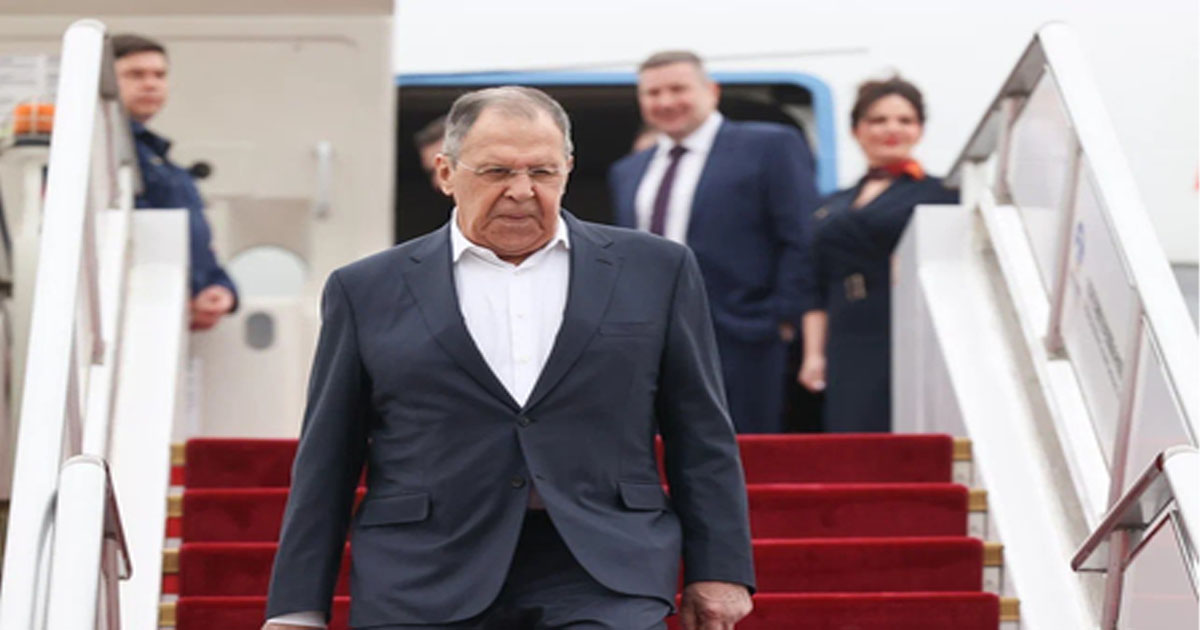
Beijing, April 14: Russian Foreign Minister Sergei Lavrov arrived in China on Tuesday for a two-day official visit to discuss the bilateral cooperation across key sectors, as well as the ongoing conflicts in Ukraine and West Asia.
Earlier on Monday, the Russian Foreign Ministry announced that during his visit to China from April 14-15, the Foreign Minister will hold talks with his Chinese counterpart, Wang Yi.
“The two countries’ foreign ministers will discuss a wide range of bilateral cooperation issues, prospects for contacts at various levels, and international collaboration, with a focus on joint work within the UN, BRICS, SCO, G20, APEC, and other multilateral mechanisms and forums. A detailed exchange of views is expected on a number of hot topics and regional issues, including the Ukrainian crisis and the situation in the Middle East,” it added.
Meanwhile, Chinese Foreign Ministry Spokesperson Guo Jiakun said at a regular press briefing that during this visit, the foreign ministers of the two countries will exchange views and coordinate positions on the development of bilateral ties, cooperation in various fields, and international and regional issues of mutual concern, according to Xinhua news agency.
This also came as Russian presidential spokesperson Dmitry Peskov on Monday admitted that the US blockade of the Strait of Hormuz is likely to impact international markets negatively.
“Most likely, such actions will continue to negatively impact international markets; this can be assumed with a high degree of certainty,” the Kremlin spokesman was quoted as saying by Russia’s leading Tass news agency during a regular media briefing in Moscow.
Responding to another question, he asserted that details on the US blocking of the Strait of Hormuz remain unclear.
“Many details here remain unclear and incomprehensible, so I would refrain from any substantive comments at this time,” Peskov commented on the US threat of blocking the strait.
On Sunday, the United States made it clear that it will begin enforcing a sweeping maritime blockade of vessels entering or exiting Iranian ports from April 13, escalating tensions after high-stakes talks between Washington and Tehran failed to yield agreement on key issues, including Iran’s nuclear programme.

Drain cleaning work continues on a war scale in the western suburbs, Additional Municipal Commissioner Dr. Vipin Sharma visits

Corporator Lakshmi Bhatia’s wallet was stolen during a meeting of the Mumbai Municipal Corporation Standing Committee; ₹20,000 in cash was taken—raising questions about security?

Goregaon NESCO concert turns into drug party, investigation launched after death of two youths

Centre provides security to Raghav Chadha after Punjab withdraws cover: Sources

Who Is Mohammad Ayaz? Man Accused Of Sexually Exploiting 180 Minor Girls, Shooting 350 Videos; Arrested In Amravati

Dhurandhar 2 Box Office Collection Day 1: Ranveer Singh Starrer Takes An Exceptional Opening; Crosses ₹100 Crore Mark

Mumbai Police Busts Fake Apple Accessories Racket In Ghatkopar, ₹16.33 Lakh Goods Seized; Six Booked

Dhurandhar 2 Box Office Collection Day 9: Ranveer Singh Starrer Earns ₹41.55 Crore On Its Second Friday; Enters ₹700 Crore Club

Bharti Airtel Receives ₹1,74,000 Penalty Notice From DoT For Subscriber Verification Lapses

Mumbai: 28-Year-Old Ghatkopar Woman Killed By Speeding Tanker While Crossing Road, Driver Arrested
-

 Crime4 years ago
Class 10 student jumps to death in Jaipur
-

 Maharashtra2 years ago
Mumbai Local Train Update: Central Railway’s New Timetable Comes Into Effect; Check Full List Of Revised Timings & Stations
-

 Maharashtra2 years ago
Mumbai To Go Toll-Free Tonight! Maharashtra Govt Announces Complete Toll Waiver For Light Motor Vehicles At All 5 Entry Points Of City
-

 Maharashtra2 years ago
False photo of Imtiaz Jaleel’s rally, exposing the fooling conspiracy
-

 National News2 years ago
Ministry of Railways rolls out Special Drive 4.0 with focus on digitisation, cleanliness, inclusiveness and grievance redressal
-

 Maharashtra1 year ago
Maharashtra Elections 2024: Mumbai Metro & BEST Services Extended Till Midnight On Voting Day
-

 National News2 years ago
J&K: 4 Jawans Killed, 28 Injured After Bus Carrying BSF Personnel For Poll Duty Falls Into Gorge In Budgam; Terrifying Visuals Surface
-

 Crime2 years ago
Baba Siddique Murder: Mumbai Police Unable To Get Lawrence Bishnoi Custody Due To Home Ministry Order, Says Report