
Business
125 top Indian merchants vow to boycott trade with Turkey, Azerbaijan

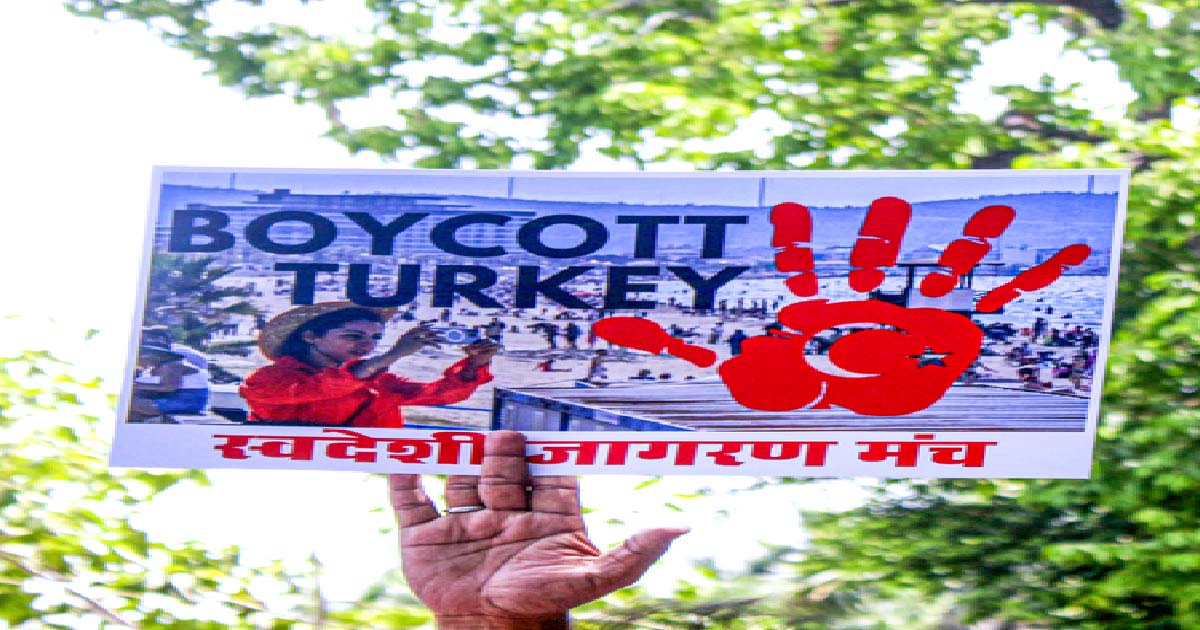
New Delhi, May 16: More than 125 top trade leaders from across the country on Friday resolved to boycott all forms of trade and commercial engagement with Turkey and Azerbaijan, including travel and tourism.
The trade leaders also appealed to the Indian film Industry not to undertake shooting of any film in Turkey or Azerbaijan and if any shooting is done, the business community and the people would boycott such films. The resolution also warns corporate houses not to shoot any product promotion film in Turkey or Azerbaijan.
The decision was taken at a National Conference of Trade Leaders convened by the Confederation of All India Traders (CAIT) here, where representatives from 24 states participated. It was strongly affirmed in the conference to stand in solidarity with Prime Minister Narendra Modi and to oppose stoutly anyone against India at this crucial juncture.
The resolution comes in response to the recent stand taken by Turkey and Azerbaijan in open support of Pakistan, at a time when India is facing a sensitive and critical national security situation. The collective Indian trading community views this as a betrayal, particularly considering the humanitarian and diplomatic support extended to both these countries in the past by India.
Addressing the gathering, CAIT Secretary General and Member of Parliament Praveen Khandelwal said: “It is deeply unfortunate that Turkey and Azerbaijan, who have benefited from India’s goodwill, aid, and strategic support in times of distress, have now chosen to side with Pakistan — a country known globally for its support to terrorism. Their position not only hurts India’s sovereignty and national interest but also directly insults the sentiments of 140 crore Indians.”
The conference noted that Turkey’s repeated anti-India rhetoric at international platforms and its continued support for Pakistan’s narrative is unacceptable whereas Azerbaijan’s alignment with Turkey and public endorsements of Pakistan’s stand reflect a disturbing disregard for India’s long-standing friendship and assistance.
CAIT National President BC Bhartia said the the traders’ community expressed strong resentment and disappointment against both countries, calling their actions “ungrateful and hostile.” It was unanimously agreed that such nations do not deserve any economic cooperation or trade advantage from India.
The trade leaders acclaimed the decision of the government for revoking security clearance for Turkish company Celebi in the interest of national security which is handling services at nine major airports of India.
CAIT said it will also launch a nationwide awareness campaign to educate and mobilise traders, consumers, and travel professionals to join this boycott.


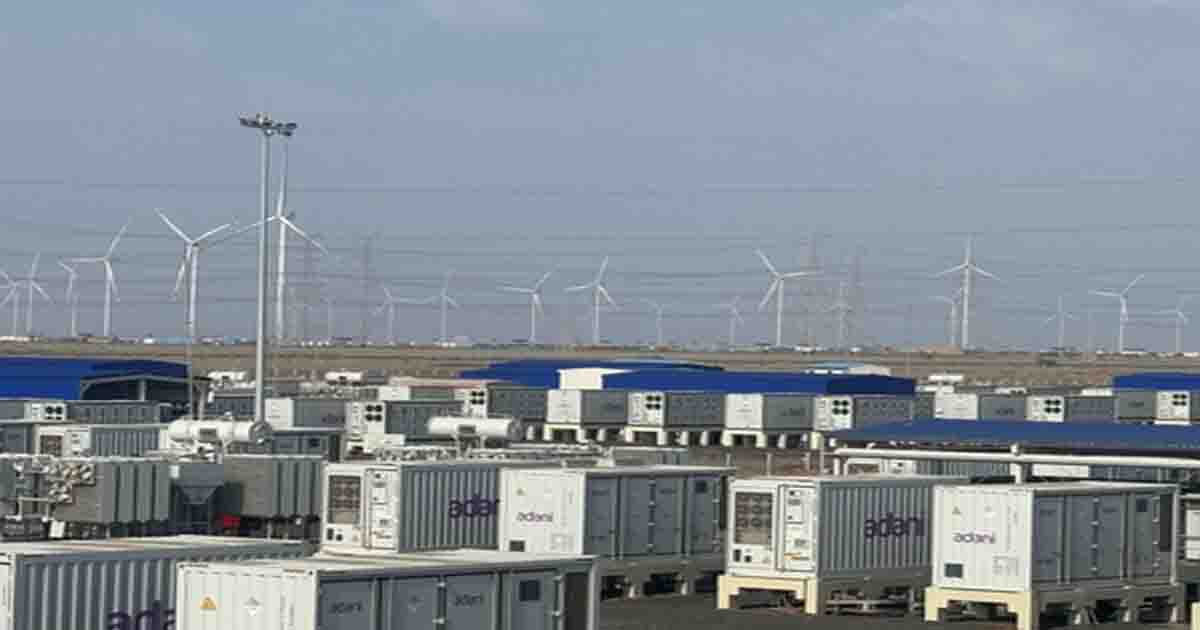
Ahmedabad, Oct 1: Adani Green Energy Ltd (AGEL) on Thursday said it has expanded its operational Battery Energy Storage System (BESS) capacity to 6.63 gigawatt-hours (GWh) at Khavda, Gujarat, from 3.55 GWh in June 2026.
India’s largest renewable energy company now accounts for more than 50 per cent of the country’s operational BESS capacity of about 12.6 GWh.
“Reaching 6.63 GWh of operational battery storage in just 14 months is a significant milestone for AGEL and India’s clean energy transition. At this scale, storage can make renewable power firmer, more reliable and dispatchable when the grid needs it,” said Sagar Adani, Executive Director, Adani Green Energy.
“As India’s power demand grows, we will continue to scale energy storage solutions, both battery and pumped storage, to support a more resilient, lower-carbon grid,” he noted.
The 6.63 GWh BESS can store enough clean energy to power around two million homes a day, and support peak electricity demand of cities like Nagpur, Patna or Vizag for several hours.
This BESS capacity at Khavda is equivalent to battery storage capacity of more than 150,000 mid-sized EVs and can store enough energy daily to meet almost twice the Delhi Metro’s estimated daily electricity requirement, underscoring the unprecedented scale of the installation.
The scale-up to 6.63 GWh strengthens the integration of renewable energy into the grid by enabling clean power to be stored and dispatched when required, said the company.
This milestone also consolidates Khavda’s position as the world’s largest operational battery energy storage installation at a single location.
The BESS is integrated with AGEL’s renewable energy (RE) development at Khavda, where the company is developing a 30 GW RE plant across 538 square kms of barren land.
The BESS uses lithium-ion battery technology, integrated with an Energy Management Systems (EMS) and automated telemetry to manage charging and discharging, optimise system performance and support grid services. Battery storage can improve grid stability, manage peak demand, reduce energy curtailment, and enable renewable power to be delivered when required.
AGEL said it is on track to add over 10 GWh of BESS capacity in FY 2026-27 and is targeting 50 GWh of storage capacity over the next 5 years.

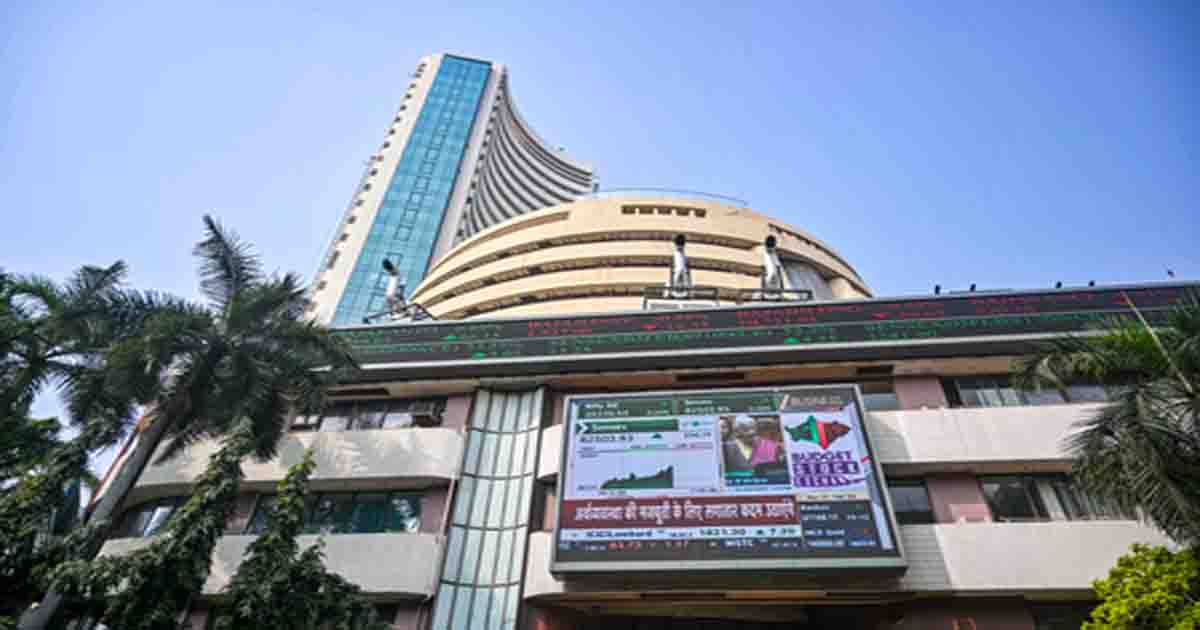
Mumbai, Oct 1: Domestic equity benchmarks opened lower on Thursday amid continued foreign fund outflows with auto and cement stocks leading sectoral losses.
Sensex opened at 72,192.89, down 287.39 points or 0.39 per cent. Nifty began trading session declining 76.75 points or 0.34 per cent to 22,543.70.
Among sectoral indices, Nifty Auto, Nifty Cement, Nifty Realty, Nifty Media and Nifty Healthcare were top laggards, plunging up to 2.76 per cent in early deals. Energy, metal and pharma indices also traded sharply lower, falling between 0.86 per cent and 0.95 per cent.
On the other hand, Nifty IT rose more than 1 per cent, while Nifty Private Bank also advanced 0.60 per cent.
The market remained under pressure after foreign institutional investors (FIIs) continued their selling streak.
On Wednesday, foreign institutional investors (FIIs) were net sellers for the fifth consecutive session and offloaded equities worth more than Rs 10,148 crore, according to provisional data.
Meanwhile, domestic institutional investors (DIIs) continued to provide support, purchasing equities worth Rs 11,271 crore during the session.
Analysts said sustained FII selling, coupled with rising US bond yields, could keep large-cap equities under pressure in the near term. FIIs sold equities worth Rs 45,536 crore through exchanges in September, while investing Rs 9,676 crore through the primary market, they added.
The experts further noted that the near-term market structure remains sideways to bearish, with immediate support for the Nifty placed around 22,500-22,550 and resistance at 22,800-22,900.
They said a sustained move above the resistance zone could improve sentiment, while a break below the support level may keep selling pressure intact.
Analysts also pointed to crude oil prices as a key factor to watch, noting that a decline in Brent crude below $98 a barrel could provide some relief to the market.
Mumbai, Sep 30: Domestic equity benchmarks opened flat on Wednesday tracking mixed global cues as investors remained cautious after foreign investors extended their selling streak to a fourth straight session.
Nifty opened at 22,665, down about 50 points or 0.23 per cent. Sensex began trading at 72,441.15, lower by 87.92 points or 0.12 per cent.
In early trade, the Nifty MidSmall IT & Telecom index was top sectoral gainer which rose more than 1 per cent.
Meanwhile, Nifty PSU Bank, Nifty Chemicals, Nifty Oil & Gas, Nifty Cement and Nifty Media also jumped up to 1 per cent.
In contrast, metal stocks were among the laggards with Nifty Metal falling 0.42 per cent. Healthcare and pharmaceutical indices were also marginally lower.
Market experts said elevated US bond yields were contributing to foreign investor selling, while the recent correction had created attractive valuations in parts of the Indian market.
“From the Indian investors’ perspective, this sharp correction in the market presents an opportunity. Largecaps with good growth prospects have reached attractive valuations,” they said.
Experts also noted that a correction in crude oil prices could trigger a market rally with largecap market leaders potentially leading such a move.
Technical analysts said the market could attempt to stabilise after its recent decline, with buying emerging around key technical levels.
Nifty had formed a hammer candle in the previous session, indicating buying interest at lower levels, while strength in select heavyweight stocks helped limit the decline.
The near-term structure has improved towards sideways to mildly bullish following the reversal from 22,600.
Immediate support is seen at 22,650-22,700, while resistance is placed at 22,950-23,000, according to the experts.
On Tuesday, foreign institutional investors (FIIs) extended their selling streak to a fourth consecutive session, offloading equities worth nearly Rs 10,000 crore, according to provisional data.
Domestic institutional investors (DIIs) provided support, buying equities worth nearly Rs 7,000 crore.
In addition, Asian markets were broadly positive in early hours despite a mildly weaker Wall Street session, while investors remained focused on upcoming US economic data and global market trends for further direction.

Iran rejects Britain’s claim of involvement in military base incident

CJP’s Dipke dares Fadnavis govt to arrest him ahead of Mumbai agitation

Maha Dy CM urges simple Navratri celebrations, appeals for aid to drought-hit farmers

Malegaon 2006 Blast Case: Supreme Court Stays Bombay High Court’s Remarks Against Muslim Accused Discharged from the Case

Maha govt announces major loan relief, expanded drought coverage for farmers

Gift to President Putin part of PM Modi bid to globally display India’s heritage

PM Modi’s warm camaraderie with Putin, Xi on full display at BRICS Summit

BMC takes action against Mumbai Central Orchid City Mall; mall shut down.

Nepal PM calls for global response to rising Himalayan climate risks

Corporators of all parties in trouble! Corporators of all major parties including Shiv Sena (UBT), BJP and Congress are facing legal challenges.
-

 Crime4 years ago
Class 10 student jumps to death in Jaipur
-

 Maharashtra2 years ago
Mumbai Local Train Update: Central Railway’s New Timetable Comes Into Effect; Check Full List Of Revised Timings & Stations
-

 Maharashtra2 years ago
Mumbai To Go Toll-Free Tonight! Maharashtra Govt Announces Complete Toll Waiver For Light Motor Vehicles At All 5 Entry Points Of City
-

 Maharashtra2 years ago
False photo of Imtiaz Jaleel’s rally, exposing the fooling conspiracy
-

 National News2 years ago
Ministry of Railways rolls out Special Drive 4.0 with focus on digitisation, cleanliness, inclusiveness and grievance redressal
-

 Maharashtra2 years ago
Maharashtra Elections 2024: Mumbai Metro & BEST Services Extended Till Midnight On Voting Day
-

 National News2 years ago
J&K: 4 Jawans Killed, 28 Injured After Bus Carrying BSF Personnel For Poll Duty Falls Into Gorge In Budgam; Terrifying Visuals Surface
-

 Crime2 years ago
Baba Siddique Murder: Mumbai Police Unable To Get Lawrence Bishnoi Custody Due To Home Ministry Order, Says Report