
International
When I heard it, I was really surprised: Ponting on Kohli quitting Test captaincy

Former Australia captain Ricky Ponting revealed being ‘really surprised’ on Virat Kohli stepping down as India’s Test captain. He added Kohli had mentioned to him about stepping away from white-ball captaincy during first half of IPL 2021.
A day after India lost the Test series to South Africa 2-1, Kohli announced he was quitting as the Test captain, bringing a seven-year reign to an end.
“Yes, it did actually (surprise me). Probably the main reason why I had a chat and good catch-up with Virat during the first part of the IPL (2021) before it got postponed. He was talking then about stepping away (from captaincy) from white-ball cricket and how passionate he was to continue on to be Test match captain,” said Ponting to former England pacer Isa Guha on first episode of ICC Review show.
“He just loved and cherished that job and that post so much. Obviously, the Indian Test team had achieved a lot under his leadership. When I heard it, I was really, really surprised. You only have to watch him on the field for an hour of the day’s play to realise how passionate he is about that job and the role, and how much he wants the team to win and how much he wants the best for Indian cricket,” added Ponting, who captained Australia in 77 Tests.
After overcoming the initial shock of Kohli resigning from Test captaincy, Ponting began to delve into reasons over the same, ranging from shelf life of captains to immense pressure from fans in India.
“I was shocked, but then I started thinking about other things, even my own time as captain. I have gone on record and said that I probably think I played a couple of years longer than I should have in hindsight. I think I might have been captain for a couple of years longer than I should have.
“So I think there is potentially a shelf-life for international cricket captains and even coaches. Virat’s been there for close to seven years now. If there’s a country in the world that’s the most difficult to captain, it’s probably India because of just how popular the game is and how much every single Indian loves to see the fortunes of the Indian cricket team, whether they are good or bad. You weigh all those things up.”
Ponting further praised Kohli’s efforts of making India win more in overseas Tests. Under Kohli, India won the Border-Gavaskar trophy in 2018 apart from leading 2-1 in England in 2021.
“When I took over, I took over a side that had dominated world cricket for a long time. If you think about India before Virat, it was about winning a lot of games at home and not winning quite as many overseas. The thing that improved the most was India winning a few more games overseas, and that’s something that he and all of the Indian cricket have to be really proud of.”
The 47-year-old signed off by saying there was a real focus on Test cricket when Kohli was the captain.
“The other thing is there was really was a real focus placed on Test cricket by the BCCI when Virat took over, and I think a lot of it has come from him as well – to focus more on Test cricket and winning more games home and away. Given his Test record as captain, he can walk away from the role very, very proud of what he has achieved.”

International
Iran vs US-Israel War: India Sets Up MEA Control Room, Shares Embassy Helplines To Assist Citizens Stranded In Gulf Amid Middle East Tensions

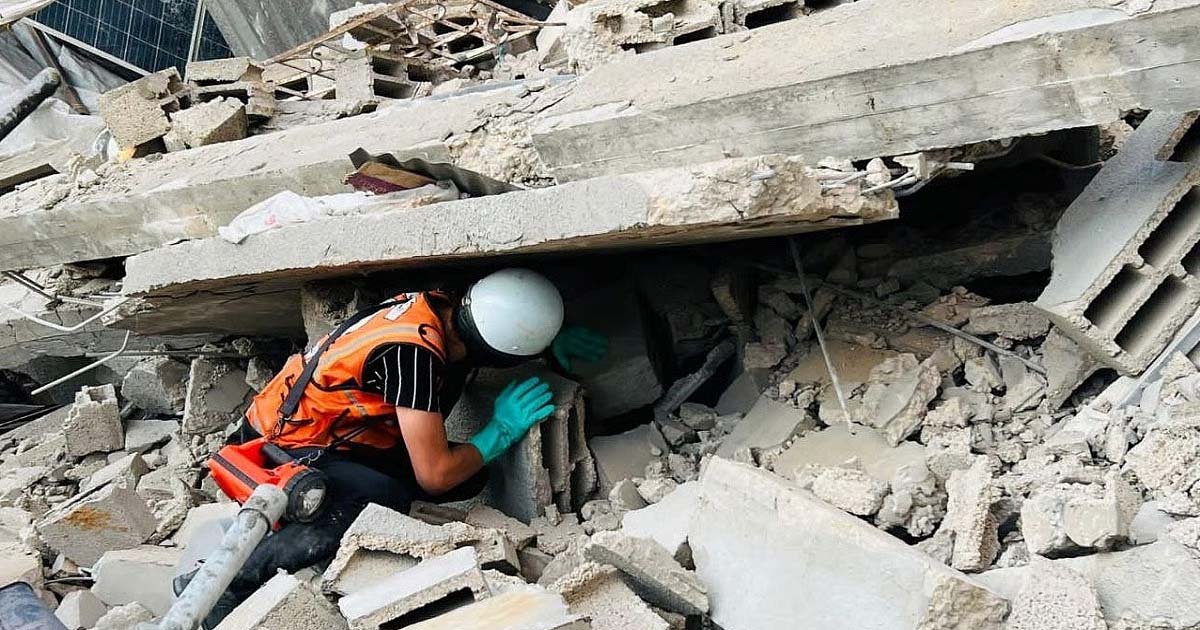
New Delhi: India has intensified efforts to assist its citizens stranded across Gulf countries as tensions continue to escalate in the Middle East. The Ministry of External Affairs (MEA) has set up a dedicated control room to coordinate assistance and provide real-time support to Indian nationals affected by the crisis.
MEA Official Spokesperson Randhir Jaiswal shared the update on X, announcing that the control room will operate daily from 9 am to 9 pm. The helpline numbers issued by the ministry are 1800118797 (toll-free), +91 11 2301 2113, +91 11 2301 4104 and +91 11 2301 7905.
In addition, the MEA released a list of emergency contact numbers for Indian embassies and missions across the region to ensure stranded citizens can seek immediate help. These include Bahrain, Iran, Iraq, Israel, Jordan, Kuwait, Lebanon, Oman, Qatar, Ramallah, Saudi Arabia and the United Arab Emirates.
In a statement issued on Tuesday, the MEA said India has once again strongly called for dialogue and diplomacy to bring an early end to the conflict in West Asia. Jaiswal said New Delhi is ‘raising its voice clearly’ for de-escalation and expressed grief over the large number of lives lost in the violence.
Safety & Well-Being Of Indians Top Priority
He emphasised that nearly one crore Indian citizens live and work in the Gulf region, making their safety and well-being a top priority for the government. “India cannot be immune to developments that negatively affect this region,” Jaiswal said, noting that vital trade routes and energy supply chains pass through West Asia. He warned that any major disruption could have serious consequences for the Indian economy.
The spokesperson also said India is firmly opposed to attacks on merchant shipping, pointing out that some Indian nationals have been killed or are missing following recent incidents at sea. He added that the conflict has not only intensified but also spread to other countries, bringing normal life and economic activity in parts of the region to a standstill.
India had earlier expressed deep concern when hostilities began in Iran and the Gulf region on February 28, urging all sides to exercise restraint and prioritise civilian safety. Jaiswal said it was particularly unfortunate that the situation has worsened during the holy month of Ramadan.
The MEA said Indian embassies and consulates in affected countries remain in close contact with Indian nationals and community organisations, issuing regular advisories and extending all possible assistance to those stranded by the conflict.
International
UNSC asks all countries to cooperate in bringing Pahalgam terrorists, backers to justice
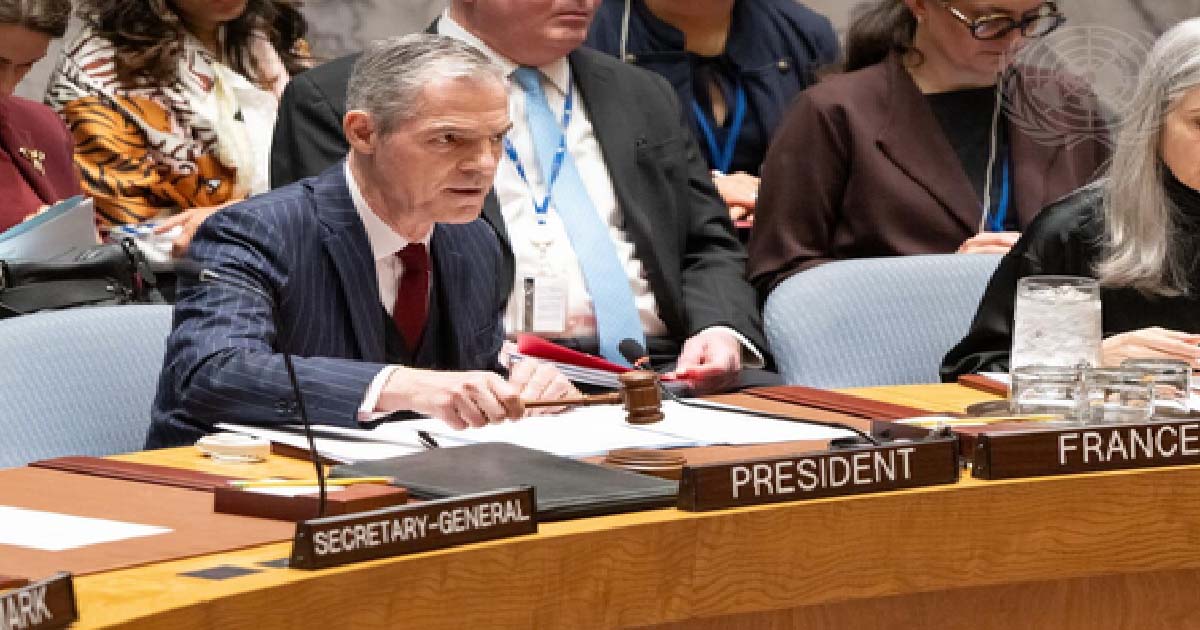
United Nations, April 26: The Security Council has “condemned in the strongest terms” the Pahalgam terrorist attack and urged all countries to cooperate in bringing all those involved in the massacre, to justice.
The members of the Security Council “stressed that those responsible for these killings should be held accountable, and urged all States, in accordance with their obligations under international law and relevant Security Council resolutions, to cooperate actively with all relevant authorities in this regard”, Council President Jerome Bonnafont said in a Press statement on Friday.
A front organisation of the Pakistan-based terrorist group Laskhar-e-Tayiba has owned responsibility for the attack.
The statement issued by France’s Permanent Representative Bonnafont who is the Council president for this month, took a broad view of those involved in the massacre by including the financiers and sponsors.
“The members of the Security Council underlined the need to hold perpetrators, organisers, financiers and sponsors of this reprehensible act of terrorism accountable and bring them to justice”, the statement said.
Pakistan, which is on the Council as an elected member, went along with the other members in endorsing the statement, committing itself – at least on paper – to bringing those involved to justice.
A Press statement expresses the consensus of the Council and carries moral authority, while not being legally binding like a resolution.
The statement also shot down the attempts by some in Pakistan to give terrorist attacks a veneer of justification.
“The members of the Security Council reiterated that any acts of terrorism are criminal and unjustifiable, regardless of their motivation, wherever, whenever and by whomsoever committed”, it said.
The Council members “reaffirmed the need for all States to combat by all means, in accordance with the Charter of the United Nations and other obligations under international law, including international human rights law, international refugee law and international humanitarian law, threats to international peace and security caused by terrorist acts”, the statement added.
Earlier, the spokesperson for Secretary-General Antonio Guterres hinted that a diplomatic effort by him may be afoot.
Asked by a reporter, if Guterres would speak to leaders of India and Pakistan, Spokesperson Stephane Dujarric said that he hoped to have something to share on that later.
Reiterating the condemnation of the terrorist attacks, Dujarric said, “We again urge both the Government of India and the Government of Pakistan to exercise maximum restraint to ensure the situation does not deteriorate further.”
When a reporter asserted that the possibility that “two nuclear countries” might “go to war” was getting insufficient attention, Dujarric said, “I don’t agree with your comment. We are paying very close attention to the situation between India and Pakistan.”
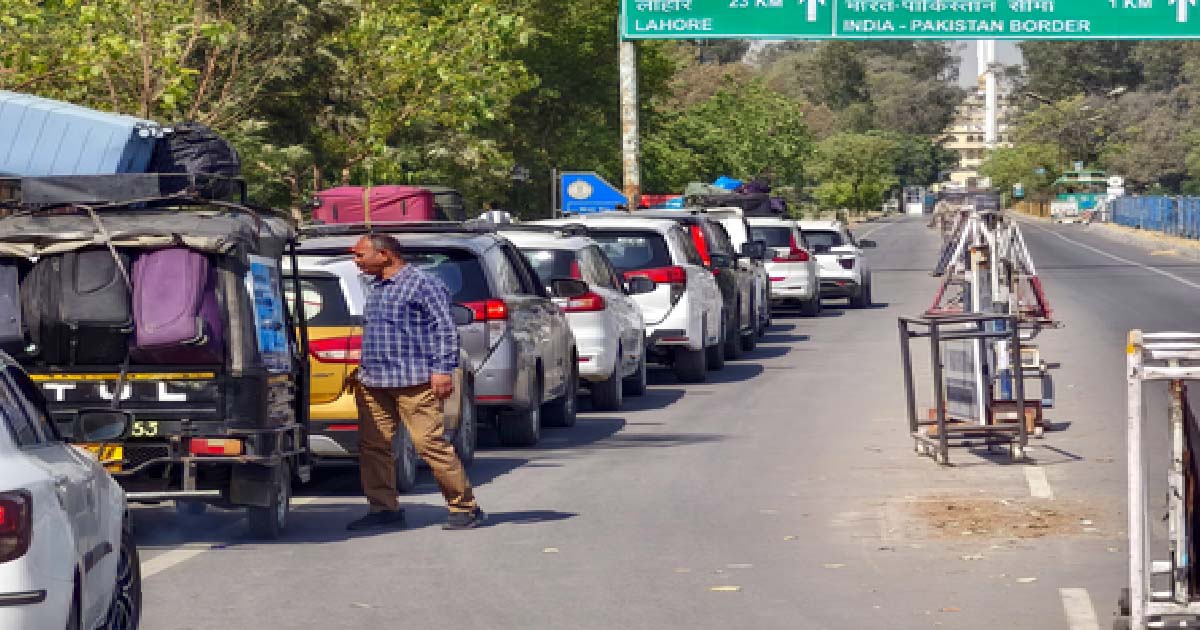
Islamabad, April 25: Pakistan and India’s decision to shut down the Wagah-Attari border crossing after the deadly Pahalgam terror attack has forced several citizens from both countries to cut short their visit and rush back home.
On Thursday, after both countries announced closure of border crossing and gave a deadline for citizens to leave for their respective countries, at least 28 Pakistanis nationals returned from India while 105 Indian citizens in Pakistan crossed over into India.
A Hindu family from Balochistan’s Sibi was reportedly denied entry into India after the closure of border crossing.
“We were on our way to Indore in Madhya Pradesh to attend a wedding. Seven members of our family were excited to join our relatives in India and take part in the celebrations. But upon reaching Wagah, we learned that the border had been sealed. We will spend the night at Dera Sahib in Lahore and head back home tomorrow,” said Akshay Kumar.
Meanwhile, a Sikh family from India, in Pakistan to attend a wedding, decided to leave for India immediately.
“We had come to Pakistan for a wedding. While the ceremony took place, several important rituals remained. Once we heard the border was closed, we decided to return immediately,” said Raminder Singh, an Indian national.
A Hindu family from Ghotki in Pakistan’s Sindh province, now residing in New Delhi, was visiting Pakistan for the last two months to meet their relatives. However, they are now unsure about getting permission to return to India.
“There are five of us, including my young son and daughter, uncle and aunt. We all hold Pakistani passports and were granted No Obligation to Return to India (NORI) certificate by India. But uncertainty looms now, said a family member named Indira.
“Families with cross-border ties often bear the brunt of rising tensions between the two neighbours. With tensions between Pakistan and India once again on the rise, human connections across borders are becoming the first casualty,” said Asif Memood, a Lahore-based journalist.
“The closure of the Wagah-Attari border has left many families in limbo, uncertain when they will next reunite with their loved ones,” he added.

Maharashtra SIR: Congress MLA seeks deadline extension for electoral roll corrections

Sugar prices curb: Maharashtra sugarcane crushing season set to begin on Oct 15

MPSC aspirant’s death by suicide in Pune amid paper leak row sparks outrage

Nepal: Gen-Z uprising days treated differently by political parties

Pandya included as Padikkal and Gaikwad to captain India A against Australia A

Four more Indian nationals rescued in Nepal, 120 cross safely from China: MEA

Nepal floods: First batch of 106 stranded Maharashtra tourists reaches India; 84 more expected today (Ld)

India, Brazil sign ICT MoU to deepen digital, telecom cooperation

Maharashtra: 17-year-old boy dies by suicide on Raksha Bandhan after emotional social media posts

Sensex ends flat, Nifty gains marginally as oil surge, US-Iran tensions weigh
-

 Crime4 years ago
Class 10 student jumps to death in Jaipur
-

 Maharashtra2 years ago
Mumbai Local Train Update: Central Railway’s New Timetable Comes Into Effect; Check Full List Of Revised Timings & Stations
-

 Maharashtra2 years ago
Mumbai To Go Toll-Free Tonight! Maharashtra Govt Announces Complete Toll Waiver For Light Motor Vehicles At All 5 Entry Points Of City
-

 Maharashtra2 years ago
False photo of Imtiaz Jaleel’s rally, exposing the fooling conspiracy
-

 National News2 years ago
Ministry of Railways rolls out Special Drive 4.0 with focus on digitisation, cleanliness, inclusiveness and grievance redressal
-

 Maharashtra2 years ago
Maharashtra Elections 2024: Mumbai Metro & BEST Services Extended Till Midnight On Voting Day
-

 National News2 years ago
J&K: 4 Jawans Killed, 28 Injured After Bus Carrying BSF Personnel For Poll Duty Falls Into Gorge In Budgam; Terrifying Visuals Surface
-

 Crime2 years ago
Baba Siddique Murder: Mumbai Police Unable To Get Lawrence Bishnoi Custody Due To Home Ministry Order, Says Report