
International News
West Asia conflict Trump’s ‘personal war’, says Iran Supreme Leader’s representative

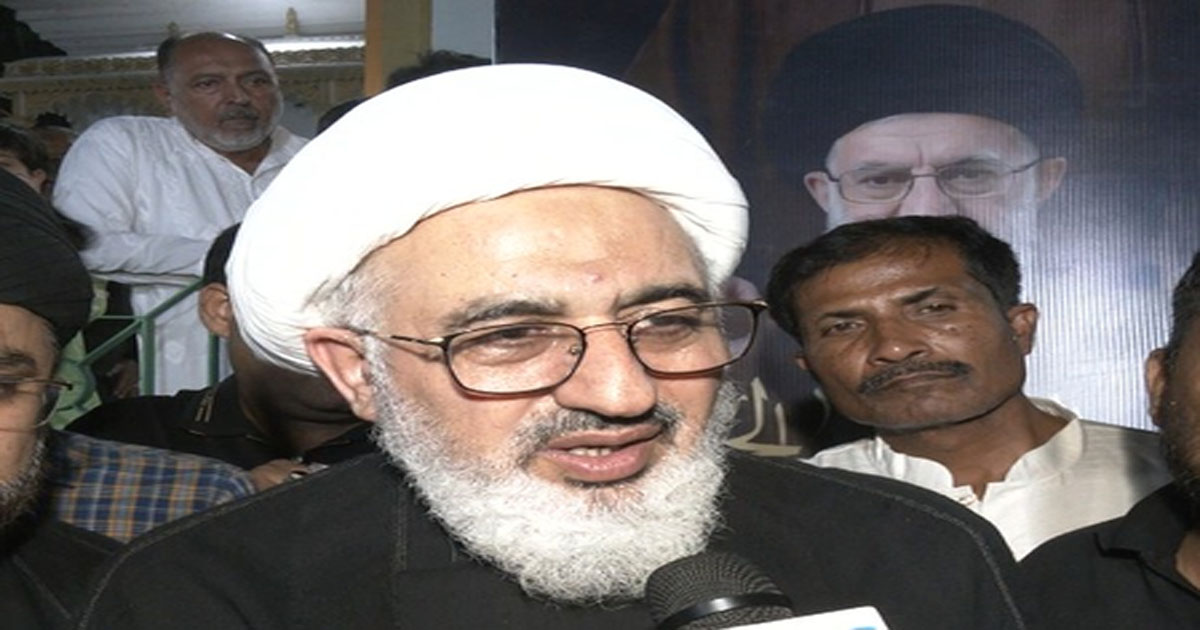
Patna, April 6: Abdulmajid Hakim Elahi, Representative of Iran’s Supreme Leader to India, has said that the Strait of Hormuz has historically remained under Iranian control for thousands of years and that disruptions began only after the recent conflict involving the United States and Israel, which he described as a personal war driven by President Donald Trump against Iran.
The US and Israel carried out joint strikes on February 28, resulting in the death of Ayatollah Ali Khamenei. In response, Iran launched retaliatory strikes targeting Israel, as well as US bases in neighbouring Gulf countries, leading to a broader regional escalation that has led to the Strait of Hormuz crisis and disrupted significant oil and energy supplies.
Speaking to media, Abdulmajid Hakim Elahi said, “This war is President Trump against Iran. Everyone knows that, because this war is not in the interest of Americans. This was his personal war, and now Americans are handling it. And they want out, but they don’t know how they can get out of it.”
On the question of reopening the Strait of Hormuz, he emphasised Iran’s longstanding control over the strategic waterway and blamed the ongoing crisis on the conflict.
“The Strait of Hormuz has been there for thousands of years; it’s under control and dominated by Iran. Iran will continue to do the same now. There wasn’t any crisis or problem before this war. But now they (the US and Israel) have created this war, and they have created a lot of crises and problems through the Strait of Hormuz. We hope that it will finish very soon,” he said.
Elahi also underlined the historical ties between Iran and India, describing the relationship as deeply rooted and longstanding.
“We have a very tight relationship and friendship with India, which dates back over 5000 years,” he said.
Recalling the global response following Khamenei’s death, he said the Iranian leader was respected across communities and faiths.
“Ayatollah Ali Khamenei was a spiritual leader not only for Muslims but also a religious figure and a voice for the voiceless. He is not just for Shia people but also those from other communities, including many Hindus and Christians, who also respected and admired him. When the news of his martyrdom spread, everyone came out in respect and paid their respects and shed their tears, mourning his death,” he added.


Kathmandu, Oct 9: At least five people were killed when a school bus plunged off the road in Nepal’s western city of Pokhara early Friday morning, a senior police officer said.
The bus belonging to Kalika English Boarding School skidded off the road at Okhleko Bhir in Ward No. 28 of Pokhara Metropolitan City, Kaski district, at around 6:20 a.m., according to Nepali authorities.
“At least five people have been confirmed dead,” Superintendent of Police Naveen Karki, chief of the District Police Office, Kaski, told media. “We have learned that there were 17 students, one other passenger and a driver on the bus when the accident occurred.”
Police said the cause of the accident was not immediately known.
Kaski Chief District Officer Kuman Singh Gurung said the bus was carrying mostly Grade 10 students who were travelling to attend tuition classes when the accident occurred.
Nepal has witnessed a rise in road accidents in recent years, alongside an increase in the number of vehicles on its roads. A decade ago, the Nepal Traffic Police reported 4,999 road accidents.
In fiscal year 2024-25, the country recorded 7,669 road accidents and 1,900 deaths, according to official data.
Of the total accidents, 278 were classified as serious. Beyond the significant human toll, road safety issues also have a major economic impact.
A World Bank study in Nepal found that the economic cost of road traffic injuries had tripled since 2007, reaching 1.5 percent of the country’s gross national product. Road crashes also have a devastating and disproportionate impact on poor people.
More than 70 percent of all road fatalities in Nepal involve vulnerable road users, such as pedestrians, cyclists and motorcyclists, the World Bank said. Considering the growing number of road accidents, the Nepali government has introduced the Road Safety Bill at the House of Representatives which aims to improve coordination among agencies involved in road safety, prevent and reduce road accidents, strengthen monitoring and evaluation, and reduce the human and economic losses caused by accidents.
The bill includes provisions on institutional arrangements for road safety, provincial and local road safety coordination committees, safe road infrastructure, safer vehicles and transport services, speed regulation, road-user safety and awareness, accident rescue and treatment, insurance, and compensation.
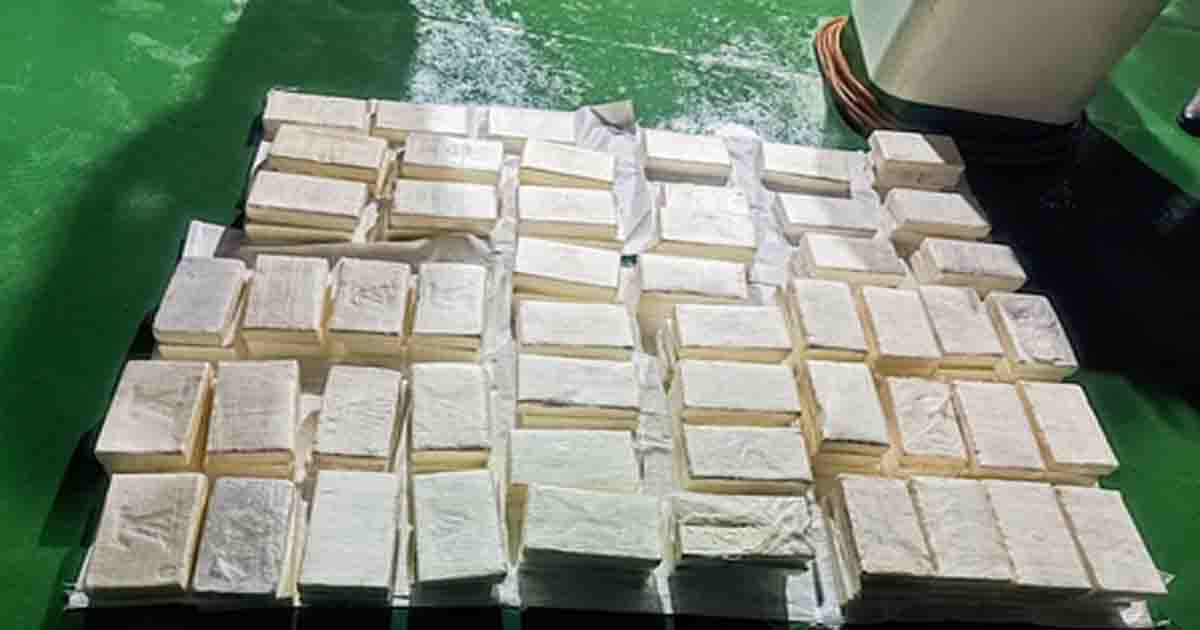
New Delhi, Oct 9: Pakistan-based narcotic cartels are now encouraging their cronies in India to ramp up homegrown production. With agencies such as the Narcotics Control Bureau (NCB) carrying out several drug busts, the cartels from Pakistan have decided to focus more on home-made substances to fuel their trade.
Before the Taliban took control of Afghanistan, poppy fields were in abundance. Opium and heroin were coming out of Afghanistan in large quantities, and Pakistan-based cartels would rely heavily on this product.
The Taliban have taken strict measures and ensured that Afghanistan shall no longer have drug-producing fields. Instead, in the fields of Afghanistan, one gets to see potatoes, grain, and other vegetables being grown.
This decision has resulted in a drop of 95 per cent in the production of drugs. Before the Taliban took over, drugs were being produced or grown on 232,000 hectares.
Following the ban in 2022, Pakistan- and Myanmar-based drug cartels began moving towards synthetic drugs. Drugs such as methamphetamine or meth are in very high demand both in the Indian and international markets.
Unlike opium and heroin, meth can be produced all through the year. This means that the production levels would be ten times higher when compared to heroin or opium. Further, this also ensures that synthetic drugs are cheaper when compared to the field-produced narcotics.
This also drives consumption, as the affordability of such narcotics makes them accessible to a wider section of society.
An Intelligence Bureau official said that drug cartels which had set up massive synthetic drug manufacturing units in Myanmar and Pakistan are now insisting that their recruits in India do the same at home.
“This has been done due to the massive drug busts that have taken place in India in recent months. The new tactic by the narcotic cartels is similar to the one that Pakistan tries to adopt when it comes to terror-related activities,” said the IB official.
There is a major push being made for homegrown terror modules so that Pakistan can have the deniability factor each time a bust takes place, the official added.
Another official said that the creation of multiple homegrown synthetic drug producing units also eliminates the risk of the contraband being intercepted either on Indian or international waters.
The Indian agencies have literally choked every route that is being used by cartels run by the likes of Dawood Ibrahim and Haji Salim.
The Iran war has added to their miseries as the usual routes that would be used to smuggle drugs into India have largely been disrupted.
In 2024, the NCB and Delhi Police busted a clandestine meth lab in Greater Noida, adjacent to the National Capital. During the operation, the NCB seized 95 kg of meth.
Officials say that the cartels would push and also facilitate the setting up of such homegrown drug-producing units in many more parts of the country.
“There is a lot of focus being given to both Tamil Nadu and Kerala. The recent drug busts have affected the southern markets and also the supplies into Sri Lanka and eventually Thailand,” officials say.
The intelligence agencies have learnt that Haji Salim, who controls this route, has been dialling his contacts in Sri Lanka, Kerala and the Maldives. He is also in touch with some of his associates who are behind bars now, the agencies have learnt.
Haji Salim has been instructing them to make all possible arrangements to set up clandestine meth-producing labs in large numbers.
These recent drug busts, which directly affected the southern markets and the other routes leading from there, have put Haji Salim under immense pressure, especially from his international dealers. He feels that ramping up homegrown production will make up for the loss.
Moreover, transporting homegrown drugs is easier than smuggling them in from Pakistan and then through the Indian waters. This, he hopes, would solve the problem, and in case of a bust, Pakistan can always deny any involvement, an official said.
International News
Israel to award brave Indian pilot Captain Smit Machchhar with Presidential Award for Civilian Heroism

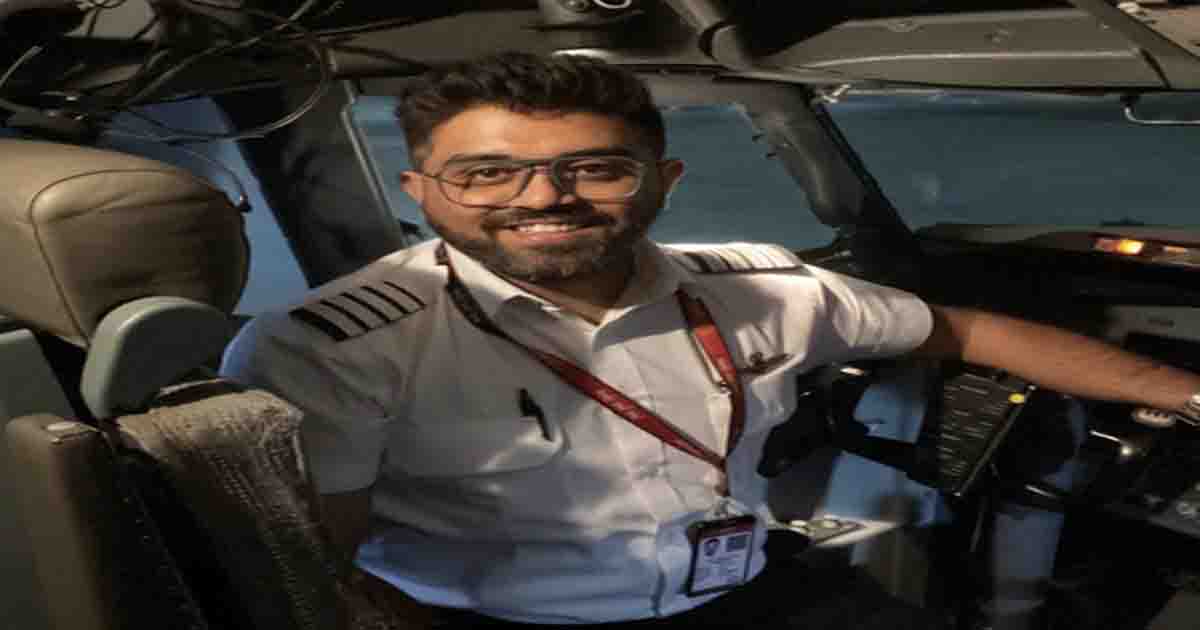
Jerusalem, Oct 9: Indian pilot Captain Smit Machchhar, who fought against the attacking co-pilot in a Flydubai aircraft and helped save 174 people onboard last week, will receive Israel’s Presidential Award for Civilian Heroism, the country’s highest bravery award for civilians.
Israeli President Isaac Herzog announced that Captain Machchhar would be presented with the award once he recovers.
“Alongside the Israeli heroes whom we honour today, we send our heartfelt wishes for the full and speedy recovery of Captain Smit Machchhar of India. Captain Machchhar’s sheer courage and bravery and sound professionalism helped avert a catastrophe. Once he regains his strength, it will be my honour and privilege to award him, on behalf of the people of Israel, the State of Israel’s Presidential Award for Civilian Heroism,” Herzog said.
According to the United Arab Emirates probe, Hamam Al-Hammami, the co-pilot of the Dubai-Tel Aviv flydubai flight, attacked Indian pilot Captain Machchhar with the cockpit’s crash axe in what the UAE authorities have described as a “terrorist attack”.
Al-Hammami tried to take control of the flydubai aircraft, carrying over 170 people, after attacking Captain Machchhar, who tried to stop him. Despite being injured, the Indian pilot managed to open the cockpit door, allowing passengers to intervene and overpower the attacker.
Israeli President Herzog also presented the Presidential Award for Civilian Heroism to six Israeli civilians for their courageous intervention in overpowering the flydubai co-pilot and preventing him from crashing the aircraft, as per local media reports.
The award was presented to Tali Manes, Zvika Manes, Yaniv Hayoun, Dr Shota Musayev, Asaf Rajuan and Or Pardilov during a ceremony at the President’s Residence in Jerusalem, recognising their role in averting a potential disaster.
Earlier on Saturday, Captain Machchhar recounted the terrifying moments inside the cockpit when he realised that his co-pilot was attacking him.
He described the ordeal while speaking to Israeli Prime Minister Benjamin Netanyahu, who invited the pilot and Prime Minister Narendra Modi to light a celebratory flame at Israel’s next Independence Day ceremony.

‘Mobocracy got a reply from democracy’, says BJP amid party’s resounding victory in bypolls

‘No one can stop the youth’: Chirag Paswan on train cancellations for CJP protest

Nepal: School bus plunges off road, kills five in Pokhara

As bypoll results largely favour ruling parties, BJP pulls a surprise in Bengal Rejinagar

Govt disconnects over 82 lakh fraudulent mobile connections via ASTR

Gift to President Putin part of PM Modi bid to globally display India’s heritage

PM Modi’s warm camaraderie with Putin, Xi on full display at BRICS Summit

INDIA bloc begins protest march against ECI

Complaint against Netflix & Mukesh Chhabra for inappropriate language on ‘India’s Got Latent 2’

Maha Congress stages agitation against Gyanesh Kumar
-

 Crime4 years ago
Class 10 student jumps to death in Jaipur
-

 Maharashtra2 years ago
Mumbai Local Train Update: Central Railway’s New Timetable Comes Into Effect; Check Full List Of Revised Timings & Stations
-

 Maharashtra2 years ago
Mumbai To Go Toll-Free Tonight! Maharashtra Govt Announces Complete Toll Waiver For Light Motor Vehicles At All 5 Entry Points Of City
-

 Maharashtra2 years ago
False photo of Imtiaz Jaleel’s rally, exposing the fooling conspiracy
-

 National News2 years ago
Ministry of Railways rolls out Special Drive 4.0 with focus on digitisation, cleanliness, inclusiveness and grievance redressal
-

 Maharashtra2 years ago
Maharashtra Elections 2024: Mumbai Metro & BEST Services Extended Till Midnight On Voting Day
-

 National News2 years ago
J&K: 4 Jawans Killed, 28 Injured After Bus Carrying BSF Personnel For Poll Duty Falls Into Gorge In Budgam; Terrifying Visuals Surface
-

 Crime2 years ago
Baba Siddique Murder: Mumbai Police Unable To Get Lawrence Bishnoi Custody Due To Home Ministry Order, Says Report