
International News
US helped Ukraine with intel to kill Russian generals

The US has assisted Kiev’s forces in killing Russian generals by sharing intelligence on their location inside Ukraine, a media report said citing senior American officials.
The US reportedly provided Kiev with information on Russia’s mobile military headquarters, which are said to relocate frequently in the conflict zone, said The New York Times report.
Kiev then combined this data with its own intelligence to carry out artillery strikes or other attacks that led to the deaths of commanding officers, sources told the paper, RT quoted the report as saying.
The US officials, however, declined to specify how many Russian generals exactly were killed with America’s help.
They also did not reveal the methods used by Washington to acquire data on Russian command headquarters over concerns that it could hamper further intelligence gathering.
The New York Times report pointed out that throughout the conflict between Moscow and Kiev, US agencies have relied on a variety of sources, including classified and commercial satellites, to trace the movement of Russian troops.
The reported assistance in targeting the generals was part of a classified effort by President Joe Biden’s administration to provide real-time battlefield intelligence to Ukraine, the sources said.
National Security Council spokeswoman Adrienne Watson has rejected the report, insisting that American battlefield intelligence was not provided to the Ukrainian forces “with the intent to kill Russian generals”.
Pentagon spokesman John Kirby acknowledged that the US supplied “Ukraine with information and intelligence that they can use to defend themselves”, but refused to disclose any details of that data.

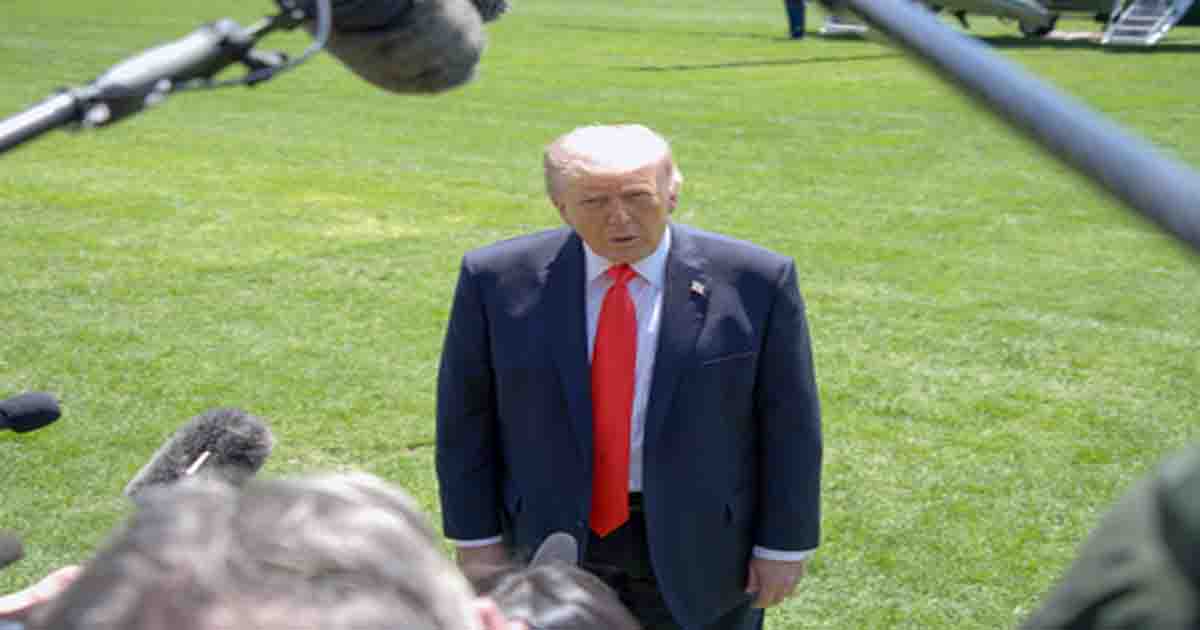
US President Donald Trump suggested that further military action against Iran remained possible, while acknowledging that the war could carry a political cost for Republicans in the approaching congressional elections.
Asked how the conflict had affected the election campaign, Trump said Americans were divided over his decision but defended it as necessary to prevent Iran from obtaining a nuclear weapon.
“Well in one way, they love it because I’m doing what should have been done by other presidents, and another way maybe they don’t,” he told reporters before departing Washington.
“It’s — there’s a price to pay, which I knew immediately when I did it, but we can’t let Iran have a nuclear weapon.”
Trump did not specify whether he was considering a new operation, identify potential targets or give a timetable.
“The Iran War, and we’ve knocked the hell out of them, and we may do it a little bit further,” he said.
That statement was an indication of possible further action, rather than an announcement that an operation had been ordered. His assessment of the damage inflicted on Iran was not accompanied by a military briefing or supporting figures.
The President argued that some voters supported the campaign even if others opposed it.
“I mean, in one way, people probably don’t love it, but many people, many great patriots, really love it. This should have been done a long time ago by other presidents,” he said.
Trump’s comments linked his conduct of the war directly to the domestic political contest.
During the same exchange, the President said Republican prospects would depend heavily on whether his supporters turned out to vote.
The remarks came as UN Secretary-General António Guterres warned in New York that widening conflicts were transmitting economic shocks far beyond the countries where fighting was taking place.
Guterres identified energy markets, shipping lanes, supply chains and financial systems as channels through which wars were affecting households.
“The distance from the Strait of Hormuz to a family home or village market is shorter than we think,” he said.
Guterres called for fighting to stop, civilians to be protected and diplomacy to be given space. He also announced that he would travel to Egypt on Friday.
Asked about the visit, he described Egypt as one of the mediators in the conflict between the United States and Iran. He did not announce a negotiating breakthrough or a meeting between American and Iranian representatives.
The two sets of remarks offered no confirmed timetable for ending the conflict. Trump left open the possibility of further action, while the UN chief emphasised diplomatic efforts and the consequences for civilians and developing economies.
International News
Netanyahu speaks with PM Modi, invites him for Israel’s Independence Day along with heroic Indian pilot

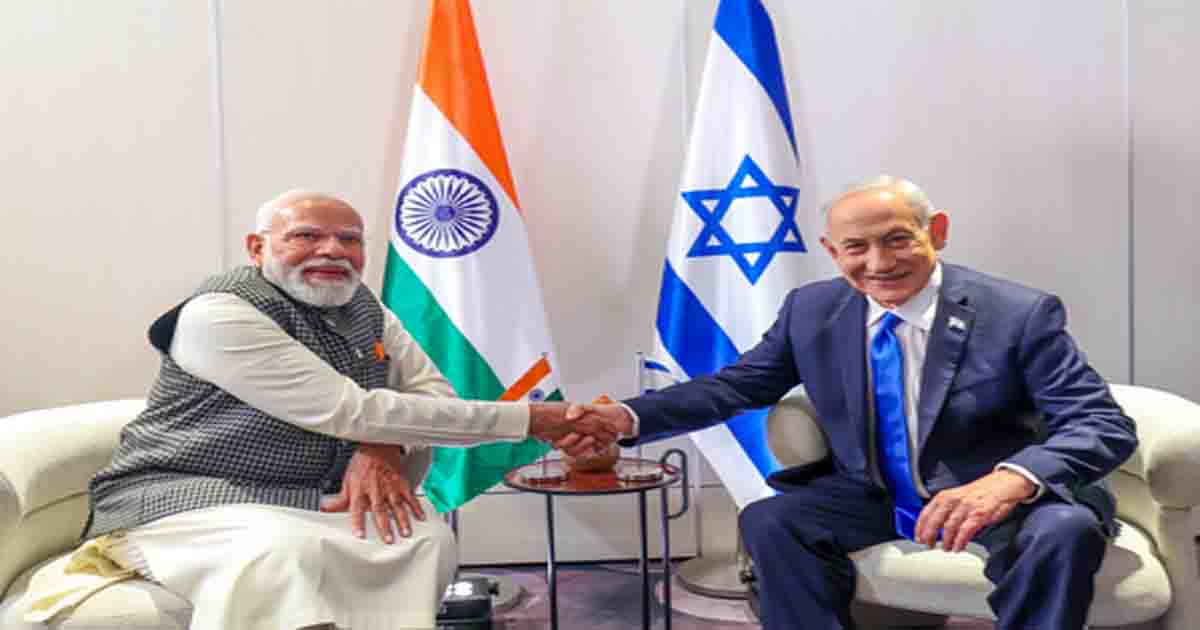
Israel Prime Minister Benjamin Netanyahu held a telephonic conversation with Prime Minister Narendra Modi on Thursday and invited him to light a torch along with “heroic Indian pilot” Captain Smit Machchhar on the country’s Independence Day.
During the phone call, PM Modi and Netanyahu also reviewed the sustained momentum in bilateral ties and reaffirmed their commitment to further strengthen the partnership between both countries.
“Received a phone call from Israeli Prime Minister Benjamin Netanyahu. We reviewed the sustained momentum in our bilateral ties and reaffirmed our commitment to further strengthening our partnership. We also exchanged views on recent developments in West Asia and underscored the urgent need to restore peace and stability in the region,” PM Modi wrote on X after the phone call.
Netanyahu said that PM Modi thanked him for the invitation and expressed India’s readiness to cooperate with Israel in fighting terrorism.
“I spoke with my friend, Indian Prime Minister Narendra Modi, and invited him to light a torch together with the heroic Indian pilot on the Independence Day of the State of Israel. Modi thanked me for the invitation and said that on the ground and in the air, India and Israel fight terrorism together. He expressed his appreciation for the courageous and long-standing relationship between us,” Netanyahu posted on X.
Machchhar sustained severe injuries during an attack by the Omani co-pilot on a Tel Aviv-bound flydubai flight on September 30. The co-pilot allegedly attempted to take control of the aircraft, following which Machchhar fought him off and managed to unlock the cockpit door.
The move allowed crew members and passengers to enter the cockpit and restrain the attacker, averting what could have been a major disaster. The flight was carrying more than 170 people.
On October 3, Netanyahu held a telephonic conversation with Captain Smit Machchhar and hailed him as a “true hero” of the people of India, Israel and the whole world. He invited Captain Smit Machchhar and PM Modi to light a celebratory flame on Israel’s Independence Day.
“Captain, I want to invite you and my dear friend, Prime Minister Narendra Modi, to light a celebratory flame on our next Independence Day. You are a true hero of the brave peoples of India and Israel, and you’re a hero of the entire world,” Netanyahu told the Captain Machchhar.
“I wish you a very speedy and complete recovery,” he added.
The Israeli Prime Minister said the honour was usually reserved for his country’s own citizens. However, he added, “But I think here in this case, all the citizens of Israel will embrace you. They do now and they will then too.”
Netanyahu, who was told by the pilot how the attack unfolded in the cockpit, said he was amazed by his conduct.
“I’m amazed at your courage, at your coolness of judgment under impossible conditions,” the Israeli Prime Minister said, adding that what the Captain did was remarkable and that it bordered on the miraculous.
Netanyahu said the pilot had saved more than the lives of those on board.
“You saved so many souls. I think you saved something bigger. You saved the spirit of the world to realise that a brave pilot and brave passengers can overcome this evil, however threatening, however violent. It’s something that is being justly hailed around the world,” Netanyahu said.
“You’re a hero of Israel. You’re a hero of India. You’re a hero of the entire world,” he added.
Inviting the Captain again towards the end of the conversation, Netanyahu said: “So we hope to see you very soon in Israel. I look forward to seeing you here again. But under the circumstances, I think this will be a memorable and historic visit.”
“Thank you for everything you did,” the Israeli Prime Minister told the Indian pilot.
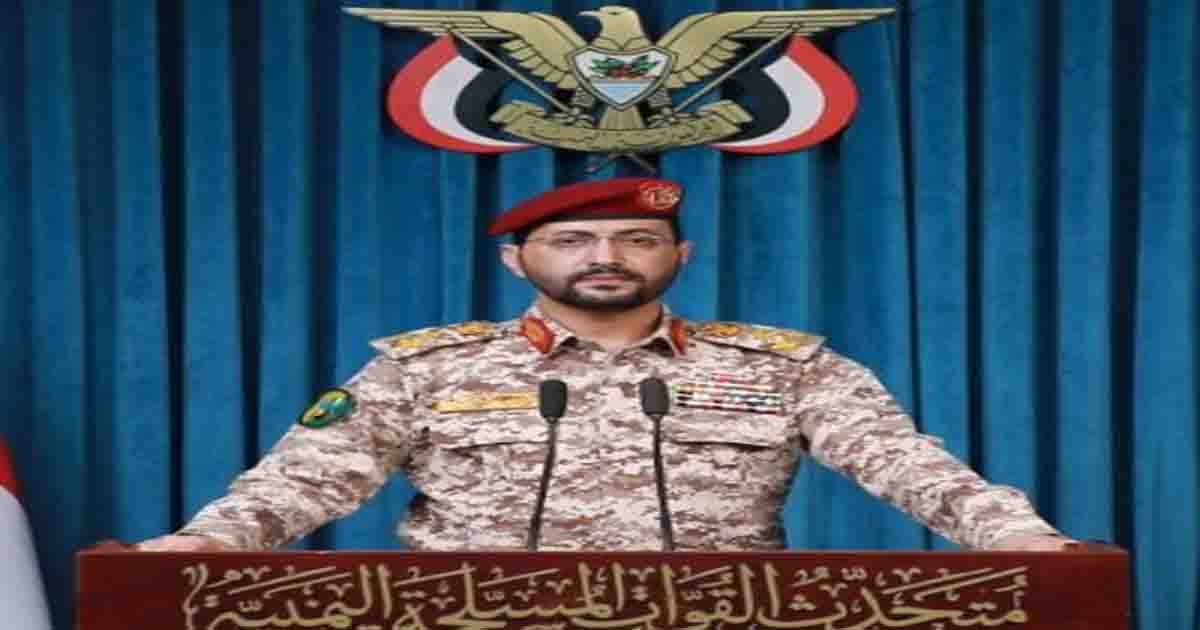
Yemen’s Houthis on Thursday claimed that its forces engaged in a rescue operation after Saudi Arabia targeted an Indian yacht carrying 14 Indian nationals near Zuqar Island in the southern Red Sea.
Citing preliminary information, Houthi military spokesperson Yahya Saree said that the Yemeni Armed Forces would provide more details later.
“The Saudi enemy is targeting an Indian yacht near Zuqar Island, carrying 14 people of Indian nationality, according to preliminary information. The Yemeni Armed Forces are rescuing them and will provide more details later. This reckless act by the Saudi enemy in targeting it threatens international navigation in the Red Sea, and the international community must stop the Saudi enemy from these reckless actions,” Saree posted on X.
The claim comes a day after an Indian national was among two people killed, while two other Indian nationals were injured, in an attack on King Fahd International Airport in Saudi Arabia’s Dammam on Wednesday, the Indian Embassy said on Thursday.
“Saudi authorities have informed that one Indian national was among two people who unfortunately lost their lives in the attack on Dammam airport yesterday night and two Indian nationals were injured. We are ascertaining further details and contacting the affected families. Our thoughts and prayers are with the family and loved ones of the deceased and we wish speedy recovery of the injured,” it said in a post on X.
India on Thursday condemned the continued attacks on civilian and energy infrastructure in Saudi Arabia, including the attack on King Fahd International Airport and Aramco’s Shaybah oil field, while expressing hope that peace and normalcy would return to the region at the earliest.
“We strongly condemn the continued attacks on civilian and energy infrastructure in Saudi Arabia, including the attack on King Fahd International Airport in Dammam and Saudi Aramco’s Shaybah oil field in the Eastern Province on October 21. These attacks have unfortunately resulted in civilian deaths and injuries,” the MEA said in a statement.
India had also expressed its solidarity with Saudi Arabia in safeguarding its sovereignty.
“We also reiterate that the attacks on civilian and critical infrastructure are completely unacceptable and must cease immediately. We stand in solidarity with the people and the Government of the Kingdom of Saudi Arabia in safeguarding its sovereignty, and hope that peace and normalcy would return to the region at the earliest,” read the MEA statement.
The Houthis, for their part, have accused the Saudi forces for carrying out air and missile strikes across Yemeni provinces this week.

ED files FIR, foils bid to trespass flat attached in extortion case against Dawood’s brother

ED attaches Rs 85.2 crore Kolkata land linked to Unity Infraprojects bank fraud case

Left parties, student groups march towards EC HQ, demand Gyanesh Kumar resignation

Maha: Raj Thackeray demands impartial probe in Rs 500 crore audio clip row

Illegal forex receipt: ED raids Mumbai, Delhi premises of Mega Millennium

Rahul, Cong ecosystem want to force regime change: BJP after Neha Bora praises B’desh Gen-Z protest

BJP pays tribute to ex-President Abdul Kalam, recalls his enduring influence on generations of India’s youth

Attack on democratic rights: INDIA Bloc leaders on detentions of anti-ECI protestors

INDIA bloc begins protest march against ECI

Maha Congress stages agitation against Gyanesh Kumar
-

 Crime4 years ago
Class 10 student jumps to death in Jaipur
-

 Maharashtra2 years ago
Mumbai Local Train Update: Central Railway’s New Timetable Comes Into Effect; Check Full List Of Revised Timings & Stations
-

 Maharashtra2 years ago
Mumbai To Go Toll-Free Tonight! Maharashtra Govt Announces Complete Toll Waiver For Light Motor Vehicles At All 5 Entry Points Of City
-

 Maharashtra2 years ago
False photo of Imtiaz Jaleel’s rally, exposing the fooling conspiracy
-

 National News2 years ago
Ministry of Railways rolls out Special Drive 4.0 with focus on digitisation, cleanliness, inclusiveness and grievance redressal
-

 Maharashtra2 years ago
Maharashtra Elections 2024: Mumbai Metro & BEST Services Extended Till Midnight On Voting Day
-

 National News2 years ago
J&K: 4 Jawans Killed, 28 Injured After Bus Carrying BSF Personnel For Poll Duty Falls Into Gorge In Budgam; Terrifying Visuals Surface
-

 Crime2 years ago
Baba Siddique Murder: Mumbai Police Unable To Get Lawrence Bishnoi Custody Due To Home Ministry Order, Says Report