
International News
Trump defines victory, says Iran war may end soon


Washington, March 10: President Donald Trump said that the US campaign against Iran would end “very soon”, defining victory as the point at which Tehran no longer has the capacity to develop weapons that could threaten the United States, Israel, or its allies.
At a Florida news conference, Trump said the military campaign had already destroyed major elements of Iran’s military capability and leadership.
“No. But I think soon,” Trump said when asked how long the conflict might last. “Very soon.”
Trump said the United States had already severely degraded Iran’s military structure, including its naval power, missile systems, and drone capability.
“Everything they have is gone, including their leadership,” he said.
“In fact, there are two levels of leadership and even actually, as it turns out more than that.”
The president said the US and Israeli forces had struck thousands of targets during the operation.
“We’ve struck over 5,000 targets to date,” Trump said. He also claimed the Iranian navy had been largely destroyed. “Most of Iran’s naval power has been sunk,” he said.
Trump said US forces were also targeting the country’s drone and missile manufacturing networks.
“Their missile capability is down to about 10 percent, maybe less,” he said.
“Their drone manufacturing has been hit starting today.”
Despite declaring the campaign largely successful, Trump said the United States could expand strikes if necessary.
“We’ve left some of the most important targets for later in case we need to do it,” he said.
“If we hit them, it’s going to take many years for them to be rebuilt.”
Asked what would constitute a final victory, Trump said the goal was to eliminate Iran’s ability to build weapons capable of threatening the United States or its allies.
“When basically I can see that they will no longer have any capacity whatsoever for a very long period of time for developing weaponry that could be used against the United States, Israel, or any of our allies,” he said.
Trump also warned Iran against attempting to disrupt global energy supplies through the Strait of Hormuz, one of the world’s most important oil shipping routes.
“So the Strait of Hormuz is going to remain safe,” he said. “We have a lot of Navy ships there.”
The United States launched major strikes against Iranian targets earlier this month as part of a joint military campaign with Israel aimed at degrading Tehran’s military and nuclear capabilities.


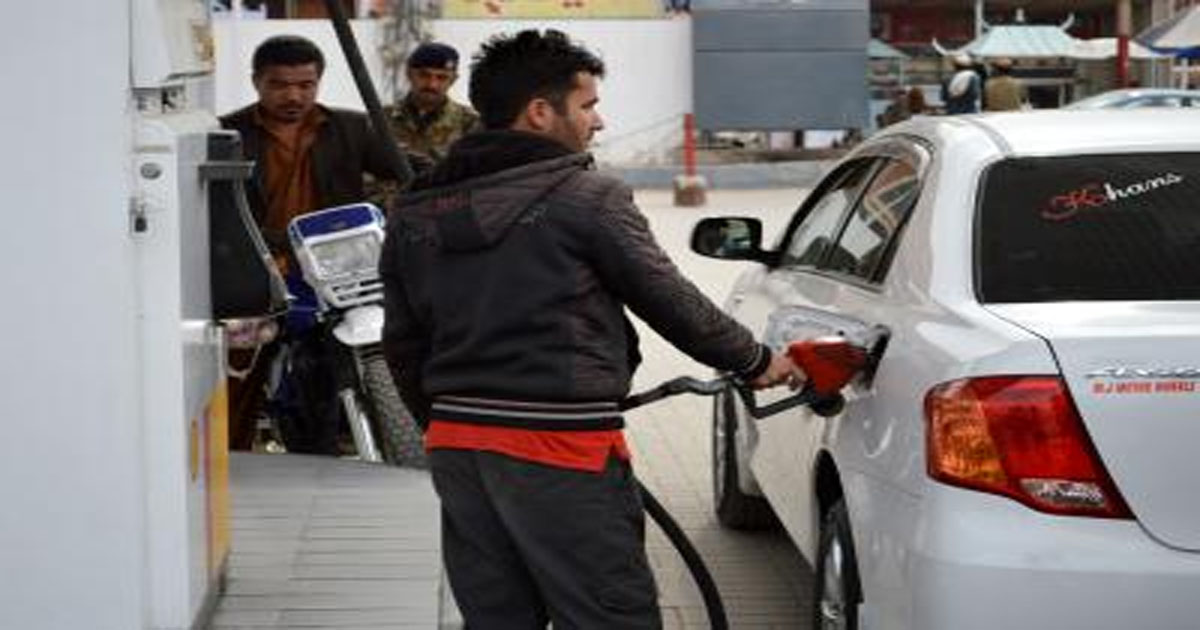
New Delhi, April 4: Pakistani consumers are bearing almost half of petrol’s retail cost in the form of government levies and industry profit margins, an internal government document has revealed, coming just a day after a massive increase in the prices of both petrol and diesel was announced, a report said.
Petroleum Minister Ali Pervaiz Malik, speaking alongside Finance Minister Muhammad Aurangzeb at a press briefing, announced a Rs 137.23-per-litre rise in petrol prices, pushing the retail rate to Rs 458.41 per litre.
Moreover, high-speed diesel climbed even more steeply, up Rs 184.49 per litre to a new benchmark of Rs 520.35.
Both hikes were attributed to disruptions in the global oil supply chain stemming from the ongoing conflict in the Middle East.
The Ministry of Energy’s pricing document lays bare a cost structure that places the ex-refinery price of petrol at Rs 247.15 per litre — less than the Rs 211.26 per litre piled on through taxes and margins.
Of that non-product portion, a petroleum levy alone accounts for Rs 160.61 per litre, followed by Rs 24.12 in customs duty and Rs 2.50 under the climate support levy.
The inland freight margin adds another Rs 7.52, while oil marketing companies (OMCs) collect Rs 7.87 in profit and pump dealers retain an Rs 8.64 commission per litre.
The picture is markedly different for diesel consumers. The ex-refinery price of high-speed diesel stands at Rs 461.23 per litre, and, unlike petrol, diesel currently attracts no petroleum levy.
In addition, combined taxes and margins on diesel total Rs 59.12 per litre — 11.36 per cent of the retail price — comprising Rs 35.74 in customs duty, Rs 4.37 for inland freight, Rs 7.87 in OMC profit, Rs 8.64 for dealers, and the Rs 2.50 climate levy.
The disclosures have drawn fresh scrutiny to the government’s fiscal strategy, with petrol’s tax-and-margin share more than four times that of diesel, even as pump prices for both fuels reach record highs.
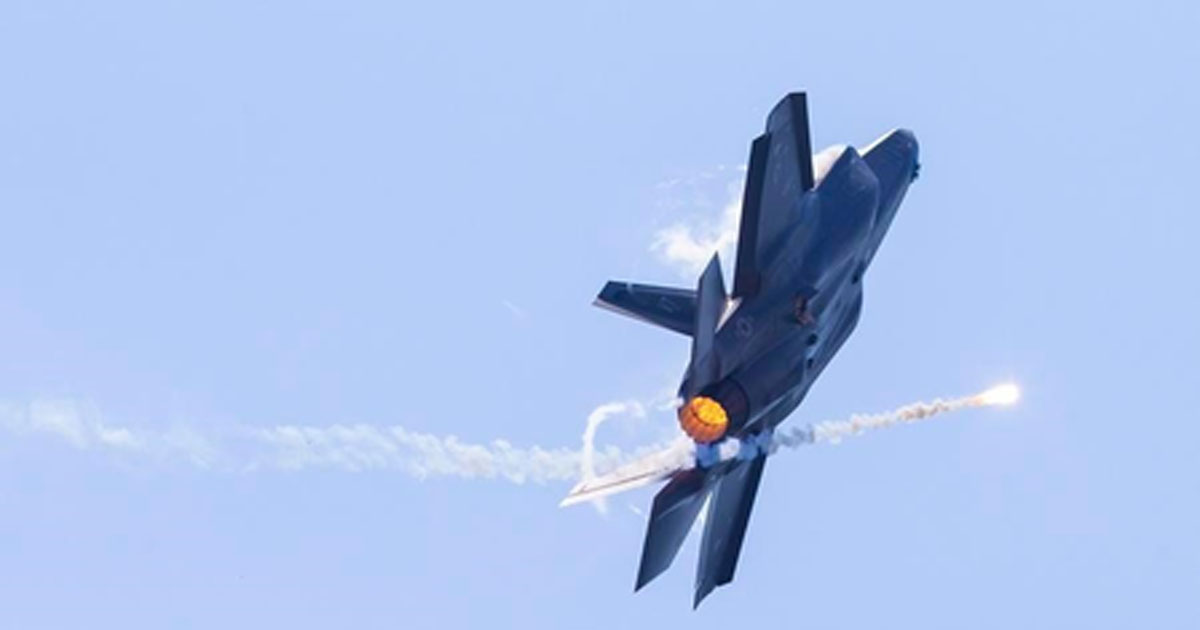
Washington, April 4: A US Air Force F-15E Strike Eagle was shot down over Iran, triggering a combat search-and-rescue operation, with one crew member rescued and another still missing.
Both crew members ejected from the aircraft. One has been found alive, while efforts continue to locate the second, whose status remains unclear. The F-15E is a two-seat multirole fighter with a pilot and a weapons systems officer.
In a separate incident the same day, a US Air Force A-10 Thunderbolt II attack aircraft was also lost in the region. Its pilot was rescued safely, people familiar with the situation were quoted by local media outlets.
Initial US indications suggest both aircraft were hit by Iranian fire. Iran claimed it had downed an American fighter and circulated images purportedly showing wreckage of an F-15E, though the authenticity of those images could not be independently verified.
US Central Command and the Pentagon did not immediately respond to requests for comment.
Videos on social media, reportedly from southwestern Iran, showed US aircraft flying low, possibly conducting combat search-and-rescue (CSAR) missions.
The US Air Force has CSAR teams in the region equipped with HC-130J Combat King II aircraft and HH-60 helicopters. At least one rescue helicopter involved in the operation was hit by Iranian fire but managed to land, according to people familiar with the matter.
The incidents mark the first known combat loss of US crewed aircraft in the current conflict. Earlier, a US Air Force F-35 pilot had “suffered shrapnel wounds” after damage to the aircraft during a mission over Iran on March 19, but the jet was able to make an emergency landing.
Three F-15Es were also “shot down by friendly fire” over Kuwait on March 2, with all six crew members ejecting safely. Separately, a KC-135 tanker “crashed in western Iraq after an apparent midair collision,” killing six airmen.
Iranian state media said the downing of the aircraft would mark the first time Tehran had shot down an American fighter jet since the conflict began weeks ago. Reports also indicated Iranian forces were searching for the missing US service member in the area where the jet went down.
US officials have said American forces continue to operate with air superiority over large parts of Iran and have struck more than 12,300 targets.
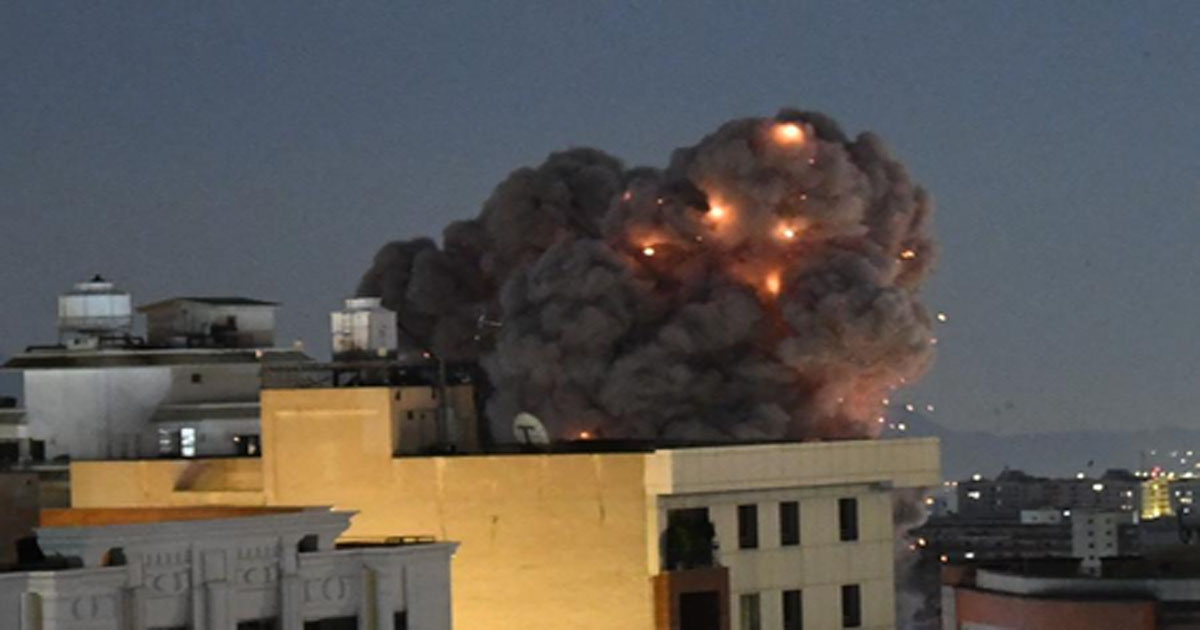
Tehran, April 4: Iran has rejected a US proposal for a 48-hour ceasefire, the semi-official Fars news agency reported on Friday.
The proposal was delivered to Iran through a “friendly” country on Thursday, Fars quoted an informed source as saying.
Washington has stepped up its diplomatic efforts to secure a ceasefire, particularly after an Iranian strike targeted a US “military forces depot” on Kuwait’s Bubiyan Island, Xinhua news agency reported quoting sources.
According to Fars, assessments suggest that the proposal was put forward following an intensification of the crisis in the region and “serious problems” for US forces resulting from their country’s “miscalculation” of Iran’s military capabilities.
The report added that Iran’s response to the offer was not given in writing, but through the continuation of attacks in the battlefield.
Meanwhile, the Iranian army confirmed that its air defence systems shot down a US A-10 “Warthog” attack plane over Iran’s southern waters near the Strait of Hormuz, with the aircraft crashing into the Persian Gulf.
The announcement came shortly after IRGC said that it had downed a US F-35 fighter jet in central Iranian airspace earlier in the day. Later Friday, Iran’s semi-official Mehr News Agency reported that a US Black Hawk helicopter was also hit by a projectile in Iranian airspace while searching for the pilot of the downed US fighter jet.
Yadollah Rahmani, governor of Kohgiluyeh and Boyer-Ahmad province, called on residents in tribal and rural areas to assist authorities in locating “enemy pilots.”
On February 28, Israel and the United States launched joint attacks on Tehran and several other Iranian cities, killing Iran’s then Supreme Leader Ali Khamenei, along with senior military commanders and civilians. Iran responded by launching waves of missile and drone strikes targeting Israel and US assets in the Middle East.

Mayor’s instructions to maintain water supply in Mumbai, focus on water management, alternative sources and solutions

Taxes, margins eat half of Pakistan’s petrol price, consumers cry: Report

Mumbai: Stolen goods worth over Rs 84 lakh handed over to original owners, stolen goods are distributed within four months on the initiative of the DCP

Inspection of ongoing cleaning works in Methi River and eastern suburbs, planning of work in accordance with the drain in all three parts of the river: Additional Municipal Commissioner

Mumbai LPG Crisis: Chaotic Rush Seen Outside Chembur Bharatgas Agency As 200-300 People Queue Since 5 AM For Gas Cylinders

Married Mumbai Woman Mocked In Andheri Society Over ‘Lift Kissing’ CCTV Video, Files Police Complaint

LPG Crisis In Maharashtra: Cyber Crime On Rise Amid Shortage, 2 Women Lose ₹4 Lakh In ‘Gas Update’ Online Scam In Kalyan-Dombivli

Mahayoti’s big gift to the people of Mumbai… Now there is no tax for houses up to 500 square feet, the Municipal Corporation has increased this limit to 700 square feet.

Dhurandhar 2 Box Office Collection Day 1: Ranveer Singh Starrer Takes An Exceptional Opening; Crosses ₹100 Crore Mark

T20 WC: ‘You just have to control your emotions and express yourself,’ says Piyush Chawla on handling pressure in final
-

 Crime4 years ago
Class 10 student jumps to death in Jaipur
-

 Maharashtra1 year ago
Mumbai Local Train Update: Central Railway’s New Timetable Comes Into Effect; Check Full List Of Revised Timings & Stations
-

 Maharashtra1 year ago
Mumbai To Go Toll-Free Tonight! Maharashtra Govt Announces Complete Toll Waiver For Light Motor Vehicles At All 5 Entry Points Of City
-

 Maharashtra2 years ago
False photo of Imtiaz Jaleel’s rally, exposing the fooling conspiracy
-

 National News1 year ago
Ministry of Railways rolls out Special Drive 4.0 with focus on digitisation, cleanliness, inclusiveness and grievance redressal
-

 Maharashtra1 year ago
Maharashtra Elections 2024: Mumbai Metro & BEST Services Extended Till Midnight On Voting Day
-

 National News2 years ago
J&K: 4 Jawans Killed, 28 Injured After Bus Carrying BSF Personnel For Poll Duty Falls Into Gorge In Budgam; Terrifying Visuals Surface
-

 Crime1 year ago
Baba Siddique Murder: Mumbai Police Unable To Get Lawrence Bishnoi Custody Due To Home Ministry Order, Says Report