
International News
Social media accounts of Covid policy critics suspended in China


China has suspended or closed the social media accounts of more than 1,000 critics of the government’s policies on the Covid-19 outbreak, as the country moves to further open up.
The popular Sina Weibo social media platform said it had addressed 12,854 violations including attacks on experts, scholars and medical workers and issued temporary or permanent bans on 1,120 accounts.
The company “will continue to increase the investigation and cleanup of all kinds of illegal content, and create a harmonious and friendly community environment for the majority of users,” Sina Weibo said in a statement on Thursday.
Criticism has largely focused on open-ended travel restrictions that saw people confined to their homes for weeks, sometimes without adequate food or medical care.
Anger was also vented over the requirement that anyone who potentially tested positive or had been in contact with such a person be confined for observation in a field hospital, where overcrowding, poor food and hygiene were commonly cited.
Mass migration for Lunar New Year
The ruling Communist Party had largely relied on the medical community to justify its harsh lockdowns, quarantine measures and mass testing, almost all of which it abruptly abandoned last month.
China is now facing a surge in cases and hospitalisations in major cities and is bracing for a further spread into less developed areas with the start of the Lunar New Year travel rush, set to get underway in the coming days.
While international flights are still reduced, authorities say they expect domestic rail and air journeys will double over the same period last year, bringing overall numbers close to those of the 2019 holiday period before the pandemic hit.
Nonetheless, China is forging ahead with a plan to end mandatory quarantines for people arriving from abroad beginning on Sunday.
Hong Kong also plans to reopen some of its border crossings with mainland China on Sunday and allow tens of thousands of people to cross every day without being quarantined.
The end to mass testing, a lack of basic data such as the number of deaths, infections and severe cases, and the potential emergence of new variants have caused international concern.
Governments elsewhere have instituted virus testing requirements for travellers from China, whiChina take risks on black market drugs as Covid-19 surgesle the World Health Organization has also expressed concern about the lack of data.
Chinese health authorities publish a daily count of new cases, severe cases and deaths, but those numbers include only officially confirmed cases and use a very narrow definition of Covid-related deaths.
Authorities say that since the government ended compulsory testing and permitted people with mild symptoms to test themselves and convalesce at home, it can no longer provide a full picture of the state of the latest outbreak.
(Source: TRT WORLD)


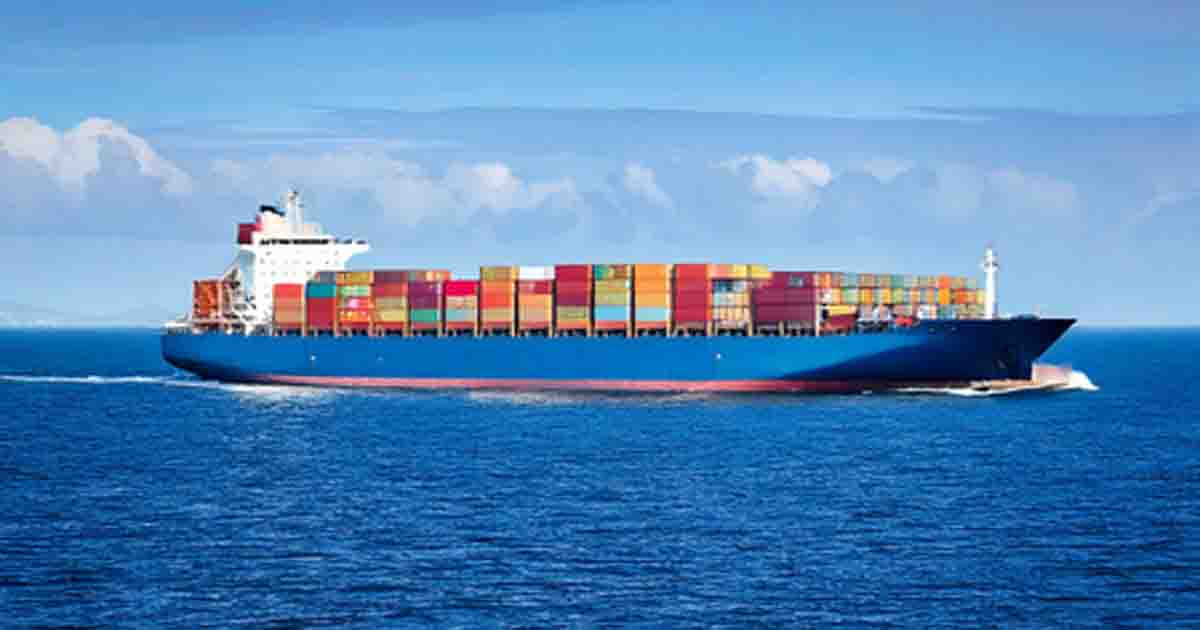
India’s strong economic growth trajectory and the implementation of the India-EFTA Trade and Economic Partnership Agreement (TEPA) are creating significant opportunities for Norwegian investors, particularly in manufacturing, renewable energy, infrastructure, financial services and the digital economy, according to industry insights.
With GDP growth projected to remain around 6.5 per cent annually through 2030, India is widely expected to become the world’s third-largest economy by the end of the decade, according to EY India report.
Analysts attribute this outlook to strong domestic consumption, rising investments, ongoing infrastructure development and reforms aimed at improving the ease of doing business.
The India-EFTA TEPA, which came into effect in October 2025, is being viewed as a major milestone in India-Norway economic relations.
The agreement seeks to promote trade liberalisation, facilitate investment flows and deepen cooperation in areas such as innovation, sustainability and advanced technologies.
The pact includes investment commitments of $100 billion over 15 years and is expected to support the creation of one million direct jobs in India, aligning with the country’s broader goals of expanding manufacturing capacity and strengthening its position in global value chains.
Industry experts believe the agreement creates a strong framework for Norwegian companies to expand their presence in India by combining Norway’s expertise in technology, sustainability and capital-intensive industries with India’s large market and growth ambitions.
Several sectors have been identified as priority areas for collaboration, including manufacturing, renewable energy, oil and gas, maritime services, seafood processing, information and communication technology (ICT), fintech and financial services. These industries are expected to benefit from increasing bilateral cooperation under the TEPA framework.
The rapid expansion of India’s digital economy and digital payments ecosystem is also creating opportunities for Norwegian companies seeking exposure to one of the world’s largest and fastest-growing consumer markets.
At the same time, India’s policy measures aimed at attracting foreign investment are expected to provide a supportive environment for long-term investors, as per the report.
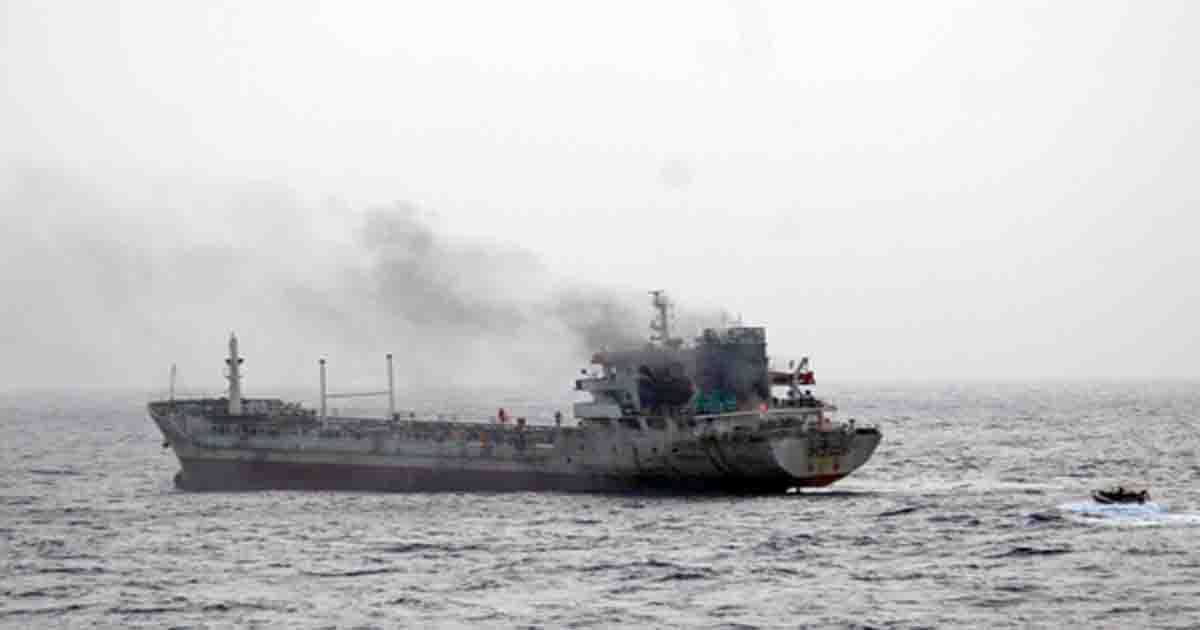
London, Oct 17: A tanker has reportedly been attacked 78 nautical miles northeast of Al Jubail, Saudi Arabia, the United Kingdom Maritime Trade Operations (UKMTO) said on Saturday.
The master of the tanker reported being attacked by a rocket-propelled grenade from a small boat, resulting in damage to the aft port quarter, according to the UKMTO.
Crew are accounted for and reported safe, and a complete damage assessment and environmental impact are unknown, said the UKMTO.
Earlier this week, Yemen’s Houthi group said that it had launched a large-scale missile and drone attack targeting an airport and oil facilities in Saudi Arabia. It also vowed to continue strikes against Saudi targets in the coming days.
In a statement broadcast by Houthi-run al-Masirah TV, Houthi military spokesperson Yahya Sarea said the group targeted Saudi energy giant Aramco in Dhahran in the Eastern Province, as well as King Khalid International Airport and an Aramco refinery in Riyadh.
According to Sarea, the operation involved “a large number of ballistic and cruise missiles and drones,” which accurately hit their targets, causing damage and fires.
The Houthi spokesperson said the operation was carried out in retaliation for Saudi Arabia-led strikes on the Houthi-held capital of Sanaa and other areas under the group’s control. He said Saudi-led forces had carried out 2,281 air and missile strikes since the latest escalation began, Xinhua news agency reported.
Sarea vowed that the group’s attacks “deep inside Saudi Arabia” would continue in the coming days, targeting airports and oil facilities. He also renewed a warning to international airlines, civilians and employees to stay away from airports and oil facilities in Saudi Arabia that the group had designated as targets.
The Houthi claim came after the Saudi-led coalition in Yemen said it intercepted six Houthi missiles and three drones heading towards Saudi Arabia on Tuesday. An Aramco administrative building in Dhahran was targeted Tuesday evening, sparking a limited fire, while debris from two cruise missiles intercepted over Riyadh injured four people and damaged 15 homes, Saudi authorities said Wednesday.
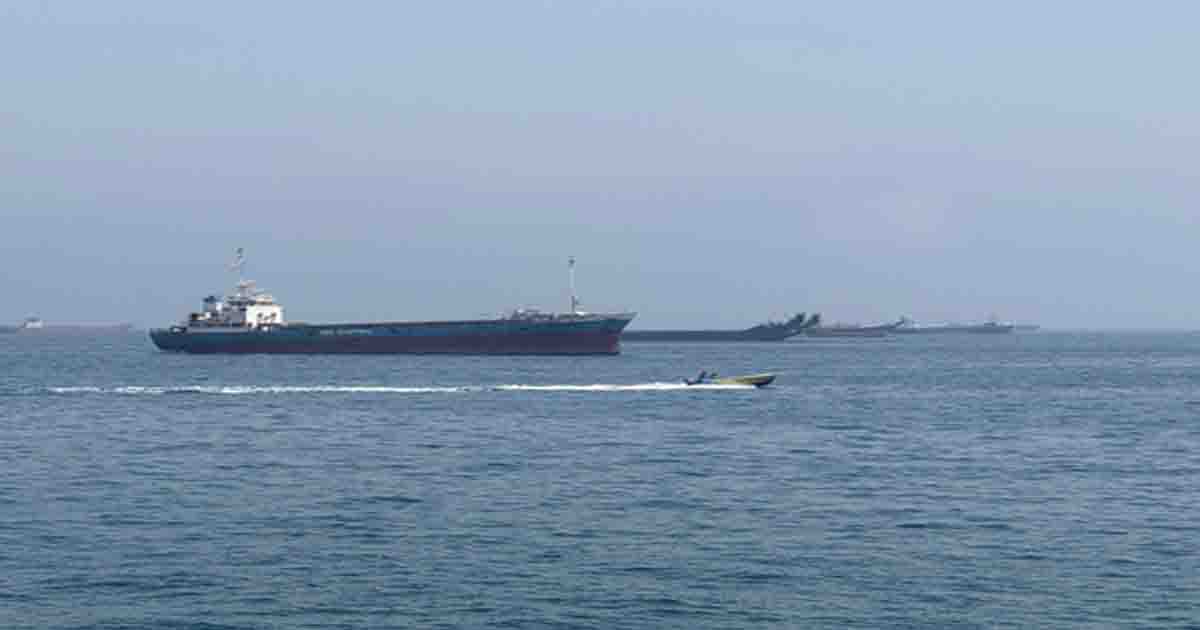
The navy of Iran’s Islamic Revolutionary Guard Corps (IRGC) said on Saturday that a “violating” supertanker that sought to cross the Strait of Hormuz through an “unauthorised” route within the preceding hours suffered a “huge” explosion after hitting a naval mine.
The explosion resulted in a “massive” fire on the oil tanker, which had turned off its GPS and radar systems, the navy said in a statement published by the IRGC’s official news outlet, Sepah News.
Carrying more than two million barrels of crude oil, the vessel sought “unauthorised” passage through the strait with the US. military’s support, Sepah News reported, adding that the waterway has been closed, Xinhua News Agency reported.
On Wednesday, the IRGC Navy said a “violating” container ship attempting to pass through the Strait of Hormuz via an “unauthorised and high-risk” route sank earlier in the day after hitting a naval mine south of the waterway.
Speaking to state-run IRIB TV on Tuesday, IRGC Navy Commander Ali Azmaei said his troops are controlling the Persian Gulf and the Strait of Hormuz “round the clock,” while the Gulf of Oman is under the control and supervision of Iran’s navy.
He warned that those violating shipping rules under US “deception or provocation” would face a decisive response from Iran.
Meanwhile, Iran’s President Masoud Pezeshkian on Friday reiterated that his country does not seek to develop nuclear weapons, dismissing anti-Tehran propaganda claiming otherwise as a “lie.”
Pezeshkian made the remarks during a meeting with Georgian Prime Minister Irakli Kobakhidze on the sidelines of the 17th Conference of the Parties (COP17) to the Convention on Biological Diversity in the Armenian capital, Yerevan, according to a statement on his office’s website.
“Iran does not seek to develop nuclear weapons, and we consider the destructive propaganda against our country as a lie,” he said, citing the clear positions of Iran’s late Supreme Leader Ali Khamenei regarding the prohibition of developing nuclear weapons.

FairPoint: The protests are loud, but where is the money coming from?

Elephant seriously injures mahout, creates panic in Varanasi Ramnagar; over 200 police personnel deployed

CM Adhikari to meet families of Kolkata stampede victims on October 20-21

CBI questions Urmila Sanawar in connection with Ankita Bhandari murder case

Akshay Kumar meets Uttarakhand CM Pushkar Singh Dhami, talk about film Policy in the state

Rahul, Cong ecosystem want to force regime change: BJP after Neha Bora praises B’desh Gen-Z protest

BJP pays tribute to ex-President Abdul Kalam, recalls his enduring influence on generations of India’s youth

Attack on democratic rights: INDIA Bloc leaders on detentions of anti-ECI protestors

INDIA bloc begins protest march against ECI

Maha Congress stages agitation against Gyanesh Kumar
-

 Crime4 years ago
Class 10 student jumps to death in Jaipur
-

 Maharashtra2 years ago
Mumbai Local Train Update: Central Railway’s New Timetable Comes Into Effect; Check Full List Of Revised Timings & Stations
-

 Maharashtra2 years ago
Mumbai To Go Toll-Free Tonight! Maharashtra Govt Announces Complete Toll Waiver For Light Motor Vehicles At All 5 Entry Points Of City
-

 Maharashtra2 years ago
False photo of Imtiaz Jaleel’s rally, exposing the fooling conspiracy
-

 National News2 years ago
Ministry of Railways rolls out Special Drive 4.0 with focus on digitisation, cleanliness, inclusiveness and grievance redressal
-

 Maharashtra2 years ago
Maharashtra Elections 2024: Mumbai Metro & BEST Services Extended Till Midnight On Voting Day
-

 National News2 years ago
J&K: 4 Jawans Killed, 28 Injured After Bus Carrying BSF Personnel For Poll Duty Falls Into Gorge In Budgam; Terrifying Visuals Surface
-

 Crime2 years ago
Baba Siddique Murder: Mumbai Police Unable To Get Lawrence Bishnoi Custody Due To Home Ministry Order, Says Report