
Maharashtra
SIO recommends educational and socio-economic inclusion in Budget 2026-27, demands a budget based on justice and fairness

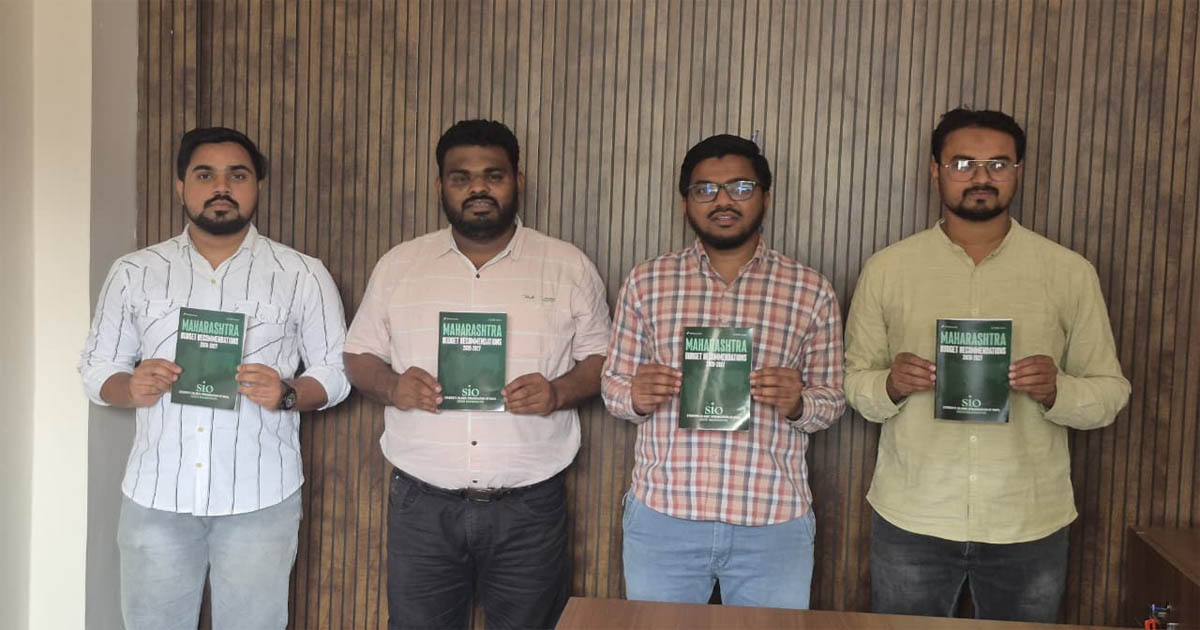
Mumbai: The Students Islamic Organisation of India (SIO), Maharashtra South Zone has submitted its recommendations to the state government for the 2026-27 budget. The report calls for a planned systemic change in the education sector, urging the Maharashtra government to allocate at least 20% of the total budget expenditure for education to ensure the constitutional values of equity and inclusive development.
Despite Maharashtra’s rapid economic growth, the report highlights the lack of development opportunities for the Muslim community. Citing decades of data from the Sachar, Kundu, and Mahmud-ur-Rehman committees, it has been observed that Muslims often lag behind Scheduled Castes (SC) and Scheduled Tribes (ST) in key human development indicators, especially in urban and backward districts.
Key points and recommendations:
- Education Crisis in Urdu Primary Schools
The report reveals a clear disparity in student retention: Only 10 out of every 100 students in Urdu medium schools reach the Higher Secondary Certificate (HSC) level, while the number is 27 in Marathi medium schools.
SIO Demands:
Infrastructure Development: The state government should address the fact that 9.1% of these schools lack boys’ toilets and 6.9% lack girls’ toilets.
Teacher Retention: Special attention should be paid to urgent recruitment and regularization of contract teachers to address the student-teacher ratio.
- Addressing the Shortage of Digital and Other Resources
Currently, only 7% of Urdu medium schools have computer laboratories and the computer-to-student ratio is 81:1, SIO demands dedicated funding for smart classrooms and AI-powered learning tools.
- Reforms in Secondary and Higher Education
To prevent dropouts at the transition stage, SIO suggests:
Extension of RTE Act: The age limit of Right to Education (RTE) Act should be extended to 18 years.
New Institutions: A Central University should be established in Maharashtra to maintain the quality of education and a Higher Education Regulatory Authority should be set up.
Career Opportunities: Vocational exposure at the upper primary stage and career counselling cells should be introduced in all junior colleges.
- Financial Aid and Minority Welfare
The organization demands the government to increase the scholarship allocation to fill the gap left by the closure of MANF and pre-matric scholarships, while ensuring timely and transparent distribution to economically weaker families.
- Urban Development
Beyond the classroom, SIO proposes special interventions in minority-centric areas, including public parks, libraries, student centres and better sanitation management, etc.
In this regard, SIO South Maharashtra President Uzair Ahmed Rangrez said, “The 2026-27 budget is a major opportunity to correct long-standing regional and social imbalances. We are not just asking for funding, we are asking for a roadmap for social justice. By prioritizing these recommendations, the government can ensure that every citizen is included in the ‘Maharashtra Development Agenda’, regardless of the region they come from or the language they speak.” This was informed here today by
Awais Siddiqui
State Secretary, Public Relations
SIO, South Maharashtra.

Maharashtra
Correction made by the Municipal Corporation in the application form for fire safety approval, important decision of the Additional Municipal Commissioner

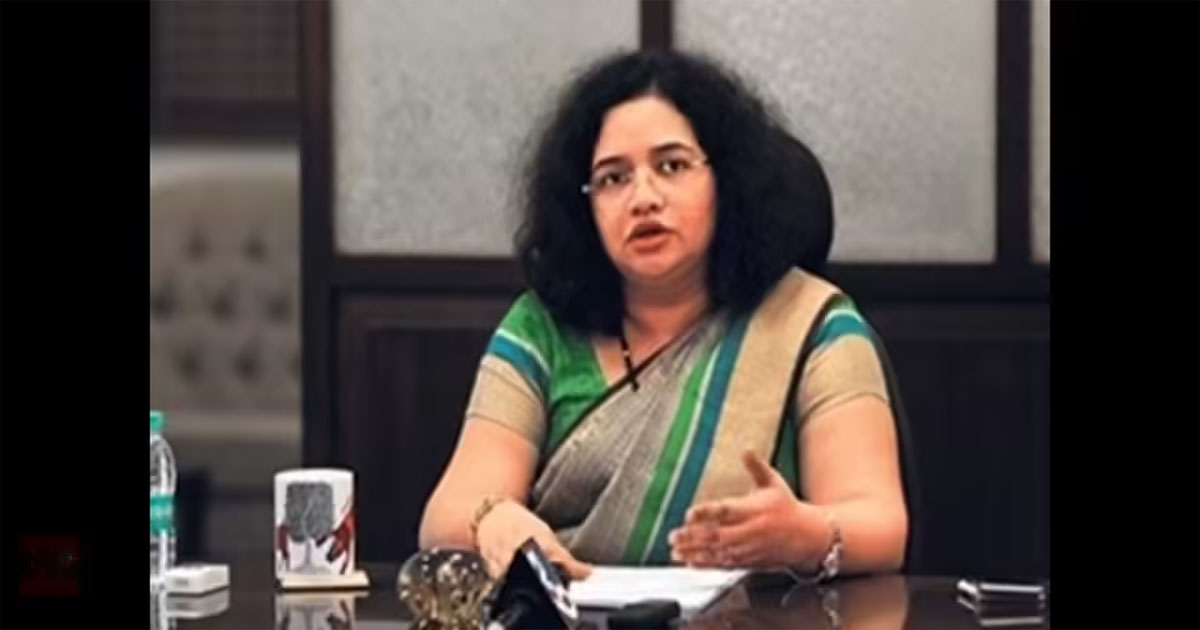
Necessary amendments have been made regarding Mumbai Fire Safety. Necessary amendments have been made in the relevant forms to clarify that “Temporary Fire Safety Approval” is a recommendation given at the stage of approval of building plan under the Maharashtra Fire Prevention and Life Safety Measures Act, 2006 (Amendment 2026) and is not a “Fire Safety Certificate”. Accordingly, revised application forms have been prepared for new/altered construction, construction of additions/conversions, repair matters, final approval of fire safety as well as temporary constructions, this was informed by Additional Municipal Commissioner (City) Dr. Ashwani Joshi.
Under the Maharashtra Fire Prevention and Life Safety Measures Act, 2006 (Amendment 2026), “Temporary Fire Safety Approval” is a recommendation given at the time of approval of the design of a building and before the actual construction commences, regarding compliance with fire prevention and life safety measures required under the Act. However, it has been found that “Temporary Fire Safety Approval” is in fact only a recommendation in nature, but is being treated as a “Fire Safety Certificate”. Therefore, necessary amendments have been made in the relevant form to clearly state the nature, purpose and its statutory limits and scope of the Temporary Fire Safety Approval. As per the said amendment, the above Fire Safety Approval shall be granted in accordance with the points and terms and conditions mentioned therein. Revised forms have been prepared in this regard. Changes have been made in the provisions of Provisional Fire Safety Approval for New/Altered Construction (N.C.O.), Provisional Fire Safety Approval for Additional/Alternate Construction (A.A.O.), Provisional Fire Safety Approval for Repairs in Additional/Alternate Construction, Fire Safety Approval for Fire AMP. Repairs in New/Modified Construction (N.C.A.), Final Fire Safety Approval and Provisional Fire Safety Approval for Temporary Constructions (T.C.) etc. Architects, Licensed Surveyors, Developers may take note of this, Additional Municipal Commissioner (City) Dr. Ashwini has appealed. Besides, Joshi has directed that the revised application forms be made available on the Municipal Corporation’s website https://www.mcgm.gov.in/irj/portal/anonymous immediately.
Maharashtra
‘Bangladeshis & Rohingyas Ahould Pack Their Bags’: BJP Minister Nitesh Rane Warns Action Against All Illegal Encroachments In Mumbai
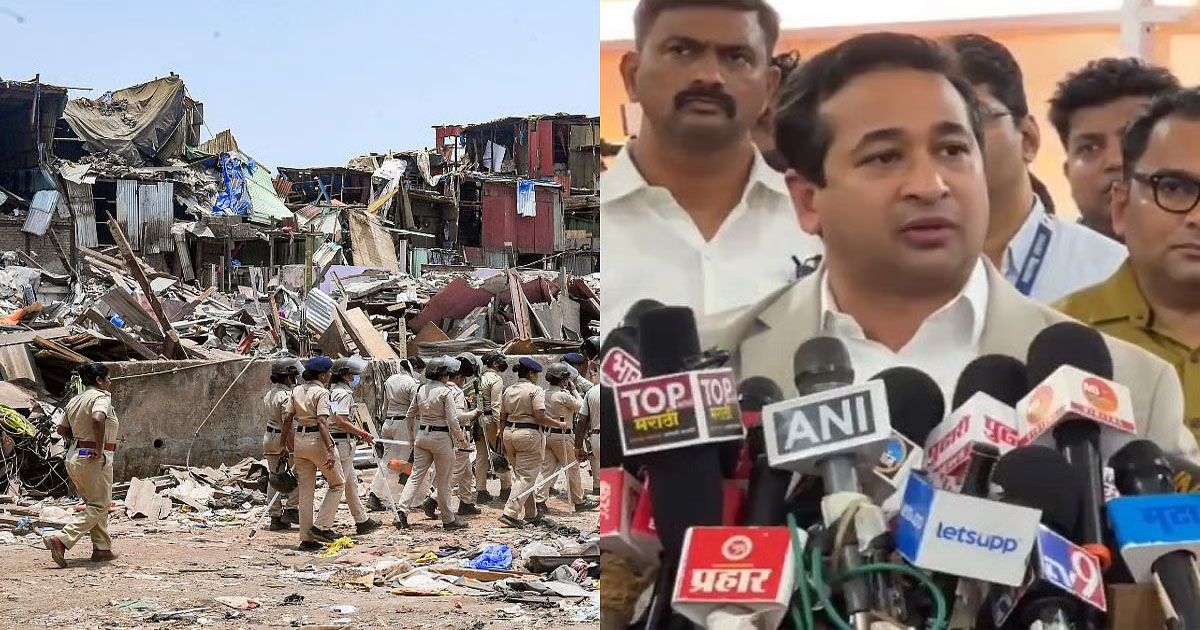
Amid the ongoin Bandra’s Gareeb Nagar anti encroachment drive in Mumbai, Maharashtra minister Nitesh Rane on Friday issued a strong warning against illegal constructions on government land, stating that authorities would continue demolishing unauthorised structures, including houses and illegal religious establishments.
Speaking to reporters during the drive, Rane said the state government would take strict action against encroachments and accused illegal settlers of occupying public land.
“If you build illegal houses or mosques on government land, we will uproot them. It is government land and not anybody’s personal property,” the minister said.
During his statement, Rane also referred to alleged illegal Bangladeshi and Rohingya settlers living in parts of Mumbai. He claimed the government had made promises during elections to act against such settlements and was now implementing them.
“We had clearly said during the elections that we do not want illegal Bangladeshi or Rohingya settlements here. We are fulfilling that promise,” he said.
The minister urged those staying illegally in the city to leave voluntarily, warning that further action would continue as part of the anti encroachment campaign.
His remarks came in the backdrop of recent demolition actions in parts of Mumbai, including Bandra, where civic authorities have intensified drives against unauthorised structures built on public land.
Rane’s comments are expected to trigger sharp political reactions, especially over the reference to religious structures and migrant communities. Opposition parties in Maharashtra have previously criticised such statements, accusing leaders of using divisive language during civic actions.
However, supporters of the anti encroachment campaign argue that illegal occupation of government land has become a major challenge in Mumbai, contributing to congestion, civic strain and safety concerns.
The Maharashtra government has in recent months stepped up demolition and clearance operations across several parts of Mumbai and nearby regions. Officials maintain that the action is aimed at reclaiming public land and preventing illegal construction activity.
Authorities have not yet released detailed figures regarding the number of structures removed during the latest phase of the drive.
The issue of encroachments remains politically sensitive in Mumbai, where rapid urban growth and housing shortages continue to fuel disputes over land and rehabilitation.
Maharashtra
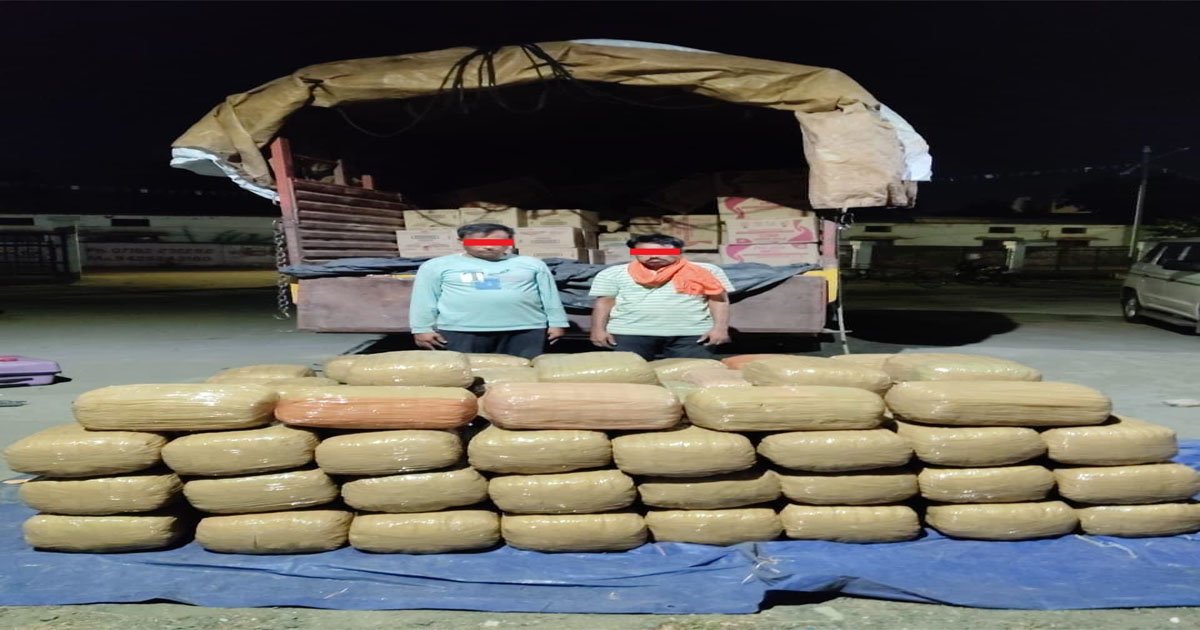
Mumbai NC Inter-state ganja smuggling network exposed, 702 kg ganja seized from Gondia, Maharashtra and 02 arrested
Mumbai: The Central Narcotics Control Bureau (NCB) got a major success when the court convicted Dawood Ibrahim gang and Pathan gang chief Chinko Pathan. NCB Zonal Director Sameer Wankhede had arrested these accused and arrested Chinko Pathan from Dongri with weapons, which is why the accused has been convicted in this case. The Central Anti-Narcotics Control Bureau (NCB) Mumbai convicted five accused in a major synthetic drug smuggling case. The value of the seized drugs is Rs 6.5 crore. In a major success against organised synthetic drug smuggling, the Mumbai Zonal Unit of the Narcotics Control Bureau (NCB) has convicted five accused in a high-profile NDPS Act case involving the smuggling of Mephedrone (MD), Methamphetamine and precursor chemicals, as well as large-scale drug laundering and illegal possession of arms. On May 19, the Special NDPS Court, Thane, Maharashtra sentenced Mohammad Arif Yaqoob Bhujwala (R/O-Chinchbandar, Mumbai) to 15 years imprisonment along with a fine of Rs 2 lakh. Parvez Khan alias “Chunko Pathan” and Mohammad Salman Khan (both residents of Chinchbandar, Mumbai) and Vikrant Jain (resident of Bhiwandi, Thane) have been sentenced to 5 years imprisonment and a fine of Rs 50,000. Another convict Haris Faizullah Khan (Murshid) has been sentenced to one year imprisonment with a fine of Rs 10,000.
The case began on January 20, 2021 when NCB Mumbai officers, acting on specific intelligence, conducted a search operation in Ghansoli, Navi Mumbai and arrested a notorious history sheeter and drug smuggler Parvez Nasrullah Khan alias “Chunko Pathan”. During the operation, NCB officers recovered 52.2 grams of Mephedrone (MD) from his possession. The search resulted in the recovery of an unlicensed pistol with five live rounds, cash worth Rs 12,500, proceeds of drug smuggling, and approximately Rs 3.57 lakh. Precious metal ornaments worth Rs. were recovered which were allegedly obtained from illicit drug proceeds.
Investigation revealed that the seized contraband was supplied by another notorious smuggler and financier, Mohammed. Arif Bhujwala, who was running an organised network of synthetic drug smuggling from the Chinchbunder area of Mumbai. Based on the revelations and technical investigations, the NCB teams conducted extensive searches at several premises linked to Arif Bhujwala.
The search at Noor Manzil, Chinchbunder, Mumbai resulted in the most significant seizure ever made by NCB Mumbai in a synthetic drug case so far. The officers recovered 5.375 kg of mephedrone, 990 gm of methamphetamine and 6.126 kg of ephedrine, a controlled precursor chemical widely used in the manufacture of synthetic drugs. In addition, another unlicensed firearm was seized along with cash worth Rs. 2,18,25,600. which is suspected to have been produced through illegal drug trafficking. The premises searched by the NCB were found to be functioning as storage and processing locations for synthetic narcotics. Various packaging materials, weighing machines, sealing equipment and items used for processing and distribution of contraband were also recovered during the operation. Several bank documents, mobile phones, electronic devices and financial records were seized and later analysed as part of the investigation.
Further investigation revealed the role of another accused, Mohammad Salman Khan, who was purchasing narcotics from Parvez Khan @ Chinko Pathan and further distributing it to the local drug network. A search conducted at his premises in Chinchbunder resulted in the recovery of 10.5 grams of Mephedrone along with packaging materials and weighing equipment used in distribution activities.
NCB investigators also uncovered the role of accused Vikrant Jain alias “Vicky Jain”, who was the financial backer of the drug trafficking operations. was aiding and abetting the illicit trafficking. A search was conducted at his premises in Bhiwandi which resulted in the seizure of 52.8 grams of mephedrone, including the banned substance mixed in Rajini Gandha and tobacco products. The financial records and banking instruments recovered during the search proved his role in financing and facilitating the drug trade.
In continuation of the continuous investigation and surveillance, the NCB teams successfully identified and arrested another accused, Haris Faizullah Khan, from whose possession 3 grams of mephedrone were recovered. The investigation revealed his active association with a vast network of synthetic drug trafficking.
The investigation was conducted by adopting a “bottom-up” and “network-centric” approach, systematically analysing all the forward and backward links of the smugglers. Through painstaking intelligence development, technical analysis and financial investigations, the NCB identified the principal operators, suppliers and The operation ultimately led to the dismantling of a well-established synthetic drug trafficking syndicate operating in the Mumbai Metropolitan Region. Considering the wide spread and financial depth of the network, NCB Mumbai had also initiated a comprehensive financial investigation to identify and link the assets generated from the illegal drug trafficking.

Correction made by the Municipal Corporation in the application form for fire safety approval, important decision of the Additional Municipal Commissioner

‘Bangladeshis & Rohingyas Ahould Pack Their Bags’: BJP Minister Nitesh Rane Warns Action Against All Illegal Encroachments In Mumbai

Mumbai NC Inter-state ganja smuggling network exposed, 702 kg ganja seized from Gondia, Maharashtra and 02 arrested

‘…Is Transforming Every Aspect Of Our Lives’: Maharashtra CM Devendra Fadnavis On AI, Says Technology Can Drive Social And Economic Development

Mumbai NCB achieves major success in convicting D Company and Pathan gang leader Chinko Pathan. Five accused in the case were sentenced to death and fined.

Maharashtra Shock: 22-Year-Old Arrested For Exploiting & Blackmailing Multiple Women In Kolhapur; Love Jihad Angle Suspected

Google to invest up to $40 billion in Anthropic amid global AI race

27 Years After Gangster Sadiq Kalia’s Encounter By Daya Nayak, His Nephew Arrested For Alleged Revenge Killing In Mumbai

Chembur Police Arrest Four For Trying To Sell Elephant Tusks Worth ₹3.5 Crore; Forest Department Confirms Seizure

India, New Zealand set to sign FTA for improved market access on April 27
-

 Crime4 years ago
Class 10 student jumps to death in Jaipur
-

 Maharashtra2 years ago
Mumbai Local Train Update: Central Railway’s New Timetable Comes Into Effect; Check Full List Of Revised Timings & Stations
-

 Maharashtra2 years ago
Mumbai To Go Toll-Free Tonight! Maharashtra Govt Announces Complete Toll Waiver For Light Motor Vehicles At All 5 Entry Points Of City
-

 Maharashtra2 years ago
False photo of Imtiaz Jaleel’s rally, exposing the fooling conspiracy
-

 National News2 years ago
Ministry of Railways rolls out Special Drive 4.0 with focus on digitisation, cleanliness, inclusiveness and grievance redressal
-

 Maharashtra2 years ago
Maharashtra Elections 2024: Mumbai Metro & BEST Services Extended Till Midnight On Voting Day
-

 National News2 years ago
J&K: 4 Jawans Killed, 28 Injured After Bus Carrying BSF Personnel For Poll Duty Falls Into Gorge In Budgam; Terrifying Visuals Surface
-

 Crime2 years ago
Baba Siddique Murder: Mumbai Police Unable To Get Lawrence Bishnoi Custody Due To Home Ministry Order, Says Report