
International News
Putin dials PM Modi, offers Russia’s ‘full support’ to India in ‘uncompromising fight’ against terrorism (Lead)

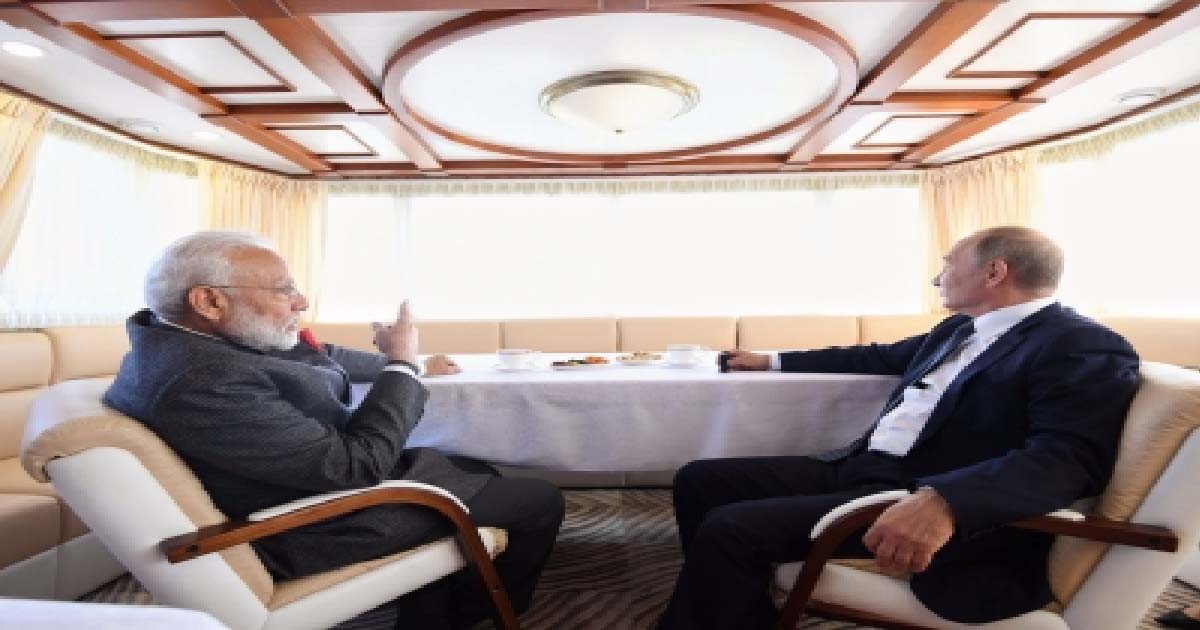
Moscow/New Delhi, May 5: Russian President Vladimir Putin called Prime Minister Narendra Modi on Monday and “strongly condemned” the April 22 terror attack in Pahalgam, offering “full support” to India in its ongoing fight against terrorism.
“He conveyed deepest condolences on the loss of innocent lives and expressed full support to India in the fight against terrorism. He emphasised that the perpetrators of the heinous attack and their supporters must be brought to justice,” Randhir Jaiswal, spokesperson of the Ministry of External Affairs (MEA), stated after the call.
“Both leaders reiterated their commitment to further deepen India-Russia Special and Privileged Strategic Partnership. PM Modi conveyed greetings to President Putin on the celebration of the 80th anniversary of Victory Day and invited him for the Annual Summit to be held in India later in the year,” Jaiswal added.
The brutal assault on April 22, which resulted in the death of 26 innocent tourists, unfolded in the Baisaran Valley near Pahalgam when four heavily armed terrorists, two of them from Pakistan, emerged from the surrounding dense forests and opened indiscriminate fire on tourists. The attack has been described as one of the most horrific in the region in recent memory.
Monday’s call between the two leaders took place before the Russian President hosts Chinese President Xi Jinping, who will be on an official visit to the Russian Federation from May 7-10 and take part in the ceremonial events dedicated to the 80th anniversary of Victory in the Great Patriotic War.
In a statement issued later in the day, the Kremlin said that Vladimir Putin once again expressed sincere condolences to PM Modi over the death of Indian citizens as a result of the barbaric terrorist attack on April 22 in the city of Pahalgam in southern Kashmir. Both sides, it said, emphasised the need for an “uncompromising fight” against terrorism in any form.
“During the conversation, the strategic nature of Russian-Indian relations of a special privileged partnership was emphasised. These relations are not subject to external influence and continue to develop dynamically in all directions. Narendra Modi congratulated Vladimir Putin and the entire Russian people on the upcoming 80th anniversary of the Victory in the Great Patriotic War. It was noted that Victory Day is a common holiday. The Indian representative will take part in the ceremonial events in Moscow,” read the statement issued by the Russian President’s office.
“The Indian leader reiterated his invitation to the Russian President to visit India for the traditional annual bilateral summit. The invitation was accepted with gratitude,” it added.
PM Modi, who had also been invited by Putin for the participation in the Victory Day celebrations, will however not be travelling to Russia.
The Russian President had earlier extended his condolences to President Droupadi Murmu and Prime Minister Modi over the tragic consequences of the terrorist attack in Pahalgam.
“Kindly accept the sincere condolences over the tragic consequences of the terrorist attack in Pahalgam whose victims were civilians — citizens of various countries. This brutal crime has no justification whatsoever. We expect that its organisers and perpetrators will face a deserved punishment. I would like to reiterate our commitment to further increasing cooperation with Indian partners in fighting terrorism in all its forms and manifestations. Please convey words of sincere sympathy and support to the near and dear ones of the deceased as well as wishes for a speedy recovery of all injured,” Putin wrote on April 22.
On May 2, Russian Foreign Minister Sergei Lavrov had dialled External Affairs Minister (EAM) S. Jaishankar do discuss topical issues of the Russian-Indian cooperation, as well as the “aggravation of Indian-Pakistani relations” following the terrorist attack near Pahalgam.
Lavrov called for the settlement of disagreements between New Delhi and Islamabad by political and diplomatic means on a bilateral basis in accordance with the provisions of the Simla Agreement of 1972 and the Lahore Declaration of 1999.
“Discussed the Pahalgam terrorist attack with FM Lavrov of Russia yesterday. Its perpetrators, backers and planners must be brought to justice. Also spoke about our bilateral cooperation activities,” Jaishankar posted on X after the phone call.
Putin had earlier invited Prime Minister Modi to attend the celebrations to mark the 75th anniversary of Victory in the Great Patriotic War in Moscow in May 2020.
Earlier, Kremlin aide Yury Ushakov had confirmed that the Russian President is expected to visit India in early 2025 following an invitation from Prime Minister Modi.
The visit is being planned as part of the ongoing commitment to annual meetings between the two leaders.
“Our leaders have an agreement to meet once a year. This time, it is our turn,” Ushakov had said during a press briefing.
The last visit by the Russian President to India took place on December 6, 2021, during the 21st India-Russia Annual Summit in New Delhi.
Meanwhile, PM Modi held two high-profile visits to Russia last year, attending the 22nd Russia-India Summit in July and later participated in the BRICS Summit held in Kazan in October.

International News
Iran’s president says Tehran ready for dialogue within international law framework

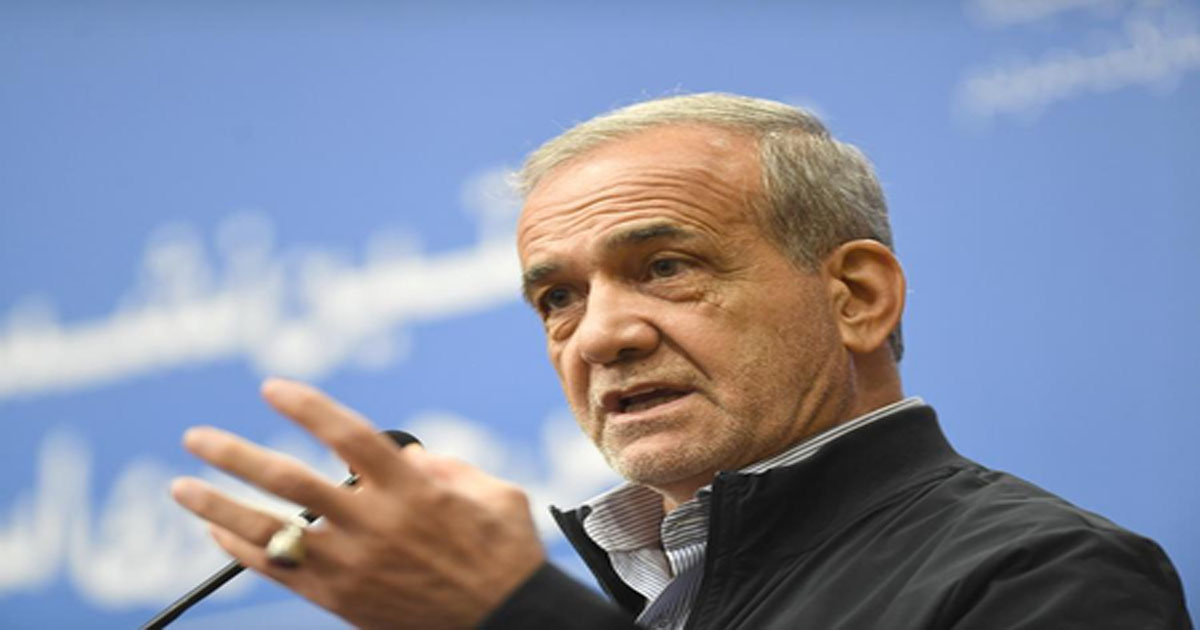
Tehran, May 6: Iranian President Masoud Pezeshkian held a phone call with Iraqi Prime Minister-Designate Ali al-Zaidi, during which Pezeshkian said Iran is ready for dialogue within the framework of international law, but will not acquiesce to force.
Pezeshkian said that “our problem is that on the one hand, the United States is pursuing a policy of maximum pressure against our country, and on the other hand, it expects Iran to come to the negotiating table and ultimately surrender to its unilateral demands … such an equation is impossible,” read a statement published by Pezeshkian’s office on Tuesday (Local time).
He noted that Iran fundamentally does not consider war and insecurity to be favourable options, reports Xinhua news agency.
Pezeshkian stressed that Iran must not deprive itself of nuclear technology, saying the United States speaks in a way as if Iran must not have a nuclear industry, and imposes extra pressure on the country by putting forward excessive demands.
He added that in all previous negotiations, Iran was fully ready to provide, within the framework of international regulations and global monitoring, whatever was deemed necessary under international norms to ensure the peaceful nature of its nuclear activities.
Al-Zaidi, for his part, voiced Iraq’s readiness to mediate between Iran and the United States to contain regional crises, read a statement from Al-Zaidi’s media office.
According to the Iraqi statement, the two sides also agreed to exchange official visits in the coming period to strengthen bilateral ties.
On February 28, Israel and the United States launched joint attacks on Tehran and other Iranian cities, killing Iran’s then Supreme Leader Ali Khamenei, senior commanders and civilians. Iran responded with waves of missile and drone strikes targeting Israel and U.S. bases and assets in the Middle East.
A ceasefire was reached between the warring sides on April 8, followed by peace talks in Pakistan’s Islamabad on April 11 and 12, which ended without an agreement.
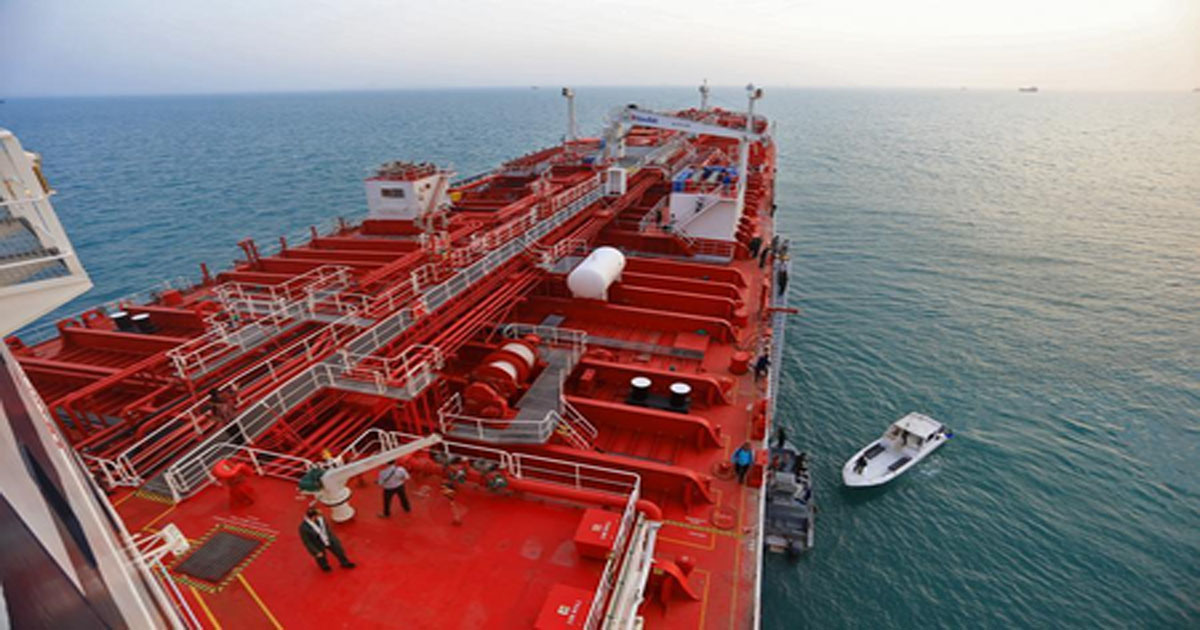
Tehran, May 5: Five civilians were killed in US attacks on cargo boats, Iran’s semi-official Tasnim news agency reported on Tuesday.
Following the claim by the US military that it had targeted six Iranian speedboats, and given that none of Iran’s combat vessels was hit, local sources were consulted to verify the nature of the incident, according to Xinhua, which quoted the report.
It was determined that US forces had attacked two small civilian cargo boats, which were travelling from Khasab along the Omani coast toward Iran, killing five civilian passengers onboard, it said.
Brad Cooper, chief of US Central Command, said on Monday that the US military had sunk six Iranian small boats in the Strait of Hormuz.
The Iranian boats were struck by US Apache and MH-60 Seahawk helicopters, Cooper told a news conference.
Meanwhile, two US Navy destroyers have passed through the Strait of Hormuz and entered the Gulf after navigating an Iranian barrage, US media outlet CBS News reported.
The USS Truxtun and USS Mason, supported by Apache helicopters and other aircraft, faced a series of coordinated threats during the passage, said the report, citing Pentagon officials, who spoke under condition of anonymity, on Monday night (local time).
No US warship was struck, though Iran launched small boats, missiles and drones against them as a sustained barrage, the officials were quoted as saying.
None of the projectiles launched by Iran reached the US vessels, they said, adding that the US military’s assisting efforts, bolstered by air support, successfully intercepted or deterred each incoming threat, reports Xinhua news agency.
US President Donald Trump told Fox News on Monday that the Iranians are “more malleable” than they were before.
In a phone interview with Fox News, the president threatened that if Iran targets US ships in the Strait of Hormuz as the Pentagon begins operations to restore commercial shipping transit through the strait, they would be “blown off the face of the Earth.”
However, in another phone interview with ABC News on Monday, Trump stopped short of saying Iran’s Monday attacks had violated the US-Iran ceasefire.
“[It was] not heavy firing,” Trump said, downplaying the attacks.
Brad Cooper, chief of the US Central Command, told reporters earlier on Monday that Iranian forces had launched “multiple cruise missiles, drones, and small boats at ships we are protecting.”
US forces have sunk six Iranian small boats targeting civilian vessels in the Strait of Hormuz and intercepted several Iranian missiles and drones, said Cooper.
Iran later rejected the US claims, saying that “no commercial vessels or oil tankers” have transited the Strait of Hormuz, the semi-official Tasnim News Agency reported.
On February 28, the United States and Israel launched joint strikes on Tehran and other Iranian cities, killing then-Supreme Leader Ali Khamenei, senior military commanders and civilians. Iran responded with waves of missile and drone attacks on Israel and US targets across the region and restricted passage through the Strait of Hormuz for vessels linked to Israel and the United States.
A ceasefire took effect on April 8, followed by talks between Iranian and US delegations in Islamabad that ended without a deal.
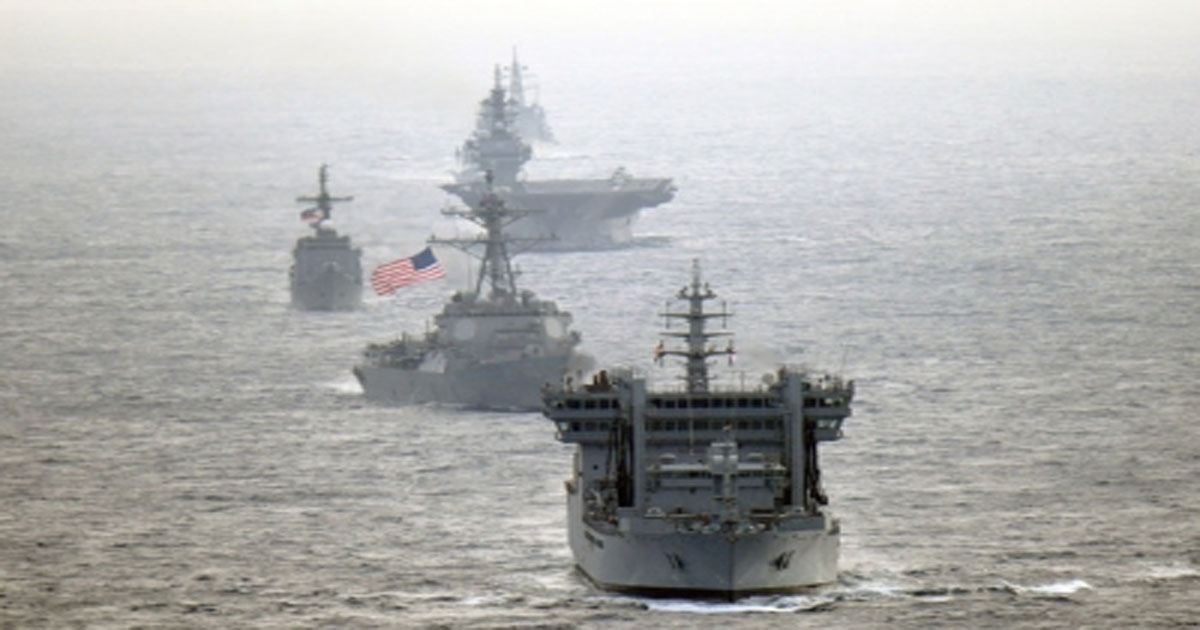
Tehran, May 4: The Navy of Iran’s Islamic Revolution Guard Corps (IRGC) on Monday claimed that it hit a US Navy frigate with two missiles that sought to pass through the Strait of Hormuz, the semi-official Fars news agency reported.
The US frigate, which had set sail near Iran’s southern port city of Jask to cross the Strait of Hormuz “in violation of the traffic and shipping security,” was hit after ignoring the Iranian naval forces’ warning, Fars cited local sources as saying.
It added that after being struck, the frigate was forced to retreat and flee from the region.
However, according to a subsequent report by Axios, a senior US official denied that a US ship was hit by Iranian missiles, Xinhua news agency reported.
Iran has repeatedly announced that no movement is possible through the Strait of Hormuz without its official permission, and ignoring this warning will be met with a decisive response from the Iranian armed forces, according to Fars.
US President Donald Trump said Sunday the United States will guide ships stranded in the Strait of Hormuz safely out of the restricted waterway on Monday.
In response to Trump’s claim, Iran’s main military command, Khatam al-Anbiya Central Headquarters, warned on Monday that “any foreign armed forces, especially the aggressive US army, will be attacked if they intend to approach and enter the Strait of Hormuz,” according to the official news agency IRNA.
Iran tightened its grip on the Strait of Hormuz beginning February 28, when it barred safe passage to vessels belonging to or affiliated with Israel and the United States following joint strikes on Iranian territory.
The United States imposed its anti-Iran blockade on the Strait of Hormuz after post-ceasefire negotiations with Tehran on April 11 and 12 failed to lead to an agreement.

Mumbai: Fire incidents increase in summer, citizens urged not to burn garbage and other waste in public places during summer

Mumbai: Four members of the same family died due to delayed treatment after eating watermelon, FDA report on watermelon poisoning

Iran’s president says Tehran ready for dialogue within international law framework

BMC Employee Booked For 1997 Job Fraud Using Forged Documents; 29-Year Service Under Scanner, FIR Filed

Colaba Police Book 2 For Impersonation In IBPS Recruitment To Secure New India Assurance Administrative Officer Job

‘Son Falsely Implicated, We Are Well-Educated’: Father Of Accused Tausif Attar Defends Son After Skullcap, Namaz Coercion Allegations Rock TCS Nashik

Asha Bhosle’s son says last respects to be paid at residence in Lower Parel, followed by last rites at Shivaji Park

Mumbai: 15th arrest in Rohit Shetty shooting case, shooter identified, arrested, more arrests possible

Crude oil prices tank up to 20 pc over Iran ceasefire announcement

‘Scary & Traumatic’: Commuter Alleges Mobbing By Auto Drivers Over Uber Bike Booking In Navi Mumbai
-

 Crime4 years ago
Class 10 student jumps to death in Jaipur
-

 Maharashtra2 years ago
Mumbai Local Train Update: Central Railway’s New Timetable Comes Into Effect; Check Full List Of Revised Timings & Stations
-

 Maharashtra2 years ago
Mumbai To Go Toll-Free Tonight! Maharashtra Govt Announces Complete Toll Waiver For Light Motor Vehicles At All 5 Entry Points Of City
-

 Maharashtra2 years ago
False photo of Imtiaz Jaleel’s rally, exposing the fooling conspiracy
-

 National News2 years ago
Ministry of Railways rolls out Special Drive 4.0 with focus on digitisation, cleanliness, inclusiveness and grievance redressal
-

 Maharashtra1 year ago
Maharashtra Elections 2024: Mumbai Metro & BEST Services Extended Till Midnight On Voting Day
-

 National News2 years ago
J&K: 4 Jawans Killed, 28 Injured After Bus Carrying BSF Personnel For Poll Duty Falls Into Gorge In Budgam; Terrifying Visuals Surface
-

 Crime2 years ago
Baba Siddique Murder: Mumbai Police Unable To Get Lawrence Bishnoi Custody Due To Home Ministry Order, Says Report