
International News
N.Korea urged to stop escalating tensions over Kim’s vow to bolster nuke power

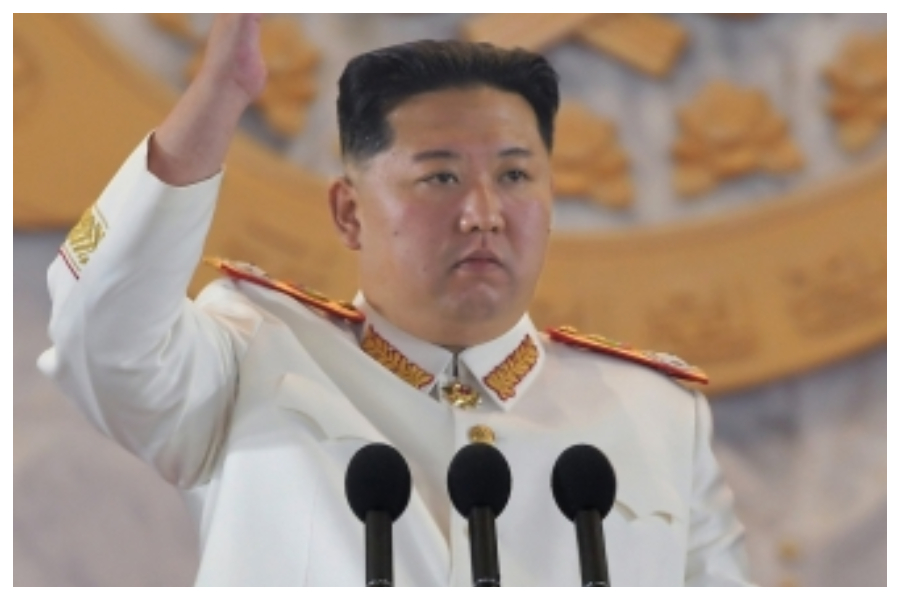
The South Korean government on Thursday called on North Korea to refrain from escalating tensions in the region, responding to a threat by its leader Kim Jong-un to strengthen the regime’s nuclear capabilities.
“Our government and the international community have maintained the stance that North Korea should stop all acts that heighten tensions, including the advancement of its nuclear capabilities, and to return to the negotiating table,” a Unification Ministry official said.
South Korea will continue efforts to achieve denuclearization and bring peace to the Korean Peninsula in close coordination with Washington while keeping a close eye on the North, Yonhap News Agency quoted the official as saying.
On Monday, North Korea showcased a massive intercontinental ballistic missile and other strategic weapons at a military parade, during which Kim vowed to beef up the country’s nuclear capabilities at the “fastest possible speed”.
Kim also warned any forces that seek to violate the “fundamental interests” of the North will be met with its nuclear forces.
On the meaning of “fundamental interests”, the Ministry official said North Korea has often used the expression without elaborating, as Kim’s statement has added to rampant speculation on his intentions.
“It is considered to be used by the North as a concept with the existence of its nation and regime at its core value,” he said. Apparently, many observers say, regime security is Kim’s top priority.
No messages were directed at the South or the US in Kim’s latest public speech, the official noted.’
The North appears to have staged the military parade on the 90th founding anniversary of the Korean People’s Revolutionary Army (KPRA) to solidify internal unity under Kim’s leadership and stress his legitimacy, he added.
Another official told reporters on condition of anonymity the ministry is still conducting an analysis to confirm whether or not Kim has been promoted from “marshal” to “grand marshal.”
“Grand marshal” is the highest position in the North’s military held only by its late state founder Kim Il-sung and late leader Kim Jong-il.
Kim showed up at the night-time military parade in a white military suit wearing an epaulet with a grand marshal insignia on his right shoulder.

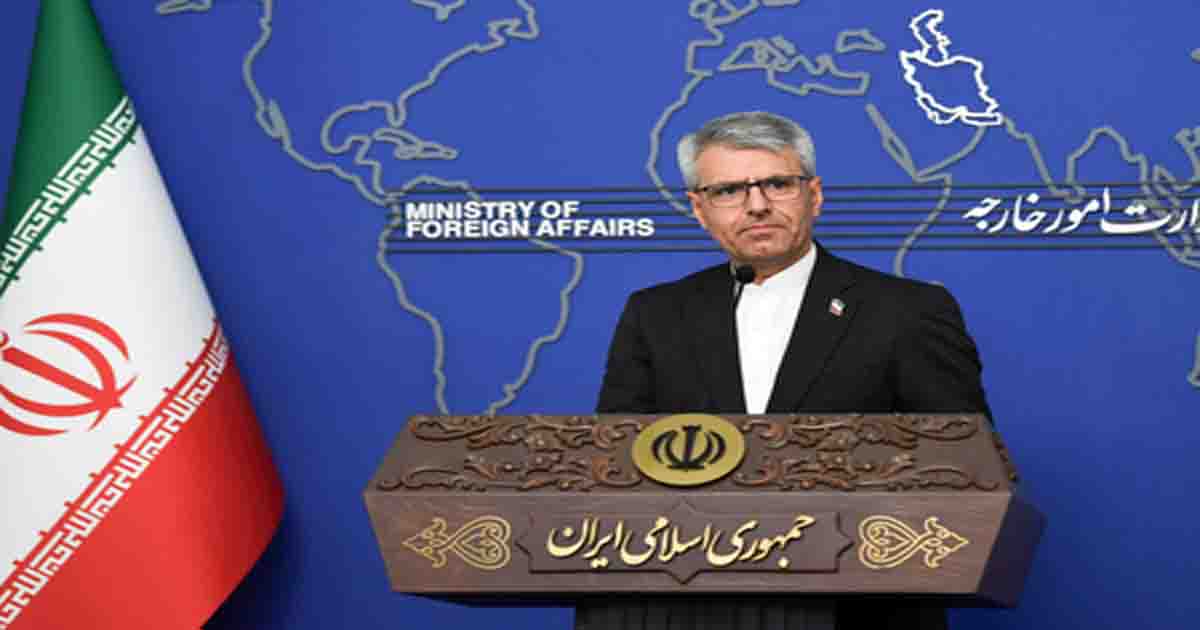
Iranian Foreign Ministry spokesman Esmaeil Baghaei said the outcome of Israel’s parliamentary election on October 27 would make no difference to Iran.
Speaking at a weekly press conference in Tehran on Monday, Baghaei criticised Israel’s record in West Asia, saying it had brought nothing to the region but “violence and massacre.” He also accused Israel of continuing what he called “genocide” against Palestinians and said Israeli threats against Iran were part of its hostile conduct, Xinhua News Agency reported.
Responding to Israeli officials’ claims that Iran might launch preemptive strikes to disrupt the election, Baghaei warned that Israel was “highly adept at carrying out false-flag operations.”
He said Iran was closely monitoring developments and that its armed forces would not hesitate to defend the country’s territory, adding that Iran was in a state of war and would exercise its right to self-defence.
Meanwhile, Iran’s Foreign Minister Seyed Abbas Araghchi on Sunday reiterated that the administration of the Strait of Hormuz and routes in the waterway will not be the same as they were in the past, according to the official news agency IRNA.
Araghchi made the remarks at a ceremony in the Iranian capital Tehran, while stressing that “fundamental and strategic” changes have taken place in West Asia following the US-Israeli war against Iran.
“We must accept that new realities have taken hold. The routes in the Strait of Hormuz will not be the same as they once were, and the strait’s management will also not be as it was in the past,” he said. “There are matters on which we have held negotiations, and these negotiations will continue.”
The minister stressed that the region’s security must be ensured by regional countries and without reliance on foreign forces, “who have come to the region aiming to safeguard their own interests and protect Israel, and whose continued presence will lead to nothing but insecurity for the entire region.”
He added that Iran was ready to cooperate with all regional countries.
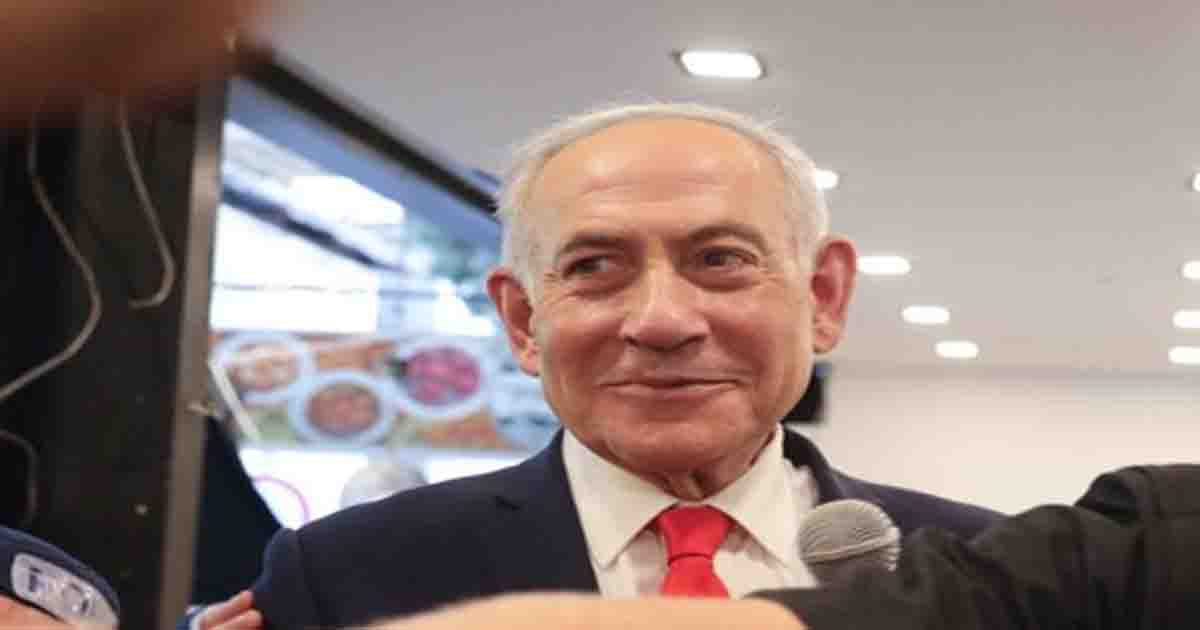
As Israel heads to a crucial parliamentary election on Tuesday, incumbent Prime Minister Benjamin Netanyahu faces a challenge from key candidates including Gadi Eisenkot, Naftali Bennett, Yair Lapid, Avigdor Lieberman and Yair Golan, local media reported.
Netanyahu has positioned himself as the strongest candidate to safeguard Israel’s security and handle its international ties.
His Likud party is focusing on military successes against Hamas, Hezbollah and Iran, while critics argue that the October 7 attack exposed serious security lapses under his leadership, Israeli media outlet i24 News reported.
Former Israel Defense Forces (IDF) chief of staff Gadi Eisenkot has emerged as a prominent challenger to Netanyahu. His newly formed Yashar party combines a security-oriented agenda with pledges to restore public confidence and reinforce democratic institutions.
Furthermore, former prime ministers Naftali Bennett and Yair Lapid have united to build an alliance, the Beyachad party, spanning right-wing and centrist voters. Their platform focuses on national security, integrating ultra-Orthodox men into military service and the workforce, supporting reservists and reforming the constitutional framework.
Led by Avigdor Lieberman, the Yisrael Beiteinu party combines a tough security stance with secular policies.
While the party traditionally drew support from immigrants from the former Soviet Union, it is now reaching out to a broader electorate that demands compulsory military service for all and less religious influence over public affairs.
Additionally, Yair Golan’s Democratic Party opposes annexation, favours a diplomatic resolution to the Israeli-Palestinian conflict and supports cooperation with moderate regional partners, i24 News reported.
Meanwhile, Netanyahu’s opponents are exploring possible post-election arrangements as opinion polls point to a closely contested race, according to a report in The Jerusalem Post.
“Israel’s anti-Netanyahu bloc is preparing for the possibility of forming a minority government after the upcoming elections, despite opposition from Avigdor Liberman and Naftali Bennett, while a broad agreement is emerging among the parties to replace Knesset Speaker Amir Ohana even before a coalition deal is reached,” the report stated.
“In most polls, the anti-Netanyahu camp holds an advantage over the outgoing coalition bloc, but the Zionist parties seeking political change fall short of the majority needed to form a government based on their current agreements,” it noted.
Nearly three years after the deadliest attack in Israel’s history triggered a devastating war on multiple fronts, Israelis are preparing to cast their votes in an election widely regarded as one of the most consequential in the country’s history, with implications extending well beyond the political future of Prime Minister Benjamin Netanyahu and his opponents, The Times of Israel reported.
The report suggests that the Tuesday election, the first since the Hamas-led October 7, 2023, massacre, is taking place against a backdrop of deep divisions over accountability for the failures that enabled the attack, the burden of military service, and the independence of Israel’s democratic institutions and judiciary,
International News
Iran’s supreme leader meets judiciary chief, urges compensation for US-Israeli ‘crimes’

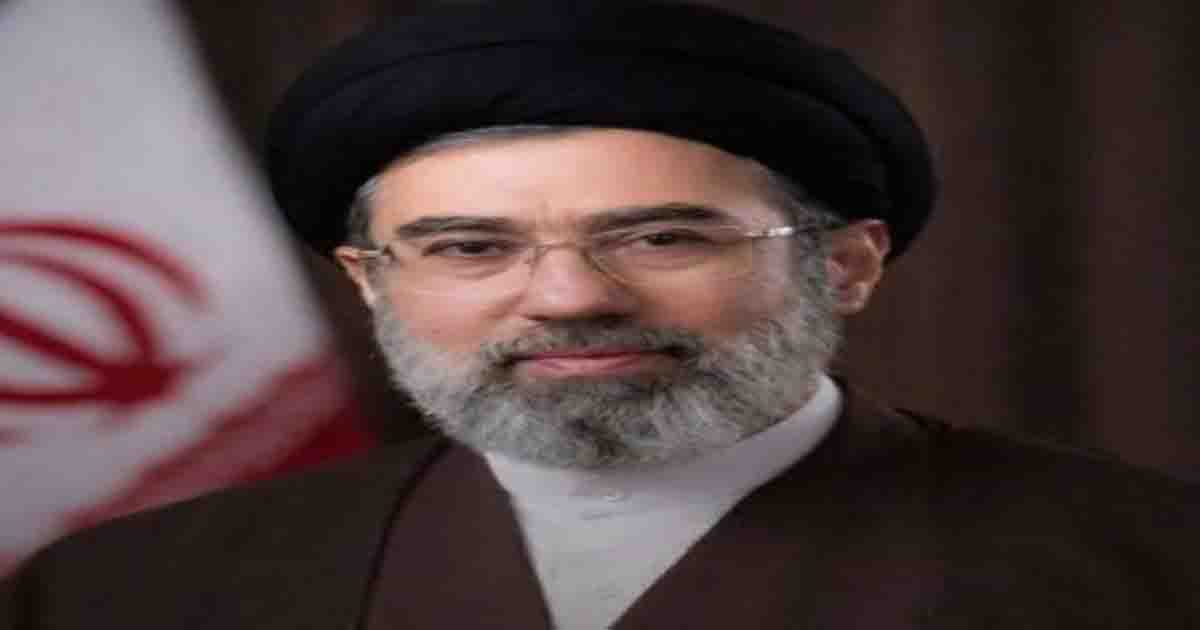
Iran’s Supreme Leader Mojtaba Khamenei has stressed the need for “serious” efforts to pursue the Iranian people’s rights and ensure the payment of compensation for the damages inflicted on the country during the US-Israeli attacks.
The issues were highlighted in a meeting between the supreme leader and the country’s Judiciary Chief Gholamhossein Mohseni-Ejei, according to a statement published on the leader’s website on Saturday.
Among the issues underlined during the meeting were promoting justice, safeguarding public rights, fighting corruption and its root causes effectively, handling judicial cases promptly, precisely and decisively, enforcing judicial rulings in a timely and deterrent manner, and bringing about a “comprehensive and tangible” transformation in the country’s judicial apparatus.
The other matters included the necessity to draw up plans and make efforts to decisively fight crimes as well as to seriously pursue the restoration of the Iranian people’s rights and compensation for the material and non-material damages resulting from the “crimes perpetrated by the US-Israeli criminals,” reports Xinhua news agency.
On February 28, Israel and the United States launched joint attacks on Tehran and other Iranian cities.
Iran responded with waves of missile and drone attacks targeting Israel and US bases and assets in the region, and tightened its grip on the Strait of Hormuz.
Meanwhile, US President Donald Trump on Friday raised the prospect of renewed military strikes against Iran, claiming that the United States could seize all of the country’s oil or even take over the entire country.
“Iran is not able to do much now. And we could, if we wanted to, just take all of the oil,” Trump told reporters as he left the White House for a rally in Florida. “We could take the whole country.”
Asked about US Ambassador to the United Nations Mike Waltz saying the conflict with Iran could drag on for another year, Trump said: “We could end it very quickly … The question is, ‘Do we want to finish it off or do we just want to let it wither?'”
Later at the Florida rally, Trump suggested another military operation against Iran was possible.
“We may do another little Epic Fury,” he told attendees, referring to the large-scale US military operation against Iran launched on February 28 alongside a coordinated Israeli offensive.
Trump’s latest remarks came amid reports that the US and Israeli militaries have drawn up plans for renewed strikes against Iran after the US midterm elections. However, whether Trump will ultimately authorise another military operation remains uncertain, according to US media reports.

Income Tax Dept nudges taxpayers owning undeclared properties in UAE

Delhi BJP protests near Kharge official residence over remark on PM Modi

Maha: State Board approves Wildlife Sanctuary status for two reserves; notifies 14 new conservation reserves

Nepali gang arrested for murder of retired IPS officer’s wife in Hyderabad

Raj Thackeray slams urban planning, traffic crisis in Navi Mumbai; says he awaits power in Maharashtra

Rahul, Cong ecosystem want to force regime change: BJP after Neha Bora praises B’desh Gen-Z protest

Attack on democratic rights: INDIA Bloc leaders on detentions of anti-ECI protestors

BJP pays tribute to ex-President Abdul Kalam, recalls his enduring influence on generations of India’s youth

INDIA bloc begins protest march against ECI

Maha Congress stages agitation against Gyanesh Kumar
-

 Crime4 years ago
Class 10 student jumps to death in Jaipur
-

 Maharashtra2 years ago
Mumbai Local Train Update: Central Railway’s New Timetable Comes Into Effect; Check Full List Of Revised Timings & Stations
-

 Maharashtra2 years ago
Mumbai To Go Toll-Free Tonight! Maharashtra Govt Announces Complete Toll Waiver For Light Motor Vehicles At All 5 Entry Points Of City
-

 Maharashtra2 years ago
False photo of Imtiaz Jaleel’s rally, exposing the fooling conspiracy
-

 National News2 years ago
Ministry of Railways rolls out Special Drive 4.0 with focus on digitisation, cleanliness, inclusiveness and grievance redressal
-

 Maharashtra2 years ago
Maharashtra Elections 2024: Mumbai Metro & BEST Services Extended Till Midnight On Voting Day
-

 National News2 years ago
J&K: 4 Jawans Killed, 28 Injured After Bus Carrying BSF Personnel For Poll Duty Falls Into Gorge In Budgam; Terrifying Visuals Surface
-

 Crime2 years ago
Baba Siddique Murder: Mumbai Police Unable To Get Lawrence Bishnoi Custody Due To Home Ministry Order, Says Report