
International News
Meeting between Iran, Gulf states scheduled in Oman postponed

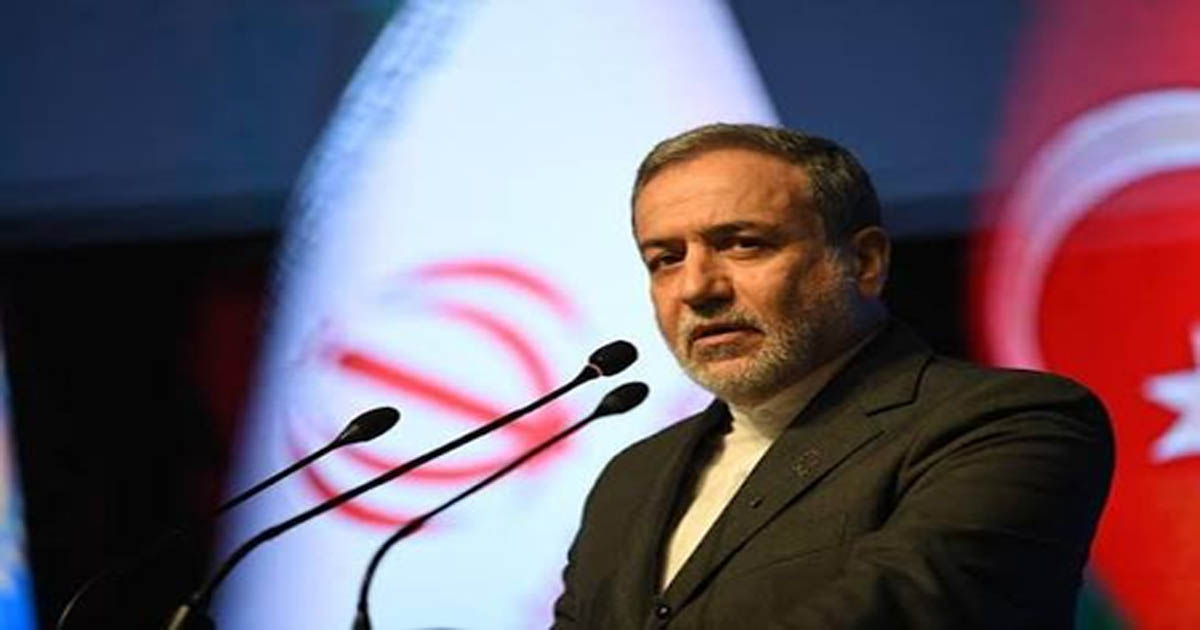
Muscat/Tehran, Sep 14: A meeting between Iran and Gulf states scheduled to take place in the Omani city of Salalah on Monday has been postponed, according to a social media post by Omani Foreign Minister Sayyid Badr bin Hamad Al Busaidi on Sunday.
“In the interests of consensus the regional meeting set for tomorrow in Salalah has been postponed,” Al Busaidi said on X.
“We remain committed to fostering dialogue that supports stability and lasting cooperation in our region,” he added.
Confirming the meeting’s deferral in an interview with Iran’s official news agency IRNA, Mohammad Ali Bak, director general of the Persian Gulf at the Iranian Foreign Ministry, said it was postponed to another date at some regional countries’ requests and based on a joint decision by Iran and Oman.
The official stressed that Iran is in close consultations with Oman to ensure the necessary arrangements and coordination regarding the appropriate time for holding the meeting, Xinhua News Agency reported.
Iran’s Foreign Ministry spokesman Esmaeil Baghaei announced on Friday that Gulf littoral states’ foreign ministers were scheduled to meet in Oman on Monday to exchange views on regional issues, including the Iran-Oman talks on designating safe routes in the Strait of Hormuz.
Speaking to media on Saturday, Baghaei said the gathering would “hopefully” be attended by foreign ministers from Gulf states as well as Iran and Iraq.
Meanwhile, Iraq announced on Sunday a phased reopening of three major border crossings with neighbouring Iran, following administrative and technical reviews to enhance security and streamline border movement.
According to a statement by the Security Media Cell (SMC), affiliated with the Iraqi Joint Operations Command, the decision was made under the directives of Iraqi Prime Minister Ali al-Zaidi to upgrade organisational and technical infrastructure at the Shalamcheh, Mandali, and al-Sheeb border crossings.
Under the schedule, passenger travel through the al-Sheeb and Shalamcheh border crossings resumed at 6 am on Sunday, while commercial trade activities at Shalamcheh will resume on Monday, followed by Mandali on Tuesday and al-Sheeb on Thursday, the statement said.
The SMC emphasised that trade and passenger movement with Iran at the Zurbatiyah and al-Munthiriya crossings have remained unaffected and continue to operate around the clock.

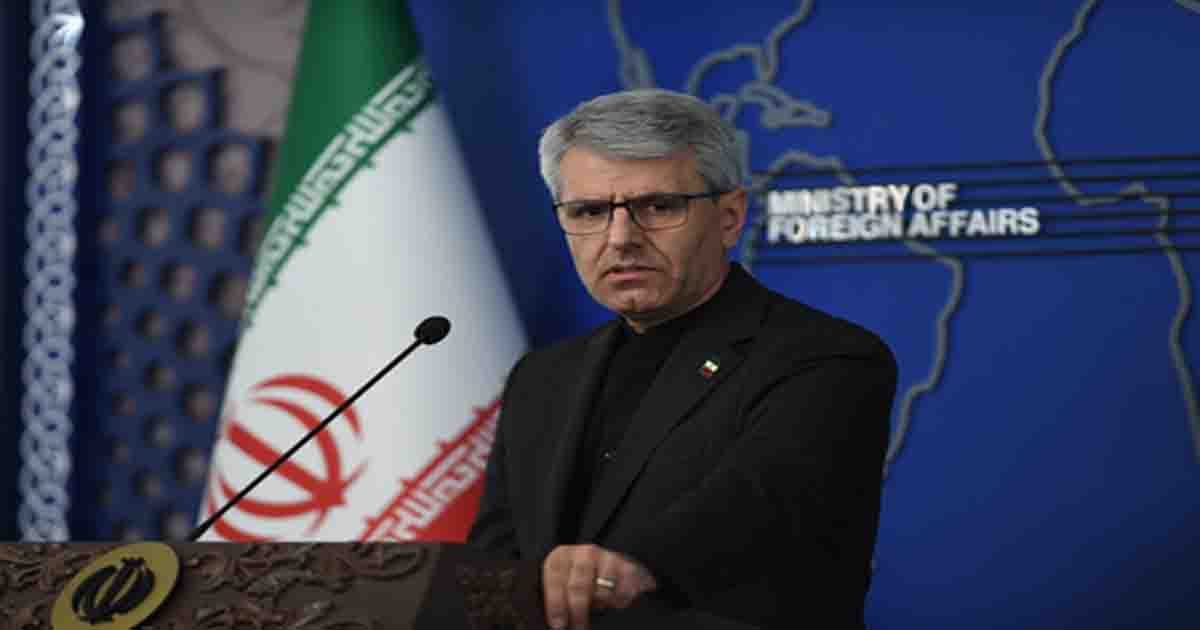
Iran’s Foreign Ministry spokesman Esmaeil Baghaei said on Monday that if the United States meets Iran’s “legitimate” demands, it will be possible to reopen the Strait of Hormuz within two days.
At a weekly press conference in Tehran, Baghaei said the basis for any indirect interaction between Iran and the United States through mediators remains the seven-day plan proposed by Tehran in September, adding Iran has reduced the period for implementing the plan to two days based on its good faith.
He noted, “We have announced that if Iran’s demands are met, the possibility will exist to restore security to the Strait of Hormuz and start the negotiation process in a short period of time,” stressing that all these depend on the American side’s decision on how to proceed regarding the future of the process, Xinhua News Agency reported.
Baghaei said Iran has articulated its demands “clearly, reasonably, and logically,” underlining that unless the United States ends its anti-Iran naval blockade and addresses Tehran’s “legitimate” demands, no agreement will be reached and the Strait of Hormuz will not be reopened or secured.
Iran conveyed the seven-day plan containing its conditions for ending the war and reopening the Strait of Hormuz to the United States through mediators on the sidelines of the 81st session of the UN General Assembly in New York on September 22, following which Tehran and Washington have reportedly continued exchanging messages on the proposal.
On February 28, Israel and the United States launched joint attacks on Tehran and other Iranian cities. Iran responded with waves of missile and drone attacks targeting Israel and US bases and assets in the region, and tightened its grip on the Strait of Hormuz.
The Strait of Hormuz links the Persian Gulf with the Gulf of Oman and the Arabian Sea. It is one of the world’s most important energy corridors, carrying oil and Liquefied Natural Gas (LNG) exports from major Gulf producers to international markets.
International News
274 minor boys subjected to sexual abuse in Bangladesh; madrasas account for majority cases

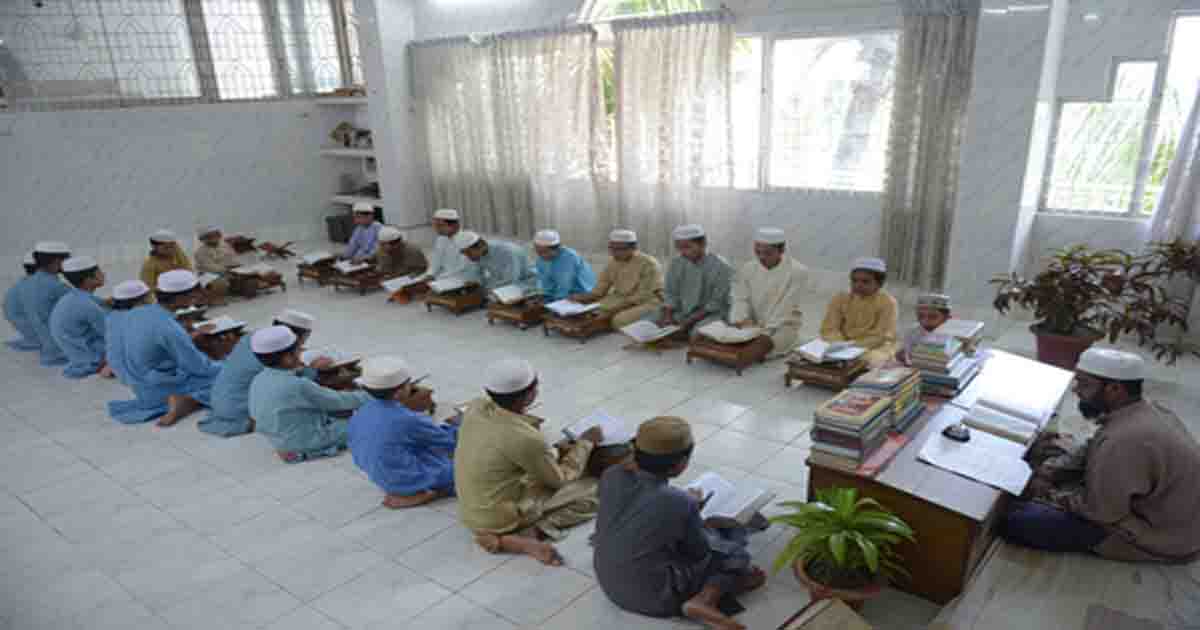
At least 274 minor boys were subjected to sexual violence in 199 incidents across Bangladesh, with the majority of victims being madrasa students, said a leading international human rights organisation, highlighting the alarming scale of abuse against children in the country.
In its ten-month monitoring report, Justice Makers Bangladesh in France (JMBF) stated that the incidents recorded between January 1 and October 31, 2026, took place in classrooms, residential institutions, homes and neighbourhoods, with children often subjected to abuse by people they knew or were expected to trust.
It noted that many children’s experiences never become public, and the actual scale may be substantially greater.
As per the findings, 183 incidents involved allegations of rape affecting 257 children, while 16 cases involved attempted rape against 17 children across 61 districts in all eight divisions of Bangladesh.
Five incidents reportedly resulted in the deaths of children following alleged sexual violence. The report further noted that 136 children experienced repeated abuse in 67 incidents, accounting for nearly half of all recorded victims.
According to the report, madrasa students accounted for 180 victims in 121 incidents, constituting 65.7 per cent of all recorded victims. Madrasas were identified as the locations of abuse in 100 incidents involving 158 victims.
The report further stated that madrasa teachers were named as accused in 93 incidents involving 131 victims. It recorded 115 accused entries involving madrasa teachers, accounting for 49.4 per cent of all accused persons.
Furthermore, madrasa teachers, students, and religious leaders were collectively identified as alleged perpetrators in 107 incidents involving 150 victims.
“Every one of these children deserved to be safe. A child who finds the courage to speak about abuse must be heard and protected — not threatened, silenced, or sent back into danger. It is deeply disturbing that some of the people accused were entrusted with children’s education and care,” said JMBF Founder President Shahanur Islam
“No institution’s reputation is worth more than a child’s safety. Anyone who abuses a child, conceals an offence or pressures a family to remain silent must face investigation and, where responsibility is established, lawful accountability. Arrests cannot be the end of the response. Children need treatment, someone they can trust, support to continue their education and a justice process that does not cause them further harm,” he added.
The JMBF urged the Bangladeshi authorities to take immediate measures to protect children, ensure thorough investigations and accountability for those responsible for the abuse or its concealment.
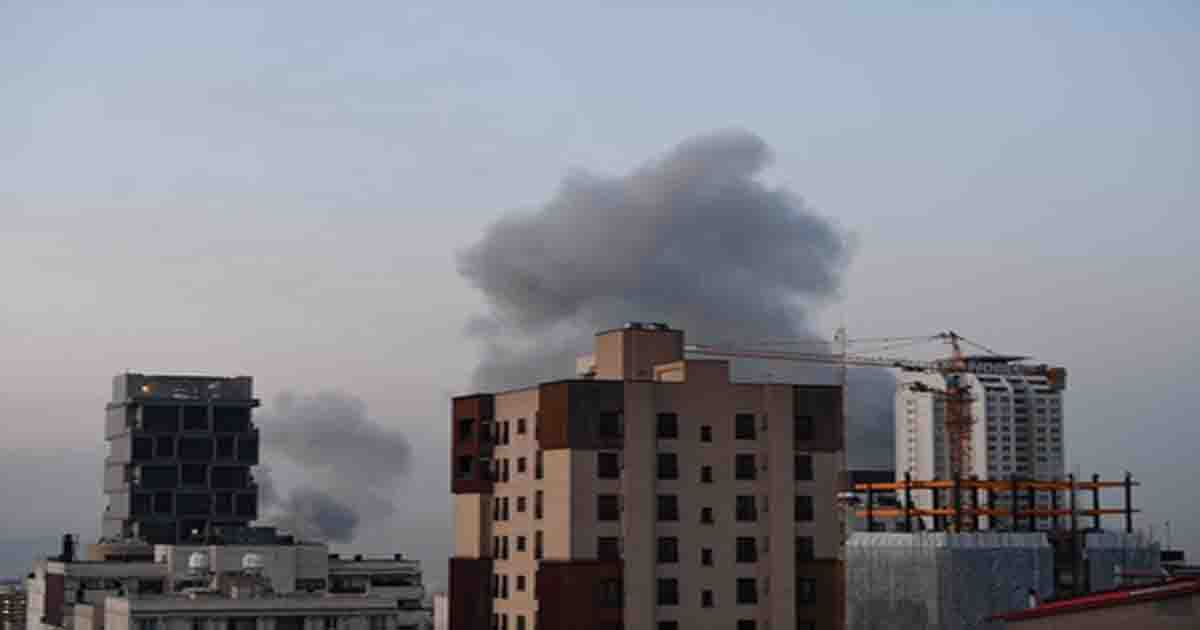
Iranian forces have determined a vast battlefield to inflict damage on the “enemy” and achieve complete deterrence, spokesman for Iran’s Islamic Revolution Guard Corps (IRGC) Hossein Mohebbi has said.
Speaking at a conference in Iran’s southeastern Kerman province on Sunday (local time), Mohebbi said Iranian forces are more prepared than ever “to respond decisively to the enemy,” reports Xinhua, quoting the semi-official Tasnim news agency.
He pointed to recent orders from Supreme Leader Mojtaba Khamenei to senior military commanders, saying the leader’s guidelines “opened a new chapter of war.”
Mohebbi highlighted Khamenei’s emphasis that “there is no geographical limitation in the war with the United States,” saying the IRGC has placed on its agenda identifying new enemy targets and planning operations in new geographical regions.
On Saturday, a statement announced that Iran’s supreme leader had ordered senior commanders of the armed forces to ensure that any level and kind of threat from the “enemies” must be met with an “immediate and effective” response without geographical limitations.
The warnings come amid heightened US threats of military action against Iran.
According to The Wall Street Journal (WSJ), US President Donald Trump was briefed on Thursday by top US military officials on options regarding Iran.
The United States has also informed several Gulf countries to prepare for a possible brief but intense military campaign against Iran after the US midterm elections, according to the WSJ.
On February 28, Israel and the United States launched joint attacks on Tehran and other Iranian cities. Iran responded with waves of missile and drone attacks targeting Israel and US bases and assets in the region, and tightened its grip on the Strait of Hormuz.

DHFL loan fraud: ED attaches properties worth Rs 40 crore in Delhi, Maharashtra

Licensed gun used in cheetah killing recovered; two brothers arrested: MP govt

Delhi-NCR pollution: GRAP stage II restrictions enforced as AQI crosses 300 ahead of Diwali

Mumbai: 70 to 80 guests of the wedding feast in Nahor fell ill with food poisoning, police continue investigation, FDA collects samples

Congress trying to protect 3 crore Bangladeshi infiltrators in voter list: HM Shah

Rahul, Cong ecosystem want to force regime change: BJP after Neha Bora praises B’desh Gen-Z protest

Attack on democratic rights: INDIA Bloc leaders on detentions of anti-ECI protestors

BJP pays tribute to ex-President Abdul Kalam, recalls his enduring influence on generations of India’s youth

INDIA bloc begins protest march against ECI

Online betting: ED conducts searches at 20 premises in Mumbai, Pune, Hyderabad
-

 Crime4 years ago
Class 10 student jumps to death in Jaipur
-

 Maharashtra2 years ago
Mumbai Local Train Update: Central Railway’s New Timetable Comes Into Effect; Check Full List Of Revised Timings & Stations
-

 Maharashtra2 years ago
Mumbai To Go Toll-Free Tonight! Maharashtra Govt Announces Complete Toll Waiver For Light Motor Vehicles At All 5 Entry Points Of City
-

 Maharashtra2 years ago
False photo of Imtiaz Jaleel’s rally, exposing the fooling conspiracy
-

 National News2 years ago
Ministry of Railways rolls out Special Drive 4.0 with focus on digitisation, cleanliness, inclusiveness and grievance redressal
-

 Maharashtra2 years ago
Maharashtra Elections 2024: Mumbai Metro & BEST Services Extended Till Midnight On Voting Day
-

 National News2 years ago
J&K: 4 Jawans Killed, 28 Injured After Bus Carrying BSF Personnel For Poll Duty Falls Into Gorge In Budgam; Terrifying Visuals Surface
-

 Crime2 years ago
Baba Siddique Murder: Mumbai Police Unable To Get Lawrence Bishnoi Custody Due To Home Ministry Order, Says Report