
Maharashtra
Maharashtra Elections 2024: Milind Deora Challenges Aaditya Thackeray For Open Debate On ‘Future Of Worli & Mumbai’

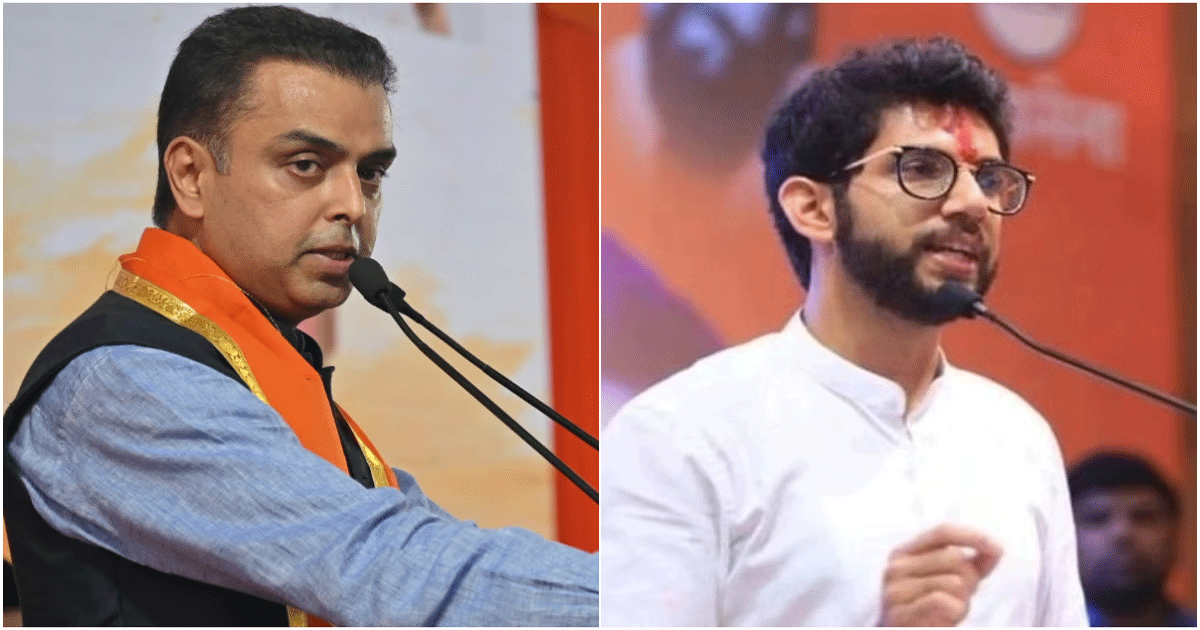
Shiv Sena MP and party’s candidate from Mumbai’s Worli constituency for the Maharashtra Assembly elections, Milind Deora, on Wednesday challenged Shiv Sena (UBT) leader and his opponent in the seat, Aaditya Thackeray, to an open debate on the future of Worli, Mumbai, and Maharashtra. In an X post, Deora referred to Aaditya’s old post in which he had said, “Someone who is scared of an open debate with rival candidates is not worthy of being in any public forum.”
Responding to an old post by Aaditya on X, which was posted in May this year during the Lok Sabha elections, Deora invited the former Maharashtra minister to a debate, saying, ‘Let’s also talk about BMC’s 30-year misgovernance, Mumbai Metro delays, Mahalaxmi Racecourse, and the Sachin Vaze scandal’s impact on Maharashtra’s economy.’
‘Worlikars should decide whether “speed breaker politics” or “progress without speed limits” is the best way forward for our city and state,’ he added.
Notably, in May this year, Aaditya Thackeray had challenged the Shiv Sena candidate Yamini Jadhav, who was pitted against Shiv Sena (UBT) candidate Arvind Sawant from Mumbai South seat in the 2024 Lok Sabha elections.
Aaditya had said that two events where citizens could have watched South Mumbai candidates debate face-to-face and be asked questions by the citizens were canceled at the last minute. He alleged that the police canceled the events citing ‘fear of political workers clashing.’
In the post, he further said that Shiv Sena (UBT) South Mumbai candidate Arvind Sawant was ready for the debate and open questions, but the event was canceled.
‘Someone who is scared of an open debate with rival candidates is not worthy of being in any public forum, the Parliament being the highest,’ Aaditya had said.

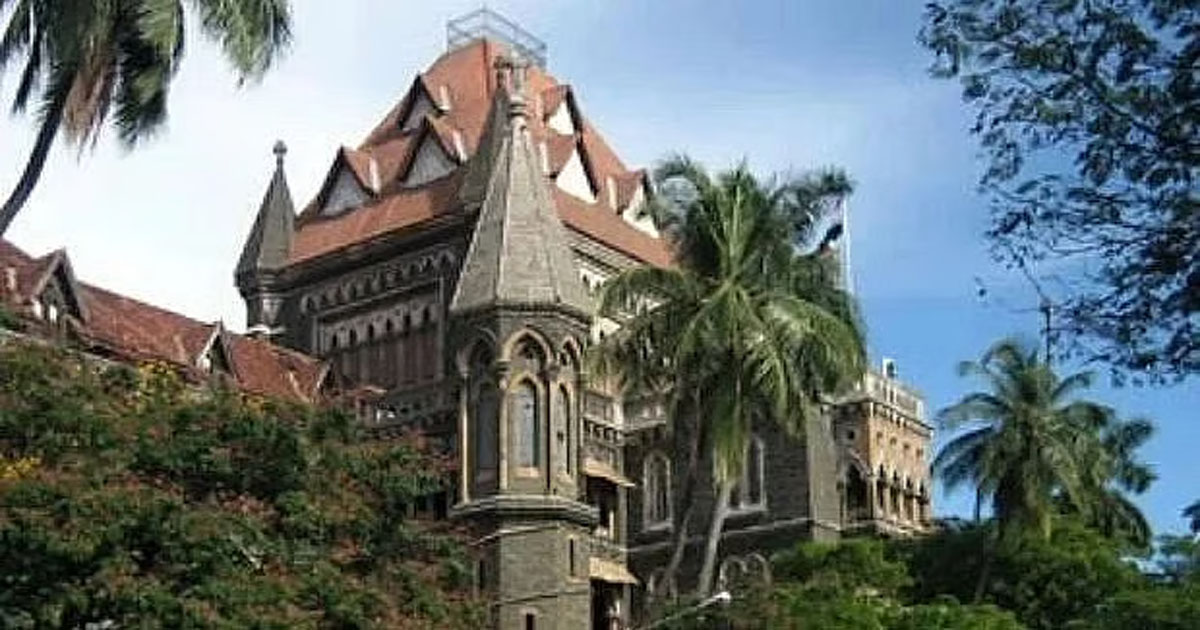
Mumbai: The Bombay High Court on Friday sought the state government’s stand on the shifting position taken by the Brihanmumbai Municipal Corporation (BMC) regarding land required for the expansion of a sewage treatment plant (STP) at Worli.
A bench of Justices MS Karnik and SM Modak directed the BMC to make a formal representation to the state government by April 20, seeking modification of the land requirement from 17,750 sq m to 27,700 sq m. The court said the state must place its response on record by April 27, the next date of hearing.
During the hearing, the court observed that public interest would outweigh competing claims and emphasised the need for clarity on the state’s position at the earliest.
“Once the state informs its decision, we will consider the matter. If the state says whatever has been done is correct, then nothing further remains,” the bench noted.
The issue pertains to a land parcel off Dr E Moses Road, originally reserved for the STP. While around 27,700 sq m was initially earmarked, the requirement was reduced to about 17,750 sq m in June 2024. The BMC has now proposed reverting to the original larger area, citing increased demand for sewage processing.
The court was hearing a petition filed by Worli Urban Development Project LLP (formerly Lokhandwala DB Realty LLP), which is redeveloping slum societies on the site.
The developer had approached the court following stop-work notices issued by the Slum Rehabilitation Authority over alleged unauthorised construction of transit camps.
BMC counsel informed the court that the revised proposal would be placed before the state shortly. Senior advocate Aspi Chinoy, appearing for the developer, alleged mala fides in the civic body’s changing stance, claiming delays were causing financial losses.
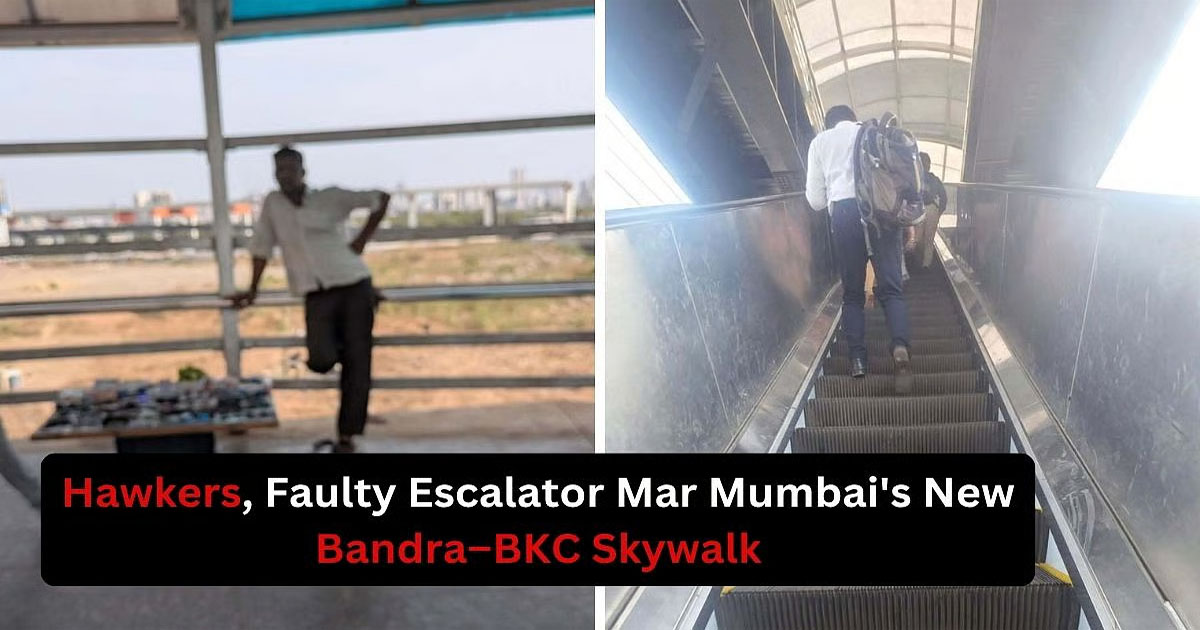
Mumbai: A newly constructed skywalk connecting Bandra Railway Station (East) to the Bandra–Kurla Complex (BKC) is already facing encroachment and maintenance issues, raising concerns over the sustainability of public infrastructure in the city.
The 680-metre-long skywalk, inaugurated on Republic Day earlier this year, was designed to streamline pedestrian movement between key locations, including Bandra Court, MHADA offices, and the District Collector’s Office. However, within months of its opening, and even within 48 hours, as earlier reported, the facility has begun showing signs of neglect.
Photos shared by local social media platform BandraBuzz show hawkers occupying sections of the pedestrian-only skywalk, highlighting a recurring problem seen across several skywalks in the Mumbai Metropolitan Region. The post warned that if immediate action is not taken, the situation could escalate, making the structure unsafe and unusable for commuters.
In addition to encroachments, the social media page flagged maintenance lapses. An escalator installed at the BKC end of the skywalk is reportedly non-functional, forcing daily commuters to use stairs, undermining accessibility, especially for senior citizens and persons with disabilities.
The page also reported changes in last-mile connectivity. Shared auto-rickshaws, which earlier dropped passengers closer to the station, are now reportedly halting near the skywalk and charging higher fares, adding to commuter inconvenience.
The issue of hawker encroachment had been raised earlier by activist Zoru Bhathena soon after the skywalk’s inauguration. Sharing images of a vendor selling sunglasses on the structure, he had highlighted how quickly the pedestrian facility was being compromised. His post, captioned “First Day First Hawkers,” had sparked widespread reactions online.
The skywalk, equipped with four staircases, two escalators, and 14 CCTV cameras, was envisioned as a modern solution to ease congestion in one of Mumbai’s busiest commercial and judicial hubs. It was inaugurated by Maharashtra minister Ashish Shelar after nearly five years of construction delays. Despite these features, the early onset of encroachment and maintenance failures has raised serious questions about enforcement and upkeep.
Maharashtra
“…Was A Restoration Of Our Rights”: Mumbai Mayor Ritu Tawde Reacts To Women’s Reservation Bill Being Rejected In Lok Sabha; Slams Rahul Gandhi

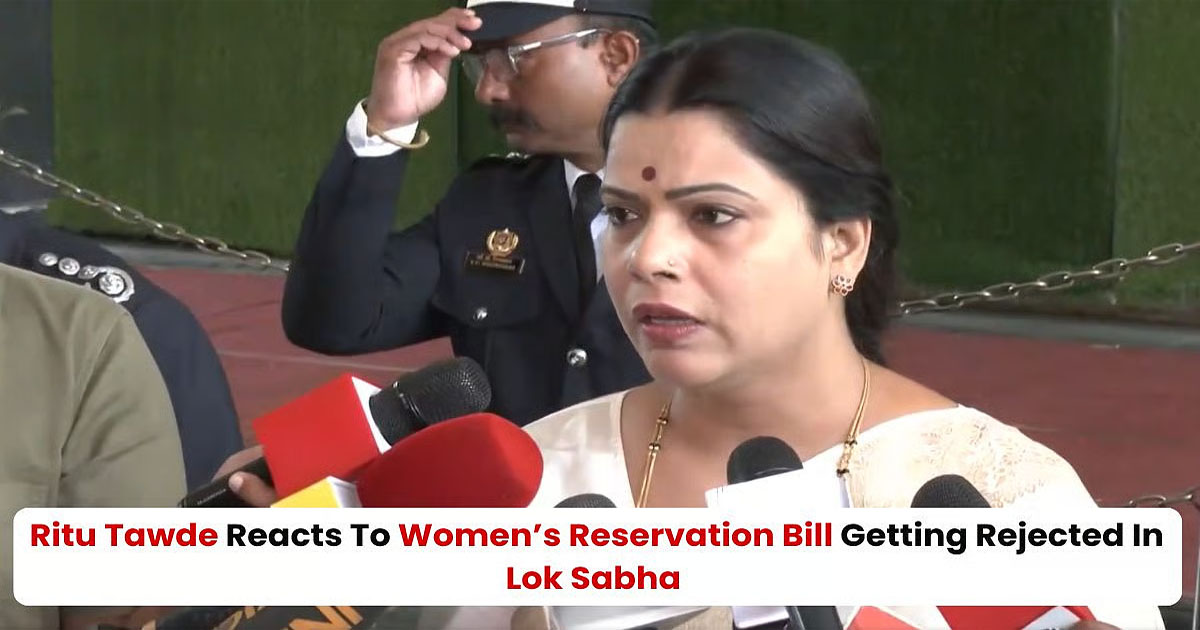
Mumbai: Mayor Ritu Tawde Calls Women’s Reservation Bill ‘Good News’, Targets Opposition After Lok Sabha Rejection
Mumbai Mayor Ritu Tawde described the Women’s Reservation Bill as “good news for women,” particularly for those without a political background, even as the proposed legislation failed to secure passage in the Lok Sabha. Speaking to the media after the development, Tawde emphasised the significance of the bill and criticised the opposition for resisting it.
In her interaction, Tawde highlighted that the bill symbolised an opportunity for women who have worked their way up without political lineage. She credited Prime Minister Narendra Modi for bringing forward what she termed a “restoration of women’s rights.”
“The Women’s Reservation Bill was very good news for us women. Those of us who do not come from a political background have worked hard to come forward. This was a restoration of our rights, brought by the PM Narendra Modi,” she said.
Elaborating on the potential impact of the bill, Tawde stated that its passage would have ensured wider representation and respect for women across all levels of governance, from municipal bodies to the state legislature and Parliament. “Because of this, women were expected to get representation and respect in the Vidhan Sabha, Lok Sabha, and from the municipality level to the state level,” she added.
The mayor also took a swipe at the opposition, alleging that leaders including Rahul Gandhi and his party were seen opposing a measure that she believes would have empowered women politically.
The development comes after the Lok Sabha, on April 11, rejected the Constitution (131st Amendment) Bill. A total of 528 members participated in the voting, with 298 in favour and 230 against. However, the bill fell short of the required two-thirds majority, 326 votes, needed for a constitutional amendment.
The proposed legislation sought to expand the strength of the House from 543 to 850 seats and enable delimitation based on data from the post-2026 Census. Prime Minister Narendra Modi was present in the House during the voting process.

Iran says transferring enriched uranium to US never an option

Macron says Iran’s announcement of reopening Hormuz goes in right direction

Bombay HC Seeks Govt Stand On Worli STP Expansion As BMC Revises Land Requirement

Hawkers, Faulty Escalator Mar Mumbai’s New Bandra–BKC Skywalk Within Months Of Opening

“…Was A Restoration Of Our Rights”: Mumbai Mayor Ritu Tawde Reacts To Women’s Reservation Bill Being Rejected In Lok Sabha; Slams Rahul Gandhi

Dhurandhar 2 Box Office Collection Day 1: Ranveer Singh Starrer Takes An Exceptional Opening; Crosses ₹100 Crore Mark

Mumbai Police Busts Fake Apple Accessories Racket In Ghatkopar, ₹16.33 Lakh Goods Seized; Six Booked

Dhurandhar 2 Box Office Collection Day 9: Ranveer Singh Starrer Earns ₹41.55 Crore On Its Second Friday; Enters ₹700 Crore Club

Bharti Airtel Receives ₹1,74,000 Penalty Notice From DoT For Subscriber Verification Lapses

Mumbai: 28-Year-Old Ghatkopar Woman Killed By Speeding Tanker While Crossing Road, Driver Arrested
-

 Crime4 years ago
Class 10 student jumps to death in Jaipur
-

 Maharashtra2 years ago
Mumbai Local Train Update: Central Railway’s New Timetable Comes Into Effect; Check Full List Of Revised Timings & Stations
-

 Maharashtra2 years ago
Mumbai To Go Toll-Free Tonight! Maharashtra Govt Announces Complete Toll Waiver For Light Motor Vehicles At All 5 Entry Points Of City
-

 Maharashtra2 years ago
False photo of Imtiaz Jaleel’s rally, exposing the fooling conspiracy
-

 National News2 years ago
Ministry of Railways rolls out Special Drive 4.0 with focus on digitisation, cleanliness, inclusiveness and grievance redressal
-

 Maharashtra1 year ago
Maharashtra Elections 2024: Mumbai Metro & BEST Services Extended Till Midnight On Voting Day
-

 National News2 years ago
J&K: 4 Jawans Killed, 28 Injured After Bus Carrying BSF Personnel For Poll Duty Falls Into Gorge In Budgam; Terrifying Visuals Surface
-

 Crime2 years ago
Baba Siddique Murder: Mumbai Police Unable To Get Lawrence Bishnoi Custody Due To Home Ministry Order, Says Report